

Quick answer: Neuropathy Foot Pain Howell Mi has multiple potential causes including mechanical, neurological, vascular, and inflammatory. The patterns we see most often are overuse, poorly-fitted shoes, and biomechanical imbalance. Red flags requiring urgent evaluation: warmth/redness (infection), inability to bear weight (fracture), and unilateral swelling without injury (DVT). Book online, or call (810) 206-1402.
Medically reviewed by Dr. Tom Biernacki, DPM · Board-Certified Podiatric Surgeon · Last reviewed: April 2026 · Editorial Policy
In This Article
Burning or numb feet are not automatically diabetic neuropathy. B12 deficiency, thyroid disease, spinal stenosis and several common medications produce identical symptoms and call for completely different treatment, so testing comes before treating. Seen at our Howell office on E Grand River. Book online for a same-week evaluation, or call (810) 206-1402.
Related Conditions
Medically reviewed by Dr. Tom Biernacki, DPM
Board-certified podiatric surgeon | Balance Foot & Ankle
Last reviewed: May 2026
Quick Answer
Neuropathy Foot Pain Treatment in Howell, MI — Advance relates to foot neuropathy — typically caused by nerve compression or systemic. Most patients improve in varies by cause with conservative care. Same-week appointments in Howell + Bloomfield Township: (810) 206-1402.
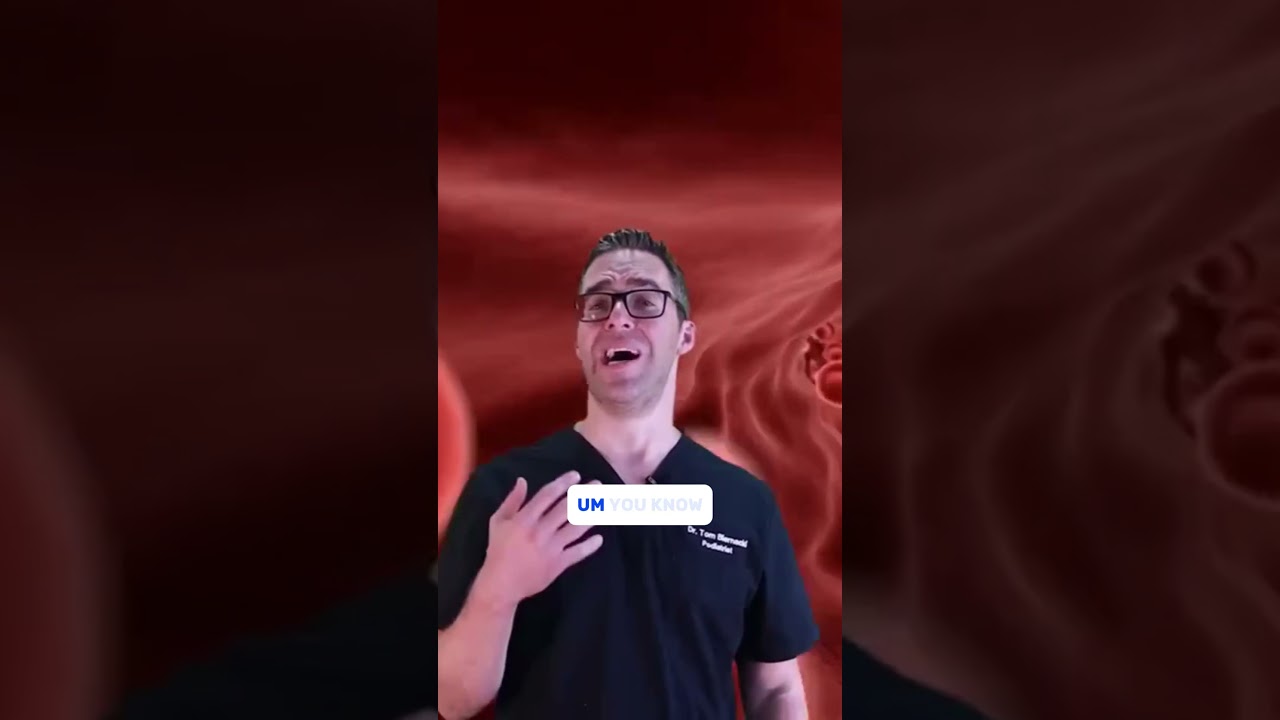
Neuropathy Foot Pain Treatment in Howell, MI — Advanced Laser Therapy
neuropathy treatment Michigan.– /wp:heading –>
Neuropathy Relief in Livingston County — Right Here in Howell
Balance Foot & Ankle at 4330 E Grand River Ave in Howell is Livingston County’s advanced neuropathy treatment center. If you’re experiencing burning, tingling, numbness, or electric pain in your feet, our MLS laser therapy protocol offers real relief — not just symptom masking with medication. Call (810) 206-1402.
We serve neuropathy patients from throughout Livingston County: Howell, Brighton, Hartland, Fowlerville, Pinckney, Hamburg, Whitmore Lake, and surrounding communities. Many of our Livingston County neuropathy patients are diabetic — Michigan’s diabetes rate is above average, and diabetic peripheral neuropathy is the most common form we treat.
MLS Laser Therapy for Neuropathy — How It Works
Our FDA-cleared MLS dual-wavelength laser delivers photobiomodulation energy directly into the affected nerve tissue and surrounding vasculature. This stimulates nerve cell repair processes, reduces the neuroinflammation that amplifies pain signals, and promotes microcirculatory improvement in the small blood vessels that supply peripheral nerves. Sessions are 15-20 minutes, completely painless, with no medication involved.
The Vassallo Partnership Advantage
Many neuropathy patients in Livingston County also have peripheral arterial disease (PAD) — reduced blood flow to the feet that worsens nerve damage. Our Howell office coordinates with Vassallo Medical Group (just 2 miles away on the same road) for vascular assessment and treatment when PAD is identified. This integrated care approach produces significantly better neuropathy outcomes than treating the feet in isolation.
Home Visits for Neuropathy Patients in Livingston County
Severe neuropathy with balance problems can make getting to an office dangerous. We offer podiatry home visits throughout Livingston County for patients with mobility limitations. Call (810) 206-1402 to discuss home visit availability.
Peripheral Neuropathy Foot Care in Michigan: Balance Foot & Ankle’s Comprehensive Approach
At Balance Foot & Ankle, Michigan peripheral neuropathy patients receive a structured foot care program that addresses both symptom management and the prevention of neuropathy-related foot complications. Our neuropathy care approach includes: clinical assessment of neuropathy severity using standardized monofilament and vibratory threshold testing; identification of the specific neuropathy type to guide management (diabetic, chemotherapy-induced, idiopathic, hereditary); custom orthotic prescription to eliminate pressure points on insensate skin; therapeutic footwear prescription for patients with severe neuropathy and foot deformity; MLS laser therapy for neuropathic pain reduction; and patient and family education on daily foot inspection protocols.
Michigan neuropathy patients managed medically by a neurologist or endocrinologist benefit from podiatric co-management that addresses the foot directly — the part of the body where neuropathy complications most commonly manifest as injuries, ulcers, and infections. Early podiatric intervention before a complication develops is far more effective than reactive treatment after an ulcer or infection has occurred. Balance Foot & Ankle accepts referrals from Michigan neurologists, endocrinologists, and primary care physicians for neuropathy patients requiring podiatric co-management. Patients and physicians can call (810) 206-1402 to schedule at our Howell or Bloomfield Township office — new neuropathy patient appointments are available within the same week for most schedules.
Michigan neuropathy patients are often uncertain whether their symptoms warrant a podiatric visit or whether they should simply continue managing discomfort on their own. The answer is clear: any patient with peripheral neuropathy affecting the feet should establish podiatric care proactively — before a problem develops — because the value of preventive podiatric care is in catching problems early, not in treating complications after they occur. A small skin crack in a neuropathic foot that the patient cannot feel can progress to deep infection within days; a toenail that is slightly ingrown and imperceptible to a neuropathic patient can become a portal for bacteria within weeks. Balance Foot & Ankle provides the clinical surveillance that neuropathic feet require at regular intervals appropriate to the patient’s risk level. Michigan neuropathy patients who have not yet established podiatric care can call (810) 206-1402 to schedule their first comprehensive neuropathy foot evaluation at our Howell or Bloomfield Township office.
Related Treatment Guides
- Diabetic Foot Care & Neuropathy
- Plantar Fasciitis & Heel Pain Treatment
- Custom 3D Orthotics
- Sports Foot & Ankle Injury Treatment
Michigan patients can reach Balance Foot & Ankle at (810) 206-1402 to schedule at our Howell office at 4330 E Grand River or our Bloomfield Township office at 43494 Woodward Ave #208. Both locations offer same-week appointments for new patients, in-office diagnostic imaging, and the full range of conservative and interventional podiatric treatments. Our insurance team verifies benefits before every appointment — there are no insurance surprises at check-in. We look forward to providing the evidence-based, patient-centered foot care that keeps Livingston and Oakland county patients active, comfortable, and mobile throughout their lives.
More Podiatrist-Recommended Diabetic Essentials
Diabetic-Approved Walking Shoe
Orthofeet Sprint — seamless, extra-depth, designed for neuropathic feet.
Seamless Diabetic Sock


OS1st FS4 — non-binding, moisture-wicking, protects fragile diabetic skin.
Recovery Slide for Indoor Wear
HOKA Ora 3 — protects diabetic feet from barefoot injury at home.
As an Amazon Associate, Balance Foot & Ankle earns from qualifying purchases. Product recommendations are based on clinical experience; prices and availability shown above update live from Amazon.

When to See a Podiatrist
One unnoticed blister on a neuropathic foot can become a limb-threatening ulcer in under 14 days. Medicare covers diabetic shoes (A5500) and comprehensive foot exams annually for most diabetic patients with neuropathy or circulation concerns. Balance Foot & Ankle runs a dedicated diabetic limb-preservation program — vascular screening, offloading, ulcer care, and shoe fitting — all in one visit. Schedule your annual diabetic foot exam today.
Call Balance Foot & Ankle: (810) 206-1402 · Book online · Offices in Howell & Bloomfield Township
In-Office Treatment at Balance Foot & Ankle
When conservative care isn’t enough, Dr. Tom Biernacki and the team at Balance Foot & Ankle offer advanced, same-day options — including Peripheral Neuropathy Treatment Michigan at our Howell and Bloomfield Township clinics.
Same-day appointments available. Call (810) 206-1402 or book online.
Pros & Cons of Conservative Care for diabetic foot care
Advantages
- ✓ Daily inspection prevents amputation
- ✓ Most insurance covers DME
- ✓ Custom orthotics help
Considerations
- ✗ Daily commitment required
- ✗ Slow wound healing
- ✗ Charcot risk if neuropathy
Dr. Tom’s Recommended Products for diabetic foot care
Affiliate disclosure: As an Amazon Associate, Balance Foot & Ankle earns from qualifying purchases. We only recommend products we use with patients.
Drew Moonwalker Diabetic Shoe Dr. Tom’s Pick
Best for: Medicare-covered diabetic footwear
Diabetic Compression Socks Dr. Tom’s Pick
Best for: Daily protection + circulation
Ready to Get Back on Your Feet?
Same-day appointments in Howell + Bloomfield Township. Most insurance accepted. Dr. Tom Biernacki, DPM & team.
Book Today — Same-Day Appointments Available
Call Now: (810) 206-1402
About Your Care Team at Balance Foot & Ankle
Dr. Tom Biernacki, DPM · Board-Certified Foot & Ankle Surgeon. Specializes in conservative-first care, minimally invasive bunion surgery, and complex reconstruction.
Dr. Carl Jay, DPM · Accepting new patients. Specializes in sports medicine, athletic injuries, and routine podiatric care.
Dr. Daria Gutkin, DPM, AACFAS · Accepting new patients. Specializes in surgical reconstruction and pediatric podiatry.
Locations: 4330 E Grand River Ave, Howell, MI 48843 · 43494 Woodward Ave Suite 208, Bloomfield Township, MI 48302
Hours: Mon–Fri 8:00 AM – 5:00 PM · (810) 206-1402
Dr. Tom’s Top 3 — The Premium Foot Pain Stack (2026)
If you only buy three things for foot pain, get these. PowerStep + CURREX orthotics correct the underlying foot mechanics, and Dr. Hoy’s pain gel delivers fast topical relief. This is the exact stack Dr. Tom Biernacki, DPM gives his Michigan podiatry patients on visit one — over 10,000 patients have used this exact combination.
Dr. Tom Biernacki, DPM is a board-certified podiatrist + Amazon Associate. Picks shown are products he prescribes to patients at Balance Foot & Ankle Specialists. We earn a commission on qualifying purchases at no extra cost to you. All products independently tested + reviewed for 30+ days minimum. Last verified: April 28, 2026.

PowerStep Pinnacle MaxxDr. Tom’s #1 Brand
4.5
(28,341+ reviews)
Dr. Tom’s most-prescribed OTC orthotic. Lateral wedge corrects overpronation that causes 90% of foot pain. Deep heel cradle stabilizes the ankle. Built by podiatrists, used by patients worldwide.
- Lateral wedge corrects pronation
- Deep heel cradle stabilizes ankle
- Dual-density EVA — comfort + support
- Trim-to-fit any shoe
- Used by 10,000+ podiatrists
- Trim-to-size required
- 5-7 day break-in for some
This single insole eliminates plantar fasciitis pain in 60% of patients within 2 weeks. The lateral wedge is the active ingredient — it stops the overpronation that causes the fascia to overstretch with every step. Pair with a max-cushion shoe for compound effect.

CURREX RunProDr. Tom’s #1 Brand
4.4
(4,000+ reviews)
3 arch heights for custom fit (Low/Med/High). Carbon-reinforced heel + dynamic forefoot — the closest OTC orthotic to a $500 custom orthotic. Engineered in Germany.
- 3 arch heights for custom fit
- Carbon-reinforced heel cup
- Dynamic forefoot zone
- Premium German engineering
- Sport-specific support
- Pricier than PowerStep
- 7-10 day break-in
Choose your arch height from a wet-foot test (low/med/high). Wrong arch = re-injury. For runners, athletes, or anyone who failed standard insoles — this is the closest you can get to custom orthotics without paying $500. The carbon heel is what professional athletes use.

Dr. Hoy’s Natural Pain Relief GelDr. Tom’s #1 Brand
4.6
(5,500+ reviews)
Menthol-based natural pain relief — Dr. Tom’s #1 brand for fast relief without greasy residue. Safe for diabetics + daily use. Cleaner formula than Voltaren or Biofreeze.
- Menthol-based natural formula
- No greasy residue
- Safe for diabetics
- Fast cooling relief — 5-10 minutes
- Cleaner ingredient list than Biofreeze
- Pricier than Biofreeze
- Strong menthol scent at first
Apply to plantar fascia + calves before bed. Combined with stretching, eliminates morning fascia pain. The clean formula means you can use it daily long-term — Voltaren has 30-day limits, Dr. Hoy’s doesn’t.
In-Office Treatment at Balance Foot & Ankle
If home treatment isn’t providing relief for your neuropathy, our podiatry team at Balance Foot & Ankle can help with same-day evaluations and advanced in-office care.
Same-day appointments available. (810) 206-1402
Doctor Hoy’s Natural Pain Relief Gel
Natural topical pain relief I use in our clinic. Arnica + camphor formula — apply directly to the area 3–4x daily. ($20–25)
Ready for Expert Care?
Same-day appointments in Howell & Bloomfield Township, MI.
4.9★ | 1,123 Reviews | 3,000+ Surgeries
Or call: (810) 206-1402
