
Medically reviewed by Dr. Tom Biernacki, DPM
Board-certified podiatric surgeon | Balance Foot & Ankle, Howell & Bloomfield Township, MI
Last reviewed: May 2026

Quick answer: Pain On Top Of Foot When Walking has multiple potential causes including mechanical, neurological, vascular, and inflammatory. The most common causes we identify are overuse, ill-fitting shoes, and biomechanical imbalance. Red flags requiring urgent evaluation: warmth/redness (infection), inability to bear weight (fracture), and unilateral swelling without injury (DVT). Call (810) 206-1402.
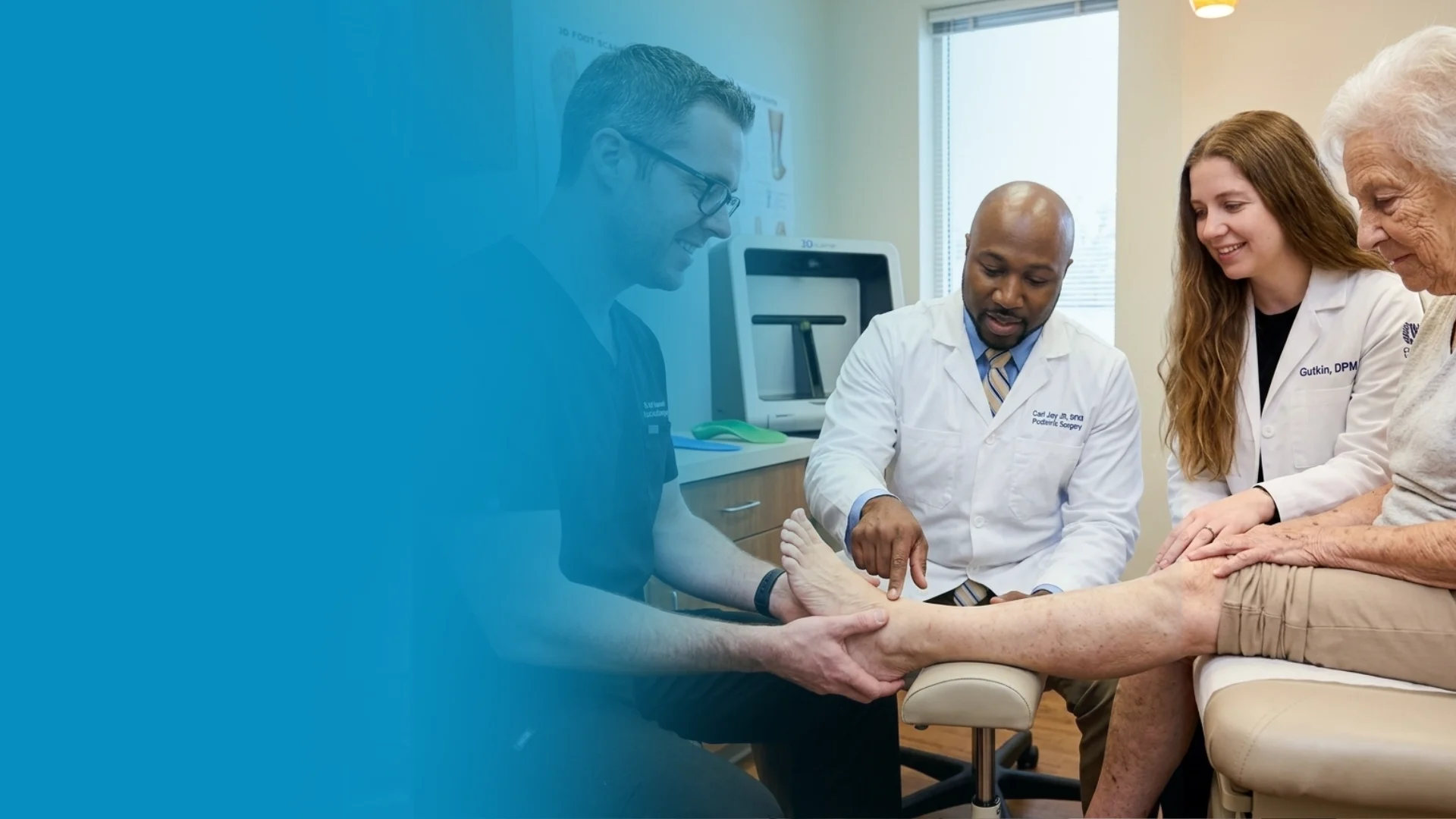
The most important clinical decision with Pain On Top Of Foot When Walking isn’t which treatment to start with — it’s identifying the correct subtype. That changes everything. Call (810) 206-1402.
Pain On Top Of Foot When Walking: Quick Answer
Pain on top of foot when walking has 8 common causes: extensor tendinopathy (most common — inflamed tendons across the dorsum), metatarsal stress fracture (sharp pinpoint pain on a single bone, worse with weight-bearing), midfoot arthritis (Lisfranc complex degenerative changes), bone spur from old trauma, deep peroneal nerve compression (numbness on top of foot), gout (sudden severe red painful joint, especially big toe), tarsal coalition (rare bony bridge between tarsal bones — usually presents in adolescents), or simply tight shoe lacing crushing inflamed tissue. The diagnostic key is location and onset pattern: pain along ROPY tendons = tendinopathy; pinpoint pain on a single bone with overnight swelling = stress fracture; sudden severe redness = gout. X-ray is warranted for any pain persisting >2 weeks; MRI for stress fracture or tendon tear.
The 5-Second Differential: Where Exactly Does It Hurt?
Pain along visible ropy tendons: Extensor tendinopathy — most common cause, related to shoe lacing or running.
Pinpoint pain on a single metatarsal bone: Metatarsal stress fracture — needs X-ray (often negative early), MRI confirms.
Pain over the entire midfoot, worse with twisting: Midfoot arthritis — usually post-traumatic from old Lisfranc injury.
Bony bump on top of midfoot, painful in shoes: Dorsal exostosis (bone spur) — often combined with overlying extensor tendinopathy.
Numbness on top of foot + pain: Deep peroneal nerve compression — usually from tight shoe straps or tight lacing.
Sudden severe red + hot + swollen + exquisitely tender joint (especially big toe): Gout — needs uric acid level, NSAIDs or colchicine for acute treatment.
Cause #1: Extensor Tendinopathy (Most Common)
The extensor tendons run along the top of the foot and lift the toes during gait. They get inflamed from tight shoe lacing, sudden running mileage increases, or hill running.
Symptoms: Burning achy pain across the top of the foot; tender to direct pressure on the ropy tendons; worsens with shoe lacing tight; better with rest.
Treatment: Window lacing (skip eyelets over painful area), supportive cushioned shoes (HOKA Bondi, Brooks Glycerin), topical diclofenac 1% gel, calf stretching, and 2-week activity modification. See our extensor tendonitis complete guide.
Cause #2: Metatarsal Stress Fracture (The One You Can’t Miss)
Stress fractures of the 2nd, 3rd, or 4th metatarsals are common in runners with sudden mileage increases, military recruits in basic training, dancers, and patients on prolonged bed rest who suddenly resume activity.
Symptoms: Pinpoint pain on a single metatarsal bone (palpate each one — the painful one is the fracture); pain worse with weight-bearing; swelling that DOESN’T resolve overnight; pain at night; pain that improves only with complete rest.
Diagnosis: X-ray often negative for the first 2-4 weeks; MRI confirms early stress fracture (best test). Treatment: 4-6 weeks in a CAM walker boot, gradual return to activity over additional 4-6 weeks. Without immobilization, can progress to a complete fracture.
Cause #3: Midfoot Arthritis (Lisfranc Joint Complex)
The midfoot has multiple small joints (the tarsometatarsal joints — the “Lisfranc complex”) that can develop osteoarthritis from old trauma, repetitive stress, or inflammatory arthritis.
Symptoms: Achy pain across the midfoot, worse with twisting motions or push-off, morning stiffness, possible visible bony enlargement.
Treatment: Stiff-soled shoes with rocker bottoms (HOKA, custom Carbon Plate footwear), custom orthotics with medial post and rigid arch support, intra-articular cortisone injections, NSAIDs. End-stage cases may need midfoot fusion (calcaneocuboid + tarsometatarsal arthrodesis).
Cause #4: Dorsal Bone Spur (Exostosis)
A bony exostosis on top of the midfoot — often from old trauma, midfoot arthritis, or simply repetitive stress. The bony bump rubs against shoes and inflames overlying tendons.
Treatment: Padding around the bump (donut pad), shoe modification with a softer toe box, NSAIDs, intra-articular injection if associated arthritis. Failed conservative care: surgical exostectomy (shaving down the bump) — outpatient procedure with 4-6 weeks recovery.
Causes #5-8: Nerve Compression, Gout, Tarsal Coalition, Other
Deep peroneal nerve compression: Causes numbness on top of foot in the 1st-2nd web space, plus pain. Usually from tight shoe straps. Treatment: shoe modification, possibly cortisone injection.
Gout: Acute attack of monosodium urate crystals in a joint. Most often the 1st MTP joint (podagra) but can affect midfoot joints. Sudden severe pain, redness, swelling, exquisitely tender to touch. Treatment: NSAIDs, colchicine, or short oral steroid course; long-term: allopurinol for prevention.
Tarsal coalition: Rare congenital bony or fibrous bridge between tarsal bones (usually calcaneonavicular or talocalcaneal). Presents in adolescents with vague midfoot pain and limited subtalar motion. CT or MRI confirms. Treatment: orthotics + immobilization; resection surgery for symptomatic cases.
Foreign body reaction: Embedded splinter, glass, or other foreign body causing chronic inflammation. See our glass removal guide.
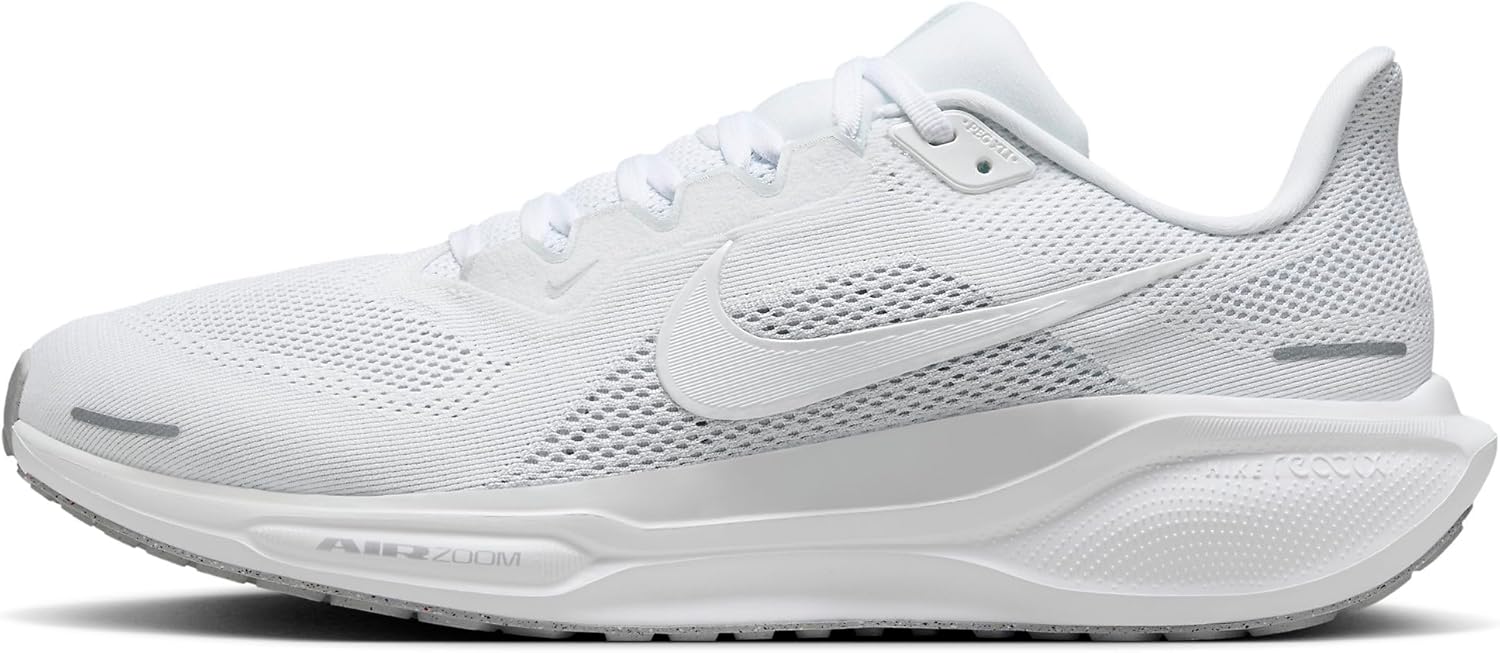
When Shoes Aren’t Enough — Dr. Tom’s Top 9 Orthotics
About 30% of patients I see for foot pain need MORE than a great shoe — they need a structured insole. Below: my complete 2026 orthotic ranking with pros, cons, and the specific patient I’d give each one to.




When to See a Podiatrist
Same-week appointment if: pain persists more than 2 weeks despite rest and shoe modification; pinpoint pain on a single metatarsal (rule out stress fracture); sudden severe red hot painful joint (rule out gout or septic arthritis); numbness associated with the pain; you have diabetes (any new foot pain warrants same-week evaluation).
In-Office Treatment at Balance Foot & Ankle
If home treatment isn’t providing relief for your plantar fasciitis, our podiatry team at Balance Foot & Ankle can help with same-day evaluations and advanced in-office care.
Frequently Asked Questions About Pain On Top Of Foot When Walking
What is the most common cause of pain on top of foot when walking?
Extensor tendinopathy — inflamed tendons across the dorsum from tight shoe lacing or running overload.
How can I tell if I have a stress fracture vs tendinitis?
Tendinitis: pain along ropy tendons, improves with rest. Stress fracture: pinpoint pain on a single bone, swelling that doesn’t resolve overnight, pain at night. MRI confirms stress fracture.
Can tight shoes cause pain on top of foot?
Yes — tight lacing causes both extensor tendinopathy and deep peroneal nerve compression. Switch to “window lacing” technique (skip eyelets over painful area).
Should I see a podiatrist for top of foot pain?
Same-week appointment if: pain persists >2 weeks; pinpoint pain on single bone; numbness; diabetic patient; sudden severe pain.
What does midfoot arthritis feel like?
Achy pain across the midfoot worse with twisting motions and push-off, morning stiffness, possible visible bony enlargement. X-ray confirms.
Can gout cause pain on top of foot?
Yes — most often the big toe MTP joint (podagra) but can affect midfoot joints. Look for sudden severe redness, warmth, swelling.
How long does top of foot pain take to heal?
Extensor tendinopathy: 4-6 weeks. Metatarsal stress fracture: 6-8 weeks in boot + 4-6 weeks return to activity. Midfoot arthritis: chronic, managed not cured.
Related Resources from Balance Foot & Ankle
- Extensor Tendonitis Complete Guide
- Foot Pain During Exercise
- Bone Spur on Top of Foot
- Anterior Tibialis Tendonitis
- Best Shoes for Top of Foot Pain
- Foot Tendons Anatomy
Frequently Asked Questions
When should I see a doctor?
See a podiatrist if pain persists past 2 weeks, prevents normal activity, or is accompanied by red-flag symptoms (warmth, swelling, numbness, inability to bear weight).
Can I treat this at home?
Mild cases respond to RICE protocol (rest, ice, compression, elevation), supportive shoes, and OTC anti-inflammatories. Persistent symptoms need professional evaluation.
How long does it take to heal?
Most soft tissue injuries resolve in 2-6 weeks with appropriate care. Bone injuries take 6-12 weeks. Chronic conditions need longer-term management.
American Academy of Orthopaedic Surgeons: Top of Foot Pain
Ready to Get Relief?
Same-day appointments available in Howell & Bloomfield Township, MI
4.9★ | 1,123 Reviews | 3,000+ Surgeries
Or call: (810) 206-1402

Dr. Tom Biernacki, DPM is a board-certified foot & ankle surgeon (ABFAS & ABPM) at Balance Foot & Ankle Specialists in Southeast Michigan. With over a decade of clinical experience, he specializes in heel pain, bunions, diabetic foot care, sports injuries, and minimally invasive surgery. Dr. Biernacki is a member of the APMA and ACFAS, and his patient education content on MichiganFootDoctors.com and YouTube has made him one of the most-followed foot & ankle educators on YouTube.