
Quick answer: Posterior Tibial Tendon Dysfunction Adult Flatfoot Stages Michigan is a common foot/ankle topic that affects many patients. Effective treatment starts with a targeted diagnosis, conservative-first treatment, and escalation only when needed. We treat this regularly at our Howell and Bloomfield Hills practices. Call (810) 206-1402.
Medically reviewed by Dr. Tom Biernacki, DPM · Board-Certified Podiatric Surgeon · Last reviewed: April 2026 · Editorial Policy
The most important clinical decision with Posterior Tibial Tendon Dysfunction Adult Flatfoot Stages Michigan isn’t which treatment to start with — it’s identifying the correct subtype. That changes everything. Call (810) 206-1402.
Quick Answer
Posterior Tibial Tendon Dysfunction: 4 Stages & Treatme relates to tendon injury — typically caused by overuse or sudden strain. Most patients improve in 6-12 weeks with conservative care. Same-week appointments in Howell + Bloomfield Hills: (810) 206-1402.

Medically reviewed by Dr. Tom Biernacki, DPM — Board-Certified Podiatric Surgeon — Balance Foot & Ankle, Howell & Bloomfield Hills, MI. Last updated April 2026.
▶ Watch
Medically Reviewed by Dr. Tom Biernacki, DPM — Board-Certified Podiatrist, Balance Foot & Ankle Specialists, Michigan. Last updated April 2026.
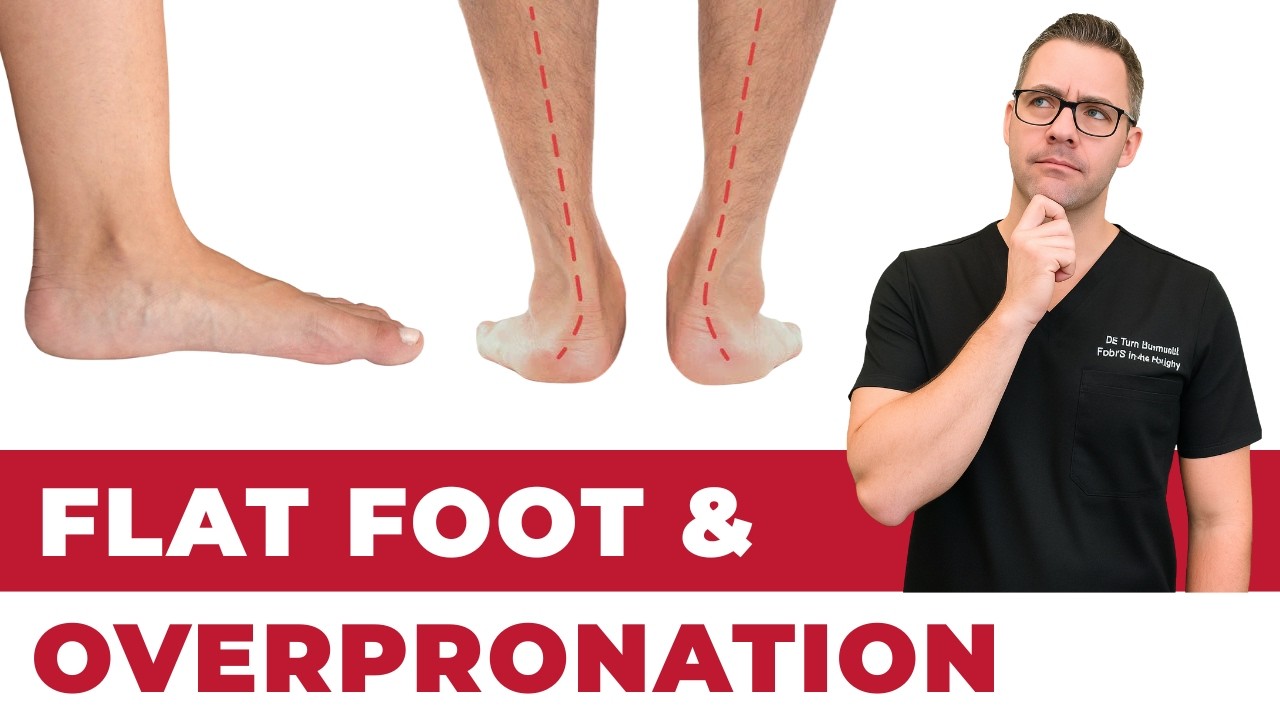
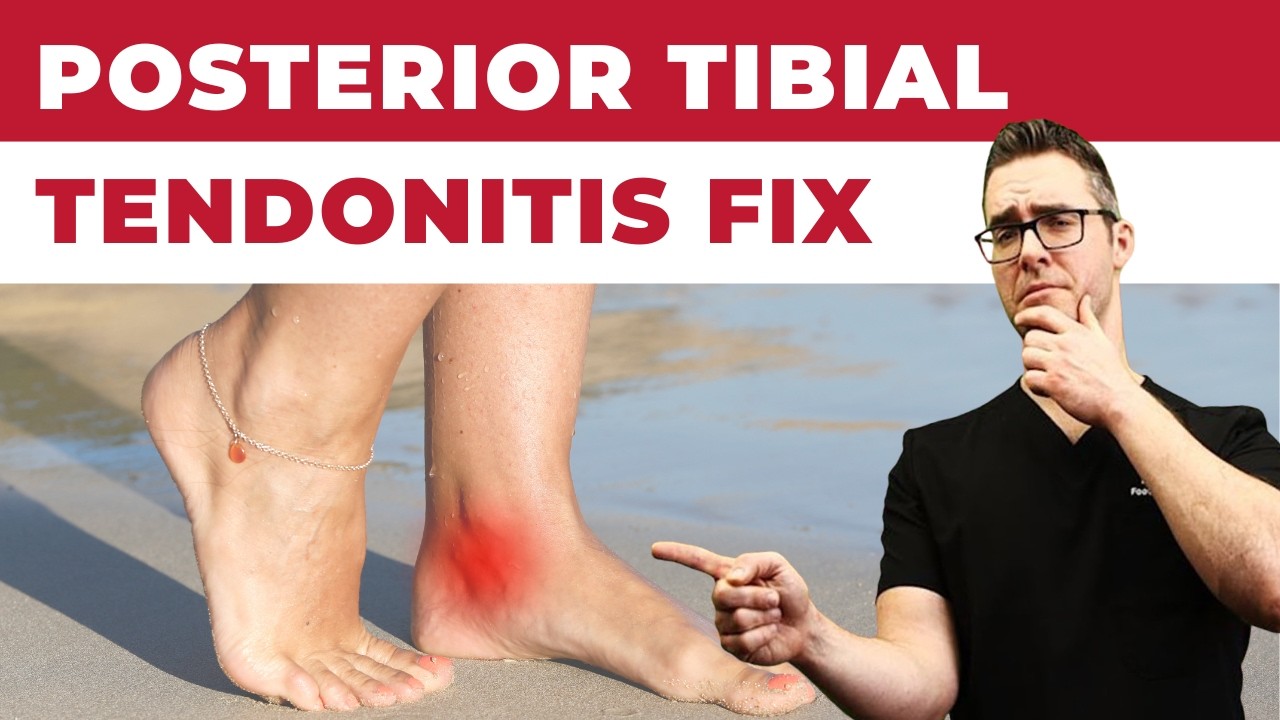
Posterior tibial tendon dysfunction (PTTD) — also called adult-acquired flatfoot deformity (AAFD) — is a progressive condition involving degeneration of the posterior tibial tendon that produces a characteristic collapse of the medial longitudinal arch over months to years. It is one of the most consequential foot conditions to under-treat, as Stage I and II PTTD can be managed with orthotics and physical therapy while Stage III and IV require complex reconstructive surgery. At Balance Foot & Ankle, Dr. Tom Biernacki, DPM diagnoses and stages PTTD to provide the most appropriate treatment at each stage. Call (810) 206-1402.
Quick Answer: What Is PTTD?
The posterior tibial tendon is the primary dynamic stabilizer of the medial longitudinal arch — it inverts the foot, plantarflexes the ankle, and adducts the forefoot to maintain arch height during the push-off phase of gait. When the PTT becomes degenerative (tendinosis) or ruptures, the arch collapses progressively. The condition is most common in middle-aged women with obesity, hypertension, and flatfoot, but occurs in all demographics including runners and dancers with PTT overuse. The classic presenting sign: inability to perform a single-leg heel rise on the affected foot — the PTT’s primary functional test.
Johnson & Strom (Modified Myerson) Classification
Stage I: Tendinosis without elongation — the tendon is thickened and tender along its course from the medial malleolus to the navicular tuberosity, but arch height is preserved and the heel rise test is normal. MRI shows intratendinous signal change. Treatment: immobilization (walking boot 6 weeks), physical therapy, and custom UCBL orthotic. Stage II: Elongated or partially ruptured tendon with flexible flatfoot deformity — arch height decreased, heel rises into valgus with single-leg stance, single-leg heel rise painful or impossible, but the deformity can be corrected passively. Divided into IIA (forefoot supinatus — compensatory but reducible) and IIB (forefoot abduction — “too many toes” sign pronounced). Treatment: orthotic for mild cases; surgical reconstruction for moderate-to-severe or failed conservative treatment. Stage III: Rigid flatfoot deformity — the subtalar and talonavicular joints are arthritic and the deformity cannot be corrected passively. Single-leg heel rise impossible. Treatment: surgical — triple or double arthrodesis required. Conservative care provides limited benefit. Stage IV: Rigid flatfoot with valgus deformity of the ankle — the talus has tilted in the mortise, producing valgus ankle arthrosis. Treatment: most complex reconstruction — often requires ankle component management in addition to hindfoot fusion.
Diagnosis of PTTD
Single-leg heel rise test: The most clinically meaningful test — inability or significant pain is 88% sensitive for PTT dysfunction. Too many toes sign: Standing view from behind shows more toes visible laterally on the affected foot than the contralateral foot — indicates forefoot abduction from talonavicular subluxation. Weight-bearing foot X-rays: AP view shows talonavicular uncovering; lateral view shows decreased talo-first metatarsal angle (Meary’s angle) and increased calcaneal pitch angle loss. MRI: Gold standard for tendon staging — demonstrates tendinosis, partial tear, or complete rupture; confirms stage before surgical planning. Ultrasound: Dynamic assessment of tendon thickness, continuity, and integrity at the time of examination — excellent for Stage I and II evaluation.
Conservative Management: Stage I and Stage II
Stage I PTTD responds well to conservative management: walking boot immobilization for 6–8 weeks; eccentric posterior tibialis strengthening (alphabet exercises, single-leg heel drops); custom UCBL (University of California Biomechanics Laboratory) orthotic — the highest-control custom orthotic design with deep heel seat and extended medial flange that controls subtalar motion; and reduction of high-impact activities. Approximately 50% of Stage II patients respond adequately to aggressive conservative care to avoid surgery. Custom UCBL orthotics are more effective than standard custom orthotics for PTTD — they must extend to the heel and medial mid-arch with the correct degree of medial flange to provide subtalar joint control. A standard accommodative orthotic is inadequate for PTTD management.
Surgical Reconstruction: Stage II
Stage IIA surgery: flexor digitorum longus (FDL) tendon transfer to the navicular (augmenting the failed PTT with an adjacent active tendon); medializing calcaneal osteotomy (shifting the calcaneus medially to restore hindfoot varus alignment); and spring ligament repair. Stage IIB surgery adds: lateral column lengthening osteotomy (Evans procedure — lengthening the calcaneus to reduce forefoot abduction) and possible dorsiflexion osteotomy of the medial cuneiform. The combination of FDL transfer plus medializing calcaneal osteotomy achieves excellent Stage II outcomes in most cases — with 85–90% good-to-excellent long-term results at 10 years.
Most Common PTTD Mistake
The most common and most consequential mistake: wearing pharmacy arch support insoles for Stage II PTTD and attributing the continued deformity progression to “just aging” for 3–5 years before seeking subspecialty evaluation — presenting at Stage III. Stage II PTTD with FDL transfer and calcaneal osteotomy has 85–90% good outcomes and preserves subtalar and ankle joint motion. Stage III PTTD requires triple arthrodesis — fusion of three joints, 4–5 months recovery, and permanent loss of hindfoot motion. The treatment decision at Stage II vs. Stage III is one of the highest-stakes windows in podiatric care. Any patient with medial ankle and arch pain, a visible arch collapse that didn’t exist 2 years ago, and a positive “too many toes” sign warrants urgent MRI and subspecialty evaluation — not a conservative wait-and-see approach. Call (810) 206-1402 immediately if this sounds familiar.
Join 950,000+ Learning About Foot Health
Dr. Tom shares honest medical advice, supplement reviews, and treatment guides you won’t find anywhere else.
Subscribe on YouTube →📍 Located in Michigan?
Our board-certified podiatrists treat this condition at two convenient locations. Same-day appointments often available.
Insurance Accepted
BCBS · Medicare · Aetna · Cigna · United Healthcare · HAP · Priority Health · Humana · View All →
Howell Office
4330 E Grand River Ave
Howell, MI 48843
Get Directions →
Bloomfield Hills Office
43494 Woodward Ave, #208
Bloomfield Hills, MI 48302
Get Directions →
Your Board-Certified Podiatrists



Ready to Get Back on Your Feet?
Same-week appointments available at both locations.
Book Your AppointmentMore Podiatrist-Recommended Flat Feet Essentials
PowerStep Pinnacle Insole


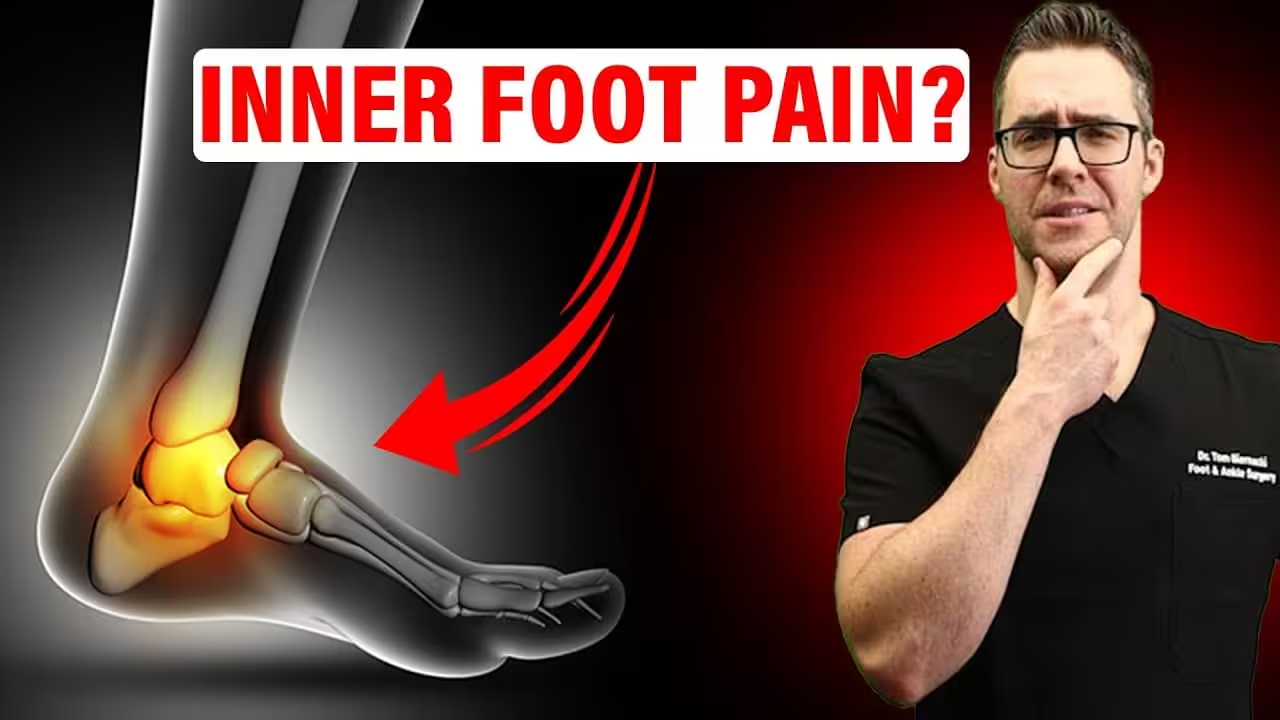
Watch: Inside of the Ankle Pain [Posterior Tibial Tendonitis Treatment] — MichiganFootDoctors YouTube
Top orthotic for flat feet — lifts the collapsed arch and controls pronation.
Stability Running Shoe
New Balance Fresh Foam X 860 — designed for overpronators with flat feet.
Supportive Stability Shoe
Brooks Adrenaline GTS 25 — gold-standard stability shoe for flat feet.
As an Amazon Associate, Balance Foot & Ankle earns from qualifying purchases. Product recommendations are based on clinical experience; prices and availability shown above update live from Amazon.
When to See a Podiatrist
Painful flat feet in adults can signal posterior tibial tendon dysfunction — a progressive condition that needs early intervention to avoid surgery. Balance Foot & Ankle evaluates adult flatfoot with weight-bearing imaging and custom orthotic prescriptions. Catching PTTD at stage 1-2 makes the difference between a brace and a reconstruction.
Call Balance Foot & Ankle: (810) 206-1402 · Book online · Offices in Howell & Bloomfield Hills
Differential Diagnosis: What Else Could It Be?
Not every case of posterior tibial tendon dysfunction (pttd) is straightforward. In our clinic we routinely rule out three look-alike conditions before confirming the diagnosis. If your symptoms don’t match the classic presentation, one of these may explain the pain — which is why physical exam matters more than self-diagnosis.
| Condition | How It Differs |
|---|---|
| Congenital flat foot | Lifelong, usually bilateral, no pain, normal single-leg heel-rise test. |
| Tarsal coalition | Rigid flat foot, adolescent/young adult onset, peroneal spastic flat foot, coalition visible on CT. |
| Charcot arthropathy | Diabetic with neuropathy, warm swollen midfoot, progressive collapse, temperature differential >2°C — URGENT. |
Red Flags — When to See a Podiatrist Now
Seek same-day evaluation at Balance Foot & Ankle if you notice any of the following:
- Sudden collapse of the arch in an adult
- Inability to perform a single-leg heel-rise
- Warm red swollen midfoot (rule out Charcot)
- Progressive deformity over weeks-months
Call (810) 206-1402 or request an appointment. Our Howell and Bloomfield Hills offices reserve same-day slots for urgent foot and ankle issues.
In Our Clinic: What We See
Clinical perspective from Dr. Tom Biernacki, DPM — Balance Foot & Ankle, Howell & Bloomfield Hills, MI:
In our clinic, adult acquired flatfoot from PTTD typically presents in women over 40, often with recent weight gain or a period of increased standing. They describe medial ankle pain and progressive “collapse” of the arch on one side. The gold-standard exam finding is an inability to perform a single-leg heel-rise on the affected side — the tendon can no longer invert the heel into a rigid lever. Early PTTD is staged and treated with custom orthoses and bracing, but progressive disease (Stage III-IV) typically requires surgical reconstruction to prevent rigid deformity.
In-Office Treatment at Balance Foot & Ankle
When conservative care isn’t enough, Dr. Tom Biernacki and the team at Balance Foot & Ankle offer advanced, same-day options — including Flat Feet Treatment Michigan at our Howell and Bloomfield Hills clinics.
Same-day appointments available. Call (810) 206-1402 or book online.
Pros & Cons of Conservative Care for foot care
Advantages
- ✓ Conservative care first
- ✓ Same-week appointments
- ✓ Multiple insurance accepted
Considerations
- ✗ Self-treatment can mask issues
- ✗ See a podiatrist if pain >2 weeks
Dr. Tom’s Recommended Products for foot care
Affiliate disclosure: As an Amazon Associate, Balance Foot & Ankle earns from qualifying purchases. We only recommend products we use with patients.
Footnanny Heel Cream Dr. Tom’s Pick
Best for: Daily moisturizer for cracked heels
Ready to Get Back on Your Feet?
Same-day appointments in Howell + Bloomfield Hills. Most insurance accepted. Dr. Tom Biernacki, DPM & team.
Book Today — Same-Day Appointments Available
Call Now: (810) 206-1402
About Your Care Team at Balance Foot & Ankle
Dr. Tom Biernacki, DPM · Board-Certified Foot & Ankle Surgeon. Specializes in conservative-first care, minimally invasive bunion surgery, and complex reconstruction.
Dr. Carl Jay, DPM · Accepting new patients. Specializes in sports medicine, athletic injuries, and routine podiatric care.
Dr. Daria Gutkin, DPM, AACFAS · Accepting new patients. Specializes in surgical reconstruction and pediatric podiatry.
Locations: 4330 E Grand River Ave, Howell, MI 48843 · 43494 Woodward Ave Suite 208, Bloomfield Hills, MI 48302
Hours: Mon–Fri 8:00 AM – 5:00 PM · (810) 206-1402
In-Office Treatment at Balance Foot & Ankle
If home treatment isn’t providing relief for your flat feet and arch condition, our podiatry team at Balance Foot & Ankle can help with same-day evaluations and advanced in-office care.
Same-day appointments available. (810) 206-1402
Doctor Hoy’s Natural Pain Relief Gel
Natural topical pain relief I use in our clinic. Arnica + camphor formula — apply directly to the area 3–4x daily. ($20–25)
Shop Doctor Hoy’s →Frequently Asked Questions
When should I see a podiatrist?
If symptoms persist past 2 weeks, affect your normal activity, or are accompanied by red-flag symptoms (warmth, redness, swelling, inability to bear weight).
What does treatment cost?
Most diagnostic visits and conservative treatments are covered by Medicare and major insurers. Out-of-pocket costs vary by your specific plan.
How quickly can I get an appointment?
Most non-urgent cases see us within 5 business days. Urgent cases (sudden pain, possible fracture) typically same or next business day.
What is Foot pain?
Foot pain is a common foot/ankle condition that affects mobility and quality of life. Understanding the underlying cause is the first step in successful treatment. Our podiatrists at Balance Foot & Ankle perform a hands-on biomechanical exam, review your activity history, and use diagnostic imaging when appropriate to identify the root cause—not just treat the symptom. Many patients have been told to “rest and ice” without a deeper diagnostic workup; our approach is different.
Symptoms and warning signs
Common signs of foot pain include pain that worsens with activity, morning stiffness, swelling, tenderness when palpated, and difficulty bearing weight. If you experience sudden severe pain, inability to walk, visible deformity, numbness or color change, contact our office the same day or visit urgent care—these can signal a more serious injury such as a fracture, tendon rupture, or vascular compromise. Diabetics with any foot wound should seek same-day care.
Conservative treatment options
Most cases of foot pain respond to non-surgical care: structured rest, supportive footwear changes, custom orthotics, targeted stretching and strengthening protocols, anti-inflammatory medications when medically appropriate, and in-office procedures such as ultrasound-guided injections. We also offer advanced therapies including MLS laser therapy, EPAT/shockwave, regenerative injections, and image-guided procedures. Treatment is sequenced from least invasive to most invasive, and we explain the rationale at every step.
When is surgery considered?
Surgery is reserved for cases that fail 3-6 months of well-structured conservative care, when there is structural pathology (severe deformity, complete tear, advanced arthritis), or when imaging shows damage that will not heal without intervention. Our surgeons have performed 3,000+ foot and ankle procedures and prioritize minimally-invasive techniques whenever appropriate. We discuss recovery timelines, return-to-activity milestones, and realistic outcome expectations before any procedure is scheduled.
Recovery timeline and prevention
Recovery from foot pain varies based on severity and chosen treatment path. Conservative cases often improve within 4-8 weeks with consistent adherence to the protocol. Post-procedural recovery may range from a few days (in-office procedures) to several months (reconstructive surgery). Long-term prevention involves footwear assessment, activity modification, structured strengthening, and regular check-ins with your podiatrist if you have a history of recurrence. We provide written home-exercise plans and digital follow-up support.
Ready to feel better?
Same-week appointments available in Howell and Bloomfield Hills, Michigan.
Book Your VisitOur podiatrists treat the underlying cause, not just the symptom. Same-week appointments at our Howell and Bloomfield Hills, Michigan offices.
Ready for Expert Care?
Same-day appointments in Howell & Bloomfield Hills, MI.
4.9★ | 1,123 Reviews | 3,000+ Surgeries
Or call: (810) 206-1402

Dr. Tom Biernacki, DPM is a board-certified foot & ankle surgeon (ABFAS & ABPM) at Balance Foot & Ankle Specialists in Southeast Michigan. With over a decade of clinical experience, he specializes in heel pain, bunions, diabetic foot care, sports injuries, and minimally invasive surgery. Dr. Biernacki is a member of the APMA and ACFAS, and his patient education content on MichiganFootDoctors.com and YouTube has made him one of the most-followed foot & ankle educators on YouTube.