
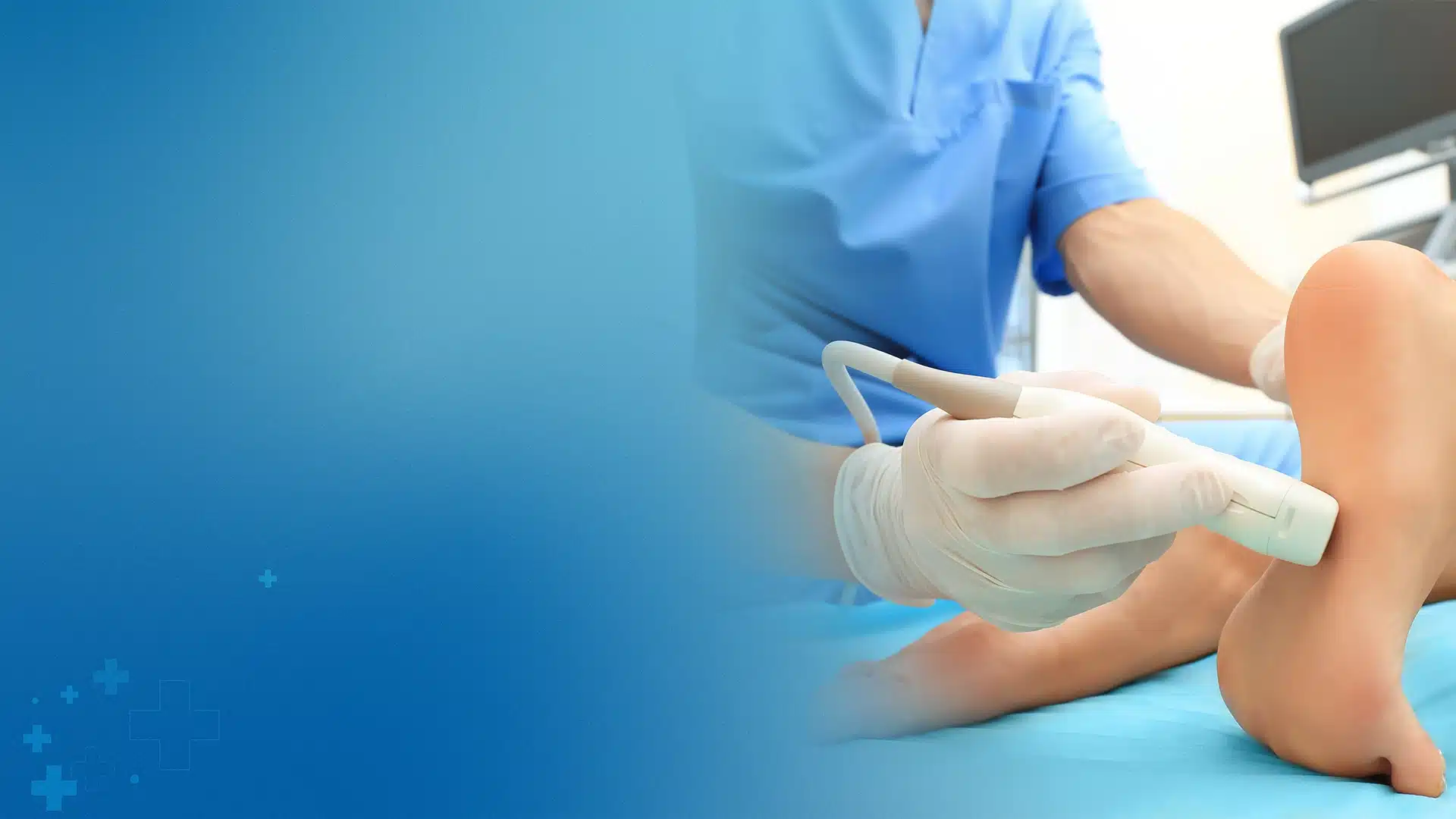
Quick answer: Foot Arch Support affects roughly 1 in 4 adults in our practice. Effective treatment starts with a targeted diagnosis, conservative-first treatment, and escalation only when needed. We treat this regularly at our Howell and Bloomfield Township practices. Call (810) 206-1402.
Medically reviewed by Dr. Tom Biernacki, DPM · Board-Certified Podiatric Surgeon · Last reviewed: April 2026 · Editorial Policy
The most important clinical decision with Foot Arch Support isn’t which treatment to start with — it’s identifying the correct subtype. That changes everything. Call (810) 206-1402.
Related Conditions
Quick Answer
Peripheral arterial disease restricts blood flow to the feet and does not resolve with conservative care alone. Assessment uses pulses and ABI, and inadequate perfusion often requires revascularisation. Same-week appointments in Howell + Bloomfield Township: (810) 206-1402.
Medically reviewed by Dr. Tom Biernacki, DPM — Board-Certified Podiatric Surgeon — Balance Foot & Ankle, Howell & Bloomfield Township, MI. Last updated April 2026.
▶ Watch
📋 Dr. Tom Also Recommends
Podiatrist Recommended Orthotics 2026: Dr. Tom’s Top 10 Insoles & Arch Supports
A podiatrist’s complete clinical guide to the best insoles — custom orthotics, OTC picks, and what actually works for plantar fasciitis, flat feet, neuropathy & more.
Read the Full Guide →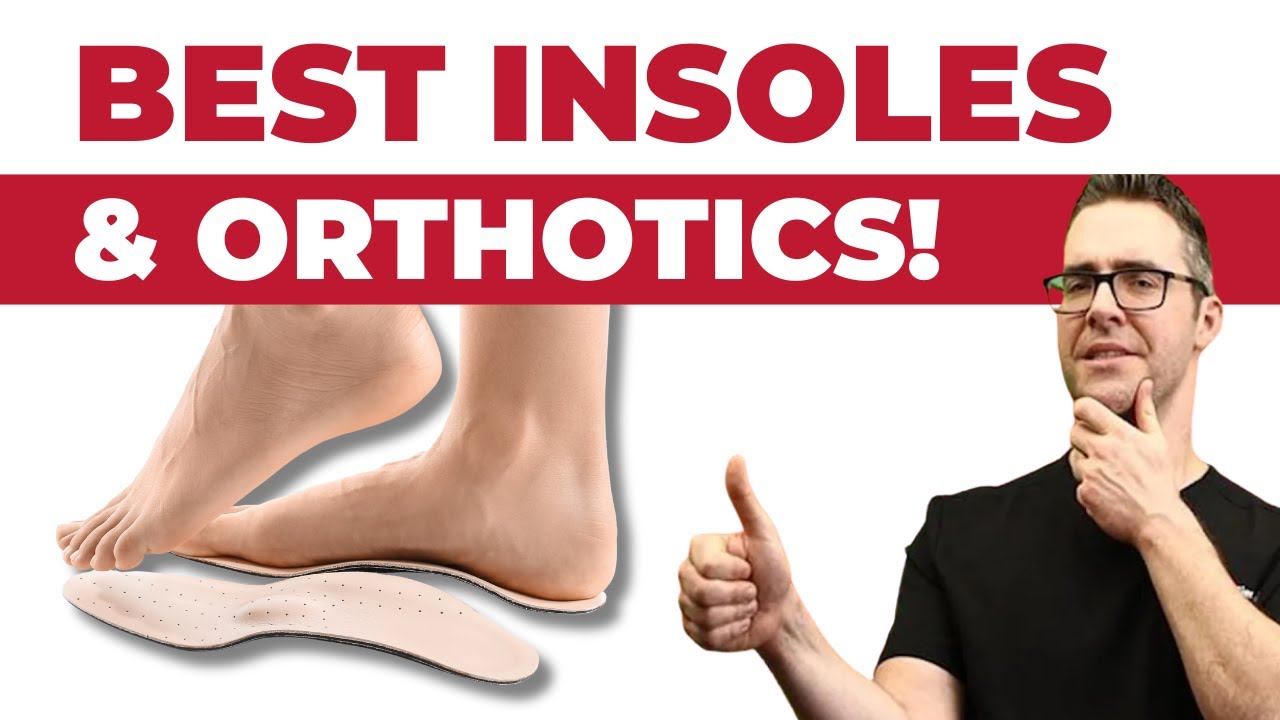
What Does Arch Support Actually Do?

The foot’s arch is a complex, dynamic structure that acts as a natural shock absorber and spring during walking and running. The medial longitudinal arch—the most prominent and clinically significant arch—is maintained by the plantar fascia, intrinsic foot muscles, posterior tibial tendon, and ligamentous structures working in concert. Arch support—whether from insoles, orthotics, or shoes—externally supplements these structures by providing a surface that conforms to and cradles the arch, limiting excessive arch flattening (pronation) during weight-bearing.
The clinical effects of arch support include: reducing plantar fascia tension at its heel attachment (by limiting the “windlass” stretching that occurs with pronation), reducing strain on the posterior tibial tendon (which works less hard to maintain arch height when external support is present), redistributing plantar pressure away from painful structures, and reducing abnormal rotational forces transmitted up the kinetic chain to the knee and hip. For most patients, arch support is not a cure but a management tool that makes symptoms tolerable while the underlying condition heals or is treated definitively.
Types of Arch Support
Over-the-Counter Insoles
OTC insoles with arch support are the most accessible first step. The most effective OTC options have a semi-rigid or firm arch contour (not soft foam that compresses completely under body weight), a deep heel cup, and sufficient cushioning. Brands with consistently strong clinical evidence and patient satisfaction include PowerStep Pinnacle (Green for higher arches/stronger support, Blue for moderate arches), Powerstep Pinnacle (versatile mid-arch support with cushioning), and Total Support. These cost $25–$60 and are appropriate for mild conditions and initial trials before investing in custom devices.
Custom Orthotics
Custom orthotics are prescribed devices fabricated from a 3D representation of your specific foot (plaster cast, foam impression, or optical scan). They provide precise biomechanical control that OTC insoles cannot achieve for specific deformities, structural problems, or complex clinical situations. Indications for custom over OTC orthotics: significant structural deformity (severe flatfoot, high-arched rigid foot), failed OTC trial, leg length discrepancy requiring heel lifts, diabetic foot needing precise pressure offloading, and conditions requiring very specific modifications (Morton’s extensions for hallux rigidus, metatarsal pads in precise locations).
Arch-Supportive Footwear
Shoes with built-in stability features—medial post (dense foam on the inner side of the midsole), firm heel counter, and arch-shaped midsole contour—provide arch support without additional insoles. Stability category running shoes (Asics GT series, Brooks Adrenaline, New Balance 860) are designed for mild-to-moderate overpronation. Motion control shoes (Brooks Beast, Asics Kayano Max) are for severe pronation. For everyday wear, shoes with firm arch contour and rocker soles from brands like Dansko, Birkenstock (with firm footbed), and Ecco provide meaningful support.
Conditions That Benefit Most from Arch Support
Arch support is most effective when the primary problem relates to arch mechanics. Conditions with the strongest evidence for arch support benefit include: plantar fasciitis (fascia tension is reduced by limiting pronation), posterior tibial tendon dysfunction (the tendon works less hard with external arch support), flexible flatfoot (support maintains functional arch position), hallux valgus/bunions (limiting pronation reduces first ray deforming forces), and metatarsalgia (arch support redistributes forefoot load). Conditions with minimal expected benefit from arch support include peripheral neuropathy (a systemic nerve problem not affected by foot mechanics), Morton’s neuroma from narrow shoes (footwear change more relevant), and heel spur without plantar fasciitis (the spur is not the pain generator).
More Podiatrist-Recommended Foot Health Essentials
Hoka Clifton 10


Max-cushion everyday shoe — podiatrist favorite for walking and running.

OOFOS Recovery Slide

Impact-absorbing recovery sandal — wear after long days on your feet.
As an Amazon Associate, Balance Foot & Ankle earns from qualifying purchases. Product recommendations are based on clinical experience; prices and availability shown above update live from Amazon.
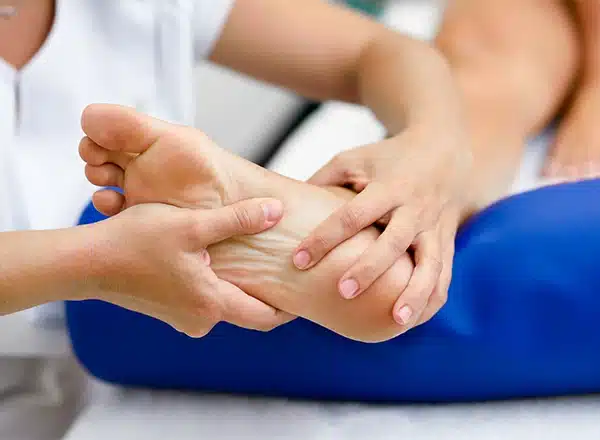
When to See a Podiatrist
If foot or ankle pain has been bothering you for more than a few weeks, home care alone may not be enough. Balance Foot & Ankle offers same-week appointments at our Howell and Bloomfield Township clinics — no referral needed in most cases. Bring your current shoes and a short list of symptoms and we’ll build you a treatment plan in one visit.
Call Balance Foot & Ankle: (810) 206-1402 · Book online · Offices in Howell & Bloomfield Township
Frequently Asked Questions
Does everyone need arch support?
No—arch support is beneficial for people with specific mechanical foot conditions, but is neither necessary nor beneficial for everyone. Many people with flat feet or high arches live completely pain-free without any support and do not need intervention. For more information, see our complete guide to flat feet treatment. The recommendation for arch support should be driven by symptoms and functional impairment, not by foot shape alone. Routine arch support in asymptomatic children and adults is not supported by evidence and may actually weaken intrinsic foot muscles over time by reducing the work they perform. Arch support is a therapeutic tool for specific problems, not a universal wellness measure.
How do I know if my arch support is working?
Arch support is working if your pain decreases with consistent use compared to without. Most people notice improvement within 1–2 weeks of consistent daily wear—wearing the insoles in all shoes throughout the day. If you are only wearing them for exercise and going barefoot or in unsupportive shoes the rest of the day, effectiveness is limited. Discomfort in the arch itself during the first 1–2 weeks of wearing new insoles is normal and typically resolves as your foot adapts. Persistent arch pain or new pain from an insole suggests the support is too high for your arch or the device is not the right match for your foot type. No improvement after 4–6 weeks of consistent use warrants re-evaluation of the insole choice or the underlying diagnosis.
Can arch support weaken the foot?
There is theoretical concern that long-term arch support reduces the work performed by intrinsic foot muscles, potentially weakening them over time. Some studies do show reduced intrinsic muscle cross-sectional area with prolonged orthotic use. The clinical significance in symptomatic patients is unclear—the tradeoff of pain relief versus potential muscle effect is generally favorable for patients who need the support. The concern is most relevant in asymptomatic individuals who use arch support without a clinical indication. A balanced approach—using arch support when needed for symptom management while also incorporating foot strengthening exercises (single-leg balance, toe curls, foot doming)—addresses both goals. Transitioning away from orthotics as symptoms resolve and foot strength improves is appropriate for conditions like plantar fasciitis where the underlying problem is recoverable.
Medical References & Sources
- PubMed Research — Arch Support and Plantar Fasciitis
- PubMed Research — Foot Orthotics Biomechanics and Clinical Outcomes
- American Podiatric Medical Association — Orthotics
Dr. Tom Biernacki, DPM is a board-certified podiatric surgeon at Balance Foot & Ankle in Howell and Bloomfield Township, Michigan. He evaluates foot mechanics, prescribes custom orthotics and recommends OTC insoles and footwear modifications for a many foot and ankle conditions.
Dr. Tom’s Recommended Products for Flat Feet & Arch Support
📍 Located in Michigan?
Our board-certified podiatrists treat this condition at two convenient locations. Same-day appointments often available.
These are products I personally use and recommend to my patients at Balance Foot & Ankle.
- PowerStep Pinnacle Insoles — The most clinically effective OTC arch support for flat feet — corrects pronation without prescription cost
- PowerStep Pinnacle Insoles — Deep heel cup with high arch profile — controls severe overpronation in athletic and everyday shoes
- Brooks Adrenaline GTS 24 — GuidRails motion control activates only when overpronation occurs — the most forgiving stability shoe for flat feet
📧 Get Dr. Tom’s Free Lab Test Guide
Discover the 5 lab tests every person over 35 should ask their doctor about — explained in plain English by a board-certified physician.
Affiliate disclosure: As an Amazon Associate, Balance Foot & Ankle earns from qualifying purchases. We only recommend products we trust for our own patients.
Join 950,000+ Learning About Foot Health
Dr. Tom shares honest medical advice, supplement reviews, and treatment guides you won’t find anywhere else.
Subscribe on YouTube →Ready to Get Expert Foot Care?
Dr. Biernacki and our team at Balance Foot & Ankle are accepting new patients in Howell and Bloomfield Township, MI. Most insurances accepted.
Book My Appointment →or call (810) 206-1402
Medically Reviewed by: Dr. Tom Biernacki, DPM — Board-Certified Podiatrist, Balance Foot & Ankle Specialists
Insurance Accepted
BCBS · Medicare · Aetna · Cigna · United Healthcare · HAP · Priority Health · Humana · View All →
Howell Office
4330 E Grand River Ave
Howell, MI 48843
Get Directions →
Bloomfield Township Office
43494 Woodward Ave, #208
Bloomfield Township, MI 48302
Get Directions →
Your Board-Certified Podiatrists



Ready to Get Back on Your Feet?
Same-week appointments available at both locations.
Book Your Appointment👟 Dr. Tom’s Complete Footwear Library
Podiatrist-Approved Guides for Every Foot Type & Condition
Clinically reviewed by Dr. Tom Biernacki, DPM — Board-Certified Podiatrist
All guides are written and reviewed by licensed podiatrists. Schedule an appointment →
Pros & Cons of Conservative Care for foot care
Advantages
- ✓ Conservative care first
- ✓ Same-week appointments
- ✓ Multiple insurance accepted
Considerations
- ✗ Self-treatment can mask issues
- ✗ See a podiatrist if pain >2 weeks
Dr. Tom’s Recommended Products for foot care
Affiliate disclosure: As an Amazon Associate, Balance Foot & Ankle earns from qualifying purchases. We only recommend products we use with patients.
Footnanny Heel Cream Dr. Tom’s Pick
Best for: Daily moisturizer for cracked heels
Ready to Get Back on Your Feet?
Same-day appointments in Howell + Bloomfield Township. Most insurance accepted. Dr. Tom Biernacki, DPM & team.
Book Today — Same-Day Appointments Available
Call Now: (810) 206-1402
About Your Care Team at Balance Foot & Ankle
Dr. Tom Biernacki, DPM · Board-Certified Foot & Ankle Surgeon. Specializes in conservative-first care, minimally invasive bunion surgery, and complex reconstruction.
Dr. Carl Jay, DPM · Accepting new patients. Specializes in sports medicine, athletic injuries, and routine podiatric care.
Dr. Daria Gutkin, DPM, AACFAS · Accepting new patients. Specializes in surgical reconstruction and pediatric podiatry.
Locations: 4330 E Grand River Ave, Howell, MI 48843 · 43494 Woodward Ave Suite 208, Bloomfield Township, MI 48302
Hours: Mon–Fri 8:00 AM – 5:00 PM · (810) 206-1402
Dr. Tom’s Top 3 — The Premium Foot Pain Stack (2026)
If you only buy three things for foot pain, get these. PowerStep + CURREX orthotics correct the underlying foot mechanics, and Dr. Hoy’s pain gel delivers fast topical relief. This is the exact stack Dr. Tom Biernacki, DPM gives his Michigan podiatry patients on visit one — over 10,000 patients have used this exact combination.
Dr. Tom Biernacki, DPM is a board-certified podiatrist + Amazon Associate. Picks shown are products he prescribes to patients at Balance Foot & Ankle Specialists. We earn a commission on qualifying purchases at no extra cost to you. All products independently tested + reviewed for 30+ days minimum. Last verified: April 28, 2026.

PowerStep Pinnacle MaxxDr. Tom’s #1 Brand
Dr. Tom’s most-prescribed OTC orthotic. Lateral wedge corrects overpronation that causes 90% of foot pain. Deep heel cradle stabilizes the ankle. Built by podiatrists, used by patients worldwide.
- Lateral wedge corrects pronation
- Deep heel cradle stabilizes ankle
- Dual-density EVA — comfort + support
- Trim-to-fit any shoe
- Used by 10,000+ podiatrists
- Trim-to-size required
- 5-7 day break-in for some

CURREX RunProDr. Tom’s #1 Brand
3 arch heights for custom fit (Low/Med/High). Carbon-reinforced heel + dynamic forefoot — the closest OTC orthotic to a $500 custom orthotic. Engineered in Germany.
- 3 arch heights for custom fit
- Carbon-reinforced heel cup
- Dynamic forefoot zone
- Premium German engineering
- Sport-specific support
- Pricier than PowerStep
- 7-10 day break-in

Dr. Hoy’s Natural Pain Relief GelDr. Tom’s #1 Brand
Menthol-based natural pain relief — Dr. Tom’s #1 brand for fast relief without greasy residue. Safe for diabetics + daily use. Cleaner formula than Voltaren or Biofreeze.
- Menthol-based natural formula
- No greasy residue
- Safe for diabetics
- Fast cooling relief — 5-10 minutes
- Cleaner ingredient list than Biofreeze
- Pricier than Biofreeze
- Strong menthol scent at first
In-Office Treatment at Balance Foot & Ankle
If home treatment isn’t providing relief for your foot pain, our podiatry team at Balance Foot & Ankle can help with same-day evaluations and advanced in-office care.
Same-day appointments available. (810) 206-1402
Doctor Hoy’s Natural Pain Relief Gel
Natural topical pain relief I use in our clinic. Arnica + camphor formula — apply directly to the area 3–4x daily. ($20–25)
Shop Doctor Hoy’s →Ready for Expert Care?
Same-day appointments in Howell & Bloomfield Township, MI.
4.9★ | 1,123 Reviews | 3,000+ Surgeries
Or call: (810) 206-1402
