
Toenail discoloration has 6 main causes — fungus, trauma, polish staining, melanoma, psoriasis, or systemic disease. The exact color and pattern narrow it down, and the right diagnosis matters.
You’ve come to the right podiatry team. Dr. Tom Biernacki, DPM, FACFAS — board-certified foot & ankle surgeon with 3,000+ surgeries — explains exactly what toenail discoloration causes means and what works. Book online or call (810) 206-1402 for same-day appointment at Howell or Bloomfield Township.
Quick answer:Toenail discoloration — yellow, brown, white, green, or black — is most often from fungal infection, injury, or staining by polish, and only rarely from something serious like melanoma. Our Michigan podiatrists identify the cause and treat it, and evaluate any dark streak promptly. Book online, or call (810) 206-1402.
Medically reviewed by Dr. Tom Biernacki, DPM · Board-Certified Podiatric Surgeon · Last reviewed: April 2026 · Editorial Policy
The most important clinical decision with Toenail Discoloration Causes Michigan isn’t which treatment to start with — it’s identifying the correct subtype. That changes everything. Call (810) 206-1402.
Quick Answer
Toenail Discoloration Causes 2026: When to Worry DPM relates to toenail conditions — typically caused by fungal infection or trauma. Most patients improve in 6-12 months for nail regrowth with conservative care. Same-week appointments in Howell + Bloomfield Township: (810) 206-1402.

Medically reviewed by Dr. Tom Biernacki, DPM — Board-Certified Podiatric Surgeon — Balance Foot & Ankle, Howell & Bloomfield Township, MI. Last updated April 2026.
Last Updated: March 2026 | Reading Time: 7 min
This article is for informational purposes only and does not replace professional medical advice. Schedule an appointment for personalized care.
Watch: Toenail Discoloration Explained
Watch Dr. Tom explain what different toenail colors mean and when to see a podiatrist:
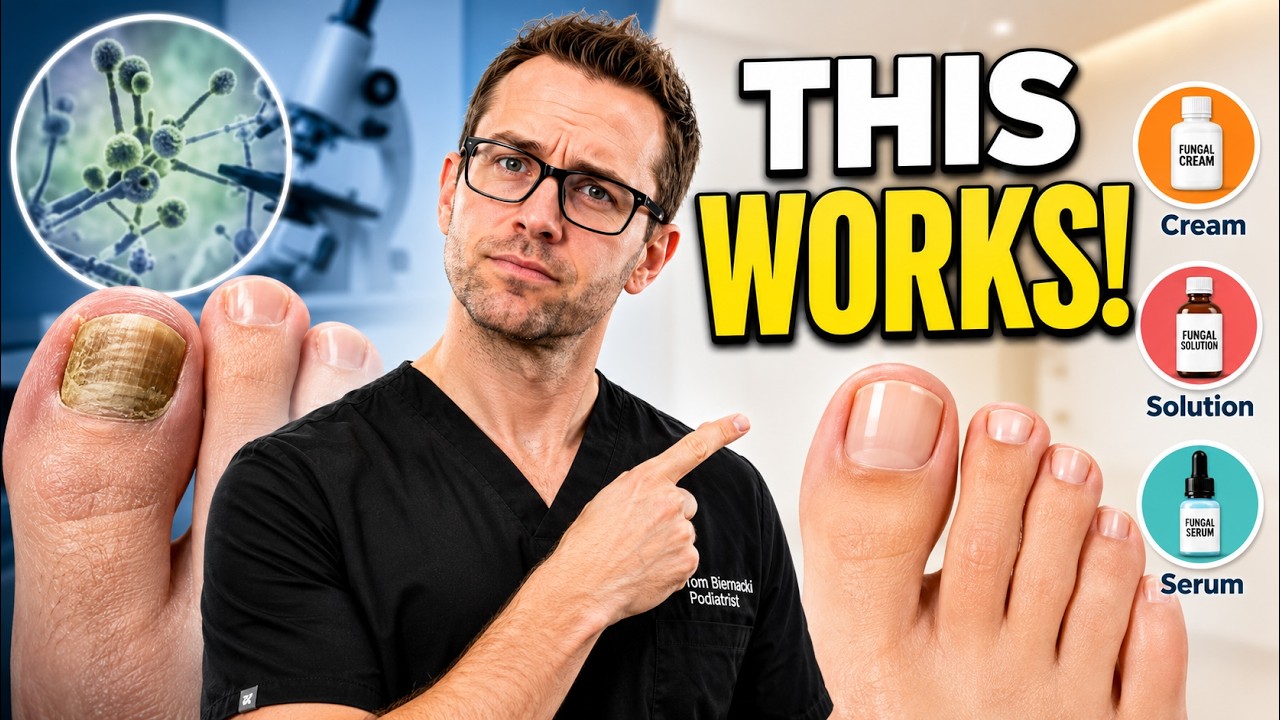
Toenail discoloration — nails that change to yellow, black, white, green, or brown — is one of the most common concerns bringing patients to Balance Foot & Ankle in Southeast Michigan. While some nail color changes are cosmetic nuisances, others signal systemic disease, infection, or rarely, malignancy. Dr. Tom Biernacki provides a clear, practical explanation of what different nail colors typically mean and when evaluation is warranted.
Yellow Toenails
Yellow nails are most commonly caused by onychomycosis (toenail fungal infection), the most prevalent nail disorder in adults. Fungal nails are yellow to brownish, thick, crumbly, and often have a subungual (under-nail) debris accumulation. They may lift away from the nail bed (onycholysis). Diagnosis is confirmed by nail clipping culture or PCR test — treatment depends on the extent of involvement and patient health factors. Other causes of yellow nails include: nail polish staining (the most benign cause — resolves with a break from polish use); psoriasis (which also causes pitting and oil spots on the nail); yellow nail syndrome (a rare condition associated with lymphedema and pulmonary disease); thyroid disorders; and prolonged use of tetracycline antibiotics.
Black Toenails
Black (or dark red-brown) toenails are most commonly caused by subungual hematoma — blood under the nail from trauma or repetitive microtrauma in runners (runner’s toe). Traumatic hematoma is usually identifiable by clear preceding injury or activity history and fills a large portion of the nail uniformly, growing out with the nail over months. The critical “can’t miss” cause of a dark nail without clear traumatic cause is subungual melanoma — a malignant melanoma under the nail that appears as an irregular, streaky dark band (melanonychia striata) that does not grow out, may extend onto the nail fold (Hutchinson’s sign), and requires biopsy. Any dark nail pigmentation without a plausible traumatic cause should be evaluated by a podiatrist or dermatologist.
White Toenails
White nail discoloration has several patterns with different causes. Superficial white onychomycosis (white patches on the nail surface that can be scraped off) is a fungal infection of the surface nail keratin — treated topically. White lines across the nail (Mees’ lines or Beau’s lines) reflect systemic stressors — major illness, chemotherapy, arsenic poisoning, or severe nutritional deficiency — that interrupted nail growth temporarily; these lines grow out over months. Complete white nails (leukonychia totalis) may be genetic or associated with liver disease (Terry’s nails, where the proximal nail is white with a narrow pink band at the tip) or other systemic conditions. Apparent leukonychia (where the nail appears white due to changes in the nail bed, not the nail plate itself) may indicate renal disease, cirrhosis, or hypoalbuminemia.
Green and Other Color Toenails
Green nails (chloronychia) are characteristically caused by Pseudomonas aeruginosa bacterial infection under a lifted nail — the green pigment (pyocyanin) is produced by the bacteria. This typically develops when moisture accumulates under a chronically detached nail plate. Pseudomonas nail infection requires treatment with an antiseptic (dilute bleach solution soaks, topical ciprofloxacin, or in some cases oral antibiotics). Brown or orange nails may indicate nicotine staining, contact with certain dyes or chemicals, or fungal infection. Blue or grey nails suggest medication effects (minocycline, antimalarials) or in rare cases systemic conditions causing nail discoloration from medications or pigment deposition.
More Podiatrist-Recommended Foot Health Essentials
Hoka Clifton 10

![Tea Tree Oil Toenail Fungus Home Treatment [Doctor Cure!]](https://www.michiganfootdoctors.com/wp-content/cache/flying-press/a434e04a532dc4826563b11aa0541dd4.jpg)
Watch: Tea Tree Oil Toenail Fungus Home Treatment [Doctor Cure!] — MichiganFootDoctors YouTube
Max-cushion everyday shoe — podiatrist favorite for walking and running.

OOFOS Recovery Slide

Impact-absorbing recovery sandal — wear after long days on your feet.
As an Amazon Associate, Balance Foot & Ankle earns from qualifying purchases. Product recommendations are based on clinical experience; prices and availability shown above update live from Amazon.

When to See a Podiatrist
If foot or ankle pain has been bothering you for more than a few weeks, home care alone may not be enough. Balance Foot & Ankle offers same-week appointments at our Howell and Bloomfield Township clinics — no referral needed in most cases. Bring your current shoes and a short list of symptoms and we’ll build you a treatment plan in one visit.
Call Balance Foot & Ankle: (810) 206-1402 · Book online · Offices in Howell & Bloomfield Township
Frequently Asked Questions
How do I know if my yellow toenail is fungal?
Fungal toenails are typically thick, crumbly, yellow to brownish, may lift away from the nail bed, and often have a debris buildup underneath. They usually affect one nail first and may spread to adjacent nails over time. However, clinical appearance alone cannot confirm fungus — nail psoriasis, trauma, and other conditions look identical. Confirmation requires a nail clipping sent for fungal culture or PCR testing. Starting antifungal treatment without a confirmed diagnosis risks treating a non-fungal condition ineffectively.
When should I see a doctor for a discolored toenail?
Seek evaluation for: any dark streak (melanonychia striata) under a nail without clear traumatic cause; nail discoloration in a patient with diabetes (infection risk); green nail (possible Pseudomonas infection); nail changes accompanied by pain, swelling, or discharge; nail discoloration that has persisted or worsened over months without improvement; or nail changes in multiple nails simultaneously (may suggest systemic cause). Yellow nails from apparent nail polish staining that resolve after a few weeks of polish-free time are typically benign and do not require evaluation.
Is toenail discoloration evaluation covered by insurance?
Yes. Evaluation of toenail pathology, including nail clipping for diagnostic culture, is covered by most insurance plans including Medicare when there is a medical indication. Nail debridement (trimming and reducing thickened fungal nails) is also covered by Medicare for patients with qualifying systemic conditions including diabetes, peripheral neuropathy, and peripheral vascular disease. Call our office to verify your specific coverage before scheduling.
Don’t guess at toenail discoloration — get an accurate diagnosis. Contact Balance Foot & Ankle to schedule an evaluation with Dr. Biernacki in Southeast Michigan.
Dr. Tom’s Recommended Products for Toenail Problems
📍 Located in Michigan?
Our board-certified podiatrists treat this condition at two convenient locations. Same-day appointments often available.
These are products I personally use and recommend to my patients at Balance Foot & Ankle.
- Nail Tek Intensive Therapy II — Restores brittle, discolored, and damaged nails — base coat that strengthens nail plate after trauma or fungal damage
- Kerasal Fungal Nail Renewal — Visibly improves nail appearance for both fungal and non-fungal discoloration within 8 weeks
- Professional Toenail Clipper — Harperton Nail Nipper — Stainless steel curved jaw cuts thick or ingrown toenails cleanly — prevents nail trauma and subungual hematoma
📧 Get Dr. Tom’s Free Lab Test Guide
Discover the 5 lab tests every person over 35 should ask their doctor about — explained in plain English by a board-certified physician.
Affiliate disclosure: As an Amazon Associate, Balance Foot & Ankle earns from qualifying purchases. We only recommend products we trust for our own patients.
Join 950,000+ Learning About Foot Health
Dr. Tom shares honest medical advice, supplement reviews, and treatment guides you won’t find anywhere else.
Subscribe on YouTube →In-Office Toenail Evaluation at Balance Foot & Ankle
Toenail discoloration can indicate fungal infection, trauma, psoriasis, melanoma, or systemic disease. At our Howell and Bloomfield Township offices, we use dermoscopic examination and nail culture to identify the exact cause and prescribe targeted treatment.
Learn more about our toenail fungus laser treatment.
Dr. Tom’s Recommended Products for Toenail Health
- Doctor Hoy’s Natural Pain Relief Gel — Natural topical pain relief for sore nail beds. Arnica + camphor formula.
- PowerStep Pinnacle Insoles — Proper fit reduces toenail trauma from shoe pressure — the #1 cause of runner’s toe discoloration.
Shop all Dr. Tom’s recommended products →
Disclosure: We may earn a commission from purchases made through these links at no extra cost to you.
Related Guides
Concerned About Your Toenail Color?
Dark streaks, persistent yellowing, or nail changes that don’t improve deserve professional evaluation. We serve patients throughout Howell (48843), Bloomfield Township (48302), and surrounding Michigan communities.
Medically Reviewed by: Dr. Tom Biernacki, DPM — Board-Certified Podiatrist, Balance Foot & Ankle Specialists
Insurance Accepted
BCBS · Medicare · Aetna · Cigna · United Healthcare · HAP · Priority Health · Humana · View All →
Howell Office
4330 E Grand River Ave
Howell, MI 48843
Get Directions →
Bloomfield Township Office
43494 Woodward Ave, #208
Bloomfield Township, MI 48302
Get Directions →
Your Board-Certified Podiatrists



Ready to Get Back on Your Feet?
Same-week appointments available at both locations.
Book Your AppointmentPros & Cons of Conservative Care for toenail conditions
Advantages
- ✓ Most cases resolve at home
- ✓ Same-week appointments available
- ✓ Permanent fix exists
Considerations
- ✗ Recurrence common without prevention
- ✗ Diabetics need professional care
Dr. Tom’s Recommended Products for toenail conditions
Affiliate disclosure: As an Amazon Associate, Balance Foot & Ankle earns from qualifying purchases. We only recommend products we use with patients.
Tolcylen Antifungal Solution Dr. Tom’s Pick
Best for: Most effective topical for fungus
Ready to Get Back on Your Feet?
Same-day appointments in Howell + Bloomfield Township. Most insurance accepted. Dr. Tom Biernacki, DPM & team.
Book Today — Same-Day Appointments Available
Call Now: (810) 206-1402
About Your Care Team at Balance Foot & Ankle
Dr. Tom Biernacki, DPM · Board-Certified Foot & Ankle Surgeon. Specializes in conservative-first care, minimally invasive bunion surgery, and complex reconstruction.
Dr. Carl Jay, DPM · Accepting new patients. Specializes in sports medicine, athletic injuries, and routine podiatric care.
Dr. Daria Gutkin, DPM, AACFAS · Accepting new patients. Specializes in surgical reconstruction and pediatric podiatry.
Locations: 4330 E Grand River Ave, Howell, MI 48843 · 43494 Woodward Ave Suite 208, Bloomfield Township, MI 48302
Hours: Mon–Fri 8:00 AM – 5:00 PM · (810) 206-1402
When Toenail Issues Become Medical Emergencies
Most toenail problems are cosmetic or mild — but a few warrant urgent podiatrist attention: any black streak that wasn’t caused by trauma (rule out subungual melanoma), rapidly spreading redness (cellulitis or paronychia), throbbing pain that wakes you at night (possible infection or ingrown nail), and any toenail issue in a diabetic patient. We see same-day appointments at Balance Foot & Ankle for these red flags.
For chronic fungus or thickening, FDA-cleared in-office laser treatment now achieves clear-nail rates of 70-80% with no oral medication side effects. Most patients see visible improvement within 6 months.
Frequently Asked Questions
How long does it take a toenail to grow back?
6-12 months for a full big toenail. Smaller toenails 4-6 months. Speed varies with age, circulation, and nutrition.
Will this affect other nails?
Trauma affects only the injured nail. Fungal infection can spread without treatment. Systemic causes affect multiple nails simultaneously.
Should I cover the nail or leave it open?
Cover with a breathable bandage during work or activity. Leave open at night for healing. Keep dry and clean.
In-Office Treatment at Balance Foot & Ankle

If home treatment isn’t providing relief for your toenail fungus, our podiatry team at Balance Foot & Ankle can help with same-day evaluations and advanced in-office care.
Same-day appointments available. (810) 206-1402
Our podiatrists treat the underlying cause, not just the symptom. Same-week appointments at our Howell and Bloomfield Township, Michigan offices.
Ready for Expert Care?
Same-day appointments in Howell & Bloomfield Township, MI.
4.9★ | 1,123 Reviews | 3,000+ Surgeries
Or call: (810) 206-1402
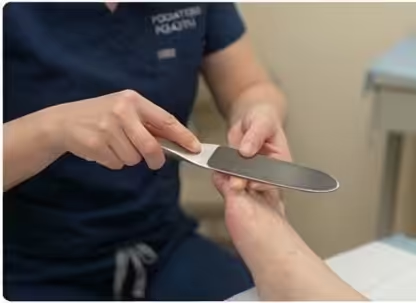
Want a safer alternative to the nail salon? See our medical pedicure → — performed in-office with sterile instruments, and safe for diabetic, thick or fungal nails.

Dr. Tom Biernacki, DPM is a board-certified foot & ankle surgeon (ABFAS & ABPM) at Balance Foot & Ankle Specialists in Southeast Michigan. With over a decade of clinical experience, he specializes in heel pain, bunions, diabetic foot care, sports injuries, and minimally invasive surgery. Dr. Biernacki is a member of the APMA and ACFAS, and his patient education content on MichiganFootDoctors.com and YouTube has made him one of the most-followed foot & ankle educators on YouTube.