
![What Causes Toenail Fungus & Onychomycosis? [Types Of Toenail Fungus] | Balance Foot & Ankle](https://www.michiganfootdoctors.com/uploads/2023/04/what-causes-toenail-fungus-onychomycosis-types-of-toenail-fungus.avif)
Quick answer: Treatment for toenail fungus onychomycosis complete treatment guide follows a stepwise approach: 1) conservative care first (rest, ice, supportive footwear, OTC anti-inflammatories), 2) physical therapy and targeted exercises, 3) in-office treatments (injections, custom orthotics) if conservative fails at 4-6 weeks, 4) surgery for refractory cases. Most patients resolve at step 1 or 2. Call (810) 206-1402.
Medically reviewed by Dr. Tom Biernacki, DPM — Board-Certified Podiatric Surgeon — Balance Foot & Ankle, Howell & Bloomfield Township, MI. Last updated April 2026.
▶ Watch
Medically Reviewed by Dr. Tom Biernacki, DPM — Board-Certified Podiatrist, Balance Foot & Ankle Specialists, Michigan. Last updated April 2026.
Medically Reviewed by:
Dr. Tom Biernacki, DPM
— Board-Certified Podiatrist
Last Updated:
March 2026 |
Reading Time:
14 min
This article is for informational purposes only and does not replace professional medical advice. Schedule an appointment for personalized care.
The most important clinical decision with Toenail Fungus Onychomycosis Complete Treatment Guide isn’t which treatment to start with — it’s identifying the correct subtype. That changes everything. Call (810) 206-1402.
Toenail Fungus Won’t Go Away on Its Own — Here’s What Actually Works
Toenail fungus (onychomycosis) is a progressive infection that never spontaneously resolves. In our clinic, I see patients who have lived with fungal nails for 5, 10, even 20 years — often because they assumed it was cosmetic or tried treatments that were never going to work for their stage of infection. The reality is that toenail fungus is highly treatable, but the right treatment depends entirely on how advanced the infection is. Early-stage fungus responds to topical treatments. Moderate-to-severe fungus requires oral medication or laser therapy. Here’s the complete clinical guide to getting clear nails.
Watch Dr. Tom Explain Toenail Fungus Treatment
Watch Dr. Tom explain the treatment ladder from home remedies to laser — and how to choose the right approach for your infection:
Book an appointment | (810) 206-1402 — Howell & Bloomfield Township, MI
The Most Common Mistake: OTC Cream on a Thick, Lifted Nail
The mistake I see in our clinic every single week: patients who spend months — sometimes years — applying over-the-counter antifungal cream to a nail that’s already thick, crumbly, and lifted from the bed. OTC topical antifungals have a cure rate below 10% for moderate-to-severe onychomycosis. The reason is simple physics: the fungus lives deep within and beneath the nail plate. A topical cream cannot penetrate a nail that’s 3–4mm thick. Patients waste months and hundreds of dollars on creams when they needed oral terbinafine or laser from the start.
The second most common mistake: assuming it’s fungus without confirmation. About 40% of dystrophic (abnormal-looking) nails are NOT fungal — they’re caused by trauma, psoriasis, or aging. Treating the wrong condition guarantees failure.
What Is Onychomycosis?
Onychomycosis is a fungal infection of the toenail caused most commonly by dermatophyte fungi (Trichophyton rubrum in 70% of cases), with Candida species and non-dermatophyte molds accounting for the remaining cases. The infection establishes itself in the nail plate and nail bed, progressively destroying normal nail structure. It affects approximately 14% of the American population and up to 50% of adults over 70.
The infection typically enters through a break in the nail seal — at the free edge, lateral nail fold, or through surface damage. Once established, fungal hyphae grow through the nail keratin, producing enzymes that break down the protein structure. Without treatment, the infection always progresses — spreading across the nail and to adjacent nails over months and years.
Recognizing Toenail Fungus: The Clinical Signs
In our clinic, I look for these specific features when evaluating a nail:
- Yellow-brown discoloration starting at the free edge or lateral border, spreading toward the cuticle — this is the classic presentation of distal-lateral subungual onychomycosis (DLSO), which accounts for 85% of cases
- Nail thickening — the nail grows abnormally thick as the fungus produces subungual debris (keratinous material under the nail)
- Subungual debris — white or yellow powdery material visible when the nail is trimmed or lifted. This is the fungal colony itself, combined with broken-down nail keratin
- Nail separation (onycholysis) — the nail lifts from the nail bed, creating a visible gap underneath. This space harbors fungal colonies protected from topical treatments
- Brittleness and crumbling — the distal nail edge becomes fragile, breaking unevenly
- Slight odor — fungal metabolic byproducts produce a musty smell, particularly when debris is dislodged
White Superficial Onychomycosis (WSO)
A distinct pattern caused by Trichophyton interdigitale that presents as chalky white patches ON the nail surface. Unlike DLSO, WSO is a surface-level infection and is the one type that responds well to topical treatment alone. The white patches can be scraped or buffed away — the infection hasn’t penetrated deep into the nail.
Confirming the Diagnosis
Clinical diagnosis of toenail fungus is accurate only 50–60% of the time. I always recommend confirming the diagnosis before starting treatment, especially before prescribing oral antifungals with potential liver effects. Methods include:
- KOH preparation: Nail clippings dissolved in potassium hydroxide and examined under microscopy. Fast results (same day) but can miss infections
- Fungal culture: The gold standard — identifies the exact species causing infection, guiding treatment selection. Takes 3–4 weeks
- PCR testing: Fastest, most sensitive option. DNA detection identifies the organism in 24–48 hours. Increasingly available
Differential Diagnosis: What Else Looks Like Toenail Fungus?
| Condition | Appearance | Key Distinguishing Feature |
|---|---|---|
| Nail Psoriasis | Pitting, oil-drop spots, onycholysis | Multiple nails simultaneously; skin plaques on knees/elbows/scalp |
| Nail Trauma (Runners) | Thickened, darkened, dystrophic | History of tight shoes or repetitive impact; single nail |
| Onychogryphosis | Dramatically curved, ram’s horn shape | Elderly patients; years of neglect; extremely thick |
| Keratin Granulations | White, chalky, rough surface | Buffs away; history of nail polish use; no thickening |
| Yellow Nail Syndrome | All nails yellow, extremely slow growth | Associated with lymphedema, respiratory issues |
| Lichen Planus | Thinning, ridging, possible nail loss | Nail gets THINNER (not thicker); purple skin lesions elsewhere |
The Treatment Ladder: Matching Severity to Treatment
Stage 1: Mild (Less than 25% of Nail Affected, No Thickening)
Treatment: Topical antifungals + nail debridement
Prescription topical options include efinaconazole (Jublia, applied daily for 48 weeks) and tavaborole (Kerydin). Clinical cure rates range from 15–30% for topical agents alone, but combining topical treatment with regular professional nail thinning improves penetration and outcomes significantly. Home remedies like Listerine or Vicks VapoRub may be reasonable for very early infections.
Stage 2: Moderate (25–75% of Nail, Some Thickening)
Treatment: Oral terbinafine (first-line) + topical
Terbinafine (Lamisil) 250mg daily for 12 weeks achieves mycological cure in 70–80% of dermatophyte infections. The nail continues improving for 6–12 months after completing the course as healthy nail grows out. Baseline liver function tests are required, with monitoring at 6 weeks. Combining oral and topical treatment increases cure rates to 80–90%.
Stage 3: Severe (More than 75%, Thick, Crumbling, Multiple Nails)
Treatment: Oral terbinafine + laser therapy + nail debridement
Severe infections benefit from multimodal treatment. Professional nail debridement removes the bulk of infected material, laser therapy targets remaining fungal cells within the nail plate, and oral medication prevents regrowth. This aggressive approach achieves the highest cure rates for advanced disease.
Laser Treatment for Toenail Fungus
Laser devices deliver targeted light energy that heats and destroys fungal cells within the nail plate without affecting surrounding tissue. Treatment is painless, requires no anesthesia, has zero systemic side effects, and takes approximately 30 minutes per session. Most patients require 3–4 sessions spaced 4–6 weeks apart. Success rates range from 65–85% depending on severity. Laser is particularly valuable for patients who cannot take oral antifungals due to liver disease or drug interactions.
Red Flags: When Toenail Fungus Needs Urgent Attention
- Diabetic patient with any nail change — fungal nails in diabetic patients create entry points for bacterial infection that can progress to cellulitis or osteomyelitis. All diabetic nail changes warrant professional evaluation within 1–2 weeks
- Spreading redness, warmth, or swelling around the nail — secondary bacterial infection (paronychia) requiring antibiotics
- Nail completely lifting off with pain — possible subungual abscess requiring drainage
- Dark streak under the nail — while usually fungal debris or trauma, a new dark longitudinal band must be evaluated to rule out subungual melanoma (rare but serious)
- Immunocompromised patients (transplant recipients, chemotherapy, HIV) — fungal infections spread faster and can become systemic
- Peripheral artery disease — reduced blood flow impairs both immune response and medication delivery to the nail; needs coordinated care
Products I Recommend During Treatment
Doctor Hoy’s Natural Pain Relief Gel
For patients with inflamed skin around fungal nails, Doctor Hoy’s Natural Pain Relief Gel provides natural topical relief using arnica and camphor — the camphor component also has mild antifungal properties. I recommend applying to the skin surrounding (not directly on) the affected nail 2–3 times daily. Not ideal for: open wounds or significantly macerated skin.
PowerStep Pinnacle Insoles
Fungus thrives in warm, moist shoe environments. PowerStep Pinnacle insoles feature moisture-wicking top covers that reduce humidity inside footwear — directly limiting the conditions fungus needs to survive and spread. The arch support also reduces toe pressure and microtrauma. Not ideal for: shoes that already have custom orthotic inserts.
Prevention: How to Stop Toenail Fungus from Coming Back
Reinfection rates are 20–25% within 2 years of successful treatment. Prevention is an ongoing commitment:
- Apply antifungal powder or spray to shoes after every wear
- Alternate between at least 2 pairs of shoes to allow 24-hour drying
- Wear moisture-wicking socks (synthetic blends, merino wool — not cotton)
- Change socks mid-day if your feet sweat
- Never share nail clippers, files, or footwear
- Wear shower sandals in public pools, gyms, and hotel showers
- Keep nails trimmed straight across, not too short
- Disinfect nail tools with rubbing alcohol after each use
- If you get pedicures, bring your own tools or verify the salon autoclaves instruments
In-Office Treatment at Balance Foot & Ankle
At our Howell and Bloomfield Township offices, we provide the full spectrum of toenail fungus treatment:
- In-office KOH and culture testing — confirm your diagnosis before committing to treatment
- Professional nail debridement — thin the nail to improve medication penetration and cosmetic appearance
- Prescription topical antifungals — Jublia, Kerydin for mild cases
- Oral terbinafine management — prescribing, liver monitoring, and follow-up
- MLS laser therapy — painless, drug-free fungal treatment for all stages
- Ongoing maintenance — regular nail care to prevent reinfection
Not improving with home treatment? Learn about our in-office toenail fungus treatment.
Same-day appointments available. (810) 206-1402 | Book online →
More Podiatrist-Recommended Fungus Essentials
Breathable Diabetic Shoe
Orthofeet Sprint — deep, breathable design reduces fungal growth.
Moisture-Wicking Sock


Watch: Tea Tree Oil Toenail Fungus Home Treatment [Doctor Cure!] — MichiganFootDoctors YouTube
OS1st FS4 — keeps feet dry, eliminating the warm-wet environment fungus needs.
Breathable Recovery Slide
HOKA Ora 3 — lets feet air out after closed-shoe exposure.
As an Amazon Associate, Balance Foot & Ankle earns from qualifying purchases. Product recommendations are based on clinical experience; prices and availability shown above update live from Amazon.
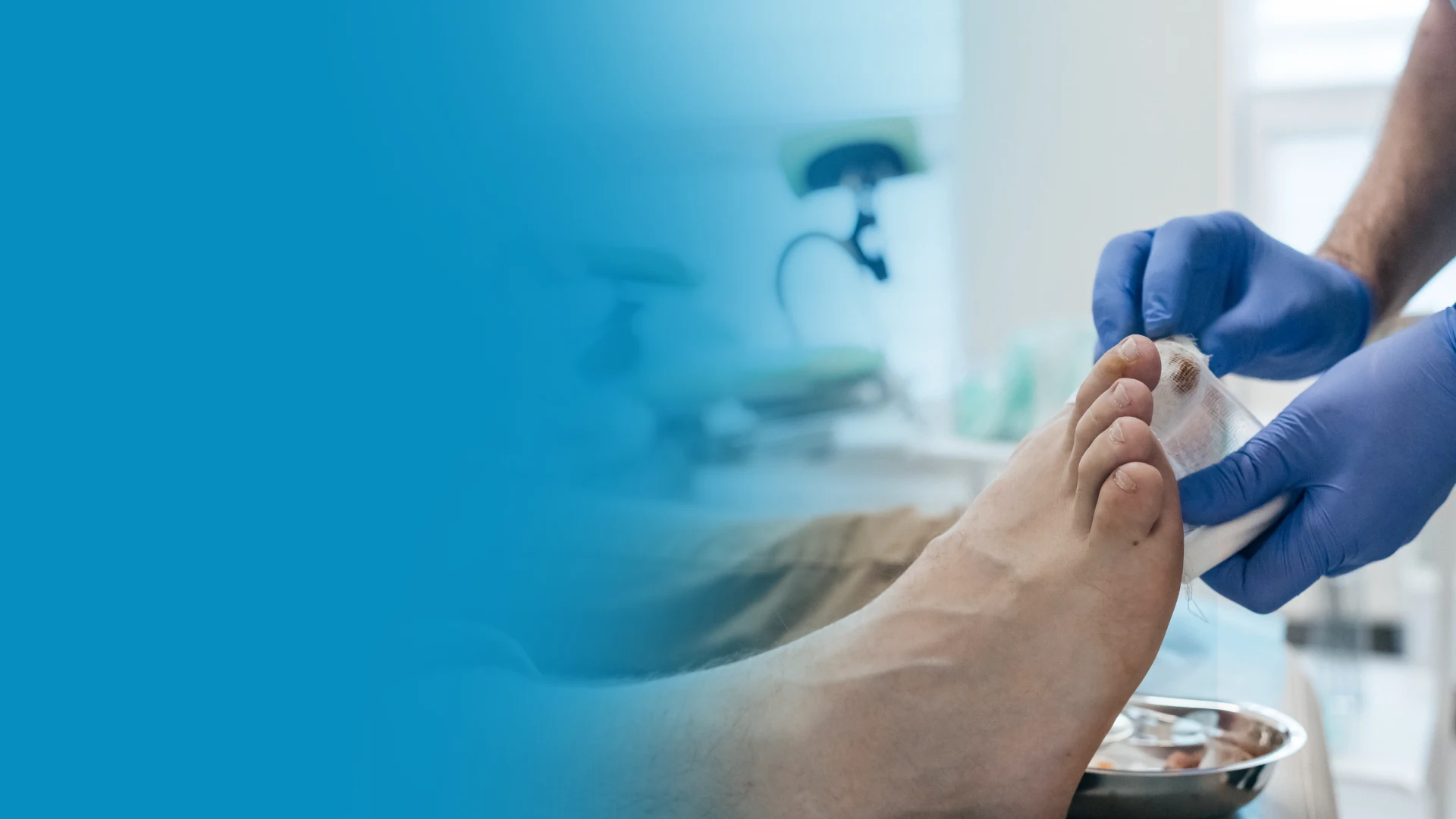
When to See a Podiatrist
Topicals only penetrate the top 30% of the nail plate — if the fungus is near the cuticle or under 50% of the nail, oral terbinafine or laser is usually required for full clearance. Balance Foot & Ankle offers in-office fungal nail diagnostics and laser treatment that reaches the nail matrix where topicals can’t. We’ll examine the nail and recommend the fastest path to clear, healthy regrowth.
Call Balance Foot & Ankle: (810) 206-1402 · Book online · Offices in Howell & Bloomfield Township
Frequently Asked Questions
Related Reading
- Listerine for Toenail Fungus: Does It Actually Work?
- Vicks VapoRub for Toenail Fungus: Podiatrist Review
- White Chalky Toenails: Keratin Granulations vs. Fungus
- Thick Toenails: 7 Causes and Treatment
- Complete Toenail Fungus Hub
- Laser Treatment for Toenail Fungus
Sources: Gupta AK et al., J Eur Acad Dermatol Venereol 2020; Lipner SR, Scher RK, JAMA 2019; Derby R et al., JABFM 2011; Elewski BE et al., J Am Acad Dermatol 2015; Gupta AK, Versteeg SG, Dermatol Ther 2017.
Balance Foot & Ankle — (810) 206-1402
Howell: 4330 E Grand River Ave, Howell, MI 48843
Bloomfield Township: 43494 Woodward Ave #208, Bloomfield Township, MI 48302
Schedule Your Appointment →
Complete Guide to Treating Toenail Fungus
Toenail fungus (onychomycosis) affects about 10% of the population, causing thick, discolored, crumbly nails. While over-the-counter treatments rarely work for established infections, professional treatment options including oral medications and laser therapy offer much higher cure rates.
Explore Professional Toenail Fungus Treatment | Book Your Appointment | Call (810) 206-1402
Clinical References
- Gupta AK, et al. Optimal management of fungal infections of the skin, hair, and nails. American Journal of Clinical Dermatology. 2004;5(4):225-237.
- Scher RK, Baran R. Onychomycosis in clinical practice: factors contributing to recurrence. British Journal of Dermatology. 2003;149(Suppl 65):5-9.
- Elewski BE. Onychomycosis: pathogenesis, diagnosis, and management. Clinical Microbiology Reviews. 1998;11(3):415-429.
Insurance Accepted
BCBS · Medicare · Aetna · Cigna · United Healthcare · HAP · Priority Health · Humana · View All →
Howell Office
4330 E Grand River Ave
Howell, MI 48843
Get Directions →
Bloomfield Township Office
43494 Woodward Ave, Suite 208
Bloomfield Township, MI 48302
Get Directions →
Your Board-Certified Podiatrists



Ready to Get Back on Your Feet?
Same-week appointments available at both locations.
Book Your AppointmentIn Our Clinic
In our clinic, the toenail fungus patient has usually already tried OTC topical antifungals for months with no improvement. We confirm the diagnosis with a PAS stain or fungal culture — because about 30 % of thickened, discolored nails are actually NOT fungal (they’re trauma, nail psoriasis, or keratin granulation from polish). For true dermatophyte onychomycosis, oral terbinafine (Lamisil) remains the most effective treatment with ~70 % cure rate and manageable safety monitoring. Nail laser and topical efinaconazole are options for patients who can’t take oral medication. The nail grows back clear over 9–12 months, not overnight.
Watch: Dr. Tom explains
Podiatrist-recommended products
As an Amazon Associate, Dr. Tom earns from qualifying purchases.
Soothing topical for inflamed nail beds.
View on Amazon →Protection for thickened fungal toenails.
View on Amazon →Supportive insoles for foot comfort during treatment.
View on Amazon →Supports healthy nail growth.
View on Amazon →Related resources
Ready to solve this? Book today.
Same-week appointments · Howell & Bloomfield Township · 4.9★ (1,123+ reviews)
☎ (810) 206-1402Book Online →Dr. Tom’s Complete Onychomycosis Product Stack
- FLAT SOCKS No-Sock Insoles — FLAT SOCKS antimicrobial inserts: eliminate the shoe reservoir of fungal spores — essential for preventing reinfection during and after treatment.
- Doctor Hoy’s Natural Pain Relief Gel — Periungual pain, nail fold inflammation, and skin fissuring around infected nails: arnica gel for localized relief.
- DASS Medical Compression Socks — Fungal nail disease with lower leg edema: compression reduces nail bed moisture from swelling that prolongs infection.
OTC antifungals failing after 3 months? Our laser treatment penetrates where topicals can’t → Same-day consult: (810) 206-1402
In-Office Treatment at Balance Foot & Ankle
If home treatment isn’t providing relief for your toenail fungus, our podiatry team at Balance Foot & Ankle can help with same-day evaluations and advanced in-office care.
Same-day appointments available. (810) 206-1402
Learn about our laser toenail fungus treatment → | Book online →
Frequently Asked Questions
How long does treatment take to work?
Most patients see improvement in 4-8 weeks with consistent conservative care. Persistent symptoms after 8 weeks need imaging and escalation.
When is surgery needed?
Surgery is reserved for cases that fail 3-6 months of conservative care, structural deformities, or fractures requiring stabilization.
Is this covered by insurance?
Most diagnostic visits and conservative treatments are covered by Medicare and major insurers. Custom orthotics often require diabetic or post-surgical justification.
What is Toenail fungus?
Toenail fungus is a common foot/ankle condition that affects mobility and quality of life. Understanding the underlying cause is the first step in successful treatment. Our podiatrists at Balance Foot & Ankle perform a hands-on biomechanical exam, review your activity history, and use diagnostic imaging when appropriate to identify the root cause—not just treat the symptom. Many patients have been told to “rest and ice” without a deeper diagnostic workup; our approach is different.
Symptoms and warning signs
Common signs of toenail fungus include pain that worsens with activity, morning stiffness, swelling, tenderness when palpated, and difficulty bearing weight. If you experience sudden severe pain, inability to walk, visible deformity, numbness or color change, contact our office the same day or visit urgent care—these can signal a more serious injury such as a fracture, tendon rupture, or vascular compromise. Diabetics with any foot wound should seek same-day care.
Conservative treatment options
Most cases of toenail fungus respond to non-surgical care: structured rest, supportive footwear changes, custom orthotics, targeted stretching and strengthening protocols, anti-inflammatory medications when medically appropriate, and in-office procedures such as ultrasound-guided injections. We also offer advanced therapies including MLS laser therapy, EPAT/shockwave, regenerative injections, and image-guided procedures. Treatment is sequenced from least invasive to most invasive, and we explain the rationale at every step.
When is surgery considered?
Surgery is reserved for cases that fail 3-6 months of well-structured conservative care, when there is structural pathology (severe deformity, complete tear, advanced arthritis), or when imaging shows damage that will not heal without intervention. Our surgeons have performed 3,000+ foot and ankle procedures and prioritize minimally-invasive techniques whenever appropriate. We discuss recovery timelines, return-to-activity milestones, and realistic outcome expectations before any procedure is scheduled.
Recovery timeline and prevention
Recovery from toenail fungus varies based on severity and chosen treatment path. Conservative cases often improve within 4-8 weeks with consistent adherence to the protocol. Post-procedural recovery may range from a few days (in-office procedures) to several months (reconstructive surgery). Long-term prevention involves footwear assessment, activity modification, structured strengthening, and regular check-ins with your podiatrist if you have a history of recurrence. We provide written home-exercise plans and digital follow-up support.
Ready to feel better?
Same-week appointments available in Howell and Bloomfield Township, Michigan.
Book Your VisitGet Expert Care at Balance Foot & Ankle
Same-week appointments at our Howell and Bloomfield Township offices. Board-certified podiatric surgeons. Most insurance accepted.
Same-Week Appointments in Howell & Bloomfield Township
Three board-certified podiatric surgeons. 1,123+ five-star reviews. Most insurance accepted.
Ready for Expert Care?
Same-day appointments in Howell & Bloomfield Township, MI.
4.9★ | 1,123 Reviews | 3,000+ Surgeries
Or call: (810) 206-1402

Dr. Tom Biernacki, DPM is a board-certified foot & ankle surgeon (ABFAS & ABPM) at Balance Foot & Ankle Specialists in Southeast Michigan. With over a decade of clinical experience, he specializes in heel pain, bunions, diabetic foot care, sports injuries, and minimally invasive surgery. Dr. Biernacki is a member of the APMA and ACFAS, and his patient education content on MichiganFootDoctors.com and YouTube has made him one of the most-followed foot & ankle educators on YouTube.
More questions patients ask
What is the best treatment for toenail fungus?
The most effective treatments combine approaches: oral antifungal medication (terbinafine) has a 70-80% cure rate, while laser therapy and topical treatments can be effective for milder cases. Dr. Biernacki develops individualized treatment plans based on severity, number of nails affected, and patient health history. Treatment typically takes 3-6 months due to slow nail growth. Call 810-206-1402 for evaluation.
Is toenail fungus contagious?
Yes, toenail fungus (onychomycosis) is caused by dermatophyte fungi that spread through direct contact and contaminated surfaces. High-risk environments include public pools, gym showers, and locker rooms. Prevention includes wearing shower shoes in public areas, keeping feet dry, using antifungal powder, and not sharing nail tools.
How do I know if I have toenail fungus?
Signs of toenail fungus include yellowing or whitening of the nail, thickening, crumbling edges, separation from the nail bed, and a foul odor. It can be confused with nail psoriasis, trauma, or other conditions, so professional diagnosis is recommended. Dr. Biernacki can confirm the diagnosis and rule out other conditions during an in-office evaluation.
Still have a question about coverage or cost? Book online and we will check your benefits before your visit: Book in Howell · Book in Bloomfield Township. Prefer to talk it through first? Call (810) 206-1402.