
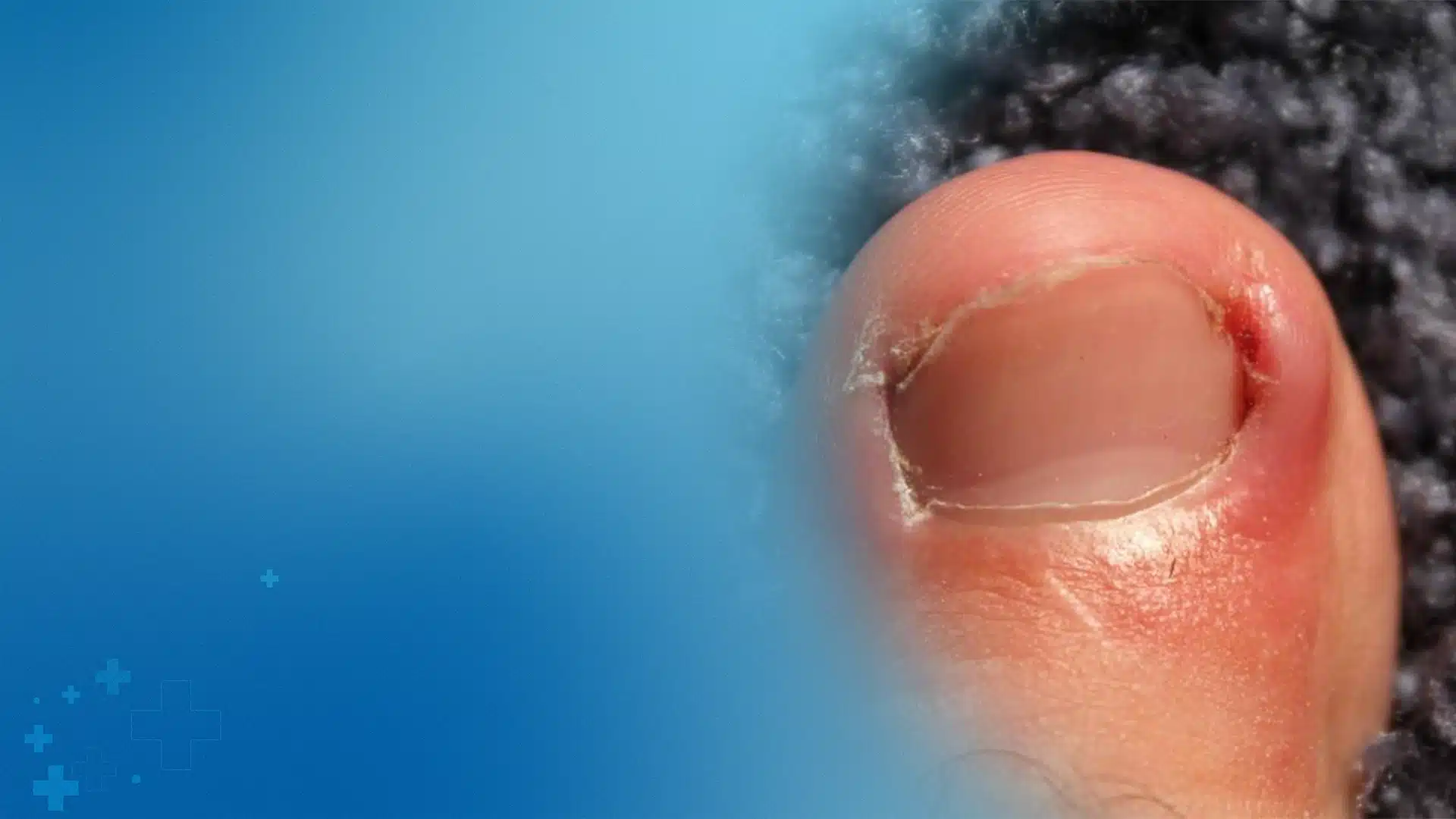

The most important clinical decision with Toenail Infection isn’t which treatment to start with — it’s identifying the correct subtype. That changes everything. Call (810) 206-1402.
Dr. Tom’s Wound Care Kit
Dr. Tom’s Top Toenail Fungus Picks (2026)
Affiliate disclosure: As an Amazon Associate, Balance Foot & Ankle earns from qualifying purchases.
Medically reviewed by Dr. Tom Biernacki, DPM · Board-Certified Podiatric Surgeon · Last reviewed: April 2026 · Editorial Policy
Quick Answer
Toenail Infection: Signs, Causes, and Treatment Options relates to toenail conditions — typically caused by fungal infection or trauma. Most patients improve in 6-12 months for nail regrowth with conservative care. Same-week appointments in Howell + Bloomfield Township: (810) 206-1402.
Medically reviewed by Dr. Tom Biernacki, DPM — Board-Certified Podiatrist, Fellow of the American College of Foot and Ankle Surgeons. Updated April 2026.
Types of Toenail Infection
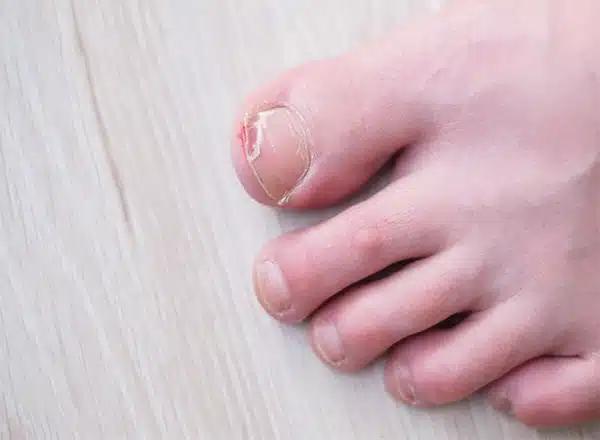
Toenail infections fall into two primary categories with very different causes, appearances, and treatments: fungal nail infections (onychomycosis) and bacterial infections typically associated with an ingrown toenail or nail bed wound (paronychia, acute nail infection). Understanding which type you have is essential for appropriate treatment—antifungal treatment will not resolve a bacterial infection, and antibiotics will not clear a fungal nail.
Fungal Nail Infection (Onychomycosis)
Onychomycosis is the most common nail disorder in adults, affecting approximately 10% of the population. It is caused by dermatophyte fungi (most commonly Trichophyton rubrum), yeasts, or non-dermatophyte molds that invade the nail plate and nail bed. The infection typically begins at the free nail edge and progresses proximally. Symptoms include: yellow-brown or white discoloration of the nail; thickening and distortion of the nail plate; crumbling or friable (brittle) nail material; debris under the nail (subungual hyperkeratosis); and separation of the nail plate from the nail bed (onycholysis). Fungal toenail infections are usually painless unless the nail thickening causes shoe pressure or secondary problems.
Diagnosis is confirmed by nail clipping sent for PAS stain or fungal culture—clinical appearance alone is insufficient because approximately 50% of nail dystrophy is not fungal. Treatment options for confirmed onychomycosis: oral terbinafine (12 weeks for toenails) achieves cure in 70-80% of cases and is the most effective option; oral itraconazole (pulse dosing) is second-line; topical antifungal lacquers (efinaconazole/Jublia, tavaborole/Kerydin) are slower and less effective but appropriate when oral treatment is contraindicated. Laser treatment has inconsistent evidence and is generally not covered by insurance. Recurrence after successful treatment is common due to re-exposure from footwear and environment.
Bacterial Nail Infection (Paronychia)
Acute paronychia is a bacterial infection of the nail fold (the skin beside the nail) or nail bed, almost always associated with an ingrown toenail, nail trauma, or break in the skin around the nail. Signs of bacterial nail infection: red, warm, swollen tissue around the nail; throbbing pain (distinguishes it from fungal infection, which is typically painless); pus or yellow/green drainage; and fever in more severe cases. The most common bacteria are Staphylococcus aureus and Streptococcus species.
Treatment for acute bacterial nail infection requires addressing the source (ingrown nail or wound) and bacterial infection simultaneously. A podiatrist performs nail avulsion (removing the ingrown nail border) under local anesthesia to drain the infection and eliminate the foreign body driving it—antibiotics alone do not resolve an infected ingrown nail. Antibiotics (typically oral cephalexin or clindamycin for MRSA coverage) are added when there is significant surrounding cellulitis. Patients with diabetes or vascular disease require same-day evaluation for any nail infection due to their risk for rapid progression.
Distinguishing Fungal from Bacterial Nail Infection
Key differences: Fungal infections develop slowly (months to years), are painless, affect the nail plate itself (thickening, discoloration), and typically involve multiple nails. Bacterial infections develop rapidly (hours to days), are painful, primarily affect the skin around the nail rather than the nail plate itself, and typically involve a single nail with a clear precipitating cause (ingrown nail, trauma). A podiatrist can distinguish between these presentations clinically and with nail culture when necessary to confirm fungal infection before prescribing oral antifungals.
Frequently Asked Questions
How do I know if my toenail has a fungal infection?
Classic signs of fungal toenail infection include: yellow, brown, or white discoloration beginning at the nail tip or sides and progressing toward the base; thickening of the nail plate; debris or powdery material under the nail; separation of the nail from the nail bed; and a dull, lusterless nail surface. The nail may become brittle and crumble at the edges. Importantly, these signs are also seen in non-fungal nail dystrophy from trauma, skin conditions (psoriasis), and other causes—confirming the diagnosis with nail culture or PAS stain before starting oral antifungal medication is recommended. Treatment of a non-fungal nail dystrophy with antifungals is ineffective and exposes the patient to unnecessary medication side effects.
Can I treat a toenail fungal infection myself?
Over-the-counter topical antifungal products marketed for nail fungus (Fungi-Nail, terbinafine cream) have very limited effectiveness for established onychomycosis because the nail plate is a barrier to penetration—OTC creams cannot reach the fungus living within and under the nail. Prescription topical antifungal lacquers (efinaconazole, tavaborole) penetrate the nail better and have documented, if modest, efficacy. Oral antifungal medication (terbinafine) is substantially more effective but requires a prescription, pre-treatment assessment, and monitoring for liver function in appropriate patients. Home remedies including tea tree oil and Vicks VapoRub have minimal clinical evidence and are not recommended as primary treatments. A podiatric evaluation allows confirmation of fungal infection and selection of the most appropriate treatment.
Is toenail fungus dangerous?
For most people, toenail fungus is primarily a cosmetic and comfort problem—thickened, discolored nails that may cause shoe pressure or self-consciousness. It is rarely dangerous in healthy individuals. However, in diabetic patients or those with peripheral vascular disease, fungal nail infection is a significant risk factor for more serious complications: thickened nails can cause pressure wounds under the nail, the nail can injure the adjacent skin, and fungal infection of the nail can spread to the skin (athlete’s foot) which can then develop bacterial superinfection. For these high-risk patients, treating toenail fungus is a preventive health measure, not just cosmetic—and podiatric nail care is an important part of diabetic foot management.
Medical References & Sources
- PubMed Research — Onychomycosis Treatment Outcomes
- American Academy of Dermatology — Nail Fungus
- PubMed Research — Onychomycosis and Diabetic Foot Risk
Dr. Tom Biernacki, DPM is a board-certified podiatric surgeon at Balance Foot & Ankle in Howell and Bloomfield Township, Michigan. He diagnoses and treats fungal and bacterial toenail infections with prescription antifungal medications, nail avulsion, and preventive nail care for diabetic patients.
Dr. Tom’s Recommended Products for Toenail Problems
📍 Located in Michigan?
Our board-certified podiatrists treat this condition at two convenient locations. Same-day appointments often available.
These are products I personally use and recommend to my patients at Balance Foot & Ankle.
- Nail Tek Intensive Therapy II — Restores brittle, discolored, and damaged nails — base coat that strengthens nail plate after trauma or fungal damage
- Kerasal Fungal Nail Renewal — Visibly improves nail appearance for both fungal and non-fungal discoloration within 8 weeks
- Professional Toenail Clipper — Harperton Nail Nipper — Stainless steel curved jaw cuts thick or ingrown toenails cleanly — prevents nail trauma and subungual hematoma
📧 Get Dr. Tom’s Free Lab Test Guide
Discover the 5 lab tests every person over 35 should ask their doctor about — explained in plain English by a board-certified physician.
Affiliate disclosure: As an Amazon Associate, Balance Foot & Ankle earns from qualifying purchases. We only recommend products we trust for our own patients.
Join 950,000+ Learning About Foot Health
Dr. Tom shares honest medical advice, supplement reviews, and treatment guides you won’t find anywhere else.
Subscribe on YouTube →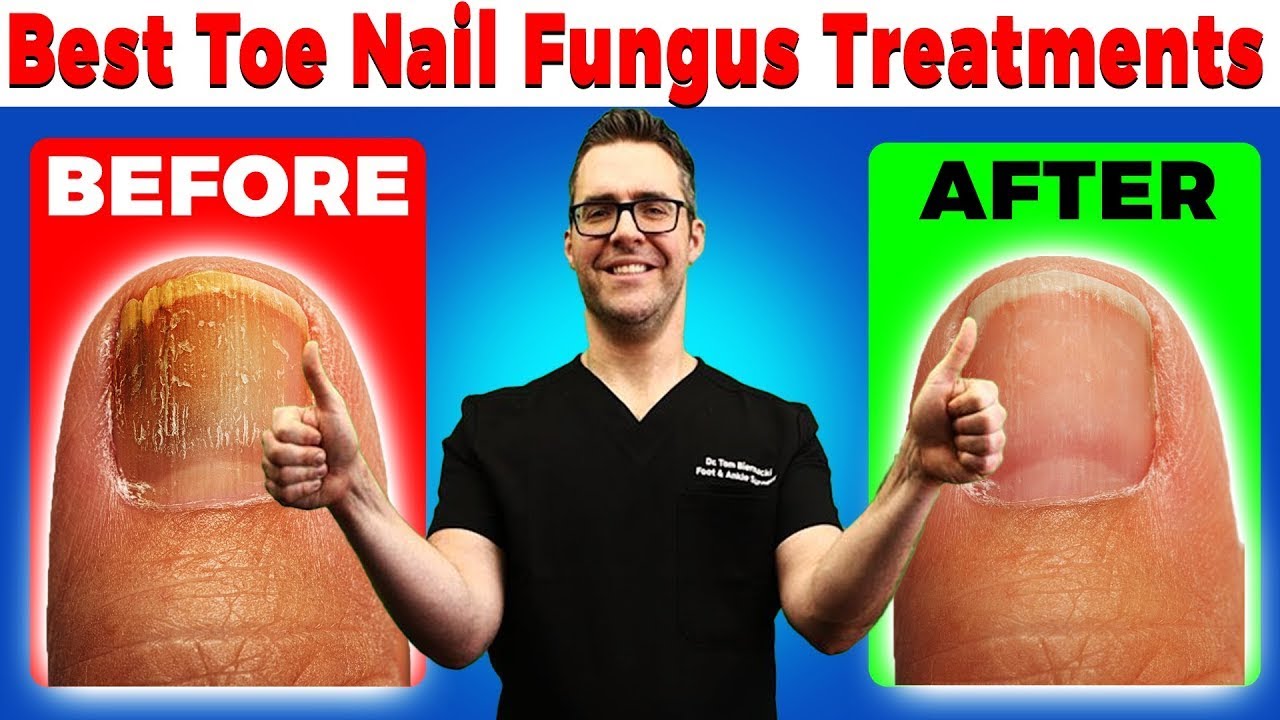
Insurance Accepted
BCBS · Medicare · Aetna · Cigna · United Healthcare · HAP · Priority Health · Humana · View All →
Howell Office
4330 E Grand River Ave
Howell, MI 48843
Get Directions →
Bloomfield Township Office
43494 Woodward Ave, #208
Bloomfield Township, MI 48302
Get Directions →
Your Board-Certified Podiatrists



Ready to Get Back on Your Feet?
Same-week appointments available at both locations.
Book Your AppointmentPros & Cons of Conservative Care for toenail conditions
Advantages
- ✓ Most cases resolve at home
- ✓ Same-week appointments available
- ✓ Permanent fix exists
Considerations
- ✗ Recurrence common without prevention
- ✗ Diabetics need professional care
Dr. Tom’s Recommended Products for toenail conditions
Affiliate disclosure: As an Amazon Associate, Balance Foot & Ankle earns from qualifying purchases. We only recommend products we use with patients.
Tolcylen Antifungal Solution Dr. Tom’s Pick
Best for: Most effective topical for fungus
Ready to Get Back on Your Feet?
Same-day appointments in Howell + Bloomfield Township. Most insurance accepted. Dr. Tom Biernacki, DPM & team.
Book Today — Same-Day Appointments Available
Call Now: (810) 206-1402
About Your Care Team at Balance Foot & Ankle
Dr. Tom Biernacki, DPM · Board-Certified Foot & Ankle Surgeon. Specializes in conservative-first care, minimally invasive bunion surgery, and complex reconstruction.
Dr. Carl Jay, DPM · Accepting new patients. Specializes in sports medicine, athletic injuries, and routine podiatric care.
Dr. Daria Gutkin, DPM, AACFAS · Accepting new patients. Specializes in surgical reconstruction and pediatric podiatry.
Locations: 4330 E Grand River Ave, Howell, MI 48843 · 43494 Woodward Ave Suite 208, Bloomfield Township, MI 48302
Hours: Mon–Fri 8:00 AM – 5:00 PM · (810) 206-1402
In-Office Treatment at Balance Foot & Ankle
If home treatment isn’t providing relief for your foot and ankle conditions, our podiatry team at Balance Foot & Ankle can help with same-day evaluations and advanced in-office care.
Same-day appointments available. (810) 206-1402
Related Conditions
Ready for Expert Care?
Same-day appointments in Howell & Bloomfield Township, MI.
4.9★ | 1,123 Reviews | 3,000+ Surgeries
Or call: (810) 206-1402
