
Medically reviewed by Dr. Tom Biernacki, DPM
Board-certified podiatric surgeon | Balance Foot & Ankle, Howell & Bloomfield Township, MI
Last reviewed: May 2026
You are in the right place. Dr. Tom Biernacki, DPM, FACFAS — board-certified foot & ankle surgeon with 3,000+ surgeries — explains exactly what best running shoes means and what works. Call (810) 206-1402 for same-day appointment at Howell or Bloomfield Township.
Quick answer: Best Running Shoes is a common foot/ankle topic that affects many patients. The 2026 evidence-based approach combines proper diagnosis, conservative-first treatment, and escalation only when needed. We treat this regularly at our Howell and Bloomfield Township practices. Call (810) 206-1402.
The most important clinical decision with Best Running Shoes isn’t which treatment to start with — it’s identifying the correct subtype. That changes everything. Call (810) 206-1402.
Best Running Shoes: Quick Answer
The best running shoes 2026 podiatrist-tested top 15 picks: HOKA Bondi 9 (best max cushion); Brooks Glycerin 22 (best plush daily trainer); Saucony Triumph 22 (best for high arches); ASICS Gel-Nimbus 26 (best for plantar fasciitis); New Balance Fresh Foam 1080 v14 (best wide widths); Nike Pegasus 41 (best balanced daily); Brooks Adrenaline GTS 24 (best stability); ASICS Kayano 31 (best for severe overpronators); Saucony Endorphin Speed 4 (best tempo trainer); Brooks Hyperion Elite 4 (best racer); HOKA Mach 6 (best lightweight daily); New Balance Rebel v4 (best fun ride); HOKA Clifton 10 (best for marathons); ASICS Novablast 5 (best bouncy ride); Nike Vaporfly 3 (best racing). Match the shoe to your running style: distance runners need cushion; tempo runners need responsive foam; sprinters need carbon-plated racers; injury-prone runners need stability.
How to Choose the Right Running Shoe (5 Factors)
Factor 1 — Foot type: Flat feet (overpronator) need stability shoes with medial post. High arches (supinator) need cushioned neutral shoes. Normal arch can wear either category. See our arch types guide.
Factor 2 — Running distance: 5K-10K — most shoes work. Half marathon-marathon — need maximum cushion. Ultra (50K+) — maximum cushion + comfort priority. Track/sprints — minimal racing flats.
Factor 3 — Running pace: Easy/recovery runs — cushioned daily trainers (HOKA Bondi, Brooks Glycerin). Tempo runs — responsive trainers (Saucony Endorphin Speed, ASICS Novablast). Race days — carbon-plated super shoes (Nike Vaporfly, Adidas Adios Pro).
Factor 4 — Surface: Road — most popular shoes. Trail — different category (Salomon, La Sportiva, Brooks Cascadia). Track — track spikes.
Factor 5 — Conditions: Plantar fasciitis — extra cushion + arch support (ASICS Gel-Nimbus, HOKA Bondi). Bunions — wide toe box (Brooks Ghost wide, Altra Torin). IT band issues — neutral cushion. Achilles tendinopathy — higher heel-toe drop (10-12mm).
Top 15 Running Shoes (Detailed Reviews)
1. HOKA Bondi 9 ($170) — Best max cushion. Drop: 4mm. Best for: high mileage, recovery runs, plantar fasciitis. Weight: 10.7 oz women.
2. Brooks Glycerin 22 ($165) — Best plush daily. Drop: 10mm. Best for: comfortable daily mileage, smooth ride.
3. Saucony Triumph 22 ($160) — Best for high arches. Drop: 10mm. Best for: cushioned but not mushy, neutral arch type.
4. ASICS Gel-Nimbus 26 ($165) — Best for plantar fasciitis. Drop: 8mm. PureGEL heel cushion. Best for: heel pain, achy joints.
5. New Balance Fresh Foam 1080 v14 ($170) — Best wide widths. Drop: 6mm. Available in 2A, B, D, EE. Best for: wide forefoot.
6. Nike Pegasus 41 ($140) — Best balanced daily. Drop: 10mm. Best for: do-everything daily training shoe.
7. Brooks Adrenaline GTS 24 ($150) — Best stability. GuideRails technology. Drop: 12mm. Best for: overpronators, flat feet.
8. ASICS Kayano 31 ($165) — Best for severe overpronators. Drop: 10mm. Best for: heavy overpronation needing maximum motion control.
9. Saucony Endorphin Speed 4 ($170) — Best tempo trainer. Carbon-infused nylon plate. Drop: 8mm. Best for: tempo runs, half marathon training.
10. Brooks Hyperion Elite 4 ($250) — Best Brooks racer. Carbon plate, DNA Flash v2 foam. Drop: 8mm. Best for: race day, marathon.
11. HOKA Mach 6 ($140) — Best lightweight daily. Drop: 5mm. Best for: tempo + light distance, faster daily training.
12. New Balance Rebel v4 ($140) — Best fun ride. FuelCell foam. Drop: 6mm. Best for: tempo runs, daily training, fun bouncy feel.
13. HOKA Clifton 10 ($150) — Best for marathons. Drop: 5mm. Lighter than Bondi. Best for: long-distance training, marathon racing.
14. ASICS Novablast 5 ($140) — Best bouncy ride. FF Blast Plus Eco foam. Drop: 8mm. Best for: fun easy runs, daily training.
15. Nike Vaporfly 3 ($260) — Best racing super shoe. Carbon plate, ZoomX foam. Drop: 8mm. Best for: race day, PR attempts.
Best Running Shoes by Condition
Plantar fasciitis: ASICS Gel-Nimbus 26; HOKA Bondi 9; Brooks Glycerin 22; New Balance Fresh Foam 1080. Add custom orthotic for severe cases.
Flat feet / overpronation: Brooks Adrenaline GTS 24; ASICS Kayano 31; Saucony Guide 17; New Balance 860v14.
High arches / supination: HOKA Bondi 9; Brooks Glycerin 22; Saucony Triumph 22; ASICS Gel-Nimbus 26.
Bunions: Brooks Ghost 17 wide; New Balance 1080 wide; Altra Torin 7 (zero-drop wide toe box); HOKA Bondi 9 wide.
Knee pain: HOKA shoes (rocker bottom unloads knees); ASICS Gel-Nimbus 26; Brooks Glycerin 22.
Achilles tendinopathy: Higher drop shoes (10-12mm) like Brooks Glycerin, ASICS Kayano. Avoid zero-drop or low-drop shoes during recovery.
IT band syndrome: Neutral cushioned shoes; consider Brooks Adrenaline GTS for very flat feet contributing to ITBS.
Wide feet: Brooks (most models offer wide); New Balance (extensive width options); HOKA wide; Altra (wide standard).
Carbon-Plated “Super Shoes” Explained
Carbon-plated racing shoes (Nike Vaporfly, Adidas Adios Pro, Saucony Endorphin Pro, Brooks Hyperion Elite, ASICS Metaspeed) improved distance running starting around 2017. They combine: stiff carbon fiber plate + ultra-responsive PEBA foam + high stack height = improved running economy by 4%+.
For elite runners: Carbon shoes are now mandatory for elite competition. World records since 2017 have all been set in carbon shoes.
For amateur runners: Modest benefit (2-3% running economy improvement). Mostly worth it for race day attempts to PR. NOT worth it for everyday training (durability is poor — 100-200 miles vs 300-500 for daily trainers).
For beginners: Skip carbon shoes initially. Build base mileage in cushioned daily trainers first. Consider carbon shoes once you’re consistently running 20+ miles per week and racing.
Cost: $250-300 typical. The most expensive shoes per mile in running due to limited durability.
Injury risk: Some studies suggest higher injury rates in runners using only carbon shoes (less foot strength development). Mix carbon shoes with non-carbon for training balance.
How Often to Replace Running Shoes
General rule: 300-500 miles. Most running shoes lose 30-50% of cushioning by 500 miles.
Faster wear: Heavier runners; high-mileage weeks; concrete surfaces; humid storage; harsh midsole foam (older EVA).
Slower wear: Lighter runners; treadmill; gel/PEBA midsoles (last longer than basic EVA); proper rotation between shoes.
Signs you need to replace: Visible compression of midsole; creasing or wrinkling of foam; outsole wear-through to midsole; new aches/pains in feet, knees, or back.
Tracking mileage: Use Strava (auto-tracks shoe mileage), Runkeeper, or simple notebook. Most running watches now offer shoe tracking.
Common Running Shoe Mistakes
Wearing one pair for everything: Rotate 2-3 pairs (different cushion levels) — extends shoe life and reduces injury risk.
Wrong size: Most runners wear shoes too small. Allow thumb-width (1/2 inch) at the toe. Buy a half-size or full-size larger than your dress shoe size.
Brand loyalty over fit: Don’t stick with a brand if their fit doesn’t work for your foot. Try multiple brands.
Buying based on color/style: Function first, style second.
Not breaking in new shoes: Wear new shoes for 1-2 short runs (3-5 miles) before long runs or races.
Switching shoe categories suddenly: Going from cushioned to minimalist (or vice versa) too quickly causes injury. Transition gradually over 6-12 weeks.
When to See a Podiatrist About Running Shoes
Same-week appointment if: chronic foot pain despite “good” shoes; recurring injuries; need help selecting shoes for specific condition; want gait analysis; want custom orthotics evaluation. At Balance Foot & Ankle we offer gait analysis and shoe-fitting consultation as part of any biomechanical evaluation. Same-week appointments at our Howell and Bloomfield Township MI offices.
When Shoes Aren’t Enough — Dr. Tom’s Top 9 Orthotics
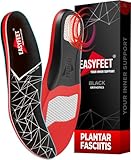
About 30% of patients I see for foot pain need MORE than a great shoe — they need a structured insole. Below: my complete 2026 orthotic ranking with pros, cons, and the specific patient I’d give each one to.


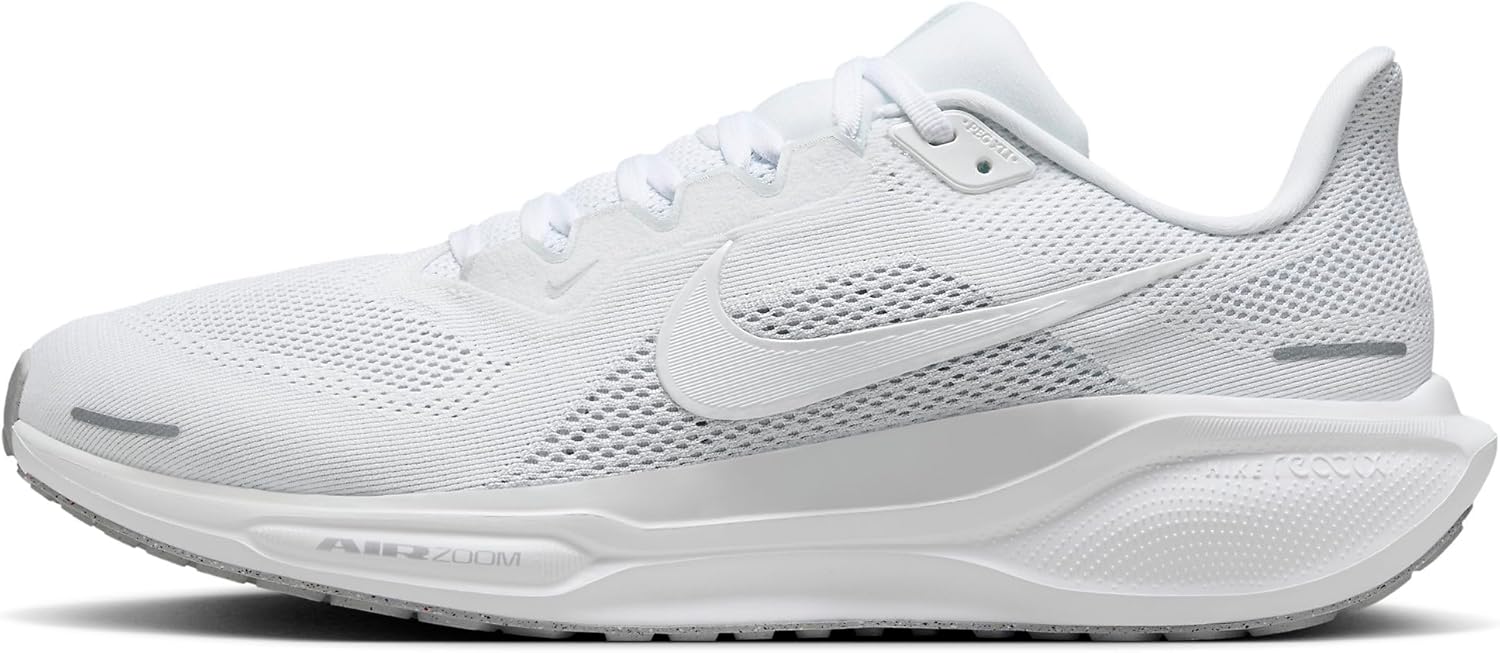


Podiatrist-Recommended Products


In-Office Treatment at Balance Foot & Ankle
If home treatment isn’t providing relief for your foot pain, our podiatry team at Balance Foot & Ankle can help with same-day evaluations and advanced in-office care.
Frequently Asked Questions About Best Running Shoes
What are the best running shoes for beginners?
HOKA Bondi 9 (max cushion, forgiving); Brooks Ghost 17 (balanced); Nike Pegasus 41 (versatile daily). Avoid carbon-plated racers — start with cushioned daily trainers.
How often should I replace running shoes?
Every 300-500 miles. Replace sooner if you notice cushion loss, midsole compression, or new aches/pains.
Are HOKA shoes good for running?
Excellent — HOKA Bondi 9, Clifton 10, and Mach 6 are top picks. Maximum cushion + rocker bottom dramatically reduces foot/knee fatigue.
Should I use carbon-plated shoes for daily training?
No — carbon shoes have limited durability (100-200 miles) and may increase injury risk if used exclusively. Reserve for race day and tempo workouts.
What shoes are best for plantar fasciitis runners?
ASICS Gel-Nimbus 26 (PureGEL heel); HOKA Bondi 9 (max cushion); Brooks Glycerin 22 (plush). Add custom orthotic for severe cases.
What’s the difference between stability and neutral running shoes?
Stability shoes have a medial post or denser foam to control pronation (overpronators). Neutral shoes have uniform cushion (normal arch or supinators).
Should I rotate running shoes?
Yes — rotate 2-3 pairs of different cushion levels. Extends shoe life by 50-100% and reduces injury risk.
Related Resources from Balance Foot & Ankle
- Best Running Shoes (Brand Picks)
- Best Shoes for Flat Feet
- Best Shoes for Plantar Fasciitis
- Podiatrist Recommended Shoes
- Best Shoes for Walking
- Best Shoes for Supination
- Best Shoes for Knee Pain
Frequently Asked Questions
When should I see a podiatrist?
If symptoms persist past 2 weeks, affect your normal activity, or are accompanied by red-flag symptoms (warmth, redness, swelling, inability to bear weight).
What does treatment cost?
Most diagnostic visits and conservative treatments are covered by Medicare and major insurers. Out-of-pocket costs vary by your specific plan.
How quickly can I get an appointment?
Most non-urgent cases see us within 5 business days. Urgent cases (sudden pain, possible fracture) typically same or next business day.
Ready to fix this for good?
Reading goes so far. The fastest path is a 30-minute office visit. Same-day Howell or Bloomfield Township. Call (810) 206-1402.
APMA: Running Shoe Recommendations by Podiatrists
Ready to Get Relief?
Same-day appointments available in Howell & Bloomfield Township, MI
4.9★ | 1,123 Reviews | 3,000+ Surgeries
Or call: (810) 206-1402

Dr. Tom Biernacki, DPM is a board-certified foot & ankle surgeon (ABFAS & ABPM) at Balance Foot & Ankle Specialists in Southeast Michigan. With over a decade of clinical experience, he specializes in heel pain, bunions, diabetic foot care, sports injuries, and minimally invasive surgery. Dr. Biernacki is a member of the APMA and ACFAS, and his patient education content on MichiganFootDoctors.com and YouTube has made him one of the most-followed foot & ankle educators on YouTube.