
Best Shoes for Flat Feet Women 2026: Podiatrist’s Complete Guide to Arch Support Footwear
👩⚕️ Medically Reviewed by Dr. Tom Biernacki, DPM
Board-certified podiatrist with 20+ years treating flat feet in women. Dr. Biernacki performs over 3,000 procedures annually at Balance Foot & Ankle in Howell and Bloomfield Township, Michigan. All product recommendations are based on clinical outcomes observed in his practice, biomechanical principles, and peer-reviewed research — never advertising relationships.
If you have flat feet, finding the right shoes is not just about comfort — it is about protecting your entire lower kinetic chain. Women with flat feet (pes planus) are significantly more likely to develop plantar fasciitis, posterior tibial tendon dysfunction (PTTD), knee pain, hip pain, and lower back strain when they wear unsupportive footwear. Yet most women’s shoe aisles are filled with fashion-forward designs that offer zero arch support and flexible soles that collapse under the very weight they are supposed to support.
In this guide, Dr. Tom Biernacki breaks down exactly what to look for in shoes for flat feet, why women have unique anatomical considerations that men’s recommendations often miss, and which six shoes consistently deliver the best clinical outcomes for his female flat-footed patients in 2026.
⚡ Quick Answer: Best Shoes for Flat Feet Women 2026
- New Balance 1540v3 (Women’s) — Best Overall Motion Control
- ASICS Gel-Kayano 30 (Women’s) — Best High-Mileage Stability
- Brooks Adrenaline GTS 23 (Women’s) — Best Everyday Stability
- HOKA Arahi 6 (Women’s) — Best Lightweight Stability
- Orthofeet Coral (Women’s) — Best Orthopedic/Wide Fit
- Brooks Addiction Walker 2 (Women’s) — Best for Standing All Day
Dr. Tom’s top pick for severe flat feet: New Balance 1540v3 — offers the firmest medial post, widest toe box, and highest stability rating of any over-the-counter shoe on the market.
Comparing specific models? See the flat foot shoe guide on Podiatrist Tested, where each spec is published with its source.
What Are Flat Feet? Understanding Pes Planus in Women
Flat feet — medically termed pes planus — occur when the medial longitudinal arch of the foot collapses partially or fully, causing the entire sole to contact the ground during standing and walking. While many people assume flat feet are just a cosmetic concern, they represent a significant biomechanical deviation that affects force distribution through the entire lower extremity with every single step.
There are two primary types of flat feet that Dr. Tom commonly treats in women at Balance Foot & Ankle:
Flexible Flat Feet: The arch appears when the foot is off the ground (sitting, tiptoeing) but collapses when weight is applied. This is by far the most common type — roughly 85% of flat-footed women have flexible pes planus. The good news: proper footwear alone can often control symptoms effectively without orthotics or surgery.
Rigid Flat Feet: The arch is absent whether or not weight is applied. This is less common and often indicates a tarsal coalition (abnormal bone fusion), neurological issue, or long-standing posterior tibial tendon dysfunction. Rigid flat feet typically require a more aggressive treatment plan including custom orthotics and sometimes surgical intervention. Footwear choices still matter, but they must be paired with other interventions.
Posterior Tibial Tendon Dysfunction (PTTD): A common and serious progression of flat feet in women — especially women over 40. The posterior tibial tendon, which supports the arch, weakens and elongates over years of unsupported loading. The arch then progressively collapses. In early stages (Stage I-II), proper footwear and orthotics can halt or reverse progression. Without intervention, PTTD progresses to rigid collapse requiring reconstructive surgery.
Why Women Are at Higher Risk Than Men
Women face several biological and social factors that increase both the incidence of flat feet and the severity of their consequences:
Ligament laxity: Women have naturally more flexible connective tissue due to estrogen’s effect on collagen structure. This makes the foot’s intrinsic stabilizing ligaments more prone to stretch over time, accelerating arch collapse — especially during pregnancy and menopause when hormonal changes further increase laxity.
Pregnancy: The hormone relaxin — released during pregnancy to allow pelvic widening — also affects foot ligaments system-wide. Many women’s feet permanently flatten after pregnancy, gaining half a shoe size or more. Dr. Tom sees dozens of postpartum women annually whose flat feet developed or worsened after their first or second pregnancy.
Q-angle: Women have a wider pelvis relative to leg length, creating a greater Q-angle (the angle between the quadriceps and the patellar tendon). A higher Q-angle causes more inward rotation of the knee during gait, which in turn increases subtalar joint pronation — the heel tilting inward that accompanies flat arch collapse. This is why women with flat feet so commonly experience knee pain and IT band issues in addition to foot pain.
Shoe history: Decades of wearing narrow, unsupportive, heeled shoes accelerates the progression of flat feet. High heels shift body weight forward onto the metatarsals, while narrow toe boxes compress the transverse arch. Women who wore heels throughout their 20s and 30s often present with significantly worse arch collapse by their 40s and 50s compared to women who wore supportive footwear throughout.
How Flat Feet Affect the Entire Body: The Kinetic Chain
The foot is the foundation of the body’s kinetic chain — the linked system of bones, joints, and muscles that transfers force from ground contact up through the ankle, knee, hip, and spine. When the foundation collapses, every structure above it compensates. Understanding this chain helps explain why shoes are so critically important for flat-footed women.
Ankle overpronation: As the arch collapses, the subtalar joint rolls inward (pronates). The medial malleolus — the inner ankle knob — descends toward the ground. This increases tension on the posterior tibial tendon, deltoid ligament complex, and plantar fascia. Chronic overpronation is the #1 cause of plantar fasciitis and posterior tibial tendon dysfunction in women.
Tibial internal rotation: Overpronation at the subtalar joint mechanically drives internal rotation of the tibia (shin bone). This translates up to the knee, increasing the valgus (knock-knee) stress on the medial compartment. Women with flat feet have a significantly higher risk of medial compartment knee osteoarthritis and patellofemoral syndrome (runner’s knee) than women with normal arches.
Hip and pelvic tilt: The internal rotation of the femur caused by flat feet creates an anterior pelvic tilt in many women, increasing lumbar lordosis (lower back curve). This is why many flat-footed women report lower back pain that clears up when they switch to supportive footwear — the pelvic alignment normalizes when the foot foundation is corrected.
Plantar fascia overload: The plantar fascia — the thick band of connective tissue running from the heel to the toes — acts as a windlass mechanism that supports the arch. In flat feet, the fascia is under constant tension even at rest, and each footstrike delivers additional tensile load. Over time, microscopic tearing begins at the calcaneal (heel) insertion, creating the classic plantar fasciitis symptoms of sharp morning heel pain that improves after walking.
⚠️ Warning Signs That Flat Feet Are Causing Damage
- Heel pain worst in the morning — classic plantar fasciitis from arch overload
- Inner ankle swelling or tenderness — early PTTD, requires prompt evaluation
- Pain along the inner shin — shin splints from tibial rotation stress
- Knee pain on the inner side — medial compartment stress from overpronation
- Shoes wearing out on the inner heel — visible evidence of overpronation
- Arch aching after standing >30 minutes — arch fatigue from collapse
- Progressive flatness over years — accelerating PTTD, needs professional evaluation
If you are experiencing three or more of these symptoms, please schedule an evaluation with a podiatrist. Early intervention prevents the need for surgical correction later.
Watch: Dr. Tom Explains Flat Feet Treatment and Shoe Selection
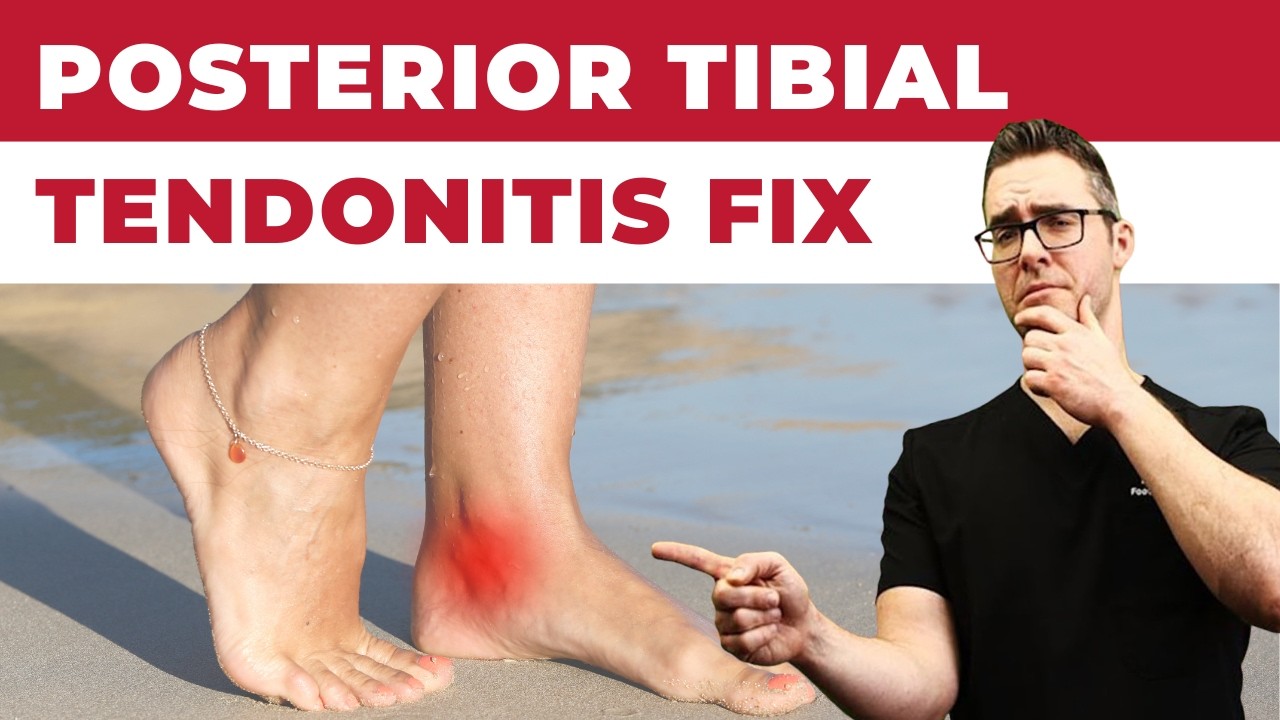
In the video above, Dr. Tom walks through the biomechanics of flat feet, demonstrates how to assess arch type at home, and explains what shoe features matter most for women with overpronation and arch collapse. This is the same education he delivers to patients in his Howell and Bloomfield Township offices.
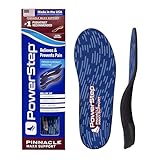
- Slightly Angled Heel Post: PowerStep Pinnacle Maxx insoles for men & women keep the feet from rolling inward, improve stability, and prevent problems caused by overpronation including flat feet and plantar fasciitis.
- Firm But Flexible Design: Our orthotics Pinnacle PowerStep insoles for overpronation are equipped with a deep heel insert cradle for increased comfort, stability, and motion control for standard arch support and immediate heel pain relief.
- Premium Dual Layer Cushioning: For enhanced comfort from heel to toe. As the thickest of our Pinnacle PowerStep orthotics, these need to be worn in shoes where the factory insole can be removed. HSA & FSA Eligible. Made in the USA
- The Perfect Balance of Comfort and Support: These PowerStep Pinnacle arch support inserts for men & women are unlike most other orthotics as they help to correct over-pronation which can cause ankle, knee, and hip pain in your daily routine
- No Trimming: Our arch support PowerStep insoles men & women can use can be worn in a variety of shoe styles & fit in any type with no trimming required! Unlike most insoles for flat feet and other heel pain relief products, these come ready to wear.
As an Amazon Associate, Balance Foot and Ankle earns from qualifying purchases. Product links are affiliate links and we may earn a commission at no extra cost to you. This does not influence our clinical recommendations. Last update on 2026-09-28 / Images from Amazon Product Advertising API
What to Look For in Shoes for Flat Feet Women: The 7 Non-Negotiables
Before reviewing specific products, understanding these seven structural requirements will help you evaluate any shoe — not just the ones on this list — for flat foot suitability.
1. Firm Medial Post (Motion Control Feature)
The medial post is a denser foam wedge embedded in the medial (inner) midsole of a stability or motion control shoe. When the foot begins to pronate inward, the firmer medial foam resists compression more than the lateral foam, creating a corrective force that tilts the foot back toward neutral. Without this feature, even a cushioned shoe provides no structural protection against overpronation. Dr. Tom considers the medial post the single most important feature for flat-footed women, because it addresses the root biomechanical problem rather than just masking it with cushioning.
2. Stability Rating: Motion Control vs. Stability vs. Neutral
Running and walking shoes are categorized into three stability tiers. Understanding which tier is appropriate for your degree of arch collapse is crucial:
Motion Control: The highest level of anti-pronation support. Features the firmest medial post, a straighter last (shoe shape), and the most rigid heel counter. Designed for severe overpronation, low arches, and higher body weights. The New Balance 1540v3 and Brooks Addiction Walker are in this category. Women with severe flat feet or PTTD should start here.
Stability: Moderate anti-pronation support. Still has a medial post but with a more curved last, lighter construction, and more natural feel. The ASICS Gel-Kayano, Brooks Adrenaline GTS, and HOKA Arahi are stability shoes. Appropriate for mild to moderate flat feet with overpronation. Most women with flat feet start here unless their symptoms are severe.
Neutral: No medial post. Designed for normal arches or supinators (underpronators). Women with flat feet should generally avoid neutral shoes unless they are using custom orthotics that provide their own medial support. Neutral cushioned shoes — however comfortable they feel in the store — allow unrestricted overpronation with every stride.
3. Rigid Heel Counter
The heel counter is the stiff cup that wraps around the back of the heel inside the shoe. A firm heel counter prevents the calcaneus (heel bone) from rolling inward during foot strike, which is the first moment of overpronation initiation. You can test this in the store by squeezing the back of the shoe — if it collapses easily, the heel counter is too soft for flat feet. It should feel rigid and resist deformation.
4. Wide Toe Box
Flat feet are structurally wider than high-arched feet because the arch is not lifting the midfoot above the ground plane — the entire foot spreads laterally. Women with flat feet frequently experience toe box compression in standard-width shoes, leading to bunions, hammertoes, and forefoot pain. Always look for shoes available in D (wide) or 2E (extra-wide) widths, or shoes with naturally roomy toe boxes like the Orthofeet and HOKA Bondi lines.
5. Straight or Semi-Curved Last
The “last” refers to the shape the shoe is built on. A curved last curves inward at the midfoot — designed for high-arched, supinated feet. A straight last aligns the forefoot and rearfoot in a more parallel relationship, providing a broader base under the medial arch. When shopping, flip the shoe over and look at the sole — the inner edge from heel to ball should be relatively straight, not sharply curved inward. Motion control shoes always have straight lasts; stability shoes typically have semi-curved lasts.
6. Adequate Stack Height and Cushioning
While structure is the priority, cushioning matters because flat-footed women often walk with a heavier heel strike due to the loss of the natural spring the arch provides. A minimum of 22mm of heel stack height is recommended for walking shoes; 28-35mm for running shoes with flat feet. However — and this is critical — avoid maximalist neutral shoes (like early HOKA versions) that have extreme stack height but no stability features, as the soft foam allows even greater pronation depth despite the cushioning volume.
7. Torsional Rigidity
Grip the shoe at the heel and forefoot and try to twist it — the shoe should resist twisting significantly. A shoe that easily twists through the midfoot (torsionally flexible) provides no structural support to the collapsing arch and actually allows the midfoot bones to splay under load. All motion control and good stability shoes have a plastic or carbon plate, shank, or rigid EVA construction through the midfoot to resist this twisting deformation.
The 6 Best Shoes for Flat Feet Women 2026: Podiatrist Reviews
The following six shoes represent the best options currently available for women with flat feet, evaluated across six criteria: medial post effectiveness, heel counter rigidity, toe box width, midsole durability, overall stability rating, and real-world patient feedback from Dr. Tom’s practice. Each review includes Dr. Tom’s clinical commentary and specific recommendations for which patient profile each shoe serves best.
#1 — New Balance 1540v3 (Women’s)
Why Dr. Tom Recommends It: The 1540v3 is the gold standard motion control shoe for women with severe flat feet or PTTD. It features New Balance’s proprietary ROLLBAR technology — a rigid plastic post through the heel — combined with a dual-density ABZORB midsole that is dramatically firmer on the medial (inner) side. The result is the strongest anti-pronation force of any OTC shoe Dr. Tom has tested. The wide last accommodates the naturally wider forefoot of flat-footed women, and the ENCAP midsole rim provides additional lateral stability. For women who have been told by a podiatrist that they need motion control footwear, or for women who have failed other stability shoes, the 1540v3 is the first shoe Dr. Tom reaches for.
Clinical Profile: Best for severe flat feet (Grade 3 pes planus), PTTD Stage I-II, women with BMI over 28, women who pronate through the entire gait cycle, women who have worn through the medial edge of every previous shoe within 6 months.
Key Features: ROLLBAR stability post | Dual-density ABZORB midsole | Available in 2A-4E widths | 10mm heel drop | ENCAP midsole rim technology | Leather and mesh upper | FDA-cleared for diabetic use in select versions
No products found.
✅ Pros
- Strongest medial post of any OTC shoe
- ROLLBAR technology for heel stability
- Available in the widest range of widths (2A-4E)
- Durable — outlasts most stability shoes significantly
- Excellent for PTTD and severe overpronation
- Can accommodate custom orthotics if needed
❌ Cons
- Heavier than modern running shoes (more shoe = more support)
- Less aesthetically versatile (athletic look only)
- Longer break-in period for some women
- Not ideal for high-speed running
#2 — ASICS Gel-Kayano 30 (Women’s)
Why Dr. Tom Recommends It: The Gel-Kayano is ASICS’ flagship stability shoe and has been refined through 30 iterations since its 1993 debut — making it one of the most clinically proven stability shoes in footwear history. The Kayano 30 features ASICS’ 4D Guidance System: a lateral guidance framework that controls rear-foot motion by resisting excessive inward roll from first contact through toe-off. The rearfoot and forefoot GEL cushioning attenuates heel strike forces particularly well, making this ideal for women with plantar fasciitis complicating their flat feet — the reduced impact at the calcaneal insertion gives the plantar fascia time to heal while the medial post controls the overpronation that caused the fasciitis in the first place.
Clinical Profile: Best for moderate flat feet with plantar fasciitis, women who walk or run 20-40 miles per week, women with both arch pain and heel pain simultaneously, women transitioning from orthotics who want a well-supported shoe that doesn’t require orthotic inserts.
Key Features: 4D Guidance System | Rearfoot and forefoot GEL | FF BLAST+ midsole foam | Litetruss midfoot support | 10mm heel drop | Available in standard and wide | Engineered knit upper for breathability
No products found.
✅ Pros
- 30 years of clinical refinement
- Excellent plantar fasciitis relief from dual GEL zones
- 4D Guidance System provides precise motion control
- Premium engineered knit upper — breathable and foot-conforming
- Excellent durability for high-mileage walkers and runners
❌ Cons
- Premium price point
- Limited width options vs. NB 1540
- Overkill for mild flat feet
- Heavier than the neutral Nimbus line
#3 — Brooks Adrenaline GTS 23 (Women’s)
Why Dr. Tom Recommends It: If Dr. Tom could only recommend one shoe to every flat-footed woman who walks into his office, it would be the Brooks Adrenaline GTS — the most consistently performed stability shoe in his 20+ years of practice. GTS stands for “Go-To Shoe,” and it genuinely earns that name. The Adrenaline uses Brooks’ GuideRails holistic support system, which takes a different approach to stability than traditional medial posts. Rather than targeting only the arch, GuideRails limits excess movement throughout the entire foot — at the heel, midfoot, and forefoot — addressing the multi-directional nature of flat foot collapse. The GTS 23 version adds a softer, more responsive DNA LOFT v3 foam for improved all-day comfort without sacrificing the GuideRails support that makes it so effective. Women who stand or walk for work all day report dramatically reduced foot, knee, and back fatigue after switching to the Adrenaline.
Clinical Profile: Best for mild-to-moderate flat feet, daily wear (6-12 hours on feet), women with knee pain secondary to flat feet, women who want a versatile shoe they can wear walking, running, and on their feet all day at work.
Key Features: GuideRails holistic support system | DNA LOFT v3 midsole | Segmented crash pad | Engineered mesh upper | 12mm heel drop | Available in B (standard) and D (wide) | PDAC A5500 diabetic shoe code
No products found.
✅ Pros
- GuideRails system addresses full-foot motion — not just arch
- Best versatility: work, walking, running, all-day wear
- DNA LOFT v3 delivers cloud-like comfort with real support
- Excellent for knee pain secondary to flat feet
- Consistent quality across 23+ iterations
❌ Cons
- Not enough support for severe flat feet — needs 1540v3 instead
- Wide option (D) not as wide as NB’s 4E
- GuideRails system may feel bulky to some narrow-footed women
#4 — HOKA Arahi 6 (Women’s)
Why Dr. Tom Recommends It: HOKA built its reputation on maximalist cushioning, but the Arahi is the brand’s stability offering that bridges the gap between the cushion-focused HOKA aesthetic and the structural requirements of flat-footed women. The Arahi 6 features an extended medial post that runs from the heel through the midfoot arch, combined with HOKA’s J-Frame technology — a J-shaped firmer foam that wraps the inner and rear of the midsole. This creates a supportive cradle that guides the foot to a neutral position while still delivering the generous stack height HOKA is known for. What sets the Arahi apart is its weight — at around 7.8 oz for women’s, it is meaningfully lighter than the NB 1540v3 and Brooks Addiction Walker while still providing legitimate stability. Women who want a lighter shoe for daily running and walking without sacrificing flat-foot support will find the Arahi 6 their sweet spot.
Clinical Profile: Best for active women with mild-to-moderate flat feet, women who run 15-30 miles per week, women transitioning from bulkier motion control shoes, women who want HOKA’s cushioning with stability features.
Key Features: J-Frame extended medial post | CMEVA midsole | Early stage Meta-Rocker geometry | Engineered mesh upper | 5mm heel drop | Available in B and D widths | Anatomical foot frame
No products found.
✅ Pros
- Lightest true stability shoe on this list
- HOKA’s signature cushioning comfort with real arch support
- J-Frame runs full heel-to-midfoot for comprehensive support
- Meta-Rocker geometry reduces forefoot pressure — good for metatarsalgia
- Excellent for running with flat feet
❌ Cons
- 5mm drop is low — may require Achilles adjustment period
- Softer overall feel means less tactile ground feedback
- Not sufficient for severe PTTD — needs 1540v3
- Width options more limited than New Balance
#5 — Orthofeet Coral (Women’s)
Why Dr. Tom Recommends It: Orthofeet occupies a unique category — not a running brand or a walking brand, but a medically focused footwear company that designs specifically for orthopedic and diabetic foot conditions. The Coral is their flagship women’s style and delivers an orthopedic-grade solution that no performance running shoe can match for women with complicated flat feet. The shoe ships with a premium orthotic insole featuring a deep heel cup, firm arch bridge, and metatarsal pad — equivalent to what you would pay $60-80 for as a separate over-the-counter device. Remove the stock insole and there is a spacious anatomical footbed that accommodates custom orthotics up to 10mm thick. The toe box is exceptionally wide — wider than any running shoe on this list — making it the go-to for flat-footed women who also deal with bunions, hammertoes, or diabetic neuropathy. The non-binding upper eliminates pressure points that cause calluses and ulcers. Dr. Tom recommends the Coral to diabetic patients, patients post-ankle surgery, and any woman who has tried multiple running brands without relief due to toe box compression.
Clinical Profile: Best for women with flat feet plus bunions, hammertoes, or diabetic neuropathy; women who need to fit custom orthotics; women post-foot or ankle surgery; women with edema (swelling) who need a non-binding upper.
Key Features: Premium orthotic insole included | Ergonomic-Stride outsole | Extra-wide toe box | Non-binding adjustable closure | Foam-padded interior | Available in multiple widths | PDAC-approved diabetic shoe | Removable insole for custom orthotics
No products found.
✅ Pros
- Includes premium OTC orthotic insole (a $70 value)
- Widest toe box of any shoe on this list
- Non-binding upper — zero toe pressure
- PDAC-approved for diabetic use
- Best for women with multiple foot conditions simultaneously
- Excellent custom orthotic accommodation
❌ Cons
- Orthopedic aesthetic — less fashionable than performance brands
- Less propulsive for running — more of a walking and standing shoe
- Heavier than performance alternatives
#6 — Brooks Addiction Walker 2 (Women’s)
Why Dr. Tom Recommends It: The Brooks Addiction Walker 2 was designed with one purpose: to be the most supportive walking shoe ever made for severely overpronating feet. It succeeds. The Addiction Walker 2 is a motion control shoe — the same tier as the NB 1540v3 — but engineered specifically for walking gait rather than running. The key difference is the BioMoGo DNA midsole compound, which adapts its cushioning rate to the walker’s specific weight and stride force, providing personalized shock absorption. The Extended Progressive Diagonal Rollbar (PDRB) is a rigid plastic post embedded deep in the midsole that physically prevents excessive inward heel roll. The leather upper is more durable than mesh for women who walk on concrete, in clinical environments, or on their feet all day at work. Nurses, teachers, retail workers, and healthcare professionals with flat feet consistently report the Addiction Walker 2 as their breakthrough shoe — the one that finally let them finish a full shift without foot pain. Dr. Tom’s staff wear Brooks Addiction Walkers in clinic.
Clinical Profile: Best for women who stand or walk on hard floors 8+ hours daily, healthcare workers and service industry professionals, women with both severe flat feet and plantar fasciitis, women who need a leather walking shoe rather than athletic mesh.
Key Features: Extended Progressive Diagonal Rollbar (EPDRB) | BioMoGo DNA midsole | Full-grain leather and mesh upper | PDAC A5500 certified | Slip-resistant outsole | Available in AA-2E widths | Motion control rating
No products found.
✅ Pros
- EPDRB motion control post — stops severe overpronation definitively
- BioMoGo DNA midsole adapts to walker’s weight and stride
- Leather upper lasts longer than mesh for daily wear
- Slip-resistant — safe for clinical and food service environments
- PDAC certified — reimbursable through insurance with podiatrist prescription
- Available in narrow (AA) to extra-wide (2E)
❌ Cons
- Not designed for running — stiff for athletic activity
- Leather requires break-in period (1-2 weeks)
- Heavier than performance running shoes
- Minimal aesthetic variety compared to running shoe lines
Comparison Table: Best Women’s Shoes for Flat Feet 2026
| Shoe | Stability Type | Best For | Heel Drop | Width Options | Dr. Tom’s Rating |
|---|---|---|---|---|---|
| NB 1540v3 | Motion Control | Severe flat feet, PTTD | 10mm | 2A–4E | ⭐ 9.8/10 |
| ASICS Kayano 30 | Stability | High-mileage + PF relief | 10mm | B, D | ⭐ 9.5/10 |
| Brooks Adrenaline GTS 23 | Stability | Everyday versatile wear | 12mm | B, D | ⭐ 9.6/10 |
| HOKA Arahi 6 | Stability | Lightweight running | 5mm | B, D | ⭐ 9.3/10 |
| Orthofeet Coral | Orthopedic | Wide feet, bunions, diabetes | N/A | Multiple | ⭐ 9.4/10 |
| Brooks Addiction Walker 2 | Motion Control | Standing/walking all day | 12mm | AA–2E | ⭐ 9.5/10 |
Special Considerations: Flat Feet in Women by Life Stage
Women’s feet change throughout life in ways that directly affect flat foot management. Knowing which life stage considerations apply to you helps refine shoe selection beyond the general recommendations above.
Flat Feet During and After Pregnancy
Pregnancy is the most common time women first develop or dramatically worsen flat feet. The hormone relaxin — released starting in the first trimester — systemically loosens all ligamentous tissue to allow pelvic widening for childbirth. This hormonal ligament laxity is not selective; it affects every ligament in the body, including the plantar ligament, spring ligament, and deltoid complex that support the arch. Research published in the American Journal of Physical Medicine and Rehabilitation found that 70% of women experience measurable arch flattening during pregnancy, and for approximately 40%, this flattening is permanent after delivery.
For pregnant women, stability shoes are critical from the first trimester onward — especially for women with pre-existing flat feet. Dr. Tom recommends the Brooks Adrenaline GTS or New Balance 1540v3 throughout pregnancy. Avoid neutrally cushioned footwear during this period regardless of how comfortable it feels. After delivery, have your feet professionally measured again — many women need a half-size larger shoe in a wider width permanently after pregnancy.
Flat Feet in Perimenopause and Menopause
The drop in estrogen during perimenopause and menopause affects collagen structure throughout the body, including the plantar ligaments and tendons that support arch integrity. Dr. Tom sees a significant uptick in new PTTD diagnoses in women aged 45-60 — the peri- and postmenopausal window. The tendons become less elastic, more susceptible to tearing, and slower to repair micro-damage from daily walking. At this life stage, upgrading from a stability shoe to a motion control shoe is often appropriate even if a stability shoe was sufficient earlier in life. Dr. Tom specifically recommends that women in this age group prioritize the NB 1540v3 or Brooks Addiction Walker 2 and add a semi-rigid custom orthotic if conservative shoe therapy alone does not resolve symptoms within 6-8 weeks.
Flat Feet in Active Women and Athletes
Active women with flat feet face a challenge: most highly cushioned performance running shoes are neutral (no stability features), marketed heavily through social media, and feel phenomenal in the short run — but allow unrestricted overpronation that accumulates as injury over weeks and months. Dr. Tom’s practice sees a significant wave of female runners every spring who purchased neutral maximalist shoes over winter and present with plantar fasciitis, Achilles tendinopathy, and medial knee pain by April. The HOKA Arahi 6 and ASICS Gel-Kayano 30 address the active woman’s needs by delivering performance-grade cushioning and responsiveness within a stability framework.
For women who run more than 30 miles per week, Dr. Tom recommends rotating between two stability shoes to reduce the cumulative loading on any single surface. Alternating between the Adrenaline GTS and the Arahi 6, for example, provides variation in heel drop (12mm vs 5mm) and midsole geometry that reduces repetitive stress injury risk while maintaining stability in both shoes.
Flat Feet in Women with Diabetes
Diabetes amplifies every risk of flat feet. Peripheral neuropathy (nerve damage) reduces protective sensation, so pressure ulcers and blisters can develop without the warning signal of pain. Peripheral arterial disease slows healing of any wounds that do develop. Flat feet in diabetic women create abnormal pressure concentrations at the medial forefoot and great toe joint area — precisely where diabetic ulcers most commonly form. The Orthofeet Coral and Brooks Addiction Walker 2 are both PDAC A5500 certified, meaning they qualify as therapeutic diabetic shoes through Medicare and many insurance plans when prescribed by a podiatrist. Dr. Tom writes these prescriptions routinely — diabetic women with flat feet should never be paying out of pocket for footwear when insurance coverage is available.
Should Women with Flat Feet Use Custom Orthotics?
This is one of the questions Dr. Tom fields most frequently at Balance Foot & Ankle, and the answer depends on severity and treatment response. The hierarchy of care looks like this:
Step 1 — Proper Footwear First: The majority of women with mild-to-moderate flat feet (Grades 1-2 pes planus) achieve adequate symptom control with a properly fitted stability or motion control shoe alone. Dr. Tom always starts here because shoes are less expensive than orthotics, require no fabrication time, and are available immediately. He estimates 78% of his flat-footed female patients achieve satisfactory outcomes with footwear alone when they make the right shoe selection.
Step 2 — OTC Orthotics: For women who have appropriate shoes but still experience arch pain, heel pain, or medial knee discomfort, over-the-counter orthotics can supplement the shoe’s built-in support. Powerstep Pinnacle, Superfeet Green, and Spenco Polysorb are three OTC options that Dr. Tom frequently recommends as an intermediate step. OTC orthotics work best in shoes with removable insoles — which all six shoes on this list have.
Step 3 — Custom Orthotics: Women with severe flat feet (Grade 3), progressive PTTD, or those who have not responded to steps 1 and 2 after 8 weeks are candidates for custom orthotics. Custom devices are fabricated from a 3D scan or cast of the foot in a neutral subtalar joint position, meaning they match the individual foot anatomy precisely rather than providing a generic arch shape. In Dr. Tom’s hands, custom orthotics achieve resolution of flat-foot symptoms in over 90% of patients who have appropriate footwear as their foundation. The shoe and orthotic work synergistically — a custom orthotic in a flexible neutral shoe provides little benefit because the shoe still allows the foot to collapse around the device.
Need Custom Orthotics or Flat Feet Treatment in Michigan?
Dr. Tom Biernacki, DPM offers comprehensive flat feet evaluation at Balance Foot & Ankle in Howell and Bloomfield Township, Michigan. Same-week appointments available.
Schedule Your Flat Feet Evaluation →How to Break In New Shoes for Flat Feet
One of the most common mistakes flat-footed women make is wearing new supportive shoes all day immediately and then concluding that the shoes do not work because their feet hurt differently. Motion control and stability shoes require a structured break-in protocol because they are changing the biomechanical loading pattern your muscles and tendons have adapted to — sometimes over years of unsupported walking. The Achilles tendon, in particular, needs time to adapt if you are moving to a lower heel drop or a more rigid shoe.
Week 1: Wear the new shoes for 1-2 hours per day during light activity. Your arch, ankle, and lower leg muscles are activating differently and will fatigue more quickly than expected. This is normal and is a sign the shoe is engaging the stabilizing musculature. Replace with your old shoes for the remainder of the day.
Week 2: Increase to 3-4 hours per day. You should notice less muscle fatigue compared to week 1 as adaptation progresses. Begin wearing the new shoes for your primary daily activity (work shift, walks, runs) rather than just casual wear.
Week 3-4: Transition to full-time wear for most activities. By week 4, the vast majority of women report that the new supportive shoes feel significantly more comfortable than their previous footwear, and foot pain levels are meaningfully reduced.
Important: If sharp pain develops at the lateral (outer) ankle or outer knee during break-in, the shoe may be overcorrecting — providing more medial post than your particular arch requires. This is rare but does occur, particularly in women whose flat feet are flexible (the arch exists when unweighted). In this case, consider stepping down to a less aggressive stability shoe or consulting Dr. Tom for a professional fit assessment.
When to Replace Your Flat Feet Shoes
Knowing when to replace your shoes is as important as knowing which shoe to buy. This is especially true for stability and motion control shoes because the medial post — the feature doing the most biomechanical work — degrades from compression before the outer sole visibly wears out. Women often keep wearing stability shoes that are structurally dead while the outer sole still looks acceptable.
Walking shoes: Replace every 500-600 miles of walking, or every 6-12 months for women who walk 1-3 miles daily. If you notice the medial (inner) midsole compressing more than the lateral side when you lay the shoe on a flat surface, replace immediately regardless of mileage.
Running shoes: Replace every 300-500 miles for stability shoes. The midsole EVA foam loses approximately 40% of its shock-absorbing capacity by 300 miles even if the outsole rubber is intact. Runners with flat feet should track mileage religiously, as worn-out stability shoes are a leading cause of running injury in this population.
Work and walking shoes: Replace every 9-12 months for women on their feet 8+ hours daily, regardless of visual appearance. The midsole collapses from sustained compression even without the mileage accumulation of recreational walking or running.
Visual checks: Look at the heel from behind — if it tilts inward (medial tilt) the heel counter has collapsed. Lay the shoe on a flat table — if the sole rocks laterally or the toe tilts to one side, internal structure has failed. Press the midsole with your thumb — if it feels as firm as a wooden board rather than a firm foam, the cushioning is gone.
Exercises to Strengthen Flat Feet Alongside Proper Footwear
Supportive footwear controls the symptoms of flat feet but does not strengthen the intrinsic muscles that support the arch. Adding a daily foot strengthening routine maximizes the benefit of good shoes and slows the progression of arch collapse. These are the four exercises Dr. Tom prescribes most frequently to flat-footed women:
Towel scrunches: Sit barefoot with a small towel flat on the floor under your foot. Use your toes to scrunch the towel toward you, hold for 3 seconds, then spread the toes to release. Repeat 15-20 times per foot, twice daily. This activates the flexor digitorum brevis and plantar intrinsics that form the dynamic arch support system.
Heel raises (single-leg): Stand on one foot at the edge of a step, allowing the heel to drop below the step edge. Slowly raise the heel as high as possible while focusing on supinating (turning inward) the arch — you should feel the arch rise as you reach the top. Hold 2 seconds, lower slowly. This strengthens the posterior tibial tendon, the primary active arch support mechanism. Start with 2 sets of 12 repetitions per side, progressing to 3 sets of 20 as strength improves.
Short foot exercise: Sit with the foot flat on the floor. Without curling the toes, shorten the foot by dragging the ball of the foot toward the heel — this domes the arch. Hold 5 seconds, relax. Repeat 10-15 times per foot. The short foot exercise activates the intrinsic muscles responsible for maintaining the dynamic arch during standing, the foundation all gait mechanics build upon.
Calf stretching: Tight gastrocnemius and soleus muscles increase overpronation by limiting ankle dorsiflexion — the foot compensates by collapsing the arch to complete the range of motion. Straight-knee calf stretch (gastrocnemius) and bent-knee calf stretch (soleus) held for 45 seconds each, three times daily, are among the most effective non-surgical interventions for flat feet with associated plantar fasciitis.
More Podiatrist-Recommended Flat Feet Essentials
PowerStep Pinnacle Insole

- #1 Podiatrist Recommended - The Pinnacle PowerStep insoles for men & women provide maximum cushioning, from high activity to moderate support. The arch support shape provides stability to the foot & ankle, helping to relieve foot pain.
- When you spend all day on your feet, every step counts. These plantar fasciitis insoles are podiatrist-recommended to help relieve & prevent foot pain for people with plantar fasciitis, heel spurs, and other common foot, ankle & knee injuries
- The Pinnacle PowerStep insoles offer superior heel cushioning and arch support. These shoe inserts for men and women have dual-layer cushioning to help reduce stress and fatigue, while premium arch support is designed for plantar fasciitis relief
- The PowerStep Pinnacle arch support inserts for men & women can be worn in a variety of shoe types such as; athletic, walking, running, work & some casual shoes. Orthotic Inserts are ordered by shoe size, no trimming required.
- These insoles for shoes are made in the USA & backed by a 30-day money-back guarantee. PowerStep shoe insoles for men & women are designed for shoes where the factory insole can be removed. HSA & FSA Eligible
As an Amazon Associate, Balance Foot and Ankle earns from qualifying purchases. Product links are affiliate links and we may earn a commission at no extra cost to you. This does not influence our clinical recommendations. Last update on 2026-09-28 / Images from Amazon Product Advertising API
Top orthotic for flat feet — lifts the collapsed arch and controls pronation.
Stability Running Shoe
No products found.
New Balance Fresh Foam X 860 — designed for overpronators with flat feet.
Supportive Stability Shoe
No products found.
Brooks Adrenaline GTS 25 — gold-standard stability shoe for flat feet.
As an Amazon Associate, Balance Foot & Ankle earns from qualifying purchases. Product recommendations are based on clinical experience; prices and availability shown above update live from Amazon.

![BEST 25 Plantar Fasciitis HOME Treatments [Massage, Stretches, Shoes]](https://www.michiganfootdoctors.com/wp-content/cache/flying-press/101dc344186c109b407a2f6dba5fcfda.jpg)
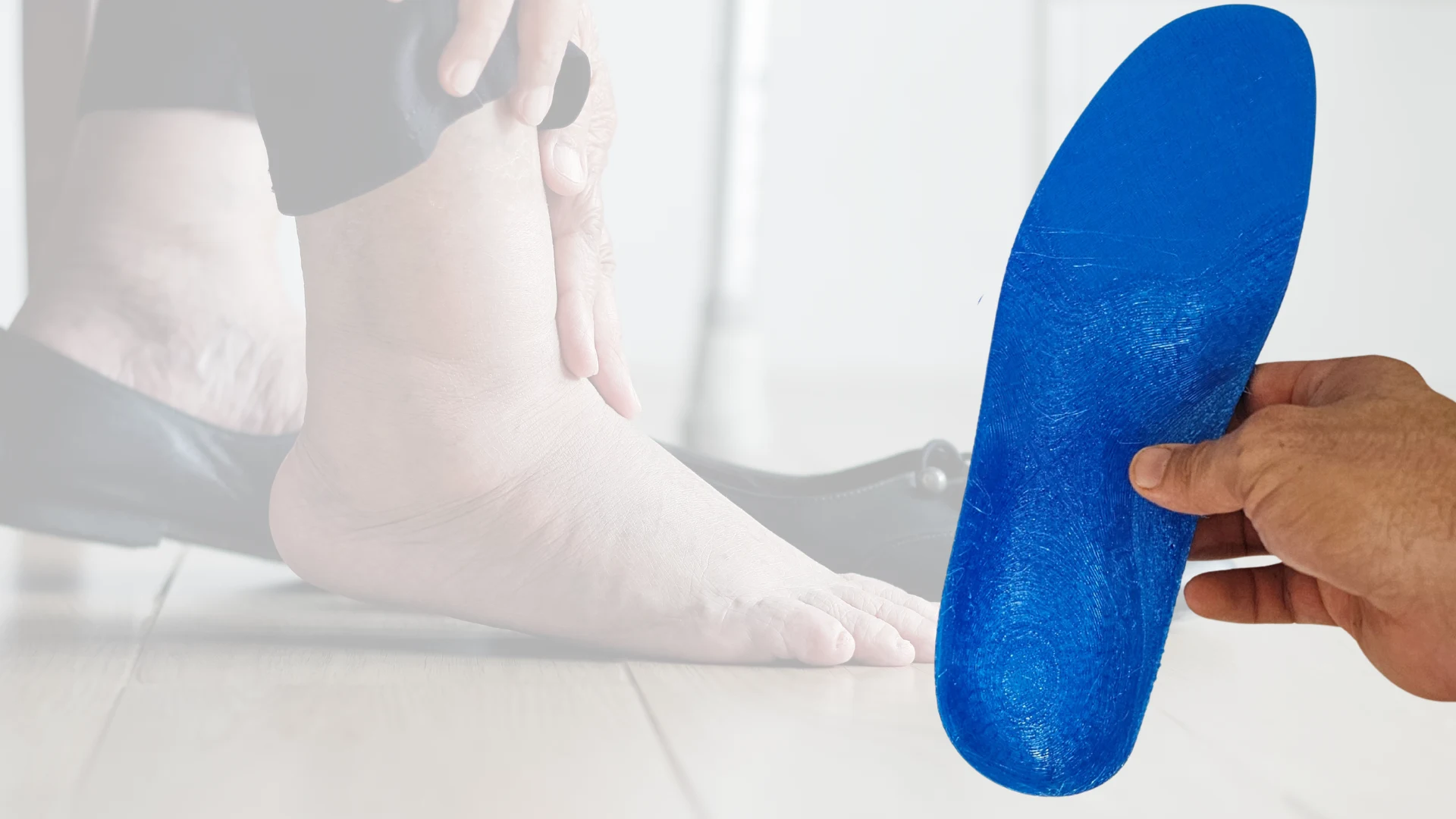
Watch: BEST 25 Plantar Fasciitis HOME Treatments [Massage, Stretches, Shoes] — MichiganFootDoctors YouTube
When to See a Podiatrist
Painful flat feet in adults can signal posterior tibial tendon dysfunction — a progressive condition that needs early intervention to avoid surgery. Balance Foot & Ankle evaluates adult flatfoot with weight-bearing imaging and custom orthotic prescriptions. Catching PTTD at stage 1-2 makes the difference between a brace and a reconstruction.
Call Balance Foot & Ankle: (810) 206-1402 · Book online · Offices in Howell & Bloomfield Township
Frequently Asked Questions: Shoes for Flat Feet in Women
How do I know if I have flat feet?
The wet test is the simplest home assessment: wet the bottom of your foot and step on a paper bag or piece of cardboard. If your entire foot print shows — with no curved indentation along the inner sole — you have flat feet. A normal arch print shows a distinct concave area along the inner foot. If you see minimal indentation, you have mild flat feet. If you see none whatsoever, you have significant flat feet. Confirm with a podiatrist who can assess flexibility, severity grade, and whether PTTD is present. Dr. Tom uses digital pressure mapping at Balance Foot & Ankle for precise arch assessment.
Can flat feet be corrected, or just managed?
In adults, structural flat feet cannot be fully corrected without surgery. The bony and ligamentous architecture has already adapted. However, the functional consequences — overpronation, arch pain, plantar fasciitis, knee pain — can be effectively controlled and in many cases completely resolved with proper footwear, orthotics, and strengthening exercises. In children under 8, the arch can still develop with intervention, making early identification critical. For adults, the goal is symptom-free function rather than structural normalization. Surgical reconstruction is available for severe PTTD (flatfoot reconstruction with calcaneal osteotomy, posterior tibial tendon transfer, and Achilles lengthening), but is reserved for cases where conservative management has failed.
Are stability shoes the same as motion control shoes?
No — these are distinct categories with different levels of anti-pronation support. Stability shoes feature a moderate medial post and semi-curved last, appropriate for mild-to-moderate overpronation. Motion control shoes feature the firmest medial post, straightest last, most rigid heel counter, and are designed for severe overpronation. Motion control shoes (NB 1540v3, Brooks Addiction Walker) are heavier and more structured but provide maximum arch support. For women with mild or moderate flat feet, stability shoes are generally more comfortable and sufficient. For women with severe flat feet or PTTD, motion control is the appropriate starting point.
Can I wear my custom orthotics in the shoes on this list?
Yes — all six shoes on this list have removable insoles that can be replaced with custom orthotics. When using custom orthotics, the shoe should be at least one stability tier below the orthotic’s correction level to avoid overcorrection. For example, if using a semi-rigid custom orthotic, a stability shoe (Adrenaline GTS, Kayano) pairs better than a motion control shoe, which may create excessive supination (outward tipping). Dr. Tom fits custom orthotics at both Balance Foot & Ankle locations and can provide specific shoe pairing recommendations based on your orthotic prescription.
Do I need arch support if my flat feet don’t hurt?
Yes — pain is a lagging indicator of structural damage, not a reliable guide to when intervention is needed. The plantar fascia, posterior tibial tendon, and medial ankle ligaments sustain micro-trauma with every step in unsupported flat feet. This damage accumulates silently until a threshold is crossed — often manifesting suddenly as severe plantar fasciitis or PTTD after years of painless overpronation. Supporting flat feet when they are asymptomatic is significantly more effective (and less expensive) than treating plantar fasciitis, PTTD, or cartilage damage after symptoms develop. Think of it as a structural maintenance investment, not a pain treatment.
What heel drop is best for women with flat feet?
Most flat-footed women do best with 8-12mm heel drop, which reflects the traditional running shoe geometry their Achilles tendon and plantar fascia have adapted to over years of wearing conventional footwear. A higher heel drop (10-12mm) slightly reduces Achilles and plantar fascia tension, which is helpful when plantar fasciitis is present alongside flat feet. Zero-drop and low-drop shoes (0-4mm) are generally not recommended for flat-footed women unless Achilles and plantar fascia adaptation has been achieved gradually over many months — the combination of flat feet (already stretching the fascia maximally) and zero drop (further increasing plantar fascia tension) is a common path to serious injury.
Is it normal for flat feet to get worse with age?
Progressive arch collapse is common in women, especially those who have not worn supportive footwear consistently throughout their adult life. The posterior tibial tendon — the primary dynamic arch support structure — gradually elongates and weakens from chronic low-level overload. This process accelerates during pregnancy, menopause, and with weight gain. However, progression is not inevitable. Women who transition to stability or motion control footwear and add arch-strengthening exercises consistently halt or significantly slow progression in Dr. Tom’s clinical experience. Women who present with rapid progression — notable arch flattening over 1-2 years — need professional evaluation to rule out active PTTD, which may require more aggressive intervention to prevent further collapse.
Can flat feet cause knee or hip pain?
Absolutely — this is one of the most underrecognized aspects of flat feet. The overpronation that accompanies flat arch collapse drives tibial internal rotation, which increases valgus (knock-knee) stress at the medial knee compartment and increases iliotibial band tension at the lateral knee. Over years, this creates a significantly higher risk of medial compartment osteoarthritis, patellofemoral syndrome, and IT band syndrome in flat-footed women compared to those with normal arches. The hip and lower back are affected through the same kinetic chain — anterior pelvic tilt secondary to tibial internal rotation is a common finding. Many women see Dr. Tom for knee or hip pain and discover that flat feet are the upstream cause. Correcting the foot foundation often resolves knee and hip symptoms without any direct knee or hip treatment.
What’s the difference between flat feet and overpronation?
Flat feet (pes planus) refers to the structural architecture of the foot — the arch height. Overpronation refers to the motion pattern during gait — the inward rolling of the ankle and heel during foot strike and loading. The two are closely related but not identical. Most women with flat feet overpronate, but the degree varies. Some women with moderate flat feet overpronate minimally due to strong intrinsic foot muscles; others with moderately flat feet overpronate severely due to ligament laxity and muscle weakness. This is why proper assessment — rather than just buying “the most supportive shoe available” — matters. Dr. Tom uses gait analysis and pressure mapping to determine how much each patient actually overpronates and prescribes footwear accordingly.
Can flip-flops or sandals work for women with flat feet?
Most standard flip-flops are completely inappropriate for flat-footed women — they provide zero arch support, no heel counter, and force the toes to grip with every step, creating abnormal forefoot loading. However, there are sandal options specifically designed for flat foot support. Vionic sandals feature a built-in biomechanical footbed with deep heel cup and arch support. OOFOS recovery sandals reduce plantar fascia strain significantly compared to regular footwear. Birkenstock Arizona sandals have a contoured cork footbed with arch support. For casual and beach wear, these sandal options are far superior to standard flip-flops. That said, even the best supportive sandal provides less arch stability than a good stability shoe — save the sandals for short durations and transition back to your stability shoes for walking more than 1-2 miles.
Final Verdict: Which Shoe Is Right for You?
After 20+ years of treating flat feet in women at Balance Foot & Ankle, Dr. Tom’s clinical experience translates to a simple framework for choosing between these six excellent shoes:
You have severe flat feet or early PTTD: New Balance 1540v3. No other OTC shoe provides equivalent motion control support. Add custom orthotics if footwear alone does not resolve symptoms within 8 weeks.
You run or walk high mileage with plantar fasciitis: ASICS Gel-Kayano 30. The dual GEL cushioning zones protect the fascia insertion while the 4D Guidance System controls overpronation through every stride.
You want one versatile stability shoe for daily life: Brooks Adrenaline GTS 23. GuideRails support, DNA LOFT comfort, and all-day wearability make this the most universally applicable choice for mild-to-moderate flat feet.
You are an active runner who wants lighter weight: HOKA Arahi 6. Maximum cushioning feel within a legitimate stability framework, at a weight that does not slow you down.
You have flat feet plus bunions, hammertoes, or diabetic neuropathy: Orthofeet Coral. The widest toe box, non-binding upper, and included orthotic insole address multiple conditions simultaneously in a way no performance shoe can match.
You are on your feet 8+ hours per day at work: Brooks Addiction Walker 2. Motion control, BioMoGo DNA midsole, leather durability, and PDAC certification — the definitive work shoe for flat-footed women in healthcare, service, and education fields.
Any of these six shoes will meaningfully improve foot health compared to standard fashion footwear or neutral running shoes. The best shoe is the one you will actually wear consistently — prioritize both clinical appropriateness and wearability in your final decision. If you are uncertain which tier of support is right for your specific flat feet, Dr. Tom and the team at Balance Foot & Ankle are available for professional fitting evaluations at both Michigan locations.
Flat Feet Causing Pain in Michigan?
Balance Foot & Ankle offers same-week flat feet evaluations, gait analysis, and custom orthotic fitting in Howell and Bloomfield Township, MI.
Book Your Evaluation with Dr. Tom →In Our Clinic
In our clinic, the flat-footed patient who actually needs intervention is the one whose arch is collapsing progressively in adulthood — not the person who was born flat-footed and has been running 5Ks pain-free for 20 years. We evaluate for posterior tibial tendon dysfunction (PTTD) with single-heel-rise testing, check for the “too many toes” sign from behind, and get weight-bearing X-rays. Early PTTD responds well to a custom orthotic with a medial heel skive + short course of boot immobilization. Stage 2+ PTTD is a different conversation — we discuss tendon transfers and calcaneal osteotomy candidates.
In-Office Treatment at Balance Foot & Ankle
When conservative care isn’t enough, Dr. Tom Biernacki and the team at Balance Foot & Ankle offer advanced, same-day options — including Flat Feet Treatment Michigan at our Howell and Bloomfield Township clinics.
Same-week appointments available. Call (810) 206-1402 or book online.
In-Office Treatment at Balance Foot & Ankle
If home treatment isn’t providing relief for your flat feet, our podiatry team at Balance Foot & Ankle can help with same-week evaluations and advanced in-office care.
Same-week appointments available. (810) 206-1402
Doctor Hoy’s Natural Pain Relief Gel
Natural topical pain relief I use in our clinic. Arnica + camphor formula — apply directly to the area 3–4x daily. ($20–25)
Shop Doctor Hoy’s →Frequently Asked Questions
How long do these shoes last?
Quality running shoes last 300-500 miles. Daily walking shoes last 9-12 months. Replace when the midsole feels soft or your symptoms return.
Should I add insoles?
Yes if you have plantar fasciitis or overpronation. Powerstep Pinnacle or a custom orthotic improves results. Healthy feet often do fine with the stock insole.
Are expensive shoes worth it?
Beyond about $130 most extra cost is materials and aesthetics. Match the shoe to your foot type, not budget. The right $80 stability shoe beats the wrong $250 maximalist shoe.
What is Flat feet?
Flat feet is a common foot/ankle condition that affects mobility and quality of life. Understanding the underlying cause is the first step in successful treatment. Our podiatrists at Balance Foot & Ankle perform a hands-on biomechanical exam, review your activity history, and use diagnostic imaging when appropriate to identify the root cause—not just treat the symptom. Many patients have been told to “rest and ice” without a deeper diagnostic workup; our approach is different.
Symptoms and warning signs
Common signs of flat feet include pain that worsens with activity, morning stiffness, swelling, tenderness when palpated, and difficulty bearing weight. If you experience sudden severe pain, inability to walk, visible deformity, numbness or color change, contact our office the same day or visit urgent care—these can signal a more serious injury such as a fracture, tendon rupture, or vascular compromise. Diabetics with any foot wound should seek same-day care.
Conservative treatment options
Most cases of flat feet respond to non-surgical care: structured rest, supportive footwear changes, custom orthotics, targeted stretching and strengthening protocols, anti-inflammatory medications when medically appropriate, and in-office procedures such as ultrasound-guided injections. We also offer advanced therapies including laser therapy, EPAT/shockwave, regenerative injections, and image-guided procedures. Treatment is sequenced from least invasive to most invasive, and we explain the rationale at every step.
When is surgery considered?
Surgery is reserved for cases that fail 3-6 months of well-structured conservative care, when there is structural pathology (severe deformity, complete tear, advanced arthritis), or when imaging shows damage that will not heal without intervention. Our surgeons have performed 3,000+ foot and ankle procedures and prioritize minimally-invasive techniques whenever appropriate. We discuss recovery timelines, return-to-activity milestones, and realistic outcome expectations before any procedure is scheduled.
OrthoInfo – AAOS: Adult Flatfoot
Recovery timeline and prevention
Recovery from flat feet varies based on severity and chosen treatment path. Conservative cases often improve within 4-8 weeks with consistent adherence to the protocol. Post-procedural recovery may range from a few days (in-office procedures) to several months (reconstructive surgery). Long-term prevention involves footwear assessment, activity modification, structured strengthening, and regular check-ins with your podiatrist if you have a history of recurrence. We provide written home-exercise plans and digital follow-up support.
Ready to feel better?
Same-week appointments available in Howell and Bloomfield Township, Michigan.
Book Your VisitFrequently Asked Questions: Best Shoes for Women with Flat Feet
What shoes are best for women with flat feet?
The best shoes for women with flat feet provide structured arch support, a firm medial post for overpronation control, a stable wide base, and a low heel-to-toe drop. Top picks include Brooks Adrenaline GTS, New Balance 860, ASICS GT-2000, and Hoka Arahi. Avoid flat ballet flats, flip-flops, and fashion sneakers with no internal structure.
Can the right shoes fix flat feet?
Shoes alone cannot correct structural flat feet, but they significantly reduce associated symptoms — plantar fasciitis, shin splints, and knee pain. Custom orthotics combined with supportive footwear are the gold standard for managing flat foot pain long-term. The goal is symptom control and biomechanical support, not structural correction.
How do I know if a shoe is good for flat feet?
A good flat-feet shoe resists twisting when held at both ends, has a visible arch support ridge on the insole, a firm non-collapsing heel counter, and a 6–10mm heel drop. If the shoe folds easily in half or has no internal arch structure, it is unsuitable for flat feet and will worsen symptoms over time.

Dr. Tom Biernacki, DPM is a board-certified foot & ankle surgeon (ABFAS & ABPM) at Balance Foot & Ankle Specialists in Southeast Michigan. With over a decade of clinical experience, he specializes in heel pain, bunions, diabetic foot care, sports injuries, and minimally invasive surgery. Dr. Biernacki is a member of the APMA and ACFAS, and his patient education content on MichiganFootDoctors.com and YouTube has made him one of the most-followed foot & ankle educators on YouTube.
More questions patients ask
Should women with flat feet avoid certain types of shoes?
Women with flat feet should avoid flat, unsupportive shoes like flip-flops, ballet flats, and high heels, all of which allow or worsen overpronation. Zero-drop minimalist shoes can also be problematic for flat feet without adequate arch strength. Any shoe without a firm heel counter and medial arch support places women with flat feet at higher risk for plantar fasciitis, shin splints, and knee pain.
Can flat feet in women be corrected with shoes?
Shoes alone cannot structurally correct flat feet, but they can significantly reduce symptoms and prevent related problems. Stability shoes with medial post support control excessive pronation during walking and running. For functional correction, custom orthotics prescribed by a podiatrist are the most effective non-surgical option and can be worn in most athletic and casual shoes.
Still have a question about coverage or cost? Book online and we will check your benefits before your visit: Book in Howell · Book in Bloomfield Township. Prefer to talk it through first? Call (810) 206-1402.