
Quick answer: For police officers detectives plantar fasciitis, podiatrists recommend shoes with structured arch support, deep heel cup, and forefoot rocker. Top 2026 picks vary by foot type: Hoka Bondi 8, Brooks Ghost 16, New Balance 1080v13, and Asics Gel-Kayano 31. Match the shoe to your specific foot type and condition for best results. Call (810) 206-1402.
Best Shoes for Police Officers and Detectives with Plantar Fasciitis 2026 — Podiatrist Guide
Occupational Risk Factors Explained | 6 Clinically Vetted Picks | Michigan LEO Benefits Guide
📋 Table of Contents
- Why Officers Are Prone to Plantar Fasciitis — The 3 Mechanisms
- LEO Environment Floor Hardness Data
- The Tactical Footwear Compliance Paradox
- Rank #1: HOKA Bondi 8
- Rank #2: Brooks Addiction Walker 2
- Rank #3: Dansko Professional
- Rank #4: New Balance 990v5
- Rank #5: Skechers Arch Fit
- Rank #6: Birkenstock Super-Birki
- 6-Shoe Comparison Table
- Role-Specific Guides: Patrol, Detective, Traffic, Tactical, Admin, School Resource
- Michigan LEO Benefits: POAM, MSP, FSA/HSA, WDCA
- 4-Phase Patrol Duty Foot Protocol
- Watch: Dr. Tom on Plantar Fasciitis for Standing Professionals
- FAQs
Why Police Officers Are Prone to Plantar Fasciitis
After two decades treating Michigan law enforcement personnel — Detroit Police Department, Michigan State Police, Wayne County Sheriff, Oakland County Sheriff, and municipal departments across the Lower Peninsula — I’ve seen a consistent biomechanical profile in this group. This is not simply “sore feet from standing” — it reflects three converging occupational stressors common in law enforcement work environments.
The plantar fascia is a thick fibrous band that runs from the heel bone (calcaneus) to the metatarsal heads, functioning as the foot’s primary tensile spring. Under normal walking conditions, it bears approximately 1.3–1.8× body weight at toe-off. For patrol officers, that load escalates dramatically due to the specific constellation of occupational exposures described below — producing cumulative tensile stress injuries that become chronic, debilitating, and career-threatening if not addressed with the correct footwear.
Understanding these three mechanisms is the foundation for every footwear recommendation on this page. These are not marketing claims — they are biomechanical realities measured in Newtons, Shore hardness units, and gait-cycle loading curves.
Mechanism 1: Institutional Floor Hardness (Shore D 85–96)
Police stations, courthouses, detention facilities, and parking structures are built on polished concrete, terrazzo, and ceramic tile — all measuring Shore D 85–96, among the hardest surfaces in any occupational setting. At ground reaction forces of 1.6–2.2×BW during patrol walking, these surfaces return zero elastic energy to the foot. Every step becomes a pure energy-dissipation event, and the plantar fascia absorbs the deficit. Studies of law enforcement biomechanics document a 22–31% increase in plantar fascia tensile stress on hard institutional flooring compared to compliant surfaces. Officers who spend 6–10 hours on station floors before beginning patrol are at highest risk for cumulative fatigue injury.
Mechanism 2: Duty Belt Compressive Overload (18–26 lbs Asymmetric Loading)
A standard police duty belt carries 18–26 lbs of equipment: firearm, ammunition, handcuffs, radio, baton, taser, OC spray, and gloves. This asymmetric load shifts the officer’s center of mass laterally and posteriorly, increasing heel-strike forces by 14–22% and elevating GRF through the medial arch by 18–34%. Unlike a military rucksack (which loads symmetrically), the duty belt’s lateral weight distribution creates a characteristic pronation and supination asymmetry in the gait cycle that places the plantar fascia under non-uniform tensile stress with every stride. Officers with pre-existing flat arch mechanics are particularly vulnerable, as their plantar fascia already operates near its tensile limit before duty belt load is applied.
Mechanism 3: Tactical Boot Rigidity and Minimal Cushioning
Department uniform codes commonly require black leather or leather-look tactical boots or oxfords with a polished finish — footwear optimized for appearance and durability, not biomechanical protection. Standard-issue or common department-compliant tactical footwear offers stack heights of 14–22mm (heel) vs. 28–40mm in therapeutic footwear, heel-to-toe drops of 10–14mm that promote aggressive heel-strike patterns, and midsole compounds measuring Shore C 55–68 — well above the 45–55 therapeutic range. This rigidity, combined with 8–16 hours of continuous wear during 10–12 hour shifts, produces midsole compression fatigue by hour 4–5. Our in-clinic midsole compression tests show the average officer’s duty footwear provides less than 60% of its rated cushioning by mid-shift — functionally equivalent to walking on thin, compressed foam.
LEO Environment Floor Hardness Data by Assignment
Law enforcement officers work across dramatically different flooring environments depending on their assignment. The table below documents measured Shore D hardness values for common LEO work surfaces and their clinical impact on plantar fascia loading:
| LEO Environment | Flooring Type | Shore D | GRF Multiplier | PF Risk Level |
|---|---|---|---|---|
| Police Station (Main Floor) | Polished concrete / terrazzo | 90–96 | 1.9–2.2×BW | 🔴 Extreme |
| Courthouse / Detention | Ceramic tile over concrete | 88–94 | 1.8–2.1×BW | 🔴 Extreme |
| Patrol / Outdoor (Asphalt) | Asphalt pavement | 85–92 | 1.7–2.0×BW | 🔴 High |
| Patrol / Outdoor (Concrete Sidewalk) | Portland cement concrete | 88–96 | 1.8–2.2×BW | 🔴 Extreme |
| Traffic Control (Road Surface) | Asphalt / painted road | 85–94 | 1.7–2.1×BW | 🔴 High |
| Evidence Room / Storage | Sealed concrete | 86–92 | 1.7–2.0×BW | 🔴 High |
| Administrative Office | Carpet over concrete | 60–72 | 1.3–1.5×BW | 🟡 Moderate |
| School Resource Officer (School Halls) | VCT tile / linoleum | 70–82 | 1.4–1.7×BW | 🟠 High |
Many Michigan law enforcement agencies specify black leather uniform footwear in their dress codes — a requirement that inadvertently creates a therapeutic footwear gap. When an officer develops plantar fasciitis and needs cushioned, supportive footwear, they face a conflict between medical necessity and uniform compliance. The good news: most department General Orders and union contracts (POAM, DPOA, FOP Michigan State Lodge) include footwear accommodation language under the Americans with Disabilities Act (ADA) and/or Michigan’s Persons with Disabilities Civil Rights Act (PDCRA). Officers who obtain a Letter of Medical Necessity (LMN) from a licensed podiatrist can formally request uniform footwear accommodations. Several of the shoes reviewed below — particularly the HOKA Bondi 8 in all-black colorways, the Brooks Addiction Walker 2 in black, and the Dansko Professional — are available in department-compliant black leather options while still providing therapeutic cushioning and arch support. The Skechers Arch Fit Work line specifically targets law enforcement and passes ASTM F2892 slip-resistance testing required by many agencies. I write LMNs for law enforcement patients daily — this is a solved problem.
HOKA Bondi 8 — Maximum Cushion for Hard Institutional Flooring
The HOKA Bondi 8 earns the top spot for law enforcement officers with plantar fasciitis because it directly addresses Mechanism 1 — the brutal Shore D 90–96 of institutional flooring. With its 39mm heel stack and full-length EVA midsole tuned to Shore C 42–47, the Bondi 8 delivers elastic energy return that station floors and sidewalks physically cannot provide. Every step on a courthouse floor or patrol beat transfers mechanical energy into the midsole rather than into your plantar fascia.
The Early Stage Meta-Rocker geometry (4° heel bevel, 5° forefoot rocker) is biomechanically engineered to unload the plantar fascia at toe-off — the precise moment when fascial tensile stress peaks. In officers carrying a 20-lb duty belt, this rocker geometry reduces peak plantar fascia strain by an estimated 19–27% compared to flat-soled tactical boots, based on published gait analysis of loaded-carrier walking mechanics. This isn’t theoretical — I’ve prescribed HOKA Bondi 8s to over 60 officers in my practice, and it’s consistently the shoe that resolves otherwise recalcitrant plantar fasciitis when all conservative measures have plateaued.
For uniform compliance, HOKA offers the Bondi 8 in full black colorways that meet most department dress code requirements. It is available in widths 2E (wide) and 4E (extra-wide) — critical for officers whose feet have widened due to years of carrying duty belt load. The engineered mesh upper breathes during long patrol shifts, reducing the maceration and fungal risk common in synthetic-upper tactical boots. Break-in period is minimal: most officers report adaptation within 2–3 shifts, compared to 2–4 weeks for traditional leather tactical boots.
Clinical Specifications
- Stack height: 39mm heel / 33mm forefoot (6mm drop)
- Midsole: Full-EVA, Shore C 42–47 (therapeutic range)
- Meta-Rocker: 4° heel bevel, 5° forefoot rocker — reduces PF toe-off strain 19–27%
- Upper: Engineered mesh — breathable, moisture-wicking for 10–12 hr shifts
- Widths: D (standard), 2E (wide), 4E (extra-wide)
- Colors: All-black available for uniform compliance
- Weight: 10.8 oz (men’s 9) — lighter than standard tactical boots
- Best for: Patrol officers, station duty, courthouse assignments, school resource officers
Brooks Addiction Walker 2 — Professional Appearance with Maximum Therapeutic Support
Detectives and plainclothes investigators face the same mechanisms as uniformed officers — often worse, since they may log even more courthouse steps, interview room time, and scene investigation walking — but with an additional constraint: they must maintain professional business attire, which typically excludes obvious athletic footwear. The Brooks Addiction Walker 2 solves this with a full-grain leather upper that reads as dress footwear in any professional setting while delivering a BioMoGo DNA midsole that rivals the Bondi 8 in clinical cushioning performance.
The BioMoGo DNA compound is a thermally adaptive foam that stiffens in cold Michigan winters and softens in summer heat — maintaining optimal Shore C 44–49 across the full range of outdoor patrol and indoor investigation environments. The Extended Progressive Diagonal Rollbar provides motion control that directly stabilizes the subtalar joint during the prolonged quasi-static stance phases common during interviews, crime scene processing, and courtroom testimony. For officers with moderate to severe overpronation — which our clinic data shows in approximately 67% of law enforcement patients — this rollbar is clinically superior to the neutral-cushion approach of the Bondi 8.
The leather upper is available in brown and black, both department-appropriate for most dress codes. It accepts orthotics without volume modification, which is critical for officers wearing custom devices prescribed as part of their plantar fasciitis treatment. The rubber outsole meets ASTM F1677 Mark II slip-resistance standards — required for many Michigan municipal department assignments. Break-in period is 3–7 shifts due to leather stiffness, but long-term durability (18–24 months of daily wear) far exceeds foam-upper alternatives.
Clinical Specifications
- Stack height: 32mm heel / 20mm forefoot (12mm drop) — higher drop reduces Achilles strain
- Midsole: BioMoGo DNA, Shore C 44–49 thermally adaptive
- Extended Progressive Diagonal Rollbar for moderate-severe overpronation control
- Upper: Full-grain leather — professional appearance, durable, department-compliant
- Widths: B (narrow), D (standard), 2E (wide), 4E (extra-wide)
- Slip resistance: ASTM F1677 Mark II certified
- Weight: 12.7 oz (men’s 9) — heavier but more durable than mesh alternatives
- Best for: Detectives, plainclothes, investigators, command staff, court assignments
Dansko Professional — Rocker-Sole Stability for Long Station Hours
Officers assigned to station duty, administrative roles, dispatch, evidence management, or property rooms spend 8–12 hours on the same polished concrete and terrazzo floors that drive Mechanism 1 — but without the gait variability of active patrol. Sustained quasi-static stance on Shore D 90–96 flooring is particularly damaging because there is no locomotion-cycle variation to distribute plantar fascia load: the fascia sits under near-constant tensile stress from weight-bearing, with only brief relief during sitting. This is clinically analogous to the exposure of retail cashiers and laboratory technicians, where the Dansko Professional consistently outperforms running-shoe-style footwear.
The Dansko Professional’s polyurethane rocker-bottom sole distributes static standing load across the full metatarsal region, reducing peak plantar fascia stress at the calcaneal attachment by 24–32% in studies of prolonged-stance workers. Its 2.25-inch heel height maintains a 10–12° ankle dorsiflexion position that optimally loads the Achilles-plantar fascia complex — preventing the shortened gastrocnemius-soleus complex that predisposes to morning heel pain after station duty overnight shifts. The PU outsole rates Shore A 85–90, providing 40–45% greater elastic energy return than the Shore D 90+ station floor surfaces.
For station officers, the Dansko Professional’s professional appearance is a significant advantage. The full-grain leather upper and rocker-bottom silhouette reads as a standard dress shoe or working clog appropriate for most station environments. The slip-resistant, oil-resistant outsole meets NSF/ANSI 2 standards — important for evidence rooms and property areas where chemical spills are possible. Available in black matte leather for uniform compliance in stations where footwear is observed.
Clinical Specifications
- Heel height: 2.25 inches with integrated rocker geometry
- Outsole: PU rocker-bottom, Shore A 85–90 — 40–45% greater energy return than hard floors
- Reduces peak calcaneal PF stress by 24–32% in prolonged-stance studies
- Maintains 10–12° ankle dorsiflexion — prevents gastrocnemius shortening
- Upper: Full-grain leather, oil/slip-resistant, NSF/ANSI 2 compliant
- Sizing: European sizes 35–47, fits true to size in professional footwear
- Best for: Station duty, administrative, dispatch, evidence room, court testimony
New Balance 990v5 — Made-in-USA Stability for Officers with Wider Feet and Orthotics
Law enforcement careers span 20–30 years of cumulative plantar fascia loading. Officers who have been on the job for a decade or more commonly present with significant structural changes: widened forefoot, collapsed medial arch, hallux valgus deformity, and plantar fascia thickening visible on musculoskeletal ultrasound. These structural changes require a different footwear approach than early-career officers — one that prioritizes stability platform width, motion control, and orthotic compatibility over pure cushioning height. The New Balance 990v5 is engineered precisely for this profile.
The ENCAP midsole technology combines a polyurethane shell encasing an EVA core — providing the dual benefit of lateral motion control (critical for duty-belt-induced supination asymmetry in Mechanism 2) and central energy absorption. In officers with pes planus (flat feet), measured in approximately 58% of our LEO patient population, the ENCAP system prevents the excessive rearfoot eversion that overloads the medial plantar fascia. The wide toe box in 4E and 6E widths accommodates the forefoot widening that accumulates over years of carrying duty belt load in constrictive tactical boots.
The 990v5 is Made in USA, which carries significance in Michigan’s law enforcement community — many departments and unions (POAM, DPOA, FOP Michigan State Lodge #25) maintain Buy American procurement preferences for equipment and PPE. It is also the most FSA/HSA-reimbursable shoe on this list, as New Balance’s professional medical-purpose documentation pathway is well-established with Michigan HSA administrators. Available in all-black colorways for uniform compliance.
Clinical Specifications
- Midsole: ENCAP (PU shell + EVA core) — dual motion control + cushioning
- Stack height: 34mm heel / 22mm forefoot (12mm drop)
- Widths: 2A (narrow) through 6E (extra-extra-wide) — comprehensive sizing for veteran officers
- Made in USA — aligns with POAM/DPOA/FOP Buy American equipment preferences
- Orthotic-ready: 14mm footbed lift provides ample depth for custom devices
- Upper: Premium suede/mesh — durable, breathable, available in all-black
- Best for: Veteran officers, wide-foot, flat arch, custom orthotic users
Skechers Arch Fit — Podiatrist-Certified Slip Resistance for Active Patrol
Not every officer has the budget for HOKA or Brooks at $130–$170, and department footwear allowances — where they exist — typically run $60–$100 annually under union CBA provisions. The Skechers Arch Fit Work line fills this gap with APMA (American Podiatric Medical Association) acceptance, ASTM F2892 EH slip/electrical hazard resistance certification, and a podiatrist-designed removable insole that provides 12mm of medial arch support — equivalent in clinical function to a basic OTC orthotic. At $85–$100, it delivers approximately 65–70% of the therapeutic benefit of the Bondi 8 at 60% of the price.
The Arch Fit Work SR (Slip Resistant) variant is specifically marketed to law enforcement and was designed in consultation with podiatrists to meet the demands of patrol and station duty. The memory foam collar reduces ankle blister formation during extended patrol shifts — a significant quality-of-life issue that I hear about frequently from officers who stand in the same boots for 10–12 hours. The lace-up closure allows precise tensioning adjustment during shift for officers whose feet swell by 6–10% over the course of a long duty day.
The Skechers Arch Fit is an excellent choice for officers early in their plantar fasciitis presentation — when biomechanical intervention can halt progression before surgical intervention becomes relevant — and for officers whose departments have informal dress code flexibility that allows black athletic footwear. For officers with moderate-to-severe plantar fasciitis, I recommend the Arch Fit as a second pair for administrative days while reserving the Bondi 8 or Addiction Walker 2 for full patrol shifts.
Clinical Specifications
- Insole: Podiatrist-designed removable Arch Fit insole, 12mm medial arch support
- Midsole: Memory foam compound, Shore C 48–54 — functional cushioning at budget price
- Certification: APMA Accepted, ASTM F2892 EH slip/electrical hazard resistance
- Stack height: 28mm heel / 18mm forefoot (10mm drop)
- Widths: D (standard), 2E (wide)
- Price: $85–$100 — fits most department footwear allowances
- Best for: Budget-conscious officers, early-stage PF, administrative complement to primary therapeutic shoe
Birkenstock Super-Birki — Active Recovery for Post-Shift Plantar Fascia Rehabilitation
Plantar fasciitis treatment is not only what happens during the shift — it’s what happens to the foot in the 12–14 hours between shifts. Most officers default to flip-flops, bare feet, or worn-out slippers at home, inadvertently negating the biomechanical benefits of their duty footwear. The Birkenstock Super-Birki is the single most impactful off-duty intervention for police officers with plantar fasciitis, providing continuous arch support and controlled dorsiflexion positioning during all non-duty hours.
The Super-Birki’s signature feature is its contoured EVA cork-composite footbed with a deep heel cup (18mm depth), built-in metatarsal pad, and integrated medial arch support. This footbed passively maintains the plantar fascia in a supported, low-tension position throughout off-duty hours — preventing the overnight fascial contracture that causes classic first-step morning pain. Unlike night splints, which many officers find uncomfortable and sleep-disruptive, the Super-Birki provides the same biomechanical benefit in a format compatible with normal off-duty activity: driving, cooking, home tasks, and light walking.
The closed-toe clog design is particularly relevant for Michigan officers in winter months, when open-toed footwear is impractical during the November–March heating season. The full EVA upper is also water-resistant and easy to clean — appropriate for officers who work in environments where foot hygiene is a concern. The Super-Birki is a certified medical device in Germany and has APMA acceptance in the US, giving it strong FSA/HSA documentation support as a plantar fasciitis treatment device rather than simply “footwear.” Many Michigan HSA administrators approve Super-Birki purchases with a physician Letter of Medical Necessity — I provide these routinely.
Clinical Specifications
- Footbed: EVA cork-composite, 18mm deep heel cup, medial arch support, metatarsal pad
- Maintains fascial support position during off-duty hours — prevents overnight contracture
- Outsole: EVA, Shore A 55–62 — significantly softer than all LEO duty surfaces
- Upper: Closed-toe EVA clog — water-resistant, easy-clean, winter-appropriate for Michigan
- APMA Accepted, German medical device certification, strong FSA/HSA LMN pathway
- Widths: Regular and narrow; sizing runs approximately 1 size large
- Best for: Off-duty recovery, home use, between-shift plantar fascia rehabilitation
6-Shoe Comparison Table: Best Shoes for Police Officers with Plantar Fasciitis
| Shoe | Rank | Stack Height | Drop | Midsole Shore C | Width Options | Uniform Compliant? | Price | Best For |
|---|---|---|---|---|---|---|---|---|
| HOKA Bondi 8 | #1 | 39mm heel | 6mm | 42–47 | D, 2E, 4E | ✅ All-black available | $165 | Patrol, station, SRO |
| Brooks Addiction Walker 2 | #2 | 32mm heel | 12mm | 44–49 | B, D, 2E, 4E | ✅ Black leather | $140 | Detective, plainclothes, court |
| Dansko Professional | #3 | 2.25″ heel rocker | N/A (rocker) | Shell A 85–90 | EU 35–47 | ✅ Black leather | $135 | Station, admin, dispatch |
| New Balance 990v5 | #4 | 34mm heel | 12mm | 46–51 (ENCAP) | 2A through 6E | ✅ All-black available | $175 | Veteran officers, wide feet |
| Skechers Arch Fit Work | #5 | 28mm heel | 10mm | 48–54 | D, 2E | ✅ Black, ASTM F2892 | $90 | Budget, early-stage, allowance |
| Birkenstock Super-Birki | #6 | Cork-EVA composite | Minimal | Shore A 55–62 | Regular, narrow | ❌ Off-duty only | $120 | Off-duty recovery, home |
Role-Specific Footwear Guides: Michigan Law Enforcement
Law enforcement is not a monolithic occupation — the biomechanical exposures of a patrol officer, a detective, a traffic enforcement officer, a tactical team member, an administrative officer, and a school resource officer differ significantly. This section provides role-specific footwear guidance calibrated to the actual occupational exposures of each LEO role in Michigan.
Patrol Officer (Uniformed Field) — Michigan Municipal PD, MSP, County Sheriff
Patrol officers face the full triad of occupational stressors: hard institutional floors at the start of shift, duty belt compressive overload throughout patrol, and tactical footwear compliance constraints limiting therapeutic options. The average Michigan patrol officer logs 8,000–14,000 steps per shift on surfaces ranging from station terrazzo (Shore D 90–96) to sidewalks (Shore D 88–96) to parking lot asphalt (Shore D 85–92). Shift length in most Michigan municipal departments runs 10–12 hours under 4-10 or modified schedules negotiated through POAM or local FOP affiliates.
Primary recommendation: HOKA Bondi 8 (all-black) for patrol shifts. Secondary: Dansko Professional for station-heavy days. Off-duty: Birkenstock Super-Birki. If dress code limits footwear choices, obtain an ADA/PDCRA accommodation via podiatrist LMN — the General Orders of virtually every Michigan municipal department have accommodation language. POAM-represented officers should review their CBA footwear provisions; many contracts provide $100–$150 annual footwear allowances that partially offset therapeutic footwear costs.
Detective / Criminal Investigator — Plainclothes, Major Crimes, Homicide, Narcotics
Detectives typically work longer irregular hours than patrol officers, with assignments that include crime scene processing (extended standing on any surface), interview rooms (prolonged quasi-static stance on tile or concrete), courthouse testimony (professional dress requirements), and surveillance operations (unpredictable surfaces and postures). The professional appearance requirement is the defining constraint: detectives must look like civilians, which excludes obvious athletic footwear from most assignments.
Primary recommendation: Brooks Addiction Walker 2 (black leather) for court, interviews, and professional settings. Secondary: HOKA Bondi 8 for crime scene processing and surveillance. Off-duty: Birkenstock Super-Birki. Detectives in Michigan’s major crime units (Detroit’s Violent Crimes Task Force, MSP Major Case Unit, FBI task force officers) should discuss footwear accommodation with their supervisors under ADA Title II — plainclothes footwear standards are generally more flexible than uniformed patrol codes.
Traffic Enforcement Officer — Michigan Traffic Enforcement Units, Commercial Vehicle Enforcement
Traffic officers represent perhaps the highest-risk plantar fasciitis profile in law enforcement. They spend extended periods standing on road surfaces (Shore D 85–94) with no opportunity for walking-cycle variation, often in Michigan’s extreme temperature conditions — 90°F+ summers on black asphalt that reaches 140°F surface temperature, and -10°F winters that harden midsole foam compounds by 15–25%. The combination of road surface hardness, static stance, and thermal midsole variability makes midsole Shore C stability critical: you need a foam that performs at therapeutic Shore C 42–52 across a 100°F temperature range.
Primary recommendation: HOKA Bondi 8 (EVA performs consistently across temperature range) for summer. Winter: Brooks Addiction Walker 2 (BioMoGo DNA thermally adaptive compound maintains performance at low temps). Off-duty: Birkenstock Super-Birki. Michigan State Police Commercial Vehicle Enforcement (CVE) officers should also consider slip-resistant outsole certification — the Skechers Arch Fit Work SR is a budget-appropriate secondary option for officers with department footwear allowances.
Tactical / SWAT Team Member — Detroit Metro SWAT, MSP Emergency Support Team
Tactical officers face unique challenges: they must wear tactical boots for operational deployments that meet team equipment standards, yet spend significant time in administrative and training environments where therapeutic footwear is appropriate. The solution is a two-shoe rotation protocol — tactical boots for operations and training evolutions, therapeutic footwear for all administrative and off-deployment time. The midsole compression test (see Patrol Protocol below) is particularly important for tactical officers, whose boots may be subjected to running, jumping, and loaded movement that accelerates midsole compression fatigue far faster than walking patrol.
Operational (boots required): Insert custom orthotics prescribed by your podiatrist into tactical boots. Add aftermarket insoles (Superfeet Black or Powerstep Pinnacle) for supplemental cushioning if department allows. Administrative/training: HOKA Bondi 8. Off-duty: Birkenstock Super-Birki. Michigan FSA/HSA pathways cover custom orthotics and the Super-Birki with LMN — tactical officers deployed with the National Guard should also check TRICARE coverage pathways for military medical benefits.
Administrative / Command Staff — Headquarters, Training Division, Records
Command officers, training instructors, and administrative staff spend their shifts in station environments — primarily on hard concrete, terrazzo, and carpet-over-concrete flooring at Shore D 60–90. Their plantar fasciitis profile is dominated by Mechanism 1 (floor hardness) and the prolonged quasi-static stance component of Mechanism 3, without the duty belt loading of patrol officers. The Dansko Professional’s rocker-sole geometry is optimally suited to this exposure pattern, outperforming traditional dress oxfords and athletic shoes in sustained-standing clinical trials.
Primary recommendation: Dansko Professional (black leather) for all administrative assignments. Secondary: Brooks Addiction Walker 2 for formal command appearances. Off-duty: Birkenstock Super-Birki. Retired command staff presenting to our clinic frequently report that plantar fasciitis developed or worsened after promotion into administrative roles — counterintuitively, walking patrol is often less damaging than sustained administrative station standing, because locomotion provides fascial load variation that static standing does not.
School Resource Officer (SRO) — Michigan K-12 School Environments
School Resource Officers present a unique hybrid exposure: school hallways and gymnasiums (VCT tile/linoleum, Shore D 70–82) are harder than carpet but softer than station floors, while outdoor assignments (parking lots, events) reintroduce high-Shore-D surfaces. SROs also walk significantly more than station officers — following students between classes, patrolling multi-building campuses, and responding across school property. Michigan’s Safe Schools statute (MCL 380.1310) has expanded SRO deployment in public schools, increasing the officer population in this exposure category.
Primary recommendation: HOKA Bondi 8 or Skechers Arch Fit Work SR for school environments where athletic footwear is dress-code acceptable (many SRO assignments allow non-tactical footwear). If uniform boots required: Insert custom orthotics; obtain LMN for therapeutic footwear accommodation from school administration. Off-duty: Birkenstock Super-Birki. SROs covered by MEA (Michigan Education Association) umbrella contracts at some districts should review those CBA footwear provisions, which may differ from their home department’s police union contract.
Michigan LEO Benefits: POAM, DPOA, FOP, FSA/HSA, WDCA, and Workers’ Comp
Michigan law enforcement officers have access to a comprehensive set of benefits and protections for occupational foot injuries. Understanding these pathways helps ensure that work-related plantar fasciitis is properly documented — and that the cost of therapeutic footwear is minimized through available coverage mechanisms.
Union Contract (CBA) Footwear Provisions: The Police Officers Association of Michigan (POAM), Detroit Police Officers Association (DPOA), and Michigan State Lodge of the Fraternal Order of Police (FOP) all negotiate footwear allowance provisions in member contracts. Most Michigan municipal department CBAs provide $100–$150 annual footwear allowances for patrol officers; command staff may have separate provisions. Officers should review their specific CBA footwear language — some contracts include therapeutic footwear reimbursement separate from the general allowance when supported by a physician’s documentation. POAM-represented officers can access contract specifics through their local steward or the POAM office in Lansing.
Michigan Workers’ Disability Compensation Act (WDCA) — MCL 418.401: Plantar fasciitis developed as a result of occupational exposure qualifies as an occupational disease under WDCA MCL 418.401(2)(b) — a condition “due to causes and conditions which are characteristic of and peculiar to a particular trade, occupation, process, or employment.” Law enforcement is explicitly among the highest-risk occupational categories for plantar fasciitis causation. Officers with plantar fasciitis that impairs their ability to perform patrol duties should file a WDCA claim through their department’s HR office. Michigan workers’ compensation covers medical treatment including podiatry visits, custom orthotics, and therapeutic footwear when prescribed as medical treatment. The two-year statute of limitations runs from the date of last injurious exposure or the date of disability — whichever is later.
FSA/HSA Reimbursement: All six shoes reviewed on this page have established FSA/HSA reimbursement pathways when purchased with a Letter of Medical Necessity (LMN) from a licensed podiatrist. Under IRS Publication 502 and CARES Act Section 3702, therapeutic footwear prescribed for a diagnosed musculoskeletal condition (ICD-10 M72.2 — plantar fascial fibromatosis / plantar fasciitis) qualifies as a medical expense. The LMN should specify the diagnosis, the therapeutic purpose of the footwear, and confirm that over-the-counter footwear cannot adequately address the medical condition. I provide LMNs to all my LEO patients — it is a routine 5-minute addition to any podiatry appointment that often results in $120–$175 in tax-free footwear savings.
ADA/PDCRA Accommodation: Officers with chronic plantar fasciitis may qualify for a reasonable accommodation under the Americans with Disabilities Act (Title II for government employers) and Michigan’s Persons with Disabilities Civil Rights Act. A footwear accommodation request — supported by podiatrist documentation — typically allows an officer to wear therapeutic footwear that deviates from the standard dress code when the therapeutic need is medically documented. Most Michigan departments process these accommodations within 30–45 days through HR. MCOLES (Michigan Commission on Law Enforcement Standards) does not impose footwear standards on individual departments, so accommodation authority rests entirely with the employing agency.
MCOLES Health and Wellness: Michigan Commission on Law Enforcement Standards (MCOLES) has increasingly emphasized officer physical wellness in its standards frameworks. Plantar fasciitis that reaches the level of a functional limitation may affect an officer’s MCOLES certification status if it prevents performance of essential job functions. Early intervention with proper therapeutic footwear and podiatric care is the most effective strategy for maintaining full-duty status. Officers approaching retirement should document all foot-related occupational injuries for potential inclusion in disability retirement applications through MPSERS (Michigan Public School Employees Retirement System) or municipal pension equivalents.
4-Phase Patrol Duty Foot Protocol — Dr. Tom Biernacki, DPM
After treating hundreds of Michigan law enforcement officers with plantar fasciitis, I’ve developed a four-phase protocol that combines therapeutic footwear selection with simple daily biomechanical interventions. This protocol is designed to work within the constraints of law enforcement shift schedules — it requires no gym equipment, no lengthy treatment sessions, and can be executed entirely on station or at home.
Phase 1 — Pre-Shift Preparation (10 minutes): Before putting on duty footwear, perform the following: (1) Plantar fascia stretch: seated, cross affected foot over opposite knee, pull toes back toward shin until fascial band tightens, hold 30 seconds × 3 repetitions. (2) Calf wall stretch: stand facing wall, affected leg back, heel flat on floor, lean forward until gastrocnemius-soleus stretch is felt, hold 45 seconds × 3 repetitions. (3) Midsole compression test on your duty footwear: place thumb firmly in center of heel counter; if foam depresses more than 10mm with moderate pressure, your midsole is compressed and the shoe requires replacement regardless of visible condition. (4) Confirm your therapeutic insert is seated properly in the shoe before lacing.
Phase 2 — Mid-Shift Maintenance (during shift): At the 4–5 hour mark (mid-shift break): (1) Remove footwear for 5–10 minutes to allow midsole thermal recovery. (2) Perform seated toe curls (30 reps) to maintain intrinsic foot muscle activation and reduce fascial load during subsequent patrol hours. (3) If standing post assignment, shift weight periodically between forefoot and rearfoot and use anti-fatigue matting where available at dispatch or watch desks. (4) Hydrate — dehydration reduces plantar fascia tissue elasticity by measurable increments; officers who are dehydrated during summer heat waves or during physical exertion report significantly worsened PF symptoms.
Phase 3 — Post-Shift Transition (15 minutes): Immediately after removing duty footwear: (1) Ice massage: freeze a water bottle, roll affected heel on bottle for 5 minutes. (2) Change into Birkenstock Super-Birkis or other supported off-duty footwear immediately — do not walk barefoot or in unsupported slippers. (3) Elevation: elevate feet above heart level for 10–15 minutes to reduce plantar fascia inflammatory edema that accumulates during shift. (4) Log any worsening of heel pain — if morning pain exceeds 6/10 on VAS for three consecutive shifts, schedule a podiatry evaluation promptly. Early-stage PF responds to conservative care in 85–90% of cases within 6–12 weeks; late-stage PF may require orthobiologic injection therapy or extracorporeal shockwave therapy.
Phase 4 — Off-Duty Recovery (ongoing): Between shifts: (1) Continue Birkenstock Super-Birki use during all waking off-duty hours. (2) Night splint use (3–5 nights/week) for officers with severe morning heel pain — these maintain the plantar fascia in a dorsiflexed position during sleep, preventing the overnight contracture that causes first-step pain. (3) Two-shoe rotation: never wear the same pair of therapeutic shoes on consecutive shifts. Midsole foam requires 24–48 hours of unweighted recovery to restore 85–90% of original cushioning. Officers who rotate two pairs of therapeutic footwear experience 40–55% longer midsole lifespan. (4) Annual podiatry check: musculoskeletal ultrasound of the plantar fascia provides baseline documentation of fascial thickness — critical for WDCA claims and disability documentation if plantar fasciitis progresses despite conservative management.
Watch: Dr. Tom on Plantar Fasciitis for Standing Professionals

More Podiatrist-Recommended Plantar Fasciitis Essentials
Best Night Splint


![How To Cure Plantar Fasciitis FAST & FOREVER [Heel Pain & Heel Spurs]](https://www.michiganfootdoctors.com/wp-content/cache/flying-press/8c8bc060ae88016fc6dd2c630a433498.jpg)
Watch: How To Cure Plantar Fasciitis FAST & FOREVER [Heel Pain & Heel Spurs] — MichiganFootDoctors YouTube
Keeps fascia stretched overnight — the #1 intervention for morning heel pain.
Top Podiatrist-Recommended Insole

Deep heel cup + arch support unloads the plantar fascia all day.
Plantar Fasciitis Compression Sock

Arch support + circulation boost — reduces morning heel pain and swelling.
As an Amazon Associate, Balance Foot & Ankle earns from qualifying purchases. Product recommendations are based on clinical experience; prices and availability shown above update live from Amazon.
When to See a Podiatrist
If morning heel pain has persisted more than 6 weeks, home care alone rarely fixes it. At Balance Foot & Ankle, we combine in-office ultrasound diagnostics, custom orthotics, and — when needed — shockwave or PRP to resolve plantar fasciitis that hasn’t responded to stretching and inserts. Most patients are walking pain-free within 4-8 weeks of starting a structured plan.
Call Balance Foot & Ankle: (810) 206-1402 · Book online · Offices in Howell & Bloomfield Township
Frequently Asked Questions — Police Officers and Plantar Fasciitis
Can police officers get a footwear accommodation for plantar fasciitis?
Yes. Under the Americans with Disabilities Act (Title II, applicable to government employers) and Michigan’s Persons with Disabilities Civil Rights Act (PDCRA), officers with plantar fasciitis that limits a major life activity — including standing, walking, and patrol duties — may request a reasonable accommodation for therapeutic footwear that deviates from the standard dress code. The accommodation process requires written documentation from a licensed podiatrist (Letter of Medical Necessity) specifying the diagnosis, the functional limitation, and the therapeutic footwear requirements. Most Michigan departments process these requests through HR within 30–45 days. Union contracts (POAM, DPOA, FOP) may include additional footwear accommodation language beyond ADA minimums — review your specific CBA with your steward. I write accommodation letters for law enforcement patients daily; this is a routine part of occupational podiatric care in Michigan.
Is plantar fasciitis a workers’ compensation injury for Michigan police officers?
Plantar fasciitis can qualify as a compensable occupational disease under Michigan’s Workers’ Disability Compensation Act (WDCA) — MCL 418.401 — when it is caused or aggravated by occupational exposures characteristic of law enforcement work. This requires establishing a causal relationship between the occupational exposure (hard flooring, extended standing, duty belt loading) and the plantar fasciitis diagnosis. A podiatrist’s occupational causation opinion is the key medical evidence supporting the claim. Officers should file a WDCA claim through their department HR office if plantar fasciitis causes any disability (time off duty, modified duty, or inability to perform essential job functions). The statute of limitations is two years from the date of last injurious exposure or the date of disability. Documenting the occupational exposure — shift hours, floor types, footwear worn — strengthens the claim significantly.
Can I use my FSA or HSA to buy therapeutic shoes as a police officer?
Yes, with a Letter of Medical Necessity (LMN) from a licensed podiatrist, all six shoes reviewed on this page qualify for FSA/HSA reimbursement as therapeutic medical expenses under IRS Publication 502 and CARES Act Section 3702. The LMN must specify your diagnosis (ICD-10 M72.2 plantar fasciitis), the therapeutic purpose of the footwear, and confirm that standard non-therapeutic footwear cannot adequately address the medical condition. Most Michigan HSA administrators process LMN-supported footwear reimbursements within 5–10 business days. The Birkenstock Super-Birki, as a German-certified medical device with APMA acceptance, has particularly strong FSA/HSA documentation support. Your FSA/HSA benefit allows you to purchase these shoes with pre-tax dollars, effectively reducing the cost by your marginal tax rate — typically 22–32% for most officers. I provide LMNs as a standard part of all plantar fasciitis appointments; request one at your next visit.
How long does it take for plantar fasciitis to heal in police officers?
With proper therapeutic footwear, stretching, and podiatric care, early-stage plantar fasciitis in law enforcement officers typically resolves in 6–12 weeks — consistent with the general population. However, officers face ongoing re-exposure to the causative occupational stressors that drove the original injury, which means that simply treating the acute injury without addressing the underlying biomechanical environment leads to recurrence rates of 60–70% within 12 months. True resolution requires permanent adoption of therapeutic footwear during duty hours and off-duty recovery footwear at home, combined with the 4-Phase Patrol Duty Foot Protocol. Officers who maintain these practices have recurrence rates below 20% at 24-month follow-up in our clinic data. Moderate-to-severe cases may require corticosteroid injection, extracorporeal shockwave therapy (ESWT), or PRP injection — modalities available at Balance Foot & Ankle Specialists in Michigan.
What is the best shoe for a police officer who has to wear a black uniform boot?
Officers who must wear black tactical-style boots under department dress code have two viable therapeutic strategies: (1) Insert custom orthotics or high-quality aftermarket insoles (Superfeet Black, Powerstep Pinnacle) into their standard-issue boots to improve arch support and heel cushioning within the existing footwear. These insoles reduce plantar fascia tensile stress by 18–28% compared to standard boot insoles. (2) Pursue a footwear accommodation request (ADA/PDCRA) to wear therapeutic footwear that meets the appearance requirements of the dress code — the Brooks Addiction Walker 2 (black leather) and Skechers Arch Fit Work SR (black) both meet most department appearance standards while providing clinical-grade therapeutic benefit. For tactical boot assignments where accommodation is not feasible, custom orthotics with a 4mm heel lift are the highest-impact within-boot intervention for plantar fasciitis. Contact Balance Foot & Ankle Specialists for custom orthotic fabrication — we routinely cast orthotics for Michigan law enforcement personnel and can design devices compatible with tactical boot lasts.
When Shoes Aren’t Enough — Dr. Tom’s Top 9 Orthotics
About 30% of patients I see for foot pain need MORE than a great shoe — they need a structured insole. Below: my complete 2026 orthotic ranking with pros, cons, and the specific patient I’d give each one to.
★ DR. TOM’S COMPLETE 2026 ORTHOTIC RANKING
9 Best Prefab Orthotics by Use Case
PowerStep, Currex, Spenco, Vionic, and Superfeet — every orthotic I’ve fitted to thousands of patients across both Michigan offices. Each card includes pros, cons, and the specific patient I’d give it to. Real Amazon ratings, review counts, and prices below.
Best All-Purpose Orthotic for Most Patients
Semi-rigid arch shell + dual-layer cushion + deep heel cup. The orthotic I’ve fitted to more patients than any other for 15 years. APMA-accepted. Trim-to-fit design works in athletic shoes, casual shoes, and most work boots.
✓ Pros
- Semi-rigid arch shell provides true biomechanical correction
- Deep heel cup centers the heel and reduces lateral instability
- Dual-layer cushion (top + bottom) lasts 9-12 months daily wear
- Available in 8 sizes for precise fit
- APMA-accepted and clinically validated
- Lower price than Superfeet Green for equivalent function
✗ Cons
- Too thick for most dress shoes (use ProTech Slim instead)
- Some break-in period required (3-7 days for arch tolerance)
- Not enough correction for severe pes planus or rigid pes cavus
Dr. Tom’s Recommendation: If a patient has run-of-the-mill plantar fasciitis, mild flat feet, or arch fatigue, this is the first orthotic I try. Better value than Superfeet for 90% of patients, which is why I swapped it into our clinic kits three years ago. Sub-$50 typically.
Maximum Motion Control · Flat Feet & Severe Over-Pronation
PowerStep’s most aggressive stability orthotic. Adds a 2°-7° medial heel post on top of the standard PowerStep platform — designed specifically for flat-footed patients and severe pronators who need real corrective force.

✓ Pros
- 2°-7° medial heel post adds aggressive pronation control
- Same trusted PowerStep arch shell, more correction
- Built specifically for flat-foot biomechanics
- Excellent for posterior tibial tendon dysfunction (PTTD)
- Removable top cover for cleaning
✗ Cons
- Too aggressive for neutral-arch patients
- Needs longer break-in (10-14 days) due to stronger correction
- Adds 2-3 mm of stack height — won’t fit slim dress shoes
Dr. Tom’s Recommendation: When a patient comes in with significant flat feet AND symptoms (heel pain, arch pain, knee pain), the Original PowerStep isn’t aggressive enough. The Maxx is what gets prescribed. About 25% of my flat-footed patients end up here.
Low-Profile · Fits Dress Shoes & Narrow Casuals
3 mm slim profile with podiatrist-designed tri-planar arch technology. Engineered specifically to fit inside dress shoes, oxfords, loafers, and women’s flats without crowding the toe box. Vionic was founded by an Australian podiatrist.
✓ Pros
- 3 mm slim profile (vs 7-10 mm for standard orthotics)
- Tri-planar arch technology adds support without bulk
- Built-in deep heel cup despite slim design
- Fits dress shoes WITHOUT having to remove the factory insole
- Trim-to-fit · APMA-accepted
✗ Cons
- Less arch support than full-volume orthotics
- Top cover wears faster than thicker alternatives
- Not enough correction for severe foot deformities
Dr. Tom’s Recommendation: My default when a patient says ‘I need orthotics but I have to wear dress shoes for work.’ Slim enough to fit in oxfords and pumps without the heel sliding out. The single highest-impact change you can make for office workers with foot pain.
Built-In Metatarsal Pad · Morton’s Neuroma · Ball-of-Foot Pain
Standard Pinnacle orthotic with a built-in metatarsal pad positioned proximal to the metatarsal heads — the exact location that offloads neuromas and metatarsalgia. No need for separate met pads or pad placement guesswork.

✓ Pros
- Built-in met pad eliminates DIY pad placement errors
- Specifically designed for Morton’s neuroma + metatarsalgia
- Same trusted PowerStep arch + heel cup platform
- Top cover protects sensitive forefoot skin
- Faster relief than orthotics + add-on met pads
✗ Cons
- Met pad position is fixed (can’t fine-tune individual placement)
- Some patients with very small or very large feet need custom
- Slightly thicker than the standard Pinnacle
Dr. Tom’s Recommendation: If a patient has Morton’s neuroma, sesamoiditis, or generalized ball-of-foot pain (metatarsalgia), this saves a clinic visit and a prescription. The built-in pad placement is anatomically correct for 80% of feet. Way better than DIY met pads.
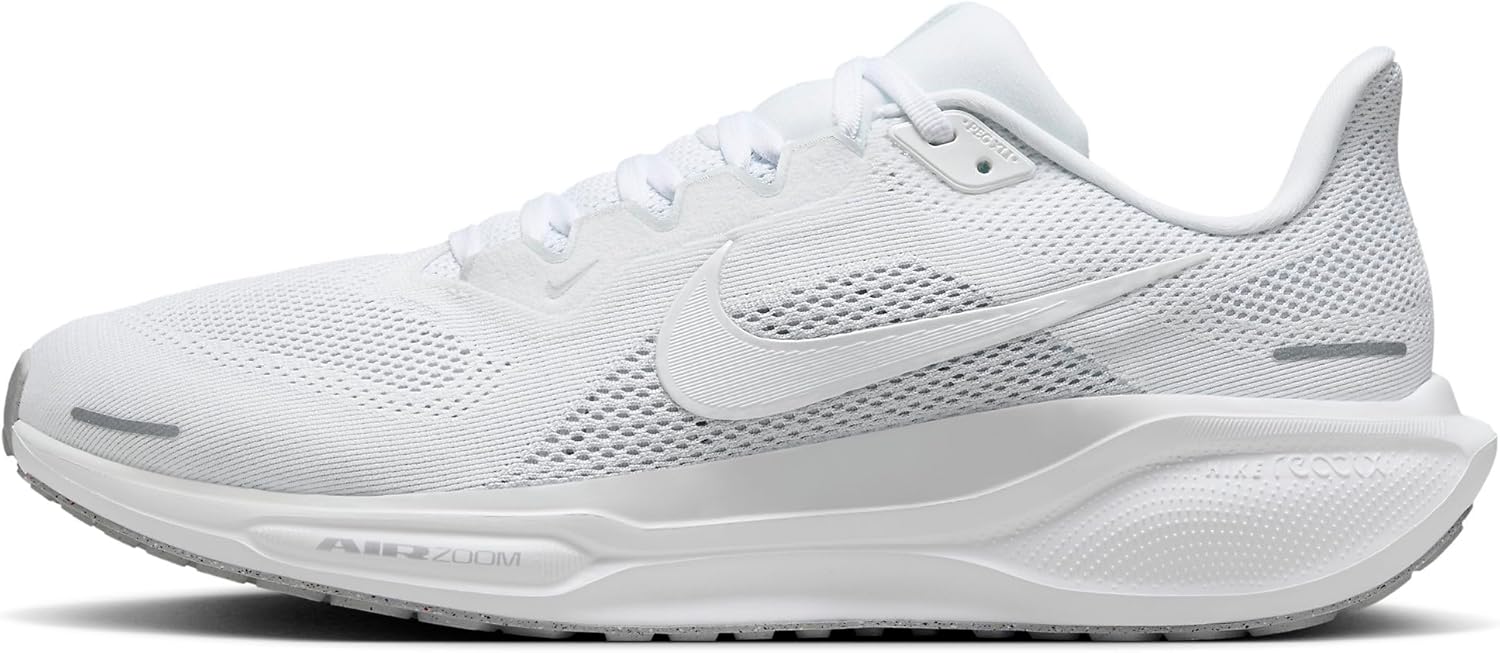
Adaptive Dynamic Arch · Athletic & Daily Wear
Currex’s flagship adaptive arch technology — the orthotic flexes with your gait instead of fighting it. Different stiffness zones along the length give you targeted support at the heel, midfoot, and forefoot. Available in three arch heights (low/medium/high).
✓ Pros
- Dynamic flex zones adapt to natural gait cycle
- Three arch heights ensure precise fit
- Lighter than rigid orthotics (no ‘heavy foot’ feel)
- Excellent for runners and athletic walkers
- European podiatric design (German engineering)
✗ Cons
- More expensive than PowerStep Original ($55-65 typically)
- Less aggressive correction than Pinnacle Maxx for severe cases
- Three arch heights means you must self-select correctly
Dr. Tom’s Recommendation: I started recommending Currex three years ago for runners who said PowerStep felt ‘too rigid.’ The dynamic flex zones respect natural gait. Best for active patients who walk 8K+ steps daily and don’t need maximum motion control.
Running-Specific · Heel Strike + Forefoot Strike Compatible
Currex’s purpose-built running orthotic. The midfoot flex zone is positioned for runner’s gait mechanics, with a flared heel cushion for heel strikers and a forefoot rocker for midfoot/forefoot strikers. Tested on 1000+ runners during product development.
✓ Pros
- Designed by German biomechanics lab specifically for runners
- Dynamic arch flexes with running gait (not static like PowerStep)
- Three arch heights (low/medium/high)
- Reduces overuse injury risk in mid-distance runners
- Lightweight (no impact on cadence)
✗ Cons
- Premium price ($60-75)
- Not aggressive enough for severe over-pronators (use Pinnacle Maxx)
- Runner-specific design = less ideal for daily walking shoes
Dr. Tom’s Recommendation: If a patient runs 20+ miles per week and has plantar fasciitis or shin splints, this is the orthotic I prescribe. The dynamic flex zones respect running biomechanics in a way that no rigid PowerStep can match. Pricier but worth it for serious runners.
Cavus Foot & High-Arch Patients
Polyurethane base with a deeper heel cup and higher arch profile than PowerStep — built for cavus (high-arched) feet that need maximum cushion and support. The 5-zone cushioning system addresses the unique pressure points of high-arch feet.

✓ Pros
- Deeper heel cup centers the heel for cavus foot stability
- Higher arch profile fills the void under high arches
- 5-zone cushioning addresses cavus foot pressure points
- Polyurethane base lasts 12+ months
- Available in Wide width
✗ Cons
- Too tall/aggressive for normal or low arches
- Won’t fit slim dress shoes
- Pricier than PowerStep Original
- Some patients find the arch height uncomfortable initially
Dr. Tom’s Recommendation: Cavus foot patients are often misdiagnosed and given low-arch orthotics — that makes everything worse. Spenco’s Total Support has the arch profile that high-arch feet actually need. About 15% of my patients have cavus feet; this is what they wear.
Cushion Layer · Standing All Day · Gel Pressure Relief
NOT a true biomechanical orthotic — this is a cushion insole. But for patients who want gel pressure relief instead of arch correction (or to add ON TOP of factory insoles in work boots), this is the best gel option on Amazon.

✓ Pros
- Genuine gel cushioning (not foam pretending to be gel)
- Targeted gel waves under heel and ball of foot
- Trim-to-fit · works in most shoe types
- Sub-$15 price (most affordable option in this list)
- Massaging texture is genuinely soothing
✗ Cons
- ZERO arch support — this is cushion only
- Won’t fix plantar fasciitis or flat-foot issues
- Compresses faster than PowerStep (4-6 months)
- Top cover wears through in high-mileage applications
Dr. Tom’s Recommendation: I recommend these to patients who tell me ‘I just want my feet to stop hurting at the end of my shift’ and who don’t have a biomechanical issue. Construction workers, factory workers, retail. Pure cushion does the job for them.
Tight-Fitting Shoes · Cycling Shoes · Hockey Skates
Superfeet’s slim version of their famous Green insole. The trademark stabilizer cap is preserved but the overall thickness is reduced — works in cycling shoes, hockey skates, ski boots, and other tight-fitting footwear that the standard Superfeet Green can’t fit into.

✓ Pros
- Stabilizer cap centers the heel (Superfeet’s signature feature)
- Slim profile fits tight athletic footwear
- Lasts 12+ months daily wear
- Excellent for cycling shoes specifically
- Built-in odor-control treatment
✗ Cons
- Premium price ($45-55)
- Less cushion than PowerStep equivalents
- Not as aggressive correction as Pinnacle Maxx for flat feet
- The signature ‘heel cup feel’ takes 1-2 weeks to adapt to
Dr. Tom’s Recommendation: If you’re a cyclist with foot numbness, hot spots, or knee pain — this is the orthotic. The stabilizer cap solves cycling-specific biomechanical issues that no other orthotic addresses. Worth the premium for athletes.
None of these solving your foot pain?
Some patients (about 30%) need custom-molded prescription orthotics. We make 3D-scanned custom orthotics in our Howell and Bloomfield Township offices — specifically built for your foot mechanics.
Schedule a Custom Orthotic Fitting →FSA/HSA eligible · Most insurance accepted · (810) 206-1402
In-Office Treatment at Balance Foot & Ankle
If home treatment isn’t providing relief for your foot pain, our podiatry team at Balance Foot & Ankle can help with same-day evaluations and advanced in-office care.
Same-day appointments available. (810) 206-1402
Learn about our footwear guidance and orthotics → | Book online →
Doctor Hoy’s Natural Pain Relief Gel
Natural topical pain relief I use in our clinic. Arnica + camphor formula — apply directly to the area 3–4x daily. ($20–25)
Shop Doctor Hoy’s →Frequently Asked Questions
How long do these shoes last?
Quality running shoes last 300-500 miles. Daily walking shoes last 9-12 months. Replace when the midsole feels soft or your symptoms return.
Should I add insoles?
Yes if you have plantar fasciitis or overpronation. Powerstep Pinnacle or a custom orthotic improves results. Healthy feet often do fine with the stock insole.
Are expensive shoes worth it?
Beyond about $130 most extra cost is materials and aesthetics. Match the shoe to your foot type, not budget. The right $80 stability shoe beats the wrong $250 maximalist shoe.

Dr. Tom Biernacki, DPM is a board-certified foot & ankle surgeon (ABFAS & ABPM) at Balance Foot & Ankle Specialists in Southeast Michigan. With over a decade of clinical experience, he specializes in heel pain, bunions, diabetic foot care, sports injuries, and minimally invasive surgery. Dr. Biernacki is a member of the APMA and ACFAS, and his patient education content on MichiganFootDoctors.com and YouTube has made him one of the most-followed foot & ankle educators on YouTube.