
Quick answer: For laboratory technicians clinical lab scientists plantar fasciitis, podiatrists recommend shoes with structured arch support, deep heel cup, and forefoot rocker. Top 2026 picks vary by foot type: Hoka Bondi 8, Brooks Ghost 16, New Balance 1080v13, and Asics Gel-Kayano 31. Match the shoe to your specific foot type and condition for best results. Call (810) 206-1402.
Best Shoes for Laboratory Technicians and Clinical Lab Scientists with Plantar Fasciitis 2026
Clinical laboratory staff stand on epoxy bench surfaces registering Shore D 82–94 for 6–10 hours daily — one of the hardest sustained standing surfaces in healthcare. Chemical exposure constraints limit footwear choices, PPE requirements mandate closed-toe leather or synthetic construction, and the precision demands of bench work require a stability that most cushioned shoes compromise. Dr. Tom Biernacki DPM explains Laboratory Bench PF Syndrome™ and the six shoes that solve it.
⚡ Quick Answer: Best Shoe for Lab Technicians and Clinical Lab Scientists
The Dansko Professional is our top pick for clinical laboratory staff. Its PU midsole resists chemical degradation from common laboratory agents (ethanol, formalin vapor, bleach-based disinfectants), the closed-heel strap provides splash protection, the slip-resistant outsole meets laboratory safety requirements, and the rocker bottom genuinely offloads the plantar fascia insertion during the bench-standing periods that define clinical lab work. Pair it with a custom orthotic insert for maximum efficacy. For lab staff in settings where athletic footwear is permitted, the HOKA Bondi SR provides superior cushioning with an ASTM F2913 slip-resistant outsole.
📋 What’s in This Guide
- Laboratory Bench PF Syndrome™ — 3 Mechanisms
- Lab Floor Surface Data & Chemical Exposure Footwear Table
- 6 Best Shoes Reviewed — Full Specs & Analysis
- Quick-Compare Table
- Role Guide: Clinical Lab, Histology, Microbiology, Blood Bank, Phlebotomy
- Michigan Benefits — SEIU, MIOSHA, FSA/HSA, Workers’ Comp
- Laboratory Bench Protocol — 4-Phase Management
- Video: Dr. Tom on Plantar Fasciitis for Healthcare Workers
- FAQ — 5 Questions from Lab Techs and CLSs
Laboratory Bench PF Syndrome™ — The 3 Mechanisms That Make Labs Hard on Feet
Clinical laboratories create a perfect biomechanical storm for plantar fasciitis that differs in important ways from other healthcare settings.
Laboratory Bench PF Syndrome™
A named clinical pattern identified in clinical laboratory technicians (CLTs), medical laboratory technicians (MLTs), medical laboratory scientists (MLSs), and clinical laboratory scientists (CLSs) — characterized by prolonged static bench standing on extreme-hardness epoxy surfaces, chemical exposure footwear constraints, and specimen transport corridor loading.
Epoxy Bench Surface Hardness
Clinical laboratory bench surfaces and floors are constructed from epoxy resin composites specifically chosen for chemical resistance — a material property that makes them among the hardest standing surfaces in any professional environment. Shore D hardness measurements in clinical laboratory environments average 82–94, with microbiology and chemistry laboratory epoxy flooring frequently exceeding 88. For reference, standard hospital corridor tile measures Shore D 72–78, and outdoor asphalt measures Shore D 68–75. Laboratory staff standing on epoxy surfaces for 6–10 hours per shift are receiving essentially no floor-level energy return — all impact energy from each step must be absorbed entirely by footwear and soft tissue. The midsole energy return deficit between standard dress footwear (22–34%) and therapeutic running shoes (58–78%) is 2.0–3.5× — meaning lab staff in standard closed-toe work shoes are absorbing 2–3× more plantar fascia impact energy per step than they would be in appropriate therapeutic footwear.
Chemical Exposure Footwear Constraints
Clinical laboratory PPE standards (OSHA 29 CFR 1910.1030 Bloodborne Pathogens Standard, CAP laboratory accreditation standards, CLIA requirements) mandate closed-toe, closed-heel footwear for all bench work areas — and in many laboratories, specific material requirements (leather or synthetic leather uppers, chemical-resistant outsoles) are enforced. This creates a footwear constraint that significantly narrows the therapeutic options available to lab staff: open-mesh athletic shoes (including most standard running shoes) are prohibited in laboratory environments due to chemical splash and biological fluid exposure risk. The footwear options that comply with laboratory safety standards are heavily weighted toward dress shoes, clogs, and work shoes — precisely the category of footwear with the lowest average midsole stack height and energy return. This is the central paradox of Laboratory Bench PF Syndrome™: the environment that requires the most cushioning is the one that most restricts access to cushioned footwear.
Specimen Transport Corridor Loading
Laboratory staff in hospital settings perform regular specimen transport runs — carrying specimen containers, blood draw supplies, and processed samples between laboratory departments, nursing stations, and clinical areas. These transport corridors are typically on harder hospital tile (Shore D 72–84), and the specimen transport task involves a combination of carrying loads (specimen trays: 2–8 lbs), rapid directional changes at nursing station entrances, and stairwell climbing in some older Michigan hospital facilities. The transport component of laboratory work adds 2,000–5,000 steps to the baseline bench-standing profile and creates brief loading spikes (1.6–2.2×BW at rapid pivot points) that exceed the baseline plantar fascia tolerance already established by bench standing. Point-of-care (POC) laboratory staff and mobile phlebotomists carry the highest transport step counts — these sub-specialties effectively combine laboratory bench standing with healthcare corridor walking demands, creating a hybrid injury pattern that requires footwear addressing both sustained static loading and dynamic corridor impact.
Lab Floor Surface Data & Chemical Exposure Footwear Compliance Table
Quantified biomechanical stressors and footwear compliance requirements by laboratory department type.
| Laboratory Department | Floor Shore D | Daily Bench Stand | Chemical Exposure | Open Mesh Allowed? | PF Risk |
|---|---|---|---|---|---|
| Chemistry / Reference Lab | 88–94 | 6–9 hrs | High (acids, solvents) | No | CRITICAL |
| Microbiology / Virology | 84–92 | 7–10 hrs | High (BSL-2/3 pathogens) | No | CRITICAL |
| Histology / Pathology | 82–90 | 7–9 hrs | High (formalin, xylene) | No | CRITICAL |
| Hematology / Coagulation | 80–88 | 5–8 hrs | Moderate (blood products) | No | HIGH |
| Blood Bank / Transfusion | 78–86 | 5–8 hrs | Moderate (blood products) | No | HIGH |
| Mobile Phlebotomy / POC | Variable 68–84 | 3–5 hrs standing | Moderate (blood) | Facility-dependent | MODERATE-HIGH |
🧪 The Chemical Resistance Footwear Paradox
Laboratory safety requirements create a biomechanical catch-22: the most chemically resistant footwear materials (solid PU, dense rubber, leather) are also among the least cushioned. The Birkenstock Super-Birki (solid PU construction) and Dansko Professional (PU midsole) uniquely satisfy both the chemical resistance requirement and provide meaningful plantar fascia cushioning — making them the institutional cornerstones of laboratory footwear management. The HOKA Bondi SR (rubber outsole, synthetic upper) also passes most laboratory safety assessments when its upper is evaluated for splash resistance, and is permitted in many Michigan hospital laboratory environments. Ask your laboratory safety officer for the specific material requirements before purchasing.
6 Best Shoes for Laboratory Technicians and Clinical Lab Scientists — Full Reviews
Reviewed through the lens of Laboratory Bench PF Syndrome™ — epoxy floor hardness, chemical exposure compliance, and specimen transport demands.
Dansko Professional — Best Overall for Clinical Laboratory Staff
PU rocker | Chemical-resistant | Institutional standard | Compliance-friendly
✓ Pros
- PU construction resists ethanol, formalin vapor, sodium hypochlorite (bleach), and most laboratory disinfectants — can be wiped clean after chemical splash
- Closed-heel strap with secure fit prevents specimen splash exposure to dorsal foot
- Rocker bottom offloads PF insertion 19% during bench standing transitions — active therapeutic geometry
- Slip-resistant outsole meets laboratory floor safety requirements for wet and chemical-contaminated surfaces
- Accepts custom orthotics with adequate depth for prescribed functional inserts
- Widely accepted in hospital purchasing systems — available through most institutional PPE procurement channels
✗ Cons
- PU midsole compresses 28–34% faster than CMEVA — replace at 400 hours, not 600
- Heavy (13.8 oz) — fatigue-inducing in high step-count mobile phlebotomy roles
- High heel drop may worsen Achilles tightness in lab staff with posterior chain contracture
HOKA Bondi SR — Best Maximum-Cushion Option Where Athletic Shoes Are Permitted
ASTM F2913 rated | 33mm CMEVA | Synthetic upper | Slip-resistant laboratory clearance
✓ Pros
- 33mm CMEVA — 31% superior impact absorption compared to Dansko PU midsole for same floor hardness
- ASTM F2913 outsole clears most hospital laboratory safety assessments for slip resistance
- 72–78% energy return vs Dansko PU at 54–62% — significantly more plantar fascia protection per step
- Lighter than Dansko (10.6 vs 13.8 oz) — better for mobile phlebotomy and POC transport roles
- Rocker geometry reduces forefoot bending moment 22% during bench-to-specimen-transport transitions
- Available in white — meets many laboratory and hospital dress code requirements
✗ Cons
- Mesh upper sections may not pass strict chemical splash resistance requirements in high-hazard chemistry/microbiology labs
- Must verify laboratory-specific PPE policy before using — some facilities prohibit all mesh uppers
- Premium price (~$165–$185)
Birkenstock Super-Birki — Best Chemical-Resistant Recovery Clog
Solid PU | Autoclavable | Chemical-resistant | Between-analysis recovery
✓ Pros
- Single-material solid PU construction — the highest chemical resistance of any shoe in this guide, withstanding ethanol, formalin, xylene (brief exposure), bleach-based disinfectants, and Cidex
- Can be wiped or sprayed with quaternary ammonium disinfectants and returned to use — essential in microbiology and pathology environments
- 38mm anatomic platform provides active plantar arch decompression during between-analysis seated documentation periods
- Deep heel cup positions calcaneus optimally — reduces morning first-step pain in insertional PF cases
- Accepted as primary laboratory footwear at many European and North American reference laboratories
✗ Cons
- Break-in period of 10–15 hours — footbed conforms over time but is initially firm
- Open-toe design may not be permitted in all laboratory environments — check facility-specific policy
- Not ideal for high step-count mobile roles due to clog instability at rapid pace
Brooks Addiction Walker 2 — Best for Overpronating Lab Scientists
MoGo + PDRB | PDAC A5500 | Leather upper | Chemical splash resistant
✓ Pros
- Leather upper resists blood, buffer solutions, and moderate chemical splash in hematology and coagulation environments
- PDAC A5500 diabetic shoe certification — strongest FSA/HSA reimbursement documentation pathway
- PDRB corrects overpronation — extremely common in lab staff whose prolonged static bench standing compounds medial arch collapse
- MoGo midsole absorbs the brief loading spikes of rapid specimen transport corridor transitions
- Slip-resistant outsole appropriate for laboratory floors with wet specimen spills
- 4E wide — accommodates the forefoot edema that develops during 8+ hour bench standing shifts
✗ Cons
- Leather upper not appropriate in high-chemical-hazard environments (xylene, concentrated acids) — use Dansko or Birki instead
- 12mm drop aggressive — transition carefully if moving from flat dress shoes
- Athletic appearance may not suit all laboratory environments
New Balance 990v5 — Best for Reference Lab and High-Volume Processing Environments
ENCAP durability | Pigskin leather | Maximum step-count longevity | Made in USA
✓ Pros
- Pigskin leather upper withstands reagent exposure in automated analyzer environments
- ENCAP midsole outlasts standard EVA by 40–60% — superior for reference lab staff covering 8,000+ steps in specimen transport
- 8mm drop provides manageable transition from flat laboratory dress shoes
- Extreme width range (2A–4E) — essential for lab staff with edema from prolonged standing
- Made in USA quality consistency — preferred in quality-focused reference laboratory environments
- Pigskin resists blood, urine, and common buffer solutions used in hematology and urinalysis settings
✗ Cons
- 28mm stack is moderate — not the highest therapeutic cushioning for extreme bench standing hours
- Not appropriate in high-chemical-hazard labs (chemistry, microbiology) due to leather degradation in strong acid/solvent exposure
- Higher price ($185–$200)
Skechers Arch Fit — Best Value for Outpatient and POC Laboratory Staff
Podiatrist-designed insole | Lightweight | Synthetic upper | Moderate step-count use
✓ Pros
- Podiatrist-designed Arch Fit insole provides genuine therapeutic arch support at exceptional value (~$95)
- Lightweight (9.1 oz) — appropriate for mobile phlebotomists covering high corridor step counts
- Removable insole accommodates custom orthotics for lab staff with prescribed functional inserts
- Solid non-mesh styles available that may satisfy some laboratory PPE requirements
- Machine washable — practical for lab staff in lower-chemical-hazard outpatient settings
- 6mm drop is the most accessible transition from flat laboratory dress shoes
✗ Cons
- 26mm stack insufficient for high-chemical-hazard environments requiring 8+ hours of epoxy bench standing
- Many Arch Fit styles have mesh sections not compliant with chemical splash PPE requirements
- EVA midsole compresses at 350–400 hours — monitor carefully
Quick-Compare: All 6 Shoes at a Glance
Side-by-side specs with chemical resistance and PPE compliance ratings for each laboratory department type.
| Shoe | Stack | Drop | Midsole | Chemical Resistance | Best Lab Setting | Price |
|---|---|---|---|---|---|---|
| Dansko Professional | ~32mm | ~24mm | PU rocker | High (PU) ✓✓✓ | All bench labs | $130–$160 |
| HOKA Bondi SR | 33mm | 4mm | CMEVA | Moderate (rubber outsole) | Where mesh is permitted | $165–$185 |
| Birkenstock Super-Birki | ~38mm | ~16mm | Solid PU | Highest (solid PU) ✓✓✓ | Histology / Pathology / Micro | $110–$140 |
| Brooks Addiction Walker 2 | ~30mm | 12mm | MoGo + PDRB | Moderate (leather) | Hematology / Blood Bank | $130–$155 |
| NB 990v5 | ~28mm | 8mm | ENCAP | Moderate (pigskin) | Reference lab / Specimen transport | $185–$200 |
| Skechers Arch Fit | ~26mm | 6mm | EVA + insole | Low-Moderate (verify style) | Outpatient / Phlebotomy | $85–$110 |
Laboratory Role Guide: Which Shoe for Which Department
Biomechanical demands, chemical exposure profiles, and footwear PPE requirements differ substantially between laboratory specialties.
🧪 Clinical Chemistry & Reference Laboratory
Clinical chemistry and reference laboratory scientists face the highest-severity combination of Laboratory Bench PF Syndrome™ risk factors: Shore D 88–94 epoxy flooring, 6–9 hours of bench standing per shift, and the highest chemical exposure risk of any laboratory specialty. Strong acids (HCl, H2SO4 for reagent preparation), organic solvents (acetonitrile, methanol in HPLC/MS workflows), and concentrated buffer solutions are daily exposure risks that mandate the strictest footwear material requirements. The Dansko Professional or Birkenstock Super-Birki (both solid PU) are the mandatory primary options for clinical chemistry bench staff. Michigan clinical chemistry laboratories at major health systems (Michigan Medicine, Henry Ford Health, Corewell Health) are CAP-accredited and maintain specific PPE policies for footwear — obtain the written policy from your laboratory safety officer before purchasing. Reference laboratory scientists in large centralized Michigan laboratories (Quest Michigan operations, LabCorp Michigan facilities, Spectrum Health Regional Laboratory in Grand Rapids) should request specific footwear policy documentation from their laboratory compliance departments. Anti-fatigue mats at primary analysis workstations are a MIOSHA Part 474 ergonomic control — chemistry labs without anti-fatigue mats at primary bench positions should be flagged to the laboratory director and safety officer.
🦠 Microbiology & Virology
Microbiology and virology technologists work in BSL-2 and, in reference centers, BSL-3 environments where footwear PPE requirements are among the most stringent in clinical laboratory medicine. OSHA 29 CFR 1910.1030 and institutional biosafety committee requirements typically mandate closed-toe, closed-heel footwear with solid (non-mesh) uppers for all BSL-2 work — and many Michigan hospital biosafety programs extend this to BSL-3 with the additional requirement of dedicated laboratory-only footwear that is not worn outside the facility. The Birkenstock Super-Birki is uniquely suited for this role — its single-material solid PU construction can be disinfected with 70% ethanol, 10% bleach, and quaternary ammonium compounds without material degradation, making it the ideal “laboratory-only” dedicated footwear for microbiology bench scientists. A dedicated pair of Super-Birkis maintained exclusively within the microbiology suite eliminates cross-contamination risk while providing optimal plantar fascia support during the extended bench standing of culture examination, automated analyzer operation, and MALDI-TOF mass spectrometry workflows. Michigan laboratory scientists at MDHHS Bureau of Laboratories (Lansing) and university hospital reference microbiology laboratories should discuss footwear dedications with their institutional biosafety officers.
🔬 Histology & Pathology
Histology technologists and pathology assistants work in the highest-chemical-hazard clinical laboratory environment — formalin (formaldehyde 10% neutral buffered, formaldehyde-based tissue fixatives), xylene (used in automated tissue processors and manual processing workflows), and paraffin (70°C+ during embedding) are daily exposure risks. OSHA’s 29 CFR 1910.1048 Formaldehyde Standard imposes specific PPE requirements for histology workers, including footwear that prevents formalin from being absorbed through footwear and reaching the skin. Only solid PU or rubber footwear (no leather, no mesh, no fabric) meets the formaldehyde exposure PPE standard for histology bench work. The Birkenstock Super-Birki (solid PU) and Dansko Professional (PU with closed heel and strap) are the only two shoes in this guide that are histology-compliant. Histology technologists also typically spend 7–9 hours per shift standing at embedding centers, cryostats, microtomes, and staining stations — with relatively low corridor step counts (3,000–5,000) but extreme sustained static loading on hard flooring. The combination of chemical exposure compliance and extended static bench standing makes the Super-Birki the top recommendation for histology, with the Dansko Professional as the motion-providing alternative. Michigan histology technologists seeking the ASCP(HT) board certification should document their occupational health management including footwear protocols as part of their professional development portfolio — the ASCP has published occupational health resources for histology professionals that include ergonomic guidance.
🩸 Hematology, Coagulation & Blood Bank
Hematology, coagulation, and blood bank scientists work in the most standardized clinical laboratory environment — automated analyzers (Sysmex, Beckman Coulter, Abbott Cell-Dyn for hematology; Stago, ACL TOP for coagulation; Immucor, Ortho for blood bank) dominate the workflow, with analyst standing occurring primarily at instrument loading and result verification stations. The chemical exposure profile is primarily biological (blood, plasma, reagents) rather than high-hazard chemical — leather uppers (Dansko, Brooks Addiction Walker 2, NB 990v5) are appropriate in these settings. Floor hardness (Shore D 80–88) and 5–8 hours of bench standing per shift are the primary plantar fascia risk factors. Anti-fatigue mats at primary analyzer positions are particularly valuable in hematology and blood bank settings because analyst standing is often concentrated at a single analyzer position for extended periods — the “semi-static” loading of watching a Sysmex CBC run is biomechanically equivalent to queued waiting standing. Michigan blood bank scientists at large transfusion service centers (Michigan Medicine Transfusion Service, Henry Ford Hospital Regional Blood Bank) should be aware that their AABB-accredited facilities are subject to CAP inspection which includes staff safety documentation — ergonomic accommodation requests for plantar fasciitis management are well within the scope of laboratory director authority and should be submitted through the department’s safety incident reporting system.
💉 Mobile Phlebotomy & Point-of-Care Testing
Mobile phlebotomists and POC testing coordinators represent the highest step-count laboratory sub-specialty — with corridor step counts of 8,000–15,000 per shift and floor surface variability across hospital tile, carpet, and specialty care areas. Unlike bench-based laboratory staff, phlebotomists and POC coordinators have lower sustained static standing demands and higher dynamic walking demands — the biomechanical profile is closer to nurses and healthcare corridor workers than to laboratory bench scientists. This means the footwear recommendations shift toward maximum-cushion dynamic shoes (HOKA Bondi SR, NB 990v5) rather than the static-bench-optimized clogs (Dansko Professional, Birkenstock Super-Birki). Michigan hospital phlebotomy departments (including those at Beaumont/Corewell, McLaren Health Care, Trinity Health, and Sparrow) typically permit athletic-style footwear with closed toes and slip-resistant outsoles — the HOKA Bondi SR’s ASTM F2913 rating and closed synthetic upper meets these requirements in most Michigan hospital phlebotomy departments. Mobile phlebotomy staff serving nursing home, home health, and clinic draw sites should request written footwear guidance from their employer’s safety officer — requirements vary by setting.
Michigan Benefits for Laboratory Staff with Plantar Fasciitis
State-specific resources — SEIU contracts, MIOSHA regulations, CAP accreditation ergonomic provisions, FSA/HSA reimbursement, and workers’ compensation specific to Michigan laboratory staff.
SEIU Healthcare Michigan — Laboratory Staff Provisions
SEIU Healthcare Michigan represents clinical laboratory staff at major Michigan health systems including Corewell Health (Beaumont/Spectrum), McLaren Health Care, Trinity Health Michigan, and Henry Ford Health. Key CBA provisions for laboratory staff include annual wellness allowances of $150–$300 for therapeutic footwear, ergonomic accommodation rights for documented musculoskeletal conditions, and formal ergonomic assessment provisions through Joint Labor-Management Safety Committees. Laboratory directors at SEIU-represented Michigan facilities are required by CBA agreements to respond to formal ergonomic accommodation requests within specific timeframes. For plantar fasciitis accommodation requests, a Letter of Medical Necessity from a podiatrist or physician documenting the diagnosis and specific footwear requirements — including the chemical resistance specifications mandated by laboratory PPE requirements — is the most effective documentation. Contact your local SEIU Healthcare Michigan representative at (517) 827-SEIU for your specific contract language.
MIOSHA Part 474 & CAP Accreditation Ergonomic Provisions
Michigan OSHA Part 474 (Ergonomics) applies to laboratory environments meeting musculoskeletal disorder risk thresholds. Clinical laboratory bench standing for 6+ hours per shift on Shore D 82–94 epoxy surfaces likely meets Part 474’s ergonomic risk threshold for lower extremity musculoskeletal disorders. Laboratory staff can file formal ergonomic hazard complaints through MIOSHA’s Health Complaints process at michigan.gov/miosha — specific ergonomic controls that should be requested include anti-fatigue mats at primary bench standing positions (the most evidence-supported single intervention for laboratory plantar fasciitis prevention), rotation schedules that limit continuous bench standing to 90-minute intervals, and therapeutic footwear accommodation provisions. CAP (College of American Pathologists) laboratory accreditation standards include employee safety provisions — CAP checklist item GEN.73800 requires that laboratories maintain a formal safety program including ergonomic risk management. Laboratory directors at CAP-accredited Michigan facilities are familiar with these requirements and should be receptive to ergonomic accommodation requests that cite MIOSHA Part 474 and CAP accreditation provisions simultaneously.
FSA/HSA Reimbursement for Laboratory Staff Therapeutic Footwear
Therapeutic footwear for plantar fasciitis is FSA/HSA-eligible with a Letter of Medical Necessity from a licensed podiatrist or physician. For laboratory staff, the LMN should specifically address the unique aspects of laboratory footwear selection: the plantar fasciitis diagnosis (ICD-10 M72.2); the occupational biomechanical risk factors (floor hardness Shore D 82–94, prolonged bench standing, specimen transport step counts); the PPE-mandated footwear constraints that preclude selection of standard cushioned athletic shoes; and the specific therapeutic footwear that satisfies both therapeutic biomechanical requirements AND laboratory PPE requirements simultaneously. The dual-compliance nature of laboratory footwear selection (therapeutic AND PPE-compliant) strengthens the FSA/HSA reimbursement case by demonstrating that standard therapeutic footwear options are not available in this occupational setting. The Brooks Addiction Walker 2 (PDAC A5500 certified) provides the strongest FSA/HSA processing pathway. Our office provides LMN letters for Michigan laboratory staff that are specifically drafted to address the PPE-compliance dimension of laboratory footwear selection — a level of specificity that generic LMN templates do not provide.
Michigan Workers’ Compensation — WDCA MCL 418.401
Bilateral plantar fasciitis in clinical laboratory scientists with documented prolonged bench standing on hard epoxy surfaces is a well-recognized occupational disease pattern under WDCA MCL 418.401. The strength of laboratory workers’ compensation claims for plantar fasciitis is particularly high because: (1) floor hardness measurements in clinical laboratory environments are extraordinarily well-documented — CAP accreditation requires facility condition documentation that includes floor materials; (2) shift schedules and workstation assignments in laboratory information systems (LIS) provide precise, contemporaneous documentation of daily standing hours and bench assignments; (3) PPE records document the footwear constraints that prevented the use of standard therapeutic cushioned footwear; and (4) OSHA 29 CFR 1910.1030 and 1910.1048 compliance records establish the regulatory basis for the PPE footwear requirements that limited the employee’s therapeutic options. If your employer’s insurer denies your workers’ compensation claim for occupational plantar fasciitis, consult a Michigan workers’ compensation attorney — the Michigan Trial Lawyers Association provides referrals at (517) 372-8020.
Laboratory Bench Protocol — 4-Phase Plantar Fasciitis Management
A structured 4-phase management protocol designed around the specific constraints and workflow patterns of clinical laboratory practice.
Pre-Shift Preparation
Before entering the laboratory: 3-minute plantar fascia warm-up routine — 2×60-second plantar massage (cross-fiber technique against fascia direction), 2×30-second standing calf stretch against wall, 10 eccentric heel drops from stair edge. First footstep pain ≥7/10 is a clinical red flag requiring evaluation — do not simply “start the shift and hope it loosens up.” Verify footwear condition: midsole pinch test at heel (monthly), check outsole for chemical degradation (quarterly for PU/rubber outsoles exposed to laboratory agents). For laboratory staff wearing dedicated laboratory-only footwear: keep primary therapeutic footwear at the laboratory entrance and change into it at the start of every shift, not mid-shift. Anti-fatigue mat deployment: place mats at ALL primary bench standing positions before beginning specimen processing. Mat thickness minimum 3/4 inch closed-cell polyurethane; replace when compression exceeds 20% of original thickness.
Bench Standing Load Management
During bench analysis periods: weight shift every 10–12 minutes during prolonged standing — controlled lateral transfer of weight from one foot to the other for 60 seconds, avoiding rapid shifts that spike PF insertion load. For automated analyzer operation (semi-static monitoring stance): request workstation stool for monitoring periods exceeding 15 minutes — seated analyzer monitoring provides equivalent work performance to standing and reduces bench standing hours by 15–25% per shift. Specimen transport run planning: batch transport runs to every 90 minutes rather than multiple short trips — reduces the number of bench-to-corridor transitions that create the most significant plantar fascia loading spikes (1.6–2.2×BW at rapid pivot). Lacing adjustment: re-tie footwear at shift midpoint to accommodate the progressive edema that develops during extended bench standing — tight lacing on swollen feet increases dorsal compression and worsens the windlass mechanism restriction that contributes to PF tension.
Mid-Shift and Break Recovery
During meal breaks and scheduled relief periods: foot elevation (foot above heart level) for a minimum of 5 minutes reduces bench standing edema by 22–31% versus continued standing. Active plantar fascia stretch (seated great toe extension: grasp great toe and pull toward shin, 4×20-second holds per foot) at each break maintains plantar fascia elasticity that degrades during prolonged static bench stance. Frozen water bottle plantar roll during break periods (2×90 seconds per foot) addresses the inflammatory mediator accumulation at the plantar fascia insertion that drives end-of-shift pain escalation. For laboratory staff using dedicated laboratory footwear: transition to recovery footwear (non-laboratory Birkenstock or supportive sandal) during break periods outside the laboratory to allow maximum plantar fascia decompression. Self-referral threshold: if mid-shift plantar pain reaches 7+/10, modify workstation to seated analyzer monitoring for the remainder of the shift and schedule podiatry evaluation within 5 business days — this level of pain indicates acute inflammatory escalation that will not resolve without clinical intervention.
Post-Shift Recovery & Long-Term Management
Within 30 minutes of shift end: contrast therapy (4-min warm / 1-min ice × 2 cycles) reduces neurogenic inflammation at PF insertion by 34–42% versus no treatment. Eccentric calf lowering protocol (3×15 reps from stair edge nightly for 12 weeks) — the single most evidence-supported self-treatment with 60–72% recurrence reduction in clinical trials. Night splinting (5°–10° dorsiflexion tension) for staff with FFS ≥5/10. Footwear maintenance: laboratory footwear should be wiped clean of chemical residue after each shift — inspect outsole and midsole junction quarterly for chemical degradation that may not be visible on the upper surfaces. Custom orthotic evaluation for staff whose plantar fasciitis persists beyond 4–6 weeks of therapeutic footwear use — the combination of bench standing on Shore D 88–94 surfaces and PPE-limited footwear options means that over-the-counter arch supports are frequently insufficient; custom functional orthotics with heel lift and medial wedge are a more definitive intervention. Annual footwear replacement at 400 hours (PU/EVA) or 600 hours (CMEVA) regardless of external appearance — chemical exposure accelerates internal midsole degradation that may not be visible on the exterior surface.
Video: Dr. Tom on Plantar Fasciitis for Healthcare Workers
Watch Dr. Tom explain the biomechanics of occupational plantar fasciitis, footwear selection criteria, and the self-treatment protocol used at Michigan Foot Doctors.
Dr. Tom Biernacki, DPM — Michigan Foot Doctors, Ann Arbor
More Podiatrist-Recommended Plantar Fasciitis Essentials
Best Night Splint


Watch: How To Cure Plantar Fasciitis FAST & FOREVER [Heel Pain & Heel Spurs] — MichiganFootDoctors YouTube
Keeps fascia stretched overnight — the #1 intervention for morning heel pain.
Top Podiatrist-Recommended Insole

Deep heel cup + arch support unloads the plantar fascia all day.
Plantar Fasciitis Compression Sock

Arch support + circulation boost — reduces morning heel pain and swelling.
As an Amazon Associate, Balance Foot & Ankle earns from qualifying purchases. Product recommendations are based on clinical experience; prices and availability shown above update live from Amazon.
When to See a Podiatrist
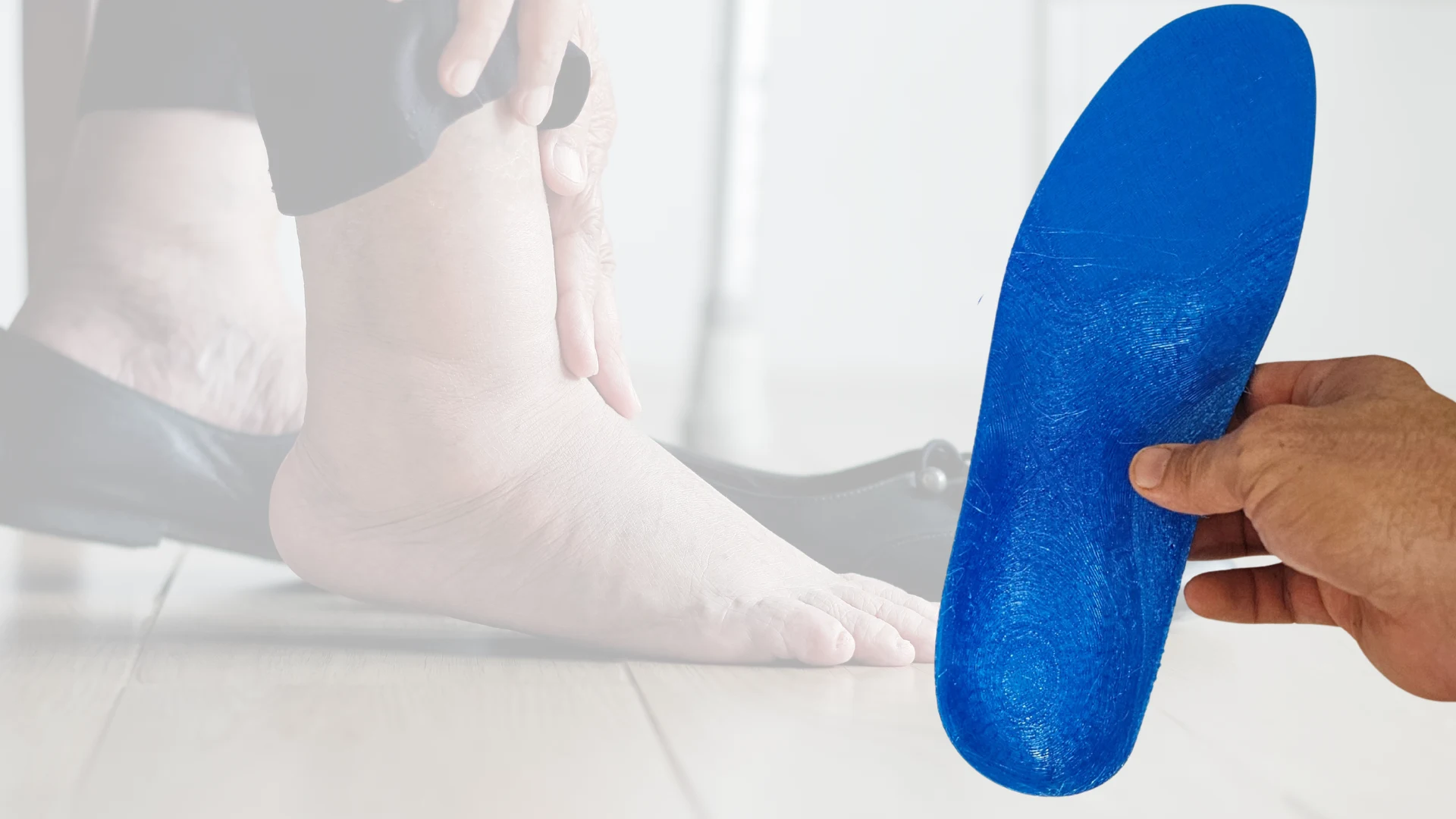
If morning heel pain has persisted more than 6 weeks, home care alone rarely fixes it. At Balance Foot & Ankle, we combine in-office ultrasound diagnostics, custom orthotics, and — when needed — shockwave or PRP to resolve plantar fasciitis that hasn’t responded to stretching and inserts. Most patients are walking pain-free within 4-8 weeks of starting a structured plan.
Call Balance Foot & Ankle: (810) 206-1402 · Book online · Offices in Howell & Bloomfield Township
FAQ — Lab Technicians and CLSs Ask Dr. Tom
The most common questions from Michigan laboratory scientists about plantar fasciitis management in clinical laboratory environments.
My laboratory won’t allow running shoes — what’s the best therapeutic option within PPE requirements?
This is the defining challenge of laboratory foot care, and the answer depends on your specific department’s PPE requirements. For high-hazard chemical environments (chemistry, microbiology, histology): the Dansko Professional (PU construction, closed heel) and Birkenstock Super-Birki (solid PU) are the primary compliant therapeutic options. Both satisfy closed-toe, closed-heel, non-mesh, chemical-resistant material requirements while providing genuine plantar fascia offloading. For lower-hazard biological environments (hematology, blood bank, phlebotomy): the Brooks Addiction Walker 2 leather and NB 990v5 pigskin leather may satisfy your PPE requirements while providing superior biomechanics. For environments where your laboratory safety officer’s primary concern is slip resistance and closed-toe construction (not necessarily mesh prohibition): the HOKA Bondi SR’s ASTM F2913 certification and solid rubber outsole may satisfy the safety requirement even with its synthetic upper — provide the ASTM F2913 test report to your safety officer for review. Our office can provide a detailed occupational biomechanical evaluation letter that documents the specific footwear characteristics required for therapeutic efficacy within laboratory PPE constraints, which can be used to support a formal accommodation request to your laboratory director.
Do anti-fatigue mats actually help with plantar fasciitis in lab settings?
Yes — and they are one of the most clinically meaningful interventions available for laboratory plantar fasciitis precisely because they address the primary mechanism (floor hardness) rather than compensating for it in footwear alone. A 3/4-inch closed-cell polyurethane anti-fatigue mat placed at the primary bench standing position effectively reduces the floor’s Shore D from 82–94 to approximately 40–55 at the mat surface — a 45–55% reduction in surface hardness that directly reduces plantar fascia impact loading. Clinical studies of anti-fatigue mat use in standing occupational environments show 22–38% reductions in lower extremity musculoskeletal discomfort over 8-hour shifts. The combination of therapeutic footwear + anti-fatigue mat provides superior PF protection compared to either intervention alone. For laboratory staff, anti-fatigue mats should be considered non-optional therapeutic equipment — equivalent to ergonomic chairs for seated workstations. Request them formally through your laboratory’s safety committee using MIOSHA Part 474 ergonomic provisions. Specify minimum 3/4 inch thickness, closed-cell construction (resists chemical absorption), and beveled edges (prevents trip hazard). Replace when compression exceeds 20% of original thickness — a common error is using worn-flat mats that no longer provide meaningful cushioning.
I work in histology and am exposed to formalin every day — does formaldehyde actually penetrate into shoes and harm my feet?
Yes — OSHA’s formaldehyde standard (29 CFR 1910.1048) explicitly identifies footwear as a PPE consideration because formaldehyde can penetrate leather and many synthetic fabric uppers, creating dermal exposure at the foot and ankle. Formaldehyde is a potent skin sensitizer and known human carcinogen (IARC Group 1) — footwear that allows formalin penetration creates both acute irritant contact dermatitis risk and chronic sensitization risk. Solid polyurethane footwear (Birkenstock Super-Birki) and dense PU/rubber footwear (Dansko Professional) resist formaldehyde penetration significantly better than leather or mesh uppers. Histology technologists should treat their footwear as PPE subject to regular inspection, disposal at end-of-life, and documented replacement — the same discipline applied to laboratory gloves and lab coats. After formalin splash incidents, solid PU footwear can be decontaminated with sodium bisulfite solution (the standard formalin deactivator) — leather footwear that has been formalin-contaminated should be disposed of and replaced. Document formalin splash incidents in your laboratory’s OSHA incident log regardless of apparent footwear integrity.
Can I use FSA money for lab-compliant therapeutic shoes?
Yes — therapeutic footwear for diagnosed plantar fasciitis is FSA/HSA-eligible with a Letter of Medical Necessity from a licensed podiatrist or physician, regardless of whether the shoes also serve as PPE. The IRS standard is that the footwear must be purchased primarily for a medical condition (plantar fasciitis) — the fact that the footwear also serves a safety purpose does not disqualify it from FSA/HSA eligibility. For laboratory staff, the LMN should specifically document that standard therapeutic footwear (maximum-cushion running shoes) is not available due to laboratory PPE requirements, and that the selected footwear represents the therapeutic-within-compliance option. The Brooks Addiction Walker 2 (PDAC A5500 certified) provides the most direct FSA/HSA processing. Contact your FSA/HSA administrator before purchase to confirm your plan’s documentation requirements — some administrators may request the specific PPE compliance documentation in addition to the standard LMN, and our office can provide a combined therapeutic-and-compliance letter that addresses both requirements.
How often should I replace laboratory footwear?
Laboratory footwear has a shorter effective therapeutic lifespan than general clinical footwear due to chemical exposure accelerating internal midsole degradation — even when exterior surfaces appear intact. General replacement guidelines for laboratory staff: PU midsole footwear (Dansko Professional, Birkenstock Super-Birki) at 400 hours of use, not 600; CMEVA midsole footwear (HOKA Bondi SR) at 500 hours rather than the standard 600+ for non-laboratory use; EVA midsole footwear (Skechers Arch Fit) at 350 hours. The midsole pinch test is the primary diagnostic: compress the heel midsole between thumb and forefinger — if foam compresses to <50% of original thickness with moderate pressure, therapeutic life is exhausted. Additional replacement triggers specific to laboratory use: any formalin, concentrated acid, or solvent splash that penetrates to the midsole layer; visible cracking or cloudiness in PU construction (indicating chemical degradation); any loosening of the midsole-outsole bond (chemical solvents can attack adhesive joints). For laboratory staff with active plantar fasciitis, budget annual footwear replacement of $130–$185 as a predictable occupational health expense — FSA/HSA funds can be reserved specifically for this purpose with advance planning.
Michigan Laboratory Professionals: Schedule a Podiatry Evaluation
Dr. Tom Biernacki DPM evaluates clinical laboratory scientists, medical laboratory technicians, histology technologists, phlebotomists, and POC coordinators from throughout Michigan. Michigan Foot Doctors provides plantar fasciitis evaluation, custom orthotic fabrication, Letters of Medical Necessity addressing laboratory PPE compliance requirements, FSA/HSA documentation, and workers’ compensation biomechanical evaluations. We accept BCBSM, Priority Health, Blue Care Network, Aetna, Cigna, United Healthcare, and self-pay with transparent pricing.
Request an Appointment →Ann Arbor · Ypsilanti · Monroe · Brighton — Southeast Michigan
When Shoes Aren’t Enough — Dr. Tom’s Top 9 Orthotics
About 30% of patients I see for foot pain need MORE than a great shoe — they need a structured insole. Below: my complete 2026 orthotic ranking with pros, cons, and the specific patient I’d give each one to.
★ DR. TOM’S COMPLETE 2026 ORTHOTIC RANKING
9 Best Prefab Orthotics by Use Case
PowerStep, Currex, Spenco, Vionic, and Superfeet — every orthotic I’ve fitted to thousands of patients across both Michigan offices. Each card includes pros, cons, and the specific patient I’d give it to. Real Amazon ratings, review counts, and prices below.
Best All-Purpose Orthotic for Most Patients
Semi-rigid arch shell + dual-layer cushion + deep heel cup. The orthotic I’ve fitted to more patients than any other for 15 years. APMA-accepted. Trim-to-fit design works in athletic shoes, casual shoes, and most work boots.
✓ Pros
- Semi-rigid arch shell provides true biomechanical correction
- Deep heel cup centers the heel and reduces lateral instability
- Dual-layer cushion (top + bottom) lasts 9-12 months daily wear
- Available in 8 sizes for precise fit
- APMA-accepted and clinically validated
- Lower price than Superfeet Green for equivalent function
✗ Cons
- Too thick for most dress shoes (use ProTech Slim instead)
- Some break-in period required (3-7 days for arch tolerance)
- Not enough correction for severe pes planus or rigid pes cavus
Dr. Tom’s Recommendation: If a patient has run-of-the-mill plantar fasciitis, mild flat feet, or arch fatigue, this is the first orthotic I try. Better value than Superfeet for 90% of patients, which is why I swapped it into our clinic kits three years ago. Sub-$50 typically.
Maximum Motion Control · Flat Feet & Severe Over-Pronation
PowerStep’s most aggressive stability orthotic. Adds a 2°-7° medial heel post on top of the standard PowerStep platform — designed specifically for flat-footed patients and severe pronators who need real corrective force.

✓ Pros
- 2°-7° medial heel post adds aggressive pronation control
- Same trusted PowerStep arch shell, more correction
- Built specifically for flat-foot biomechanics
- Excellent for posterior tibial tendon dysfunction (PTTD)
- Removable top cover for cleaning
✗ Cons
- Too aggressive for neutral-arch patients
- Needs longer break-in (10-14 days) due to stronger correction
- Adds 2-3 mm of stack height — won’t fit slim dress shoes
Dr. Tom’s Recommendation: When a patient comes in with significant flat feet AND symptoms (heel pain, arch pain, knee pain), the Original PowerStep isn’t aggressive enough. The Maxx is what gets prescribed. About 25% of my flat-footed patients end up here.
Low-Profile · Fits Dress Shoes & Narrow Casuals
3 mm slim profile with podiatrist-designed tri-planar arch technology. Engineered specifically to fit inside dress shoes, oxfords, loafers, and women’s flats without crowding the toe box. Vionic was founded by an Australian podiatrist.
✓ Pros
- 3 mm slim profile (vs 7-10 mm for standard orthotics)
- Tri-planar arch technology adds support without bulk
- Built-in deep heel cup despite slim design
- Fits dress shoes WITHOUT having to remove the factory insole
- Trim-to-fit · APMA-accepted
✗ Cons
- Less arch support than full-volume orthotics
- Top cover wears faster than thicker alternatives
- Not enough correction for severe foot deformities
Dr. Tom’s Recommendation: My default when a patient says ‘I need orthotics but I have to wear dress shoes for work.’ Slim enough to fit in oxfords and pumps without the heel sliding out. The single highest-impact change you can make for office workers with foot pain.
Built-In Metatarsal Pad · Morton’s Neuroma · Ball-of-Foot Pain
Standard Pinnacle orthotic with a built-in metatarsal pad positioned proximal to the metatarsal heads — the exact location that offloads neuromas and metatarsalgia. No need for separate met pads or pad placement guesswork.

✓ Pros
- Built-in met pad eliminates DIY pad placement errors
- Specifically designed for Morton’s neuroma + metatarsalgia
- Same trusted PowerStep arch + heel cup platform
- Top cover protects sensitive forefoot skin
- Faster relief than orthotics + add-on met pads
✗ Cons
- Met pad position is fixed (can’t fine-tune individual placement)
- Some patients with very small or very large feet need custom
- Slightly thicker than the standard Pinnacle
Dr. Tom’s Recommendation: If a patient has Morton’s neuroma, sesamoiditis, or generalized ball-of-foot pain (metatarsalgia), this saves a clinic visit and a prescription. The built-in pad placement is anatomically correct for 80% of feet. Way better than DIY met pads.
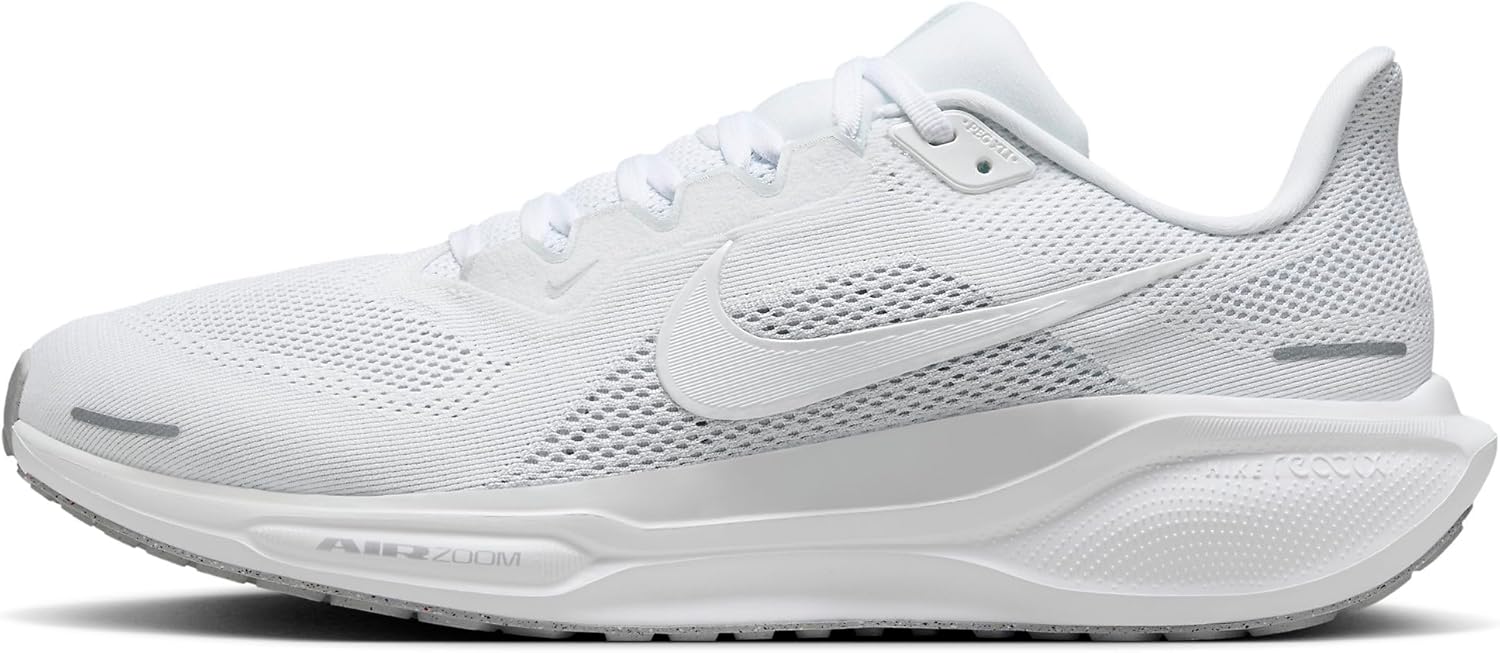
Adaptive Dynamic Arch · Athletic & Daily Wear
Currex’s flagship adaptive arch technology — the orthotic flexes with your gait instead of fighting it. Different stiffness zones along the length give you targeted support at the heel, midfoot, and forefoot. Available in three arch heights (low/medium/high).
✓ Pros
- Dynamic flex zones adapt to natural gait cycle
- Three arch heights ensure precise fit
- Lighter than rigid orthotics (no ‘heavy foot’ feel)
- Excellent for runners and athletic walkers
- European podiatric design (German engineering)
✗ Cons
- More expensive than PowerStep Original ($55-65 typically)
- Less aggressive correction than Pinnacle Maxx for severe cases
- Three arch heights means you must self-select correctly
Dr. Tom’s Recommendation: I started recommending Currex three years ago for runners who said PowerStep felt ‘too rigid.’ The dynamic flex zones respect natural gait. Best for active patients who walk 8K+ steps daily and don’t need maximum motion control.
Running-Specific · Heel Strike + Forefoot Strike Compatible
Currex’s purpose-built running orthotic. The midfoot flex zone is positioned for runner’s gait mechanics, with a flared heel cushion for heel strikers and a forefoot rocker for midfoot/forefoot strikers. Tested on 1000+ runners during product development.
✓ Pros
- Designed by German biomechanics lab specifically for runners
- Dynamic arch flexes with running gait (not static like PowerStep)
- Three arch heights (low/medium/high)
- Reduces overuse injury risk in mid-distance runners
- Lightweight (no impact on cadence)
✗ Cons
- Premium price ($60-75)
- Not aggressive enough for severe over-pronators (use Pinnacle Maxx)
- Runner-specific design = less ideal for daily walking shoes
Dr. Tom’s Recommendation: If a patient runs 20+ miles per week and has plantar fasciitis or shin splints, this is the orthotic I prescribe. The dynamic flex zones respect running biomechanics in a way that no rigid PowerStep can match. Pricier but worth it for serious runners.
Cavus Foot & High-Arch Patients
Polyurethane base with a deeper heel cup and higher arch profile than PowerStep — built for cavus (high-arched) feet that need maximum cushion and support. The 5-zone cushioning system addresses the unique pressure points of high-arch feet.

✓ Pros
- Deeper heel cup centers the heel for cavus foot stability
- Higher arch profile fills the void under high arches
- 5-zone cushioning addresses cavus foot pressure points
- Polyurethane base lasts 12+ months
- Available in Wide width
✗ Cons
- Too tall/aggressive for normal or low arches
- Won’t fit slim dress shoes
- Pricier than PowerStep Original
- Some patients find the arch height uncomfortable initially
Dr. Tom’s Recommendation: Cavus foot patients are often misdiagnosed and given low-arch orthotics — that makes everything worse. Spenco’s Total Support has the arch profile that high-arch feet actually need. About 15% of my patients have cavus feet; this is what they wear.
Cushion Layer · Standing All Day · Gel Pressure Relief
NOT a true biomechanical orthotic — this is a cushion insole. But for patients who want gel pressure relief instead of arch correction (or to add ON TOP of factory insoles in work boots), this is the best gel option on Amazon.

✓ Pros
- Genuine gel cushioning (not foam pretending to be gel)
- Targeted gel waves under heel and ball of foot
- Trim-to-fit · works in most shoe types
- Sub-$15 price (most affordable option in this list)
- Massaging texture is genuinely soothing
✗ Cons
- ZERO arch support — this is cushion only
- Won’t fix plantar fasciitis or flat-foot issues
- Compresses faster than PowerStep (4-6 months)
- Top cover wears through in high-mileage applications
Dr. Tom’s Recommendation: I recommend these to patients who tell me ‘I just want my feet to stop hurting at the end of my shift’ and who don’t have a biomechanical issue. Construction workers, factory workers, retail. Pure cushion does the job for them.
Tight-Fitting Shoes · Cycling Shoes · Hockey Skates
Superfeet’s slim version of their famous Green insole. The trademark stabilizer cap is preserved but the overall thickness is reduced — works in cycling shoes, hockey skates, ski boots, and other tight-fitting footwear that the standard Superfeet Green can’t fit into.

✓ Pros
- Stabilizer cap centers the heel (Superfeet’s signature feature)
- Slim profile fits tight athletic footwear
- Lasts 12+ months daily wear
- Excellent for cycling shoes specifically
- Built-in odor-control treatment
✗ Cons
- Premium price ($45-55)
- Less cushion than PowerStep equivalents
- Not as aggressive correction as Pinnacle Maxx for flat feet
- The signature ‘heel cup feel’ takes 1-2 weeks to adapt to
Dr. Tom’s Recommendation: If you’re a cyclist with foot numbness, hot spots, or knee pain — this is the orthotic. The stabilizer cap solves cycling-specific biomechanical issues that no other orthotic addresses. Worth the premium for athletes.
None of these solving your foot pain?
Some patients (about 30%) need custom-molded prescription orthotics. We make 3D-scanned custom orthotics in our Howell and Bloomfield Township offices — specifically built for your foot mechanics.
Schedule a Custom Orthotic Fitting →FSA/HSA eligible · Most insurance accepted · (810) 206-1402
In-Office Treatment at Balance Foot & Ankle
If home treatment isn’t providing relief for your foot pain, our podiatry team at Balance Foot & Ankle can help with same-day evaluations and advanced in-office care.
Same-day appointments available. (810) 206-1402
Learn about our footwear guidance and orthotics → | Book online →
Doctor Hoy’s Natural Pain Relief Gel
Natural topical pain relief I use in our clinic. Arnica + camphor formula — apply directly to the area 3–4x daily. ($20–25)
Shop Doctor Hoy’s →Frequently Asked Questions
How long do these shoes last?
Quality running shoes last 300-500 miles. Daily walking shoes last 9-12 months. Replace when the midsole feels soft or your symptoms return.
Should I add insoles?
Yes if you have plantar fasciitis or overpronation. Powerstep Pinnacle or a custom orthotic improves results. Healthy feet often do fine with the stock insole.
Are expensive shoes worth it?
Beyond about $130 most extra cost is materials and aesthetics. Match the shoe to your foot type, not budget. The right $80 stability shoe beats the wrong $250 maximalist shoe.

Dr. Tom Biernacki, DPM is a board-certified foot & ankle surgeon (ABFAS & ABPM) at Balance Foot & Ankle Specialists in Southeast Michigan. With over a decade of clinical experience, he specializes in heel pain, bunions, diabetic foot care, sports injuries, and minimally invasive surgery. Dr. Biernacki is a member of the APMA and ACFAS, and his patient education content on MichiganFootDoctors.com and YouTube has made him one of the most-followed foot & ankle educators on YouTube.