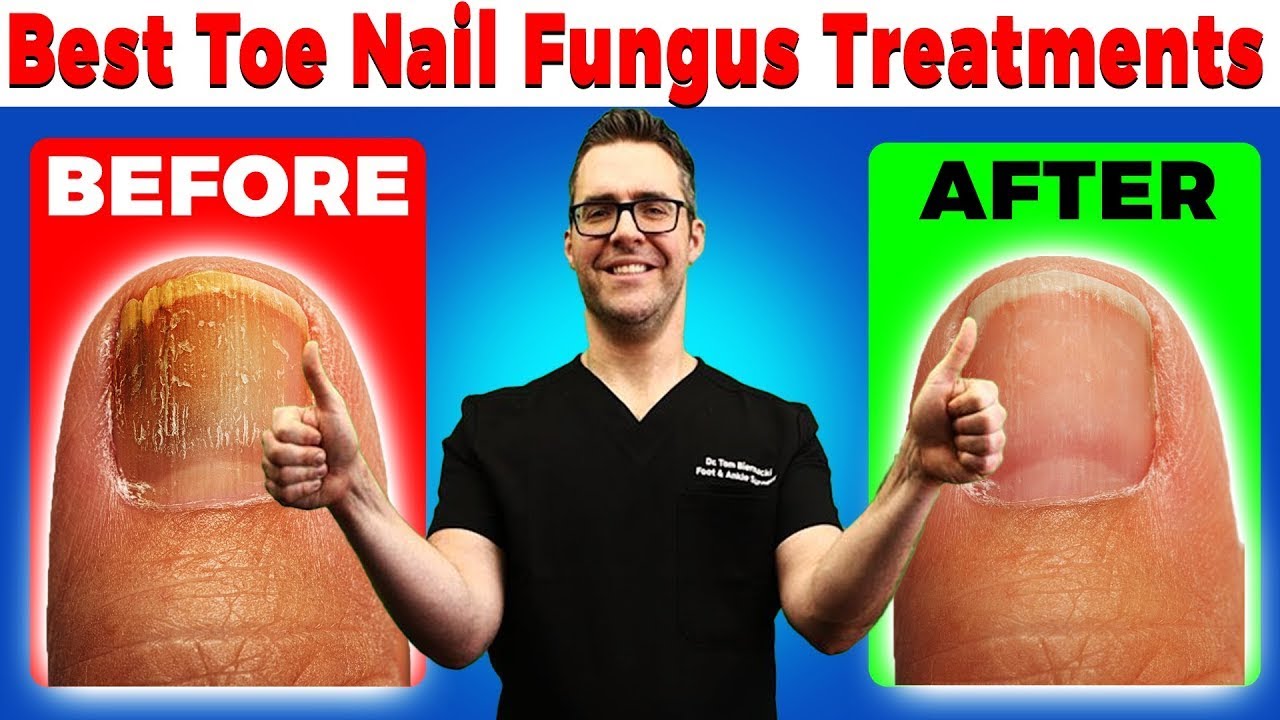
You are in the right place. Dr. Tom Biernacki, DPM, FACFAS — board-certified foot & ankle surgeon with 3,000+ surgeries — explains exactly what bruised toenail means and what actually works. Call (810) 206-1402 for a same-day appointment at our Howell or Bloomfield Township office.
Bruised toenail (subungual hematoma): causes, drainage, and when to see a doctor | Balance Foot & Ankle
Dr. Tom Biernacki, DPM · FACFAS · 1,123+ 5★ Reviews
Bruised Toenail: Treatment, Recovery & When to Drain (Podiatrist)
A bruised toenail (subungual hematoma) happens when blood pools UNDER the nail after trauma — a stubbed toe, dropped object, or repeated downhill running. Symptoms: dark purple, blue, or black discoloration; throbbing pressure; pain that worsens with touch. Within 2-6 months, the nail typically grows out and falls off as a new nail replaces it — no specific treatment needed for most cases.
In my Michigan podiatry clinic, I drain a bruised toenail (trephination) only if: (1) the bruise covers MORE than 25% of the nail, (2) you’re in severe throbbing pain within the first 24-48 hours, OR (3) it’s a fingernail injury (cosmetic concern). Done within 48 hours of injury, drainage relieves pain instantly. Red flag: if the bruise spreads OUTSIDE the nail border, the toe is deformed, or you can’t bear weight — you may have a fractured distal phalanx and need an X-ray.
Don’t Ignore That Dark Toenail
Top 7 Things You Must Know About a Bruised Toenail
A bruised toenail might look minor, but it can be painful and sometimes a sign of a more serious foot injury. Whether it’s from running, stubbing your toe, or wearing tight shoes, this condition—also called a subungual hematoma—can lead to nail loss or infection if left untreated. In this guide, we’ll cover the top causes, home remedies, when to see a podiatrist, and treatment options to help your toenail heal faster and prevent long-term damage.
Black & Bruised Toenail Bleeding Causes, Symptoms & Best Treatment
Do you have a black & bruised toenail with bleeding? AKA subungual hematoma. It is usually caused by blunt force trauma and exercising with bad shoes!
Look:
Red & black toenail pain can be improved with a few simple treatment changes.
We are foot doctors & we see this problem get better almost every day.
The goal is to solve this problem without medication or surgery if at all possible.
Don’t Let a Bruised Toenail Slow You Down — Get Expert Help Today
If your bruised toenail is painful, discolored, or just not healing, let our expert podiatrist, Dr. Tom Biernacki, take a look. Early evaluation can prevent complications like infections or permanent nail damage. Schedule a consultation—virtual or in-person—and get back on your feet with confidence.
SCHEDULE AN APPOINTMENT
What Is A Bruised Toenail?
A bruised toenail occurs after your toes experience some serious overuse or injury!
This can happen if your drop something on your toes or bang them very hard.
This type of injury can also occur during some extreme exercise, such as marathon running or training.
It is especially more common after running hills, hiking, and starting a new exercise class.
The problem with bruised toenails is not only how unsightly they are!
They can continue causing severe pain and can even fall off over time.
If these nails are not properly treated, this can lead to fungal infection and deformed regrowth of the nail in the future.
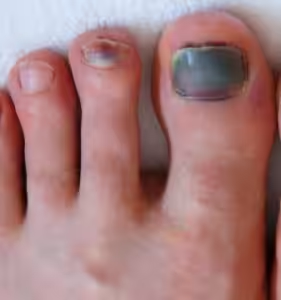
Left great toenail bleeding black toenail with left 2nd red toenail.
Are Bruised Toenails Common?
It is widespread to experience toenail pain after a race.
It is common knowledge that after a long race such as a marathon, many people will experience toe pain.
This is especially more common if this is one of your first marathons, or you are just getting your body used to this type of punishment!
Your feet and toes will usually be swollen.
If your feet and toes are swollen, this means your toenail will have a decrease in blood and will also undergo inflammation.
If this swelling and pain are severe enough, your toenail may loosen and fill with blood.
The under-surface of the nail plate is rich with blood vessels, and if ruptured, they will bleed!
Both big toe joints are sore from rubbing due to tight shoes.
What Toenails Are Most Commonly Bruised?
The most commonly bruised toenails are those from the longest toes.
It is usually the longest toe that is most commonly affected.
This is the big toenail in most people, but it is perfectly normal for the 2nd toe to be the longest in some people.
It is also common for the 3rd toenail to experience bruising as well!
The 5th toe is likely to go numb and experience tingling, experience a corn or callus, but rarely a bruised 5th toenail!
Right great toe fracture and right 3rd toe fracture.
Bruised Toenails in Ultra-marathoners:
I previously worked a couple of ultra marathons at an aid station as a student.
It is amazing how many injuries develop at the end of these massive races. Some of these runners have never run anything like this but push themselves to the limit.
Bruised toenails, loose toenails, stress fractures, and chronic muscle inflammation in places you have never seen before!
At these distances, bruised toenails are very common! So you have nothing to worry about, there is nothing wrong with you!
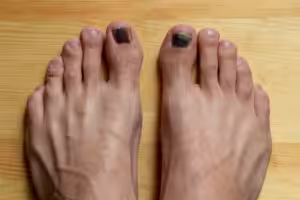
Both feet have big black toenails.
Bruised Toenail Causes
The basic formula for developing a bruised toenail is the amount of force with the repetition of that force. So two scenarios are possible for acquiring large bruised toenails.
1. One Large Very Forceful Impact
A massive amount of force in just one hit. Examples include dropping a heavy object onto your toe or smashing your toe against a stair while running.
Symptoms:
Obvious pain.
Swelling and bleeding within 30 minutes.
Numbness and tingling are possible.
Black or red toenail.
Right great toe fracture and right 3rd toe fracture.
2. Stubbing Your Toe Against a Hard Object
This is the type of pain runners usually experience.
This is most common in runners. This is experienced as shear stress.
As you are running forward, each step as it plants into the group, the toes slide into the shoe.
So with each step, the skin under the toenail is pulling away from the toenail.
The more steps you take, the heavier you are, and the tighter your shoe is:, the more damage is being caused.
Symptoms:
Obvious pain.
Swelling and bleeding within 30 minutes.
Numbness and tingling are possible.
Black or red toenail.
Both big toe joints are sore from rubbing due to tight shoes.
2. Wearing Tight-fitting Shoes
Tight shoes press the toenail against the front of the shoe, causing microtrauma with each step, especially during running or walking.
A bruised toenail may appear dark purple, blue, or black due to blood pooling under the nail from constant compression.
Ongoing friction and lack of space can lead to soreness, tenderness, and a pulsing pain in the affected toe.
Prolonged pressure can cause the nail to loosen from the nail bed, sometimes resulting in partial or complete nail loss.
Symptoms:
Repeated Nail Pressure
Nail Discoloration
Throbbing Pain or Tenderness
Increased Risk of Nail Lifting or Loss
Both big toe joints are sore from rubbing due to tight shoes.
Risk Factors
What makes runners more susceptible to this type of injury?
1. Poorly Fitted Shoes
As mentioned above, your foot does need room to slide forward into the front of your shoe with each step.
But the tighter the shoe, the more you weigh and the farther your run- the more you are at risk!
If you are only running for 20 minutes or less per day and are in shape, this won’t make much difference.
2. Running Hills
The more you down hills and up hills, the more your feet will slide.
The more the slide in your shoe absorbing impact, the more your toenails are at risk!
3. Increased Weight
The more you weigh, the more at risk you are for friction forces through the front of your toes.
4. Extremely Long Races
The further your run, especially marathons and ultra-marathons, the more you are at risk!
In my experience, losing a toenail is very common in ultra-marathoners!
Best Toenail Fungus Products:
Toenail Fungus Best Treatment Products
These are our favorite products to treat toenail fungus at home.
Keratin Granulations are very easily taken care of through moisturizing your nails with cuticle wax, oils and simply avoiding nail polish for a little while.
It is unnecessary to buy anything expensive or online; it is fine to use Vaseline or any other petroleum oil in most circumstances.
So get yourself some petroleum jelly at your corner store and apply it to your nails at night when you won’t be using your hands. In 2 weeks, you should be in great shape!
Make sure you read the reviews and see if it is good for you!
How to fix toenail fungus:
There are many different types of toenail damage.
In our experience, about 90% or more is related to toenail fungus.
The key to toenail fungus is to trim it as much as possible and file that nailed down.
These products are not meant to replace prescription drugs or medical treatment equipment.
If you can do that, you have to make sure you can kill fungus the rest of the way.
The best way to do that is to soak exfoliate the affected toenail skin. So, consider foot soaks.
At the same time, you have to apply antifungal medication such as these medications recommended here or the toenail repair pens.
Best Toenail Repair Products:
Best Toenail Repair Pen.
Top Choice For Direct Toenail Application.
Great Option For Foot Soak.
Price:
$19.98
Price not available
Price not available
Overview:
4 Pens with quick dry application that leaves a sealing lid on top. Easy to store and apply. Key is still to trim/file the toenail first!
All natural option that is toxic to fungus. This is similar to tea tree oil in that respect but can be more effective. You still need to exfoliate dead skin and trim thick toenails.
Safe, cost effective and relaxing all at the same time! This needs to be used in a 20 minute foot soak. Works well for exfoliating loose skin/toenail as well as softening.
Pros:
Easy to use, quick drying. This fills into the cracks and seals them with minimal mess. This is great for sealing even dehydrated keratin granulations.
All natural, relatively cost effective. 1,000s of reviews with excellent results. Very clean and quick drying, easy to apply.
Very safe, little risk, low cost and very effective if used correctly. The key is to use it as an aid to soften and exfoliate loose/dry dead skin and toenail.
Cons:
0% chance of working if your toenail is loose and has no blood supply. Make sure you trim and file any loose finger or toenail. Otherwise “0% CHANCE OF WORKING!” You cannot restore a dead toenail without blood flow.
Small amount and a little more expensive than some other options. Once more has 0% chance of working if your goal is to heal a dead, detached toenail or dry skin. Are you noticing this is a trend? This is really the key!
It once more has 0% chance working if you are trying to save loose and dead crusty skin. Fungus will always grow on this if no blood flow. It can not regenerate dead skin, only exfoliate it.
Crucial Tips:
There is some evidence that these active ingredients work, just be aware: These are not FDA approved and massively studied medications!
There is some evidence that these active ingredients work, just be aware: These are not FDA approved and massively studied medications!
There is some evidence that these active ingredients work, just be aware: These are not FDA approved and massively studied medications!
Affiliate Link (Buying through these links will connect you to Amazon):
4 Pens with quick dry application that leaves a sealing lid on top. Easy to store and apply. Key is still to trim/file the toenail first!
Pros:
Easy to use, quick drying. This fills into the cracks and seals them with minimal mess. This is great for sealing even dehydrated keratin granulations.
Cons:
0% chance of working if your toenail is loose and has no blood supply. Make sure you trim and file any loose finger or toenail. Otherwise “0% CHANCE OF WORKING!” You cannot restore a dead toenail without blood flow.
Crucial Tips:
There is some evidence that these active ingredients work, just be aware: These are not FDA approved and massively studied medications!
Affiliate Link (Buying through these links will connect you to Amazon):
All natural option that is toxic to fungus. This is similar to tea tree oil in that respect but can be more effective. You still need to exfoliate dead skin and trim thick toenails.
Pros:
All natural, relatively cost effective. 1,000s of reviews with excellent results. Very clean and quick drying, easy to apply.
Cons:
Small amount and a little more expensive than some other options. Once more has 0% chance of working if your goal is to heal a dead, detached toenail or dry skin. Are you noticing this is a trend? This is really the key!
Crucial Tips:
There is some evidence that these active ingredients work, just be aware: These are not FDA approved and massively studied medications!
Affiliate Link (Buying through these links will connect you to Amazon):
Safe, cost effective and relaxing all at the same time! This needs to be used in a 20 minute foot soak. Works well for exfoliating loose skin/toenail as well as softening.
Pros:
Very safe, little risk, low cost and very effective if used correctly. The key is to use it as an aid to soften and exfoliate loose/dry dead skin and toenail.
Cons:
It once more has 0% chance working if you are trying to save loose and dead crusty skin. Fungus will always grow on this if no blood flow. It can not regenerate dead skin, only exfoliate it.
Crucial Tips:
There is some evidence that these active ingredients work, just be aware: These are not FDA approved and massively studied medications!
Affiliate Link (Buying through these links will connect you to Amazon):
Even if you cure your toenail fungus, keep your toenails trimmed in healthy: your foot fungus can spread back into toenails.
It’s not a far journey from skin fungus to jump onto your toenails again.
So make sure you treat your foot fungus, as well as your toenail fungus.
Best Foot Fungus Products
Best Foot Powder Option For Shoes.
Best Shower Body Wash
Best choice for Foot Bath Mix
Best & Most Cost Effective Foot Soak Tub.
Price:
$26.31
$17.09
$17.75
$18.97
Overview:
3 pack of foot powder spray. This is great for shoes and feet, but not as practical outside the foot or shoe.
Great cost effective shower wash.
Mix of epsom salts, tea tree oil for a good price.
This is a cost effective tub for foot soaks. You still need to also buy a foot soak powder or solution!
Pros:
If you sweat in your shoes, this is your best bet. This will soak up sweat and kill fungus. Very effective and excellent Amazon reviews. 3 pack online is the price of one bottle at the store.
Over 5,000 5 star amazon reviews. Great reviews, medically proven component in tea tree oil. All natural with excellent results.
Epsom salts and tea tree oil have proven effect. Epsom salts make your loose skin flake off and tea tree oil is anti-fungal. Great price and near 5 star review on Amazon.
Excellent choice for cost effective foot soak tub. Top notch reviews on amazon, great price.
Cons:
Powder makes a big mess. Good for shoes but it can get powder inside your shoes. Can have chemical like smell.
Can be more expensive than regular soap. It may not be enough by itself without soaking or especially further toenail treatment.
Foot soak by itself may not be enough to fix your problem, but a component. You also need a foot tub.
Not much downsides, it’s a tub! But you have to get foot soak powder or antifungal solution separately.
Affiliate Link (Buying through these links will connect you to Amazon):
3 pack of foot powder spray. This is great for shoes and feet, but not as practical outside the foot or shoe.
Pros:
If you sweat in your shoes, this is your best bet. This will soak up sweat and kill fungus. Very effective and excellent Amazon reviews. 3 pack online is the price of one bottle at the store.
Cons:
Powder makes a big mess. Good for shoes but it can get powder inside your shoes. Can have chemical like smell.
Affiliate Link (Buying through these links will connect you to Amazon):
Mix of epsom salts, tea tree oil for a good price.
Pros:
Epsom salts and tea tree oil have proven effect. Epsom salts make your loose skin flake off and tea tree oil is anti-fungal. Great price and near 5 star review on Amazon.
Cons:
Foot soak by itself may not be enough to fix your problem, but a component. You also need a foot tub.
Affiliate Link (Buying through these links will connect you to Amazon):
You definitely want to get great shoes and sandals for your toenail fungus and foot fungus.
Specifically, when you are in a communal shower or pool, you want to get a good pair of sandals. We compiled a great list of our recommended orthotic flip-flops.
You also want to get new breathable shoes that are not covered in sweat and mesh around the toes.
Specifically, good pairs of running shoes have a mesh where your toes are. This prevents your toenails from rubbing and prevents them from dreaming on the front of the foot.
Click on the below link to see which shoes we recommend for your toenail fungus and foot fungus.
How to Heal a Bruised Toenail Quickly: Proven Tips for Fast Recovery
A bruised toenail, often caused by trauma or repeated pressure, can be painful and unsightly. To heal it quickly, start by icing the toe immediately after the injury to reduce swelling and prevent further blood pooling beneath the nail. Elevate your foot to minimize throbbing, and keep pressure off the toe as much as possible. Wearing open-toe or cushioned shoes can help prevent aggravation. Over-the-counter pain relievers like ibuprofen may also ease discomfort and inflammation during the first 24–48 hours.
For faster healing, practice good foot hygiene and monitor the nail for signs of infection like increased redness, warmth, or pus. Avoid popping or draining the bruise on your own, as this can lead to infection or permanent nail damage. If the bruising is severe or covers more than half the nail, consult a podiatrist for safe drainage or evaluation. In many cases, early care and gentle handling can help your nail heal naturally within a few weeks—no surgery or medication required.
BOOK A CONSULTATION
Running with a bruised toenail is not recommended, especially during the first few days after the injury. Continued pressure and impact can worsen the damage, prolong healing, and even cause the nail to fall off. It’s best to rest, reduce inflammation, and wear open-toe or cushioned shoes until the pain subsides. Resume running only once the nail feels stable and pain-free.
To speed up healing, apply ice immediately after the injury, improve your foot, and avoid tight shoes or pressure on the toe. Keep the area clean and dry, and avoid attempting to drain the bruise yourself. If pain or discoloration persists, consult a podiatrist for proper care and faster recovery.
A bruised toenail (subungual hematoma) can be painful and may indicate underlying damage. Our podiatrists provide safe drainage and proper care to prevent nail loss.
Foot pain typically responds best to early podiatrist evaluation, conservative treatments such as supportive footwear and targeted physical therapy, and—when needed—custom orthotics or in-office procedures. Most patients see meaningful improvement within 4-6 weeks of starting a structured treatment plan. Schedule an evaluation at our Howell or Bloomfield Township office for a clinical assessment.
In-Office Treatment at Balance Foot & Ankle
If home treatment isn’t providing relief for your toenail condition, our podiatry team at Balance Foot & Ankle can help with same-day evaluations and advanced in-office care.
Related Care at Balance Foot & Ankle
Clinical toenail services at our Howell and Bloomfield Township offices.
For minor bruised toenails, apply ice wrapped in a cloth for 15–20 minutes to reduce swelling, elevate the foot, take OTC anti-inflammatory medications (ibuprofen or naproxen), and wear open-toe shoes or sandals to reduce nail pressure. Keep the nail clean and trimmed straight across. Most small bruises (subungual hematomas covering less than 25% of the nail) resolve on their own over 2–3 weeks as the nail grows.
Should a bruised toenail be drained?
Large, painful subungual hematomas covering more than 50% of the nail may warrant draining (trephination) in a podiatrist’s office to relieve pressure and prevent nail loss. Small, minimally painful hematomas are typically left alone. Do not attempt to drain the nail yourself — improper technique risks infection. A podiatrist can also check for an underlying fracture with an X-ray at the same visit.
How long does a bruised toenail take to heal?
A bruised toenail from a subungual hematoma typically resolves over 6–9 months as the nail grows out and the discolored portion reaches the free edge. If the nail detaches (a common outcome with large hematomas), the new nail grows in underneath and reaches full length in 9–12 months. Pain usually resolves within 1–2 weeks; discoloration persists until the nail grows out fully.
Dr. Tom Biernacki, DPM is a board-certified foot & ankle surgeon (ABFAS & ABPM) at Balance Foot & Ankle Specialists in Southeast Michigan. With over a decade of clinical experience, he specializes in heel pain, bunions, diabetic foot care, sports injuries, and minimally invasive surgery. Dr. Biernacki is a member of the APMA and ACFAS, and his patient education content on MichiganFootDoctors.com and YouTube has made him one of the most-followed foot & ankle educators on YouTube.
More questions patients ask
When should I see a doctor for a bruised toenail?
See a podiatrist if pain is severe and unrelenting, if the bruise covers more than 50% of the nail, if a fracture is possible, or if dark discoloration appears under the nail without known injury—this could indicate melanoma and requires urgent evaluation.
Balance Foot & Ankle surgeons are affiliated with Trinity Health Michigan, Corewell Health, and Henry Ford Health — three of Michigan’s largest health systems.



![Toenail Falling Off? How To Make It Grow Back! [Top 4 Causes]](https://www.michiganfootdoctors.com/wp-content/cache/flying-press/1bbd14796ce7cd59d468c586ec1e59e4.jpg)
 Right great toe fracture and right 3rd toe fracture.






 BOOK A CONSULTATION