
Medically reviewed by Dr. Tom Biernacki, DPM — Board-certified foot & ankle surgeon, 3,000+ surgeries performed. Updated April 2026 with current clinical evidence. This article reflects real practice experience from Balance Foot & Ankle Specialists in Howell and Bloomfield Hills, Michigan.
Quick Answer
Custom orthotics are prescription inserts made from a 3D scan of your foot. They address the structural cause of plantar fasciitis, flat feet, or metatarsalgia rather than just cushioning symptoms. Most patients feel improvement within 2-4 weeks. Covered by most PPO plans and Medicare when medically indicated.
Medically reviewed by Dr. Tom Biernacki, DPM — Board-Certified Podiatric Surgeon — Balance Foot & Ankle, Howell & Bloomfield Hills, MI. Last updated April 2026.
Medically Reviewed by Dr. Tom Biernacki, DPM — Board-Certified Podiatrist, Balance Foot & Ankle Specialists, Michigan. Last updated April 2026.
Quick Answer: When Do Kids Need Custom Orthotics?
Most children don’t need custom orthotics—flat feet are normal in toddlers and early childhood as the arch develops naturally through age 6-8. Custom orthotics become appropriate when a child has persistent foot or leg pain during activity, an abnormal gait pattern that isn’t resolving with growth, a structural deformity requiring correction, or documented developmental delay in arch formation beyond age 7-8. Over-the-counter arch supports like PowerStep are the appropriate first step for most pediatric foot concerns before considering custom devices.
Medically reviewed by Dr. Tom Biernacki, DPM — Board-certified podiatrist at Balance Foot & Ankle Specialists
Affiliate disclosure: This page contains affiliate links to products we recommend. We may earn a small commission at no extra cost to you.
Table of Contents
- Normal Pediatric Foot Development
- When Flat Feet in Children Are Normal
- Signs Your Child May Need Orthotics
- Flexible vs Rigid Pediatric Flatfoot
- In-Toeing and Out-Toeing Gait Patterns
- Sever’s Disease and Growth Plate Pain
- Juvenile Bunions in Children
- OTC vs Custom Orthotics for Children
- The Custom Orthotic Fitting Process
- How Long Do Kids Wear Orthotics?
- Sports and Athletic Orthotics for Kids
- Proper Shoe Selection for Children
- PowerStep Orthotics for Pediatric Arch Support
- Doctor Hoy’s for Growing Pains and Activity Soreness
- DASS Compression for Active Kids
- Complete Pediatric Foot Support Kit
- Most Common Mistake With Kids’ Orthotics
- Warning Signs in Children’s Feet
- Frequently Asked Questions
- Sources & Medical References
- Schedule a Pediatric Foot Evaluation
Normal Pediatric Foot Development: What Parents Need to Know
Understanding normal foot development is essential before considering orthotics for your child. Babies are born with a thick fat pad in the arch area that makes all infant feet appear flat. This plantar fat pad gradually thins as the child begins standing and walking, and the medial longitudinal arch develops progressively between ages 2 and 8. Studies show that approximately 97% of 2-year-olds have flat feet, 54% of 3-year-olds, and by age 10, the prevalence drops to approximately 4%—roughly the adult rate. This natural arch development is driven by weight-bearing activity, muscle strengthening, and ligamentous maturation.
The developing foot contains more cartilage than bone, with 45 ossification centers that gradually convert to mature bone throughout childhood and adolescence. The bones of the foot don’t fully ossify until ages 16-20, which means the pediatric foot is inherently more flexible and adaptable than the adult foot. This flexibility is actually protective—it allows the foot to adapt to surfaces and develop strength through normal movement. However, it also means that excessive external support too early can potentially interfere with the natural strengthening process that builds a healthy arch.
When Flat Feet in Children Are Completely Normal
The most important message for parents concerned about flat feet is this: flexible flatfoot in children under age 6-7 is almost always a normal developmental variant that requires no treatment. A flexible flatfoot means the arch appears when the child stands on tiptoes or when the foot is not bearing weight but disappears when standing flat. This is caused by the normal ligamentous laxity of childhood combined with the residual plantar fat pad, and it resolves naturally as the child grows, gains muscle strength, and the connective tissues mature.
Parents often become alarmed when they compare their toddler’s flat feet to adult feet or when well-meaning relatives or shoe store employees suggest the child needs “arch support.” Research consistently shows that treating asymptomatic flexible flatfoot in young children with orthotics or corrective shoes does not accelerate arch development or change the long-term outcome. The arch develops on its own timeline regardless of footwear intervention. In fact, studies of populations who grow up barefoot show earlier and stronger arch development than populations who wear structured shoes, suggesting that less intervention—not more—promotes healthy arch formation.
Key takeaway: The biggest mistake parents make is treating flat feet too early. Normal arch development continues until age 6-8. Orthotics before this age can actually weaken developing foot muscles rather than help.
Signs Your Child May Actually Need Orthotics
While most children’s foot concerns resolve with growth, specific clinical signs indicate that orthotic intervention may be beneficial. The key distinction is between asymptomatic flat feet (normal) and symptomatic foot problems (potentially needing treatment). Orthotics should be considered when your child has persistent foot, ankle, or leg pain during or after physical activity that limits their participation; an abnormal gait pattern after age 3-4 that isn’t improving with growth; rapid or uneven shoe wear suggesting abnormal biomechanics; a diagnosed structural deformity such as rigid flatfoot, tarsal coalition, or accessory navicular; or documented Sever’s disease (calcaneal apophysitis) causing heel pain during sports.
Pain is the most important indicator. Children who avoid physical activity, complain of tired or aching legs after moderate exercise, frequently ask to be carried despite being walking-age, or consistently sit out during recess may have a biomechanical issue that orthotics can address. However, the first step is always a thorough podiatric evaluation to identify the underlying cause rather than assuming orthotics are needed. Many pediatric foot pain complaints are caused by issues like Sever’s disease, growing pains, or shoe fit problems that may respond to simpler interventions before custom orthotics become necessary.
Flexible vs Rigid Pediatric Flatfoot: Why the Distinction Matters
The clinical distinction between flexible and rigid flatfoot fundamentally changes the treatment approach. Flexible flatfoot—where the arch appears on tiptoe standing and when non-weight bearing—accounts for approximately 95% of pediatric flatfoot cases. Most flexible flatfoot is asymptomatic and resolves naturally. When symptomatic flexible flatfoot requires treatment, over-the-counter arch supports or custom orthotics that gently support the arch without rigidly forcing correction typically provide excellent relief.
Rigid flatfoot—where the arch remains absent regardless of position—is uncommon (about 5% of pediatric flatfoot cases) but requires thorough evaluation. The most common cause of rigid flatfoot in children is tarsal coalition, a condition where two or more tarsal bones are abnormally connected by bone, cartilage, or fibrous tissue. Tarsal coalition typically becomes symptomatic during adolescence (ages 9-16) when the coalition ossifies and restricts subtalar joint motion. Symptoms include progressive foot stiffness, repeated ankle sprains due to compensatory subtalar rigidity, and activity-related pain. Diagnosis requires X-rays and often CT or MRI imaging. Treatment ranges from orthotics and activity modification to surgical coalition resection in cases that fail conservative management.
In-Toeing and Out-Toeing: When Gait Patterns Need Attention
In-toeing (pigeon-toed) and out-toeing (duck-footed) gait patterns are among the most common reasons parents bring children to a podiatrist. These rotational variations can originate from three anatomical levels: the foot (metatarsus adductus), the tibia (internal or external tibial torsion), or the hip (femoral anteversion or retroversion). The treatment approach—and whether orthotics play any role—depends entirely on which level is causing the abnormal gait pattern.
Metatarsus adductus (a C-shaped curve of the foot) is the only rotational variant where foot orthotics may be appropriate, and even then, most cases resolve spontaneously by age 3-4. Tibial torsion and femoral anteversion are skeletal rotation issues above the foot that cannot be corrected with foot orthotics, shoe modifications, or bracing—despite decades of historical practice suggesting otherwise. These rotational variants typically self-correct with normal growth through age 8-10. When persistent severe rotation causes functional problems beyond age 10, surgical correction (derotational osteotomy) may be considered, but orthotics are not part of the treatment pathway for tibial or femoral rotation issues.
Sever’s Disease: The Most Common Cause of Kids’ Heel Pain
Sever’s disease (calcaneal apophysitis) is the most common cause of heel pain in children aged 8-14 and is the pediatric foot condition most frequently and effectively treated with orthotic intervention. It occurs when the Achilles tendon pulls on the growth plate (apophysis) at the back of the heel bone during periods of rapid growth, causing inflammation and pain at the tendon-bone junction. The condition is especially common in active children who participate in running and jumping sports, and typically affects boys more than girls due to their later growth plate closure.
Orthotic treatment for Sever’s disease works by controlling the biomechanical forces that stress the calcaneal growth plate. A structured heel cup reduces calcaneal motion during gait, and arch support decreases the compensatory pronation that increases tensile load through the Achilles insertion. Combined with a temporary heel lift to reduce Achilles tendon stretch, orthotics can significantly reduce pain and allow continued sports participation while the growth plate matures. Most cases of Sever’s disease resolve completely once the growth plate fuses, typically by age 15-16, but orthotic management during the active phase prevents the activity limitation and deconditioning that occur when children are simply told to stop playing sports.
Juvenile Bunions: Early Intervention Options
Juvenile bunions (hallux abducto valgus in children and adolescents) present unique challenges because the growing foot has open growth plates that preclude certain surgical approaches used in adults. Juvenile bunions develop from a combination of genetic structural predisposition and biomechanical factors, particularly excessive pronation that increases medial column loading and promotes first metatarsal drift. They are more common in girls and often run in families—if one or both parents have bunions, the child has significantly elevated risk.
Orthotic management of juvenile bunions focuses on controlling the biomechanical driver (overpronation) rather than mechanically pushing the toe straight. Custom or properly fitted over-the-counter orthotics with a deep heel cup and medial arch support reduce the pronatory forces that worsen bunion progression. While orthotics cannot reverse an existing bunion deformity, they can slow progression during the critical growth years, potentially delaying or eliminating the need for surgical correction. Combined with proper shoe selection (wide toe box, no pointed shoes, appropriate sizing), orthotic management is the standard first-line treatment for juvenile bunions until skeletal maturity is reached and surgical planning can be optimized.
OTC vs Custom Orthotics for Children: Making the Right Choice
One of the most important decisions in pediatric orthotic management is determining whether a child needs custom-molded orthotics or whether high-quality over-the-counter (OTC) arch supports will achieve the same clinical outcome. For the majority of pediatric foot concerns—mild to moderate flexible flatfoot, early Sever’s disease, general activity-related foot fatigue, and mild overpronation—well-designed OTC orthotics like PowerStep provide effective support at a fraction of the cost of custom devices. Custom orthotics are reserved for specific clinical scenarios where the degree of deformity or the complexity of the biomechanical problem requires a precisely molded device.
Custom orthotics become appropriate when a child has severe rigid flatfoot, tarsal coalition requiring specific accommodative support, significant limb length discrepancy needing a heel lift, complex multi-planar deformities requiring simultaneous correction, or documented failure of OTC orthotics after a 6-8 week adequate trial. The cost difference is significant—custom pediatric orthotics typically range from $300-600 per pair and need replacement every 12-18 months as the child grows, while OTC orthotics cost $25-50 and can be replaced more frequently without financial burden. Starting with OTC orthotics as a diagnostic trial also helps confirm that the child will benefit from orthotic support before investing in custom devices.
The Custom Orthotic Fitting Process for Children
When custom orthotics are indicated, the fitting process in children requires specific expertise because the pediatric foot is fundamentally different from the adult foot. The evaluation begins with a comprehensive biomechanical examination including gait analysis, joint range of motion testing, muscle strength assessment, and evaluation of the child’s overall alignment from hip to foot. The podiatrist assesses the child’s current developmental stage and growth trajectory to determine the optimal orthotic prescription that addresses current symptoms while accommodating expected growth.
Casting or scanning the foot for a custom orthotic is done in the subtalar neutral position—the position where the foot is neither pronated nor supinated. In children, this position may be harder to identify due to increased ligamentous laxity, so experienced pediatric orthotic prescribers use specific clinical landmarks and manual correction techniques. Modern 3D scanning technology has largely replaced traditional plaster casting, providing a more comfortable experience for the child and more precise digital models for fabrication. The orthotic is typically made from semi-flexible polypropylene that provides correction while allowing the natural flexibility that growing feet need, covered with a comfortable top layer for the child’s tolerance.
How Long Do Kids Wear Orthotics?
The duration of pediatric orthotic use depends on the underlying condition being treated. For developmental flatfoot that persists beyond age 7-8 with symptoms, orthotics are typically used through the remaining growth years until arch development stabilizes in the mid-teens. Many children who wear orthotics for symptomatic flatfoot through adolescence develop sufficient arch structure by skeletal maturity (age 16-18) to transition out of orthotics or move to simple OTC arch supports for maintenance. For Sever’s disease, orthotics are used during the active symptomatic phase—usually 6-18 months—and discontinued once the growth plate matures and symptoms resolve.
Children outgrow custom orthotics faster than adults because of foot growth. Plan for orthotic replacement every 12-18 months during active growth years, or sooner if the child reports the orthotics feel tight, the shell extends past the toes, or symptom control decreases. For this reason, some podiatrists recommend using OTC orthotics during rapid growth phases and reserving custom devices for periods of relative growth stability. Regular follow-up appointments every 6-12 months allow the podiatrist to monitor arch development, assess orthotic fit, and modify the treatment plan as the child’s feet change with growth.
Sports and Athletic Orthotics for Active Kids
Active children who participate in organized sports may benefit from sport-specific orthotic considerations. The biomechanical demands differ significantly between sports—a child playing soccer on cleats needs different orthotic accommodation than a child doing gymnastics barefoot or a basketball player in high-tops. For cleated sports, a thinner, more flexible orthotic that fits inside the narrower cleat shoe is necessary, while court sports allow a fuller orthotic with more correction. The podiatrist should know all the sports your child plays to prescribe orthotics that work across their activity profile.
For children with Sever’s disease who play multiple sports, having sport-specific orthotics or multiple pairs of OTC insoles ensures consistent support across all activities. The most common mistake is having one pair of orthotics that the child switches between shoes—this often leads to the orthotics being left in one pair while the child plays sports in unsupported shoes. Having dedicated insoles in each pair of athletic shoes improves compliance and ensures consistent biomechanical support during all physical activities.
Proper Shoe Selection for Children’s Foot Health
Shoe selection plays as important a role as orthotics in pediatric foot health. Children’s shoes should have a firm heel counter (squeeze the back of the shoe—it should resist deformation), a flexible forefoot (the shoe should bend at the ball of the foot, not the middle), adequate toe box depth and width for growing toes, a removable insole (allowing orthotic insertion if needed), and secure closure (laces, Velcro, or BOA dials rather than slip-ons). Avoid completely flat, unsupportive shoes as primary footwear, but also avoid overly rigid or motion-control shoes that restrict the natural foot movement children need for development.
Size your child’s shoes properly by measuring both feet (they’re often different sizes) while standing, and fit to the larger foot. There should be a thumb’s width between the longest toe and the end of the shoe. Children’s feet grow rapidly—check shoe fit every 2-3 months and be prepared to replace shoes every 3-6 months during growth spurts. Resist the temptation to buy shoes “to grow into” because oversized shoes cause tripping, altered gait patterns, and increased friction that leads to blisters. Hand-me-down shoes should generally be avoided because they’re molded to another child’s foot pattern and wear pattern, which can create pressure points and biomechanical issues for the new wearer.
PowerStep Orthotics for Pediatric Arch Support
Doctor Hoy’s Natural Pain Relief for Growing Pains and Activity Soreness
Active children frequently experience foot and leg soreness from growth spurts, sports participation, and the high activity levels of childhood. Doctor Hoy’s Natural Pain Relief Gel provides a safe, parent-friendly topical option for managing the foot and leg discomfort that accompanies these normal developmental stresses. The natural menthol and camphor formula delivers effective pain relief without the concerns parents have about giving oral medications to growing children, especially for the frequent, recurring discomfort associated with growth spurts and athletic activity.
For Sever’s disease specifically, applying Doctor Hoy’s Arnica Boost Recovery Cream to the heel area after sports practice and games provides targeted anti-inflammatory relief at the site of growth plate irritation. The arnica-based formula helps manage the repetitive microtrauma that occurs during running and jumping activities, reducing the cumulative inflammation that drives Sever’s disease symptoms. Parents report that consistent post-activity application allows their children to continue sports participation with less heel pain.
The clean, natural ingredient profile of Doctor Hoy’s makes it a preferred topical pain relief option for pediatric use. Apply to sore feet, heels, and shins after activity—the cooling sensation provides immediate comfort for children, and the anti-inflammatory effects help manage the underlying tissue irritation. Keep a tube in your child’s sports bag so they can apply after practice, and have one at home for bedtime application when growing pains and activity soreness are often most noticeable.
DASS Compression for Active Growing Kids
Children who participate in multiple sports or high-volume training programs can benefit from compression technology to support recovery between activities. DASS (Dynamic Arch Support System) compression socks provide graduated compression that helps manage the lower leg swelling and fatigue that active children experience, particularly during tournament weekends, multi-sport seasons, and growth spurt periods when their bodies are under increased musculoskeletal stress.
For children with Sever’s disease, DASS compression worn during and after sports helps manage the periosteal inflammation at the calcaneal growth plate by improving local circulation and reducing post-activity swelling. The dynamic arch support component provides additional structural support to the developing arch, working synergistically with orthotic insoles. Compression socks are particularly helpful for tournament days when children play multiple games with limited rest between matches—the compression helps maintain lower leg performance and reduces end-of-day soreness.
The comfortable, breathable design of DASS socks makes them practical for pediatric use—children are more likely to wear them consistently compared to bulkier compression sleeves. Available in sizes appropriate for school-age and adolescent feet, they fit inside athletic shoes without adding bulk or changing shoe fit. For children who resist wearing orthotics, compression socks provide a more socially acceptable alternative that still delivers biomechanical benefits through the dynamic arch support feature.
Complete Pediatric Foot Support Kit
Complete Pediatric Foot Support Kit — 3 Foundation Wellness Brands for Growing Feet
Most Common Mistake With Kids’ Orthotics
Key Takeaway: Don’t Rush to Expensive Custom Orthotics Too Early
The biggest mistake parents make is purchasing expensive custom orthotics for a young child with asymptomatic flat feet based on fear rather than clinical need. Flat feet in children under 6-7 are almost always a normal developmental stage that resolves without intervention. Spending $300-600 on custom orthotics that need replacement every 12-18 months during a growth phase that would have resolved naturally wastes money and may actually delay the natural arch strengthening process. The evidence-based approach is to start with quality OTC insoles like PowerStep if any support is needed, allow 6-8 weeks to assess response, and only progress to custom orthotics when there’s a documented clinical need that OTC devices can’t address. Trust the development process—most children grow perfectly healthy arches without any intervention.
Warning Signs: When Children’s Foot Problems Need Urgent Evaluation
Seek Prompt Podiatric Evaluation If Your Child Experiences:
- Limping or favoring one leg — Persistent unilateral gait change in a child can indicate stress fracture, infection, tumor, or joint pathology requiring prompt diagnosis and treatment
- Rigid flat feet that don’t form an arch on tiptoe — Rigid flatfoot may indicate tarsal coalition, vertical talus, or other structural abnormalities requiring imaging and potentially surgical evaluation
- Night pain or pain at rest unrelated to activity — Pain that wakes a child from sleep or occurs without physical activity can indicate bone tumors, infections, or inflammatory conditions requiring urgent workup
- Sudden onset of foot deformity or swelling — Acute changes in foot shape, unexplained swelling, or warmth may indicate fracture, infection, or inflammatory arthritis requiring immediate evaluation
- Progressive worsening of gait despite growth — A gait abnormality that is getting worse rather than improving with age (after age 3-4) suggests a neurological or structural issue that needs investigation beyond simple orthotic management
In-Office Treatment at Balance Foot & Ankle
If home care isn’t resolving your your foot or ankle concern, a visit with a board-certified podiatrist is the fastest path to accurate diagnosis and a personalized plan. At Balance Foot & Ankle Specialists, Dr. Tom Biernacki, Dr. Carl Jay, and Dr. Daria Gutkin offer same-day and next-day appointments at both our Howell and Bloomfield Hills offices. We perform on-site diagnostic ultrasound, digital X-ray, conservative care, advanced regenerative treatments, and minimally invasive surgery when indicated.
Call (810) 206-1402 or request an appointment online. Most insurance plans accepted, including Medicare, Blue Cross Blue Shield, Aetna, Cigna, and United Healthcare.
More Podiatrist-Recommended Orthotics Essentials
PowerStep Pinnacle


![Best Insoles & Orthotics 2026 [Flat Feet, Plantar Fasciitis, Bunions]](https://www.michiganfootdoctors.com/wp-content/cache/flying-press/c8bafcb9b179f8abb63d894b334fd14e.jpg)
Watch: Best Insoles & Orthotics 2026 [Flat Feet, Plantar Fasciitis, Bunions] — MichiganFootDoctors YouTube
The podiatrist-recommended OTC orthotic — arch support + heel cup.
CURREX RunPro Insole
Performance insole for runners — reduces fatigue and prevents injuries.
Tuli’s Heel Cups

Shock-absorbing heel cushion — adds lift and relief under painful heels.
As an Amazon Associate, Balance Foot & Ankle earns from qualifying purchases. Product recommendations are based on clinical experience; prices and availability shown above update live from Amazon.

When to See a Podiatrist
Off-the-shelf inserts help 70% of patients — but if you’ve tried several without relief, custom orthotics molded to your specific foot mechanics are usually the next step. Balance Foot & Ankle makes custom orthotics in-office and most major insurance plans cover them. We’ll cast or scan your feet and have them ready in about 2 weeks.
Call Balance Foot & Ankle: (810) 206-1402 · Book online · Offices in Howell & Bloomfield Hills
Frequently Asked Questions About Children’s Orthotics
At what age should I worry about my child’s flat feet?
Flat feet are normal in children under age 6-7 and typically require no treatment. The arch develops naturally between ages 2-8 as ligaments mature and muscles strengthen. You should consider a podiatric evaluation if flat feet persist beyond age 7-8 with symptoms (pain, fatigue, activity avoidance), if the flatfoot is rigid (arch doesn’t appear when on tiptoes), if your child has pain during or after physical activity, or if the gait pattern is abnormal and not improving with growth. Asymptomatic flexible flat feet at any age rarely need treatment.
Do kids outgrow the need for orthotics?
Many children do outgrow the need for orthotics as their feet develop. Children treated for symptomatic flexible flatfoot often develop sufficient arch structure by skeletal maturity (age 16-18) to discontinue orthotics or transition to simple OTC arch supports. Sever’s disease resolves completely when the growth plate fuses (around age 15-16), eliminating the need for orthotic treatment. However, some conditions like significant structural flatfoot or tarsal coalition may require ongoing orthotic management into adulthood. Regular follow-up allows your podiatrist to determine when orthotics can be reduced or discontinued.
Are custom orthotics better than over-the-counter for kids?
Not necessarily. High-quality OTC orthotics like PowerStep effectively manage most common pediatric foot conditions including mild to moderate flexible flatfoot, Sever’s disease, and general overpronation. Custom orthotics are reserved for severe or rigid deformities, tarsal coalition, significant limb length discrepancy, or cases that fail a 6-8 week trial of OTC orthotics. Custom devices cost $300-600 per pair and need frequent replacement during growth, while OTC orthotics cost $25-50. Starting with OTC orthotics is the evidence-based first step for most children.
Can wearing orthotics prevent my child’s arch from developing naturally?
This is a common parental concern, and the evidence suggests that properly prescribed orthotics do not prevent natural arch development. Semi-flexible orthotics support the foot without rigidly immobilizing it, allowing the muscles, tendons, and ligaments to continue strengthening through normal activity. However, unnecessary orthotic use in a child with normal developmental flatfoot provides no benefit and adds unnecessary cost. The key is accurate diagnosis—orthotics should only be used when there’s a clinical indication, not as a preventive measure for asymptomatic flat feet.
What shoes should my child wear with orthotics?
Choose shoes with a removable factory insole (the orthotic replaces it), a firm heel counter that resists deformation when squeezed, a flexible forefoot that bends at the ball of the foot, adequate depth to accommodate the orthotic without crowding the toes, and secure closure (laces, Velcro, or BOA). Avoid completely flat shoes, high heels, flip-flops, and slip-on styles. Fit shoes while the child is wearing the orthotics to ensure proper sizing. Check fit every 2-3 months during growth periods.
Watch: Pediatric Foot Care at Balance Foot & Ankle
Sources & Medical References
- Pfeiffer M, et al. “Prevalence of flat foot in preschool-aged children.” Pediatrics. 2006;118(2):634-639.
- Evans AM, Rome K. “A Cochrane review of the evidence for non-surgical interventions for flexible pediatric flat feet.” European Journal of Physical and Rehabilitation Medicine. 2011;47(1):69-89.
- Mosca VS. “Flexible flatfoot in children and adolescents.” Journal of Children’s Orthopaedics. 2010;4(2):107-121.
- James AM, et al. “Effectiveness of foot orthoses for treating pediatric flat feet.” Journal of the American Podiatric Medical Association. 2016;106(1):15-21.
- Scharfbillig RW, et al. “Sever’s disease: a common cause of heel pain in growing children.” Journal of Foot and Ankle Research. 2008;1(1):14.
⚠️ When to see a podiatrist:
- Your child complains of foot or leg pain during or after activity
- Visible in-toeing or out-toeing that causes frequent tripping
- One foot significantly flatter than the other
- Your child avoids sports or physical activity due to foot discomfort
- Asymmetric shoe wear — one shoe wearing down much faster than the other
Schedule a Pediatric Foot Evaluation in Southeast Michigan
Dr. Tom Biernacki, DPM at Balance Foot & Ankle Specialists provides comprehensive pediatric foot evaluations including gait analysis, developmental assessment, and appropriate orthotic recommendations. Whether your child has flat feet, heel pain from Sever’s disease, in-toeing concerns, or juvenile bunions, Dr. Biernacki helps parents make informed decisions about when—and whether—their child needs orthotic intervention.
Related Foot Health Resources
- Podiatrist Recommended Foot Care Products 2026
- Best Shoes for Standing All Day
- Sports Podiatry & Athletic Foot Care
- Complete Guide to Ankle Pain Causes & Treatment
- Flat Feet & Fallen Arches Treatment Guide
The Bottom Line
If your child has flat feet, don’t panic — most cases resolve naturally. Watch for pain, tripping, or activity avoidance as signals that evaluation is needed. A pediatric foot assessment can determine whether orthotics, exercises, or simply time is the right approach for your child.
Ready to Get Relief?
Same-day appointments available at Balance Foot & Ankle in Howell & Bloomfield Hills, MI
4.9★ | 1,123 Reviews | 3,000+ Surgeries
Or call: (810) 206-1402
Dr. Tom’s Recommended Products: See our clinically tested product recommendations for this condition. View Dr. Tom’s recommended products →
When to See a Podiatrist About Your Child’s Feet
If your child complains of foot pain, trips frequently, or has visibly flat feet past age 6, a pediatric foot evaluation can determine whether orthotics or other treatment is needed. At Balance Foot & Ankle, we evaluate children’s foot development at our Howell and Bloomfield Hills offices.
Learn About Our Flat Feet Treatment | Book Your Appointment | Call (810) 206-1402
Clinical References
- Pfeiffer M, Kotz R, Ledl T, Hauser G, Sluga M. “Prevalence of flat foot in preschool-aged children.” Pediatrics. 2006;118(2):634-639.
- Evans AM, Rome K. “A Cochrane review of the evidence for non-surgical interventions for flexible pediatric flat feet.” European Journal of Physical and Rehabilitation Medicine. 2011;47(1):69-89.
- Whitford D, Esterman A. “A randomized controlled trial of two types of in-shoe orthoses in children with flexible excess pronation of the feet.” Foot and Ankle International. 2007;28(6):715-723.
📋 Dr. Tom Also Recommends
Podiatrist Recommended Orthotics 2026: Dr. Tom’s Top 10 Insoles & Arch Supports
A podiatrist’s complete clinical guide to the best insoles — custom orthotics, OTC picks, and what actually works for plantar fasciitis, flat feet, neuropathy & more.
Read the Full Guide →Insurance Accepted
BCBS · Medicare · Aetna · Cigna · United Healthcare · HAP · Priority Health · Humana · View All →
Howell Office
4330 E Grand River Ave
Howell, MI 48843
Get Directions →
Bloomfield Hills Office
43494 Woodward Ave, Suite 208
Bloomfield Hills, MI 48302
Get Directions →
Your Board-Certified Podiatrists



Ready to Get Back on Your Feet?
Same-week appointments available at both locations.
Book Your AppointmentWatch: Custom Orthotics for Children
Dr. Tom on when kids actually need orthotics — pediatric flat feet, heel pain, growth considerations.

Pediatric OTC Support Kit
OTC adjuncts while considering full custom orthotics. Dr. Tom’s kit:
As an Amazon Associate, Balance Foot & Ankle earns from qualifying purchases. This supports our free patient education content.
Entry-level pediatric arch support.
Calf flexibility adjunct for Sever’s.
Post-sport heel comfort.
Post-activity heel cool-down.
Related: Custom Orthotics · Sever’s Disease · Book Pediatric Consultation
👟 Dr. Tom’s Complete Footwear Library
Podiatrist-Approved Guides for Every Foot Type & Condition
Clinically reviewed by Dr. Tom Biernacki, DPM — Board-Certified Podiatrist
All guides are written and reviewed by licensed podiatrists. Schedule an appointment →
In Our Clinic
The patients we see for custom orthotic consultations usually fall into two groups. First are athletes — runners, hikers, basketball players — looking to correct a biomechanical asymmetry they’ve identified themselves or their coach has flagged. Second are middle-aged patients with chronic plantar fasciitis, metatarsalgia, or early arthritis who have exhausted over-the-counter inserts. Our process begins with a 3D foot scan plus a gait-video analysis on our in-office treadmill. We select materials based on activity — a stiffer carbon composite for performance running, a softer plastazote top cover for diabetic patients, a semi-rigid polypropylene for everyday wear. Most patients adapt in 2–4 weeks.
Most Common Mistake We See
The most common mistake we see is: Wearing new orthotics all day from day one. Fix: break-in schedule of 2 hours on day one, adding 2 hours per day until full-day tolerance.
Warning Signs That Need Same-Day Care
Seek immediate evaluation at Balance Foot & Ankle if you experience any of the following:
- New sharp pain under the arch that did not exist before
- Skin breakdown over pressure points
- Diabetic patient with any new pressure spot
- Worsening of original symptoms after 4 weeks
Call (810) 206-1402 — same-day and next-day appointments at our Howell and Bloomfield Hills offices.
When Shoes Aren’t Enough — Dr. Tom’s Top 9 Orthotics
About 30% of patients I see for foot pain need MORE than a great shoe — they need a structured insole. Below: my complete 2026 orthotic ranking with pros, cons, and the specific patient I’d give each one to.
★ DR. TOM’S COMPLETE 2026 ORTHOTIC RANKING
9 Best Prefab Orthotics by Use Case
PowerStep, Currex, Spenco, Vionic, and Superfeet — every orthotic I’ve fitted to thousands of patients across both Michigan offices. Each card includes pros, cons, and the specific patient I’d give it to. Real Amazon ratings, review counts, and prices below.
Best All-Purpose Orthotic for Most Patients
Semi-rigid arch shell + dual-layer cushion + deep heel cup. The orthotic I’ve fitted to more patients than any other for 15 years. APMA-accepted. Trim-to-fit design works in athletic shoes, casual shoes, and most work boots.
✓ Pros
- Semi-rigid arch shell provides true biomechanical correction
- Deep heel cup centers the heel and reduces lateral instability
- Dual-layer cushion (top + bottom) lasts 9-12 months daily wear
- Available in 8 sizes for precise fit
- APMA-accepted and clinically validated
- Lower price than Superfeet Green for equivalent function
✗ Cons
- Too thick for most dress shoes (use ProTech Slim instead)
- Some break-in period required (3-7 days for arch tolerance)
- Not enough correction for severe pes planus or rigid pes cavus
Dr. Tom’s Recommendation: If a patient has run-of-the-mill plantar fasciitis, mild flat feet, or arch fatigue, this is the first orthotic I try. Better value than Superfeet for 90% of patients, which is why I swapped it into our clinic kits three years ago. Sub-$50 typically.
Maximum Motion Control · Flat Feet & Severe Over-Pronation
PowerStep’s most aggressive stability orthotic. Adds a 2°-7° medial heel post on top of the standard PowerStep platform — designed specifically for flat-footed patients and severe pronators who need real corrective force.

✓ Pros
- 2°-7° medial heel post adds aggressive pronation control
- Same trusted PowerStep arch shell, more correction
- Built specifically for flat-foot biomechanics
- Excellent for posterior tibial tendon dysfunction (PTTD)
- Removable top cover for cleaning
✗ Cons
- Too aggressive for neutral-arch patients
- Needs longer break-in (10-14 days) due to stronger correction
- Adds 2-3 mm of stack height — won’t fit slim dress shoes
Dr. Tom’s Recommendation: When a patient comes in with significant flat feet AND symptoms (heel pain, arch pain, knee pain), the Original PowerStep isn’t aggressive enough. The Maxx is what gets prescribed. About 25% of my flat-footed patients end up here.
Low-Profile · Fits Dress Shoes & Narrow Casuals
3 mm slim profile with podiatrist-designed tri-planar arch technology. Engineered specifically to fit inside dress shoes, oxfords, loafers, and women’s flats without crowding the toe box. Vionic was founded by an Australian podiatrist.
✓ Pros
- 3 mm slim profile (vs 7-10 mm for standard orthotics)
- Tri-planar arch technology adds support without bulk
- Built-in deep heel cup despite slim design
- Fits dress shoes WITHOUT having to remove the factory insole
- Trim-to-fit · APMA-accepted
✗ Cons
- Less arch support than full-volume orthotics
- Top cover wears faster than thicker alternatives
- Not enough correction for severe foot deformities
Dr. Tom’s Recommendation: My default when a patient says ‘I need orthotics but I have to wear dress shoes for work.’ Slim enough to fit in oxfords and pumps without the heel sliding out. The single highest-impact change you can make for office workers with foot pain.
Built-In Metatarsal Pad · Morton’s Neuroma · Ball-of-Foot Pain
Standard Pinnacle orthotic with a built-in metatarsal pad positioned proximal to the metatarsal heads — the exact location that offloads neuromas and metatarsalgia. No need for separate met pads or pad placement guesswork.

✓ Pros
- Built-in met pad eliminates DIY pad placement errors
- Specifically designed for Morton’s neuroma + metatarsalgia
- Same trusted PowerStep arch + heel cup platform
- Top cover protects sensitive forefoot skin
- Faster relief than orthotics + add-on met pads
✗ Cons
- Met pad position is fixed (can’t fine-tune individual placement)
- Some patients with very small or very large feet need custom
- Slightly thicker than the standard Pinnacle
Dr. Tom’s Recommendation: If a patient has Morton’s neuroma, sesamoiditis, or generalized ball-of-foot pain (metatarsalgia), this saves a clinic visit and a prescription. The built-in pad placement is anatomically correct for 80% of feet. Way better than DIY met pads.
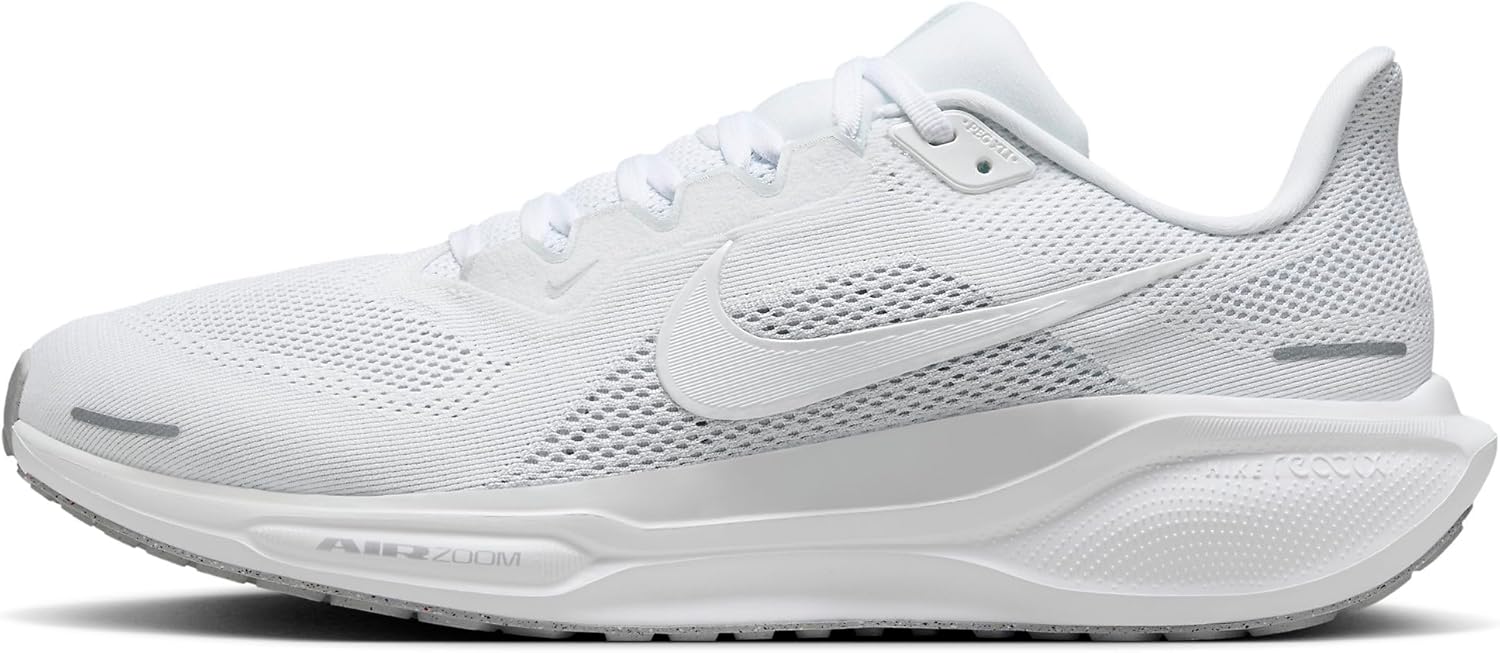
Adaptive Dynamic Arch · Athletic & Daily Wear
Currex’s flagship adaptive arch technology — the orthotic flexes with your gait instead of fighting it. Different stiffness zones along the length give you targeted support at the heel, midfoot, and forefoot. Available in three arch heights (low/medium/high).
✓ Pros
- Dynamic flex zones adapt to natural gait cycle
- Three arch heights ensure precise fit
- Lighter than rigid orthotics (no ‘heavy foot’ feel)
- Excellent for runners and athletic walkers
- European podiatric design (German engineering)
✗ Cons
- More expensive than PowerStep Original ($55-65 typically)
- Less aggressive correction than Pinnacle Maxx for severe cases
- Three arch heights means you must self-select correctly
Dr. Tom’s Recommendation: I started recommending Currex three years ago for runners who said PowerStep felt ‘too rigid.’ The dynamic flex zones respect natural gait. Best for active patients who walk 8K+ steps daily and don’t need maximum motion control.
Running-Specific · Heel Strike + Forefoot Strike Compatible
Currex’s purpose-built running orthotic. The midfoot flex zone is positioned for runner’s gait mechanics, with a flared heel cushion for heel strikers and a forefoot rocker for midfoot/forefoot strikers. Tested on 1000+ runners during product development.

✓ Pros
- Designed by German biomechanics lab specifically for runners
- Dynamic arch flexes with running gait (not static like PowerStep)
- Three arch heights (low/medium/high)
- Reduces overuse injury risk in mid-distance runners
- Lightweight (no impact on cadence)
✗ Cons
- Premium price ($60-75)
- Not aggressive enough for severe over-pronators (use Pinnacle Maxx)
- Runner-specific design = less ideal for daily walking shoes
Dr. Tom’s Recommendation: If a patient runs 20+ miles per week and has plantar fasciitis or shin splints, this is the orthotic I prescribe. The dynamic flex zones respect running biomechanics in a way that no rigid PowerStep can match. Pricier but worth it for serious runners.
Cavus Foot & High-Arch Patients
Polyurethane base with a deeper heel cup and higher arch profile than PowerStep — built for cavus (high-arched) feet that need maximum cushion and support. The 5-zone cushioning system addresses the unique pressure points of high-arch feet.

✓ Pros
- Deeper heel cup centers the heel for cavus foot stability
- Higher arch profile fills the void under high arches
- 5-zone cushioning addresses cavus foot pressure points
- Polyurethane base lasts 12+ months
- Available in Wide width
✗ Cons
- Too tall/aggressive for normal or low arches
- Won’t fit slim dress shoes
- Pricier than PowerStep Original
- Some patients find the arch height uncomfortable initially
Dr. Tom’s Recommendation: Cavus foot patients are often misdiagnosed and given low-arch orthotics — that makes everything worse. Spenco’s Total Support has the arch profile that high-arch feet actually need. About 15% of my patients have cavus feet; this is what they wear.
Cushion Layer · Standing All Day · Gel Pressure Relief
NOT a true biomechanical orthotic — this is a cushion insole. But for patients who want gel pressure relief instead of arch correction (or to add ON TOP of factory insoles in work boots), this is the best gel option on Amazon.
✓ Pros
- Genuine gel cushioning (not foam pretending to be gel)
- Targeted gel waves under heel and ball of foot
- Trim-to-fit · works in most shoe types
- Sub-$15 price (most affordable option in this list)
- Massaging texture is genuinely soothing
✗ Cons
- ZERO arch support — this is cushion only
- Won’t fix plantar fasciitis or flat-foot issues
- Compresses faster than PowerStep (4-6 months)
- Top cover wears through in high-mileage applications
Dr. Tom’s Recommendation: I recommend these to patients who tell me ‘I just want my feet to stop hurting at the end of my shift’ and who don’t have a biomechanical issue. Construction workers, factory workers, retail. Pure cushion does the job for them.
Tight-Fitting Shoes · Cycling Shoes · Hockey Skates
Superfeet’s slim version of their famous Green insole. The trademark stabilizer cap is preserved but the overall thickness is reduced — works in cycling shoes, hockey skates, ski boots, and other tight-fitting footwear that the standard Superfeet Green can’t fit into.

✓ Pros
- Stabilizer cap centers the heel (Superfeet’s signature feature)
- Slim profile fits tight athletic footwear
- Lasts 12+ months daily wear
- Excellent for cycling shoes specifically
- Built-in odor-control treatment
✗ Cons
- Premium price ($45-55)
- Less cushion than PowerStep equivalents
- Not as aggressive correction as Pinnacle Maxx for flat feet
- The signature ‘heel cup feel’ takes 1-2 weeks to adapt to
Dr. Tom’s Recommendation: If you’re a cyclist with foot numbness, hot spots, or knee pain — this is the orthotic. The stabilizer cap solves cycling-specific biomechanical issues that no other orthotic addresses. Worth the premium for athletes.
None of these solving your foot pain?
Some patients (about 30%) need custom-molded prescription orthotics. We make 3D-scanned custom orthotics in our Howell and Bloomfield Hills offices — specifically built for your foot mechanics.
Schedule a Custom Orthotic Fitting →FSA/HSA eligible · Most insurance accepted · (810) 206-1402
Frequently Asked Questions
When should I see a podiatrist?
If symptoms persist past 2 weeks, affect your normal activity, or are accompanied by red-flag symptoms (warmth, redness, swelling, inability to bear weight).
What does treatment cost?
Most diagnostic visits and conservative treatments are covered by Medicare and major insurers. Out-of-pocket costs vary by your specific plan.
How quickly can I get an appointment?
Most non-urgent cases see us within 5 business days. Urgent cases (sudden pain, possible fracture) typically same or next business day.
What is Custom orthotics?
Custom orthotics is a common foot/ankle condition that affects mobility and quality of life. Understanding the underlying cause is the first step in successful treatment. Our podiatrists at Balance Foot & Ankle perform a hands-on biomechanical exam, review your activity history, and use diagnostic imaging when appropriate to identify the root cause—not just treat the symptom. Many patients have been told to “rest and ice” without a deeper diagnostic workup; our approach is different.
Symptoms and warning signs
Common signs of custom orthotics include pain that worsens with activity, morning stiffness, swelling, tenderness when palpated, and difficulty bearing weight. If you experience sudden severe pain, inability to walk, visible deformity, numbness or color change, contact our office the same day or visit urgent care—these can signal a more serious injury such as a fracture, tendon rupture, or vascular compromise. Diabetics with any foot wound should seek same-day care.
Conservative treatment options
Most cases of custom orthotics respond to non-surgical care: structured rest, supportive footwear changes, custom orthotics, targeted stretching and strengthening protocols, anti-inflammatory medications when medically appropriate, and in-office procedures such as ultrasound-guided injections. We also offer advanced therapies including MLS laser therapy, EPAT/shockwave, regenerative injections, and image-guided procedures. Treatment is sequenced from least invasive to most invasive, and we explain the rationale at every step.
When is surgery considered?
Surgery is reserved for cases that fail 3-6 months of well-structured conservative care, when there is structural pathology (severe deformity, complete tear, advanced arthritis), or when imaging shows damage that will not heal without intervention. Our surgeons have performed 3,000+ foot and ankle procedures and prioritize minimally-invasive techniques whenever appropriate. We discuss recovery timelines, return-to-activity milestones, and realistic outcome expectations before any procedure is scheduled.
Footwear & Foot Care Products Guide (American Podiatric Medical Association)
Recovery timeline and prevention
Recovery from custom orthotics varies based on severity and chosen treatment path. Conservative cases often improve within 4-8 weeks with consistent adherence to the protocol. Post-procedural recovery may range from a few days (in-office procedures) to several months (reconstructive surgery). Long-term prevention involves footwear assessment, activity modification, structured strengthening, and regular check-ins with your podiatrist if you have a history of recurrence. We provide written home-exercise plans and digital follow-up support.
Ready to feel better?
Same-week appointments available in Howell and Bloomfield Hills, Michigan.
Book Your VisitGet Expert Care at Balance Foot & Ankle
Same-week appointments at our Howell and Bloomfield Hills offices. Board-certified podiatric surgeons. Most insurance accepted.

Dr. Tom Biernacki, DPM is a board-certified foot & ankle surgeon (ABFAS & ABPM) at Balance Foot & Ankle Specialists in Southeast Michigan. With over a decade of clinical experience, he specializes in heel pain, bunions, diabetic foot care, sports injuries, and minimally invasive surgery. Dr. Biernacki is a member of the APMA and ACFAS, and his patient education content on MichiganFootDoctors.com and YouTube has made him one of the most-followed foot & ankle educators on YouTube.