

The most important clinical decision with Diabetic Neuropathy Foot Care isn’t which treatment to start with — it’s identifying the correct subtype. That changes everything. Call (810) 206-1402.
Dr. Tom’s Top Foot Health Supplements
Affiliate disclosure: Amazon Associate. Always discuss supplements with your physician before starting.
Vitamin B12 Methylcobalamin
Neuropathy support · Nerve repair
PROS
- Active B12 form
- Sublingual absorption
- Neuropathy adjunct
CONS
- Effects take 2-3 months
- Doesn’t replace medical care
Alpha Lipoic Acid 600mg
Diabetic neuropathy · Nerve antioxidant
PROS
- Peer-reviewed for neuropathy
- Both fat- and water-soluble
- Clinical doses available
CONS
- Possible blood sugar effect
- GI upset possible
Acetyl-L-Carnitine (ALCAR)
Diabetic neuropathy · Energy
PROS
- Crosses blood-brain barrier
- Studied for nerve repair
- Pairs with ALA
CONS
- Effects gradual (3+ months)
- Higher cost
Vitamin D3 5000 IU
Bone health · Stress fracture prevention
PROS
- Improves bone density
- Most patients deficient
- Affordable preventive
CONS
- Get blood test first
- Toxicity at very high doses
Dr. Tom’s Diabetic Foot Care Kit
Always under podiatric supervision for diabetic patients.
Dr. Tom’s Wound Care Kit
Medically reviewed by Dr. Tom Biernacki, DPM · Board-Certified Podiatric Surgeon · Last reviewed: April 2026 · Editorial Policy
Related Conditions
Quick Answer
Daily habits prevent most serious diabetic foot complications: inspect the whole foot including between toes, moisturise but not between toes, never go barefoot, and report any change promptly. Same-week appointments in Howell + Bloomfield Township: (810) 206-1402.

Quick Answer
Diabetic peripheral neuropathy is nerve damage from prolonged hyperglycaemia, causing burning, tingling, numbness, or loss of protective sensation in the feet. It will not reverse without addressing glucose control. Daily foot checks, proper footwear, and annual monofilament testing prevent ulceration.
Watch: Dr. Tom Biernacki, DPM
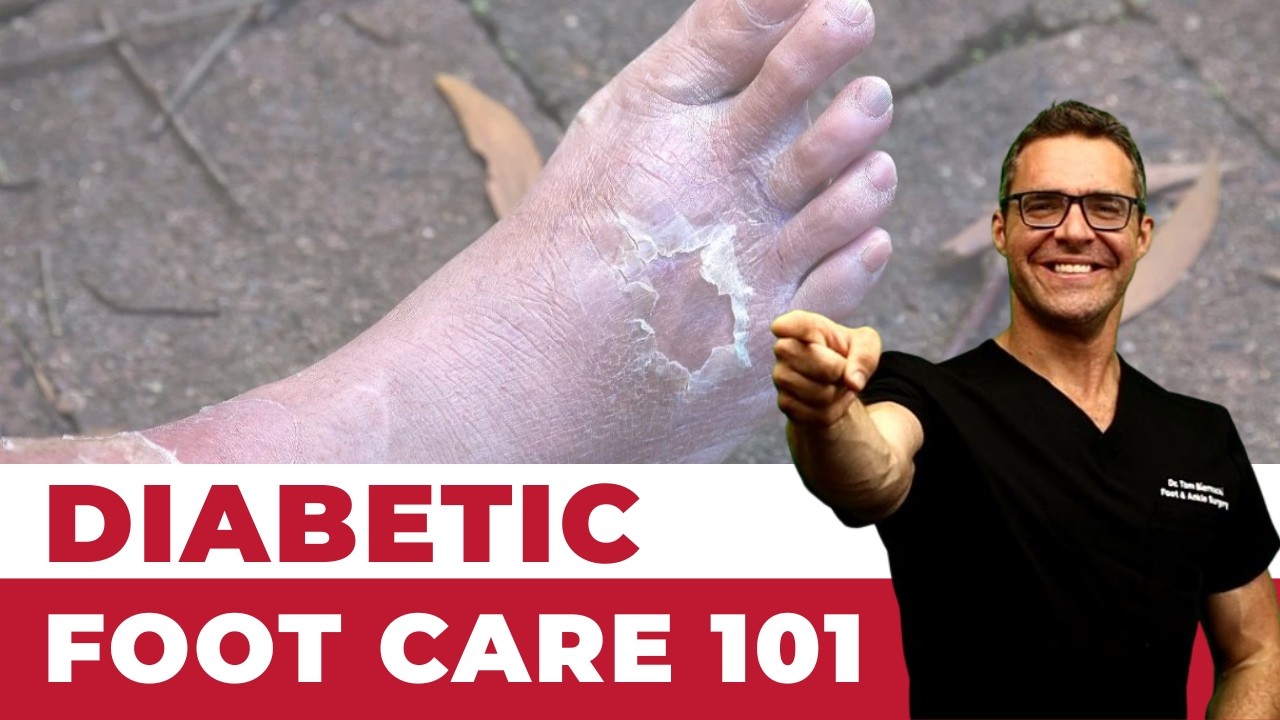
Medically reviewed by Dr. Tom Biernacki, DPM — Board-Certified Podiatric Surgeon — Balance Foot & Ankle, Howell & Bloomfield Township, MI. Last updated April 2026.
▶ Watch
👟 Dr. Tom Also Recommends
Podiatrist Recommended Shoes 2026: Dr. Tom’s Top Picks for Every Condition
The right footwear can make or break your recovery. Dr. Tom’s complete guide to the best shoes for plantar fasciitis, flat feet, neuropathy, bunions & more — with clinical picks for every foot type.
See Dr. Tom’s Top Shoe Picks →Why Diabetic Neuropathy Makes Foot Care Critical
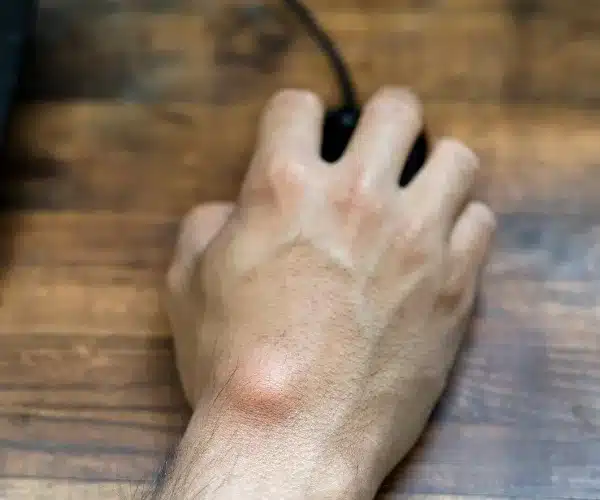
Diabetic peripheral neuropathy—nerve damage from chronic elevated blood glucose—affects approximately 50% of people with diabetes and is the leading cause of non-traumatic lower extremity amputations in the United States. The danger is not the neuropathy itself but what happens in its absence: pain, pressure, and tissue injury go unnoticed. A patient who cannot feel their feet will walk on a developing ulcer, continue wearing ill-fitting shoes that create open wounds, or fail to notice a small cut that develops into a limb-threatening infection. Proactive daily foot care transforms a dangerous situation into a manageable one—most diabetic foot amputations are preventable with appropriate monitoring and timely podiatric intervention.
Daily Foot Inspection: The Most Important Habit
Inspect your feet every single day—top, bottom, between the toes, and around the heels. Use a hand mirror or phone camera to see the bottom of your feet if bending is difficult. Look for: blisters, cuts, or abrasions; redness, warmth, or swelling in any area; skin breakdown or open wounds; discoloration (red, purple, or black areas suggest pressure injury or vascular compromise); calluses or corns developing at pressure points; toenails that are ingrown, thickened, or discolored. Any of these findings requires evaluation—do not attempt to self-treat wounds, ingrown nails, or calluses with over-the-counter products. Medicated corn pads (salicylic acid) and nail trimming carry significant risk in patients with neuropathy and should be performed by a podiatrist.
Footwear: The Primary Defense Against Ulceration
Poorly fitting footwear is the most common cause of diabetic foot ulcers. Shoes must have adequate length (half an inch between the longest toe and the shoe tip), adequate width and depth to accommodate the foot without friction, a soft seamless upper that does not create pressure points, and a thick sole that cushions the plantar surface. Diabetic therapeutic footwear—shoes meeting Medicare’s standards for therapeutic depth and construction—combined with custom-molded insoles that redistribute plantar pressure are the most effective footwear intervention for high-risk diabetic feet. Medicare Part B covers one pair of therapeutic shoes and three pairs of custom insoles per calendar year for qualifying diabetic patients under the Therapeutic Shoe Bill. Patients with significant neuropathy should never go barefoot, even indoors—always inspect shoes before putting them on (a foreign object inside a shoe can cause a serious wound before a neuropathic patient notices it).
Skin and Nail Care
After bathing, dry feet thoroughly—especially between the toes, where moisture promotes fungal infection and maceration. Apply moisturizing lotion to the tops and bottoms of the feet to prevent dry skin and fissures (cracked heels are a serious risk—deep fissures break the skin barrier and become portals for infection). Do not apply lotion between the toes. Trim toenails straight across, not curved, and file sharp edges rather than cutting too short. Any difficulty trimming nails, thickened fungal nails, or ingrown nails should be handled by a podiatrist rather than a family member or nail salon. Water temperature should always be checked with a hand or elbow before bathing—never with the feet, as neuropathic patients cannot reliably detect dangerous temperatures and scald injuries are common.
Warning Signs Requiring Immediate Evaluation
Any open wound or ulcer, no matter how small, requires same-week podiatric evaluation. A small sore that seems minor can progress to a deep infection involving bone (osteomyelitis) within days in a diabetic patient with neuropathy and vascular compromise. Additional urgent signs include: new redness or warmth spreading beyond a wound; streaking up the leg (lymphangitis); pus or foul odor from any wound; sudden dramatic swelling in one foot compared to the other (which may indicate Charcot arthropathy—a neuropathic fracture that mimics infection); fever or elevated blood glucose disproportionate to recent diet; or a cool, pale, or pulseless foot suggesting acute arterial compromise. These are podiatric and vascular emergencies requiring same-day evaluation, not scheduled appointments.
Frequently Asked Questions
How often should a diabetic patient see a podiatrist?
The frequency depends on risk level. Patients with diabetes and no neuropathy, vascular disease, or foot deformity: annual podiatric evaluation. Patients with neuropathy but no history of ulcers or deformity: every 3–6 months. Patients with neuropathy and foot deformity, prior ulcer history, or peripheral arterial disease: every 1–3 months. Patients with active ulcers or recent amputation: every 1–4 weeks during active wound management. These are general guidelines—your podiatrist will recommend a personalized schedule based on your specific risk factors. Medicare and most insurance plans cover routine podiatric foot care for patients with documented diabetes and neuropathy. Staying current with podiatric visits is one of the most cost-effective ways to prevent the enormously expensive complications of diabetic foot disease.
Can diabetic neuropathy foot damage be reversed?
Early diabetic neuropathy—particularly the painful sensory symptoms of burning and tingling—may partially improve with tight blood glucose control. However, established neuropathy with significant loss of protective sensation does not reverse with glycemic control alone. The goal of management is to prevent further deterioration, maximize residual function, manage symptoms (pain medications, anticonvulsants, topical treatments), and—most importantly—prevent the foot complications that neuropathy enables. Aggressive blood glucose management (targeting HbA1c close to normal), blood pressure control, smoking cessation, and exercise can slow progression. No treatment currently restores fully lost nerve function, which is why prevention and protective foot care are so critical once neuropathy is established.
What is the best footwear for diabetic neuropathy?
The best footwear for diabetic neuropathy meets these criteria: Medicare-certified diabetic therapeutic depth (at least 3/8 inch extra depth to accommodate custom insoles), seamless or soft interior to eliminate friction points, a wide rounded toe box without points or tight areas, a firm but cushioned sole, and adjustable closure (lace, velcro, or buckle) to accommodate any foot swelling. Combined with custom-molded accommodative insoles that redistribute plantar pressure away from high-risk areas (previous ulcer sites, bony prominences), therapeutic footwear has strong evidence for reducing ulcer recurrence. Brands specifically designed for diabetic therapeutic footwear include Orthofeet, Drew, Apis, and Propet. Never wear flip flops, sandals without back straps, or shoes without socks if you have significant neuropathy—the protection they afford is inadequate for neuropathic feet.
Medical References & Sources
- PubMed Research — Diabetic Neuropathy Foot Care and Ulcer Prevention
- American Podiatric Medical Association — Diabetic Wound Care
- PubMed Research — Therapeutic Footwear for Diabetic Foot Ulcer Prevention
Dr. Tom Biernacki, DPM is a board-certified podiatric surgeon at Balance Foot & Ankle in Howell and Bloomfield Township, Michigan. He provides comprehensive diabetic foot care including routine nail and skin maintenance, therapeutic footwear prescription, wound management, and preventive monitoring for high-risk diabetic patients.
Dr. Tom’s Recommended Products for Diabetic Foot Care
📍 Located in Michigan?
Our board-certified podiatrists treat this condition at two convenient locations. Same-day appointments often available.
These are products I personally use and recommend to my patients at Balance Foot & Ankle.
- Dr. Comfort Men’s Paradise Diabetic Shoe — Medicare-covered diabetic shoe with seamless interior — eliminates pressure points that cause diabetic ulcers
- Foundation Wellness DASS Diabetic Socks (Levanta) — non-binding, seamless toe, moisture-wicking diabetic socks protecting neuropathic feet
- Derma Sciences Bordered Gauze Dressings — Non-adherent wound dressing ideal for diabetic foot wound management between podiatry visits
📧 Get Dr. Tom’s Free Lab Test Guide
Discover the 5 lab tests every person over 35 should ask their doctor about — explained in plain English by a board-certified physician.
Affiliate disclosure: As an Amazon Associate, Balance Foot & Ankle earns from qualifying purchases. We only recommend products we trust for our own patients.
Join 950,000+ Learning About Foot Health
Dr. Tom shares honest medical advice, supplement reviews, and treatment guides you won’t find anywhere else.
Subscribe on YouTube →Blister-Prevention Socks and Products
- Darn Tough Merino Wool Socks — Lifetime Guarantee
- Balega Hidden Comfort — Ultra-Padded Running Socks
- Body Glide Anti-Blister Balm — Friction Prevention
Amazon affiliate links — we may earn a small commission at no extra cost to you.
Insurance Accepted
BCBS · Medicare · Aetna · Cigna · United Healthcare · HAP · Priority Health · Humana · View All →
Howell Office
4330 E Grand River Ave
Howell, MI 48843
Get Directions →
Bloomfield Township Office
43494 Woodward Ave, #208
Bloomfield Township, MI 48302
Get Directions →
Your Board-Certified Podiatrists



Ready to Get Back on Your Feet?
Same-week appointments available at both locations.
Book Your AppointmentIn-Office Treatment at Balance Foot & Ankle
If home care isn’t resolving your diabetic foot concern, a visit with a board-certified podiatrist is the fastest path to accurate diagnosis and a personalized plan. At Balance Foot & Ankle Specialists, Dr. Tom Biernacki, Dr. Carl Jay, and Dr. Daria Gutkin offer same-day and next-day appointments at both our Howell and Bloomfield Township offices. We perform on-site diagnostic ultrasound, digital X-ray, conservative care, advanced regenerative treatments, and minimally invasive surgery when indicated.
Call (810) 206-1402 or request an appointment online. Most insurance plans accepted, including Medicare, Blue Cross Blue Shield, Aetna, Cigna, and United Healthcare.
Differential Diagnosis: What Else Could It Be?
Several conditions share symptoms with Diabetic Neuropathy and are commonly misdiagnosed in the first office visit. Considering these alternatives is part of every Balance Foot & Ankle exam:
- Tarsal tunnel syndrome. Burning radiating into the arch with positive Tinel’s at the medial ankle.
- Peripheral artery disease. Pain with walking that resolves with rest, weak pulses, hair loss on toes.
- Lumbar radiculopathy. Symptoms following a dermatome, often with back pain — MRI of spine, not foot.
If your symptoms don’t fit the textbook pattern, ask your podiatrist which differentials they ruled out — that conversation often shortcuts months of trial-and-error treatment.
In Our Clinic
Diabetic neuropathy patients in our clinic often don’t realize they have it until we put a 10-gram Semmes-Weinstein monofilament to the plantar foot and they can’t feel it. Many arrive for an unrelated concern — an ingrown toenail, a callus — and we catch the neuropathy on screening. The conversation then shifts: we need to discuss daily foot inspections, appropriate footwear, the urgency of any blister or open area, and the timing of vascular referral if pulses are diminished. Comprehensive diabetic foot exams are covered by Medicare annually. If you have diabetes, we want to see you once a year even if nothing hurts.
Most Common Mistake We See
The most common mistake we see is: Stopping B-vitamin supplementation as soon as symptoms improve. Fix: maintain supplementation for 6-18 months alongside strict glucose control.
Warning Signs That Need Same-Day Care
Seek immediate evaluation at Balance Foot & Ankle if you experience any of the following:
- Sudden loss of sensation on one side
- Wound on the foot not felt by the patient
- One-sided symptoms (rule out compression)
- Back pain plus leg symptoms (possible radiculopathy)
Call (810) 206-1402 — same-day and next-day appointments at our Howell and Bloomfield Township offices.
Pros & Cons of Conservative Care for diabetic foot care
Advantages
- ✓ Daily inspection prevents amputation
- ✓ Most insurance covers DME
- ✓ Custom orthotics help
Considerations
- ✗ Daily commitment required
- ✗ Slow wound healing
- ✗ Charcot risk if neuropathy
In This Article
- Quick Answer
- In-Office Treatment at Balance Foot & Ankle
- Differential Diagnosis: What Else Could It Be? Several conditions share symptoms with Diabetic Neuropathy and are commonly misdiagnosed in the first office visit. Considering these alternatives is part of every Balance Foot & Ankle exam: Tarsal tunnel syndrome. Burning radiating into the arch with positive Tinel’s at the medial ankle. Peripheral artery disease. Pain with walking that resolves with rest, weak pulses, hair loss on toes. Lumbar radiculopathy. Symptoms following a dermatome, often with back pain — MRI of spine, not foot. If your symptoms don’t fit the textbook pattern, ask your podiatrist which differentials they ruled out — that conversation often shortcuts months of trial-and-error treatment. In Our Clinic Diabetic neuropathy patients in our clinic often don’t realize they have it until we put a 10-gram Semmes-Weinstein monofilament to the plantar foot and they can’t feel it. Many arrive for an unrelated concern — an ingrown toenail, a callus — and we catch the neuropathy on screening. The conversation then shifts: we need to discuss daily foot inspections, appropriate footwear, the urgency of any blister or open area, and the timing of vascular referral if pulses are diminished. Comprehensive diabetic foot exams are covered by Medicare annually. If you have diabetes, we want to see you once a year even if nothing hurts. Most Common Mistake We See
- Warning Signs That Need Same-Day Care
Dr. Tom’s Recommended Products for diabetic foot care
Affiliate disclosure: As an Amazon Associate, Balance Foot & Ankle earns from qualifying purchases. We only recommend products we use with patients.
Drew Moonwalker Diabetic Shoe Dr. Tom’s Pick
Best for: Medicare-covered diabetic footwear
Diabetic Compression Socks Dr. Tom’s Pick
Best for: Daily protection + circulation
Ready to Get Back on Your Feet?
Same-day appointments in Howell + Bloomfield Township. Most insurance accepted. Dr. Tom Biernacki, DPM & team.
Book Today — Same-Day Appointments Available
Call Now: (810) 206-1402
About Your Care Team at Balance Foot & Ankle
Dr. Tom Biernacki, DPM · Board-Certified Foot & Ankle Surgeon. Specializes in conservative-first care, minimally invasive bunion surgery, and complex reconstruction.
Dr. Carl Jay, DPM · Accepting new patients. Specializes in sports medicine, athletic injuries, and routine podiatric care.
Dr. Daria Gutkin, DPM, AACFAS · Accepting new patients. Specializes in surgical reconstruction and pediatric podiatry.
Locations: 4330 E Grand River Ave, Howell, MI 48843 · 43494 Woodward Ave Suite 208, Bloomfield Township, MI 48302
Hours: Mon–Fri 8:00 AM – 5:00 PM · (810) 206-1402

Dr. Tom Biernacki, DPM is a board-certified foot & ankle surgeon (ABFAS & ABPM) at Balance Foot & Ankle Specialists in Southeast Michigan. With over a decade of clinical experience, he specializes in heel pain, bunions, diabetic foot care, sports injuries, and minimally invasive surgery. Dr. Biernacki is a member of the APMA and ACFAS, and his patient education content on MichiganFootDoctors.com and YouTube has made him one of the most-followed foot & ankle educators on YouTube.
More questions patients ask
How often should diabetics check their feet?
Diabetic patients should perform daily self-examinations of both feet, checking for cuts, blisters, redness, swelling, calluses, and temperature changes. Professional diabetic foot exams should occur at least annually, or every 3-6 months for patients with neuropathy, peripheral artery disease, or history of foot ulcers. Dr. Biernacki provides comprehensive diabetic foot care programs.
Why do diabetics have foot problems?
Diabetes causes peripheral neuropathy (nerve damage reducing sensation), peripheral artery disease (reduced blood flow), and impaired immune function. This combination means injuries go unnoticed, heal slowly, and are prone to infection. Approximately 15% of diabetics will develop a foot ulcer, and diabetic foot complications are the leading cause of non-traumatic amputation. Prevention through regular podiatric care is essential.
What are the signs of diabetic neuropathy in feet?
Early signs include tingling, burning, or numbness starting in the toes and progressing upward. Other symptoms include sensitivity to touch, muscle weakness, balance problems, and loss of reflexes. If you experience any of these symptoms, schedule an evaluation with Dr. Biernacki at 810-206-1402 for nerve conduction testing and a comprehensive neuropathy management plan.
Still have a question about coverage or cost? Book online and we will check your benefits before your visit: Book in Howell · Book in Bloomfield Township. Prefer to talk it through first? Call (810) 206-1402.