
Medically reviewed by Dr. Tom Biernacki, DPM
Board-certified podiatric surgeon | Balance Foot & Ankle, Howell & Bloomfield Township, MI
Last reviewed: May 2026
| Injury Type | Location | Tennis Mechanism | Key Symptom | Recovery Time |
|---|---|---|---|---|
| Plantar fasciitis | Heel/arch | Repetitive push-off & lateral cuts | Morning heel pain, worsens with play | 6–12 weeks |
| Ankle sprain (lateral) | Outer ankle | Quick direction changes | Swelling, instability, bruising | 2–8 weeks |
| Stress fracture (metatarsal) | Midfoot | High-impact hard-court running | Localized ache that worsens with play | 6–10 weeks non-weight-bearing |
| Achilles tendinopathy | Back of heel | Explosive serve & sprint load | Morning stiffness, midportion pain | 8–16 weeks |
| Sesamoiditis | Ball of foot under big toe | Forward weight shift in rallies | Sharp pain under 1st metatarsal head | 4–8 weeks |
| Court Surface | Impact Force | Common Injuries | Recommended Shoe Feature |
|---|---|---|---|
| Hard court (asphalt/concrete) | Highest | Stress fractures, plantar fasciitis | Extra cushioning + lateral stability |
| Clay court | Low–moderate | Ankle sprains from sliding | Herringbone outsole for controlled slide |
| Grass court | Low | Slipping, ankle sprains | Pimple outsole for grip on turf |
| Indoor carpet/synthetic | Moderate | Metatarsal stress, blisters | Low-profile court shoe; moisture-wicking sock |
Quick answer: Foot Pain After Tennis has multiple potential causes including mechanical, neurological, vascular, and inflammatory. The most common causes we identify are overuse, ill-fitting shoes, and biomechanical imbalance. Red flags requiring urgent evaluation: warmth/redness (infection), inability to bear weight (fracture), and unilateral swelling without injury (DVT). Call (810) 206-1402.
Medically Reviewed | Dr. Tom Biernacki, DPM | Board-Certified Podiatrist | Balance Foot & Ankle, Michigan
Watch: How to Cure Plantar Fasciitis in One Week? [FAST Heel Pain Relief!] — MichiganFootDoctors YouTube
The most important clinical decision with Foot Pain After Tennis isn’t which treatment to start with — it’s identifying the correct subtype. That changes everything. Call (810) 206-1402.
Foot Pain After Tennis: Quick Answer
Tennis is one of the highest-foot-stress sports – involving sudden directional changes, sprinting, jumping, and prolonged standing. Foot pain affects 50-70% of recreational and competitive tennis players. We help dozens of tennis players yearly at Balance Foot and Ankle. Here are the 7 most common causes and proven solutions.
Why Tennis Causes Specific Foot Pain
Tennis-specific demands: Lateral cutting movements stress ankle ligaments; sudden stops/starts load forefoot; serving requires forceful push-off; long matches mean prolonged time on feet; hard court surfaces transmit more impact; tight tennis shoes for stability cause forefoot compression. Most tennis foot pain is preventable with proper shoes and conditioning.
1. Plantar Fasciitis (Most Common)
Why tennis triggers: Repetitive impact on hard courts; sudden mileage increase during tennis season; long matches; pre-existing biomechanical issues exposed. Treatment: Custom orthotics; tennis-specific stability shoes; daily stretching; supportive tennis shoes (NOT cross-trainers); reduce playing volume during recovery; ice after matches.
2. Ankle Sprains
Common in tennis: Lateral cutting movements predispose to ankle sprains. Symptoms: Severe lateral ankle pain after twisting; swelling; bruising; possibly inability to bear weight. Treatment: Walking boot or brace 2-6 weeks (depending on grade); PT; ankle brace during return to tennis; gradual return to lateral movements.
3. Achilles Tendinitis
Why tennis triggers: Sudden lateral movements; serving and overhead motions; sprinting. Treatment: Eccentric heel drops (Alfredson protocol); calf stretching daily; reduced playing volume; supportive tennis shoes; heel lifts; possibly cortisone injection if severe (NOT in tendon itself – rupture risk).
4. Achilles Rupture (Most Serious)
Higher risk in middle-aged “weekend warrior” tennis players: men 30-50; recreational vs full-time athletes. Symptoms: Sudden severe pain at back of leg (“kicked from behind”); audible “pop”; inability to push off. Same-day evaluation needed: Modern functional bracing or surgical repair both effective.
5. Mortons Neuroma
Why tennis triggers: Tight tennis shoes (often narrow forefoot); high mileage; pre-existing forefoot anatomy. Symptoms: Burning between toes; “pebble in shoe” feeling. Treatment: Wider tennis shoes; metatarsal pad in shoe; cortisone injection if severe; address with custom orthotics.
6. Sesamoiditis
Why tennis triggers: Forceful push-off during serves and groundstrokes; pre-existing high arches. Symptoms: Pain UNDER big toe joint with push-off. Treatment: Stiff-soled tennis shoes; metatarsal pad with sesamoid-relief cutout; reduced playing volume 50-70%; possibly walking boot for severe cases.
7. Stress Fractures
Common in serious tennis players: 2nd-3rd metatarsal; navicular; calcaneus. Risk factors: Sudden volume increase; female athlete triad; vitamin D deficiency. Symptoms: Localized pinpoint pain that worsens with activity. Diagnosis: X-ray often misses early – MRI gold standard. Treatment: Walking boot 6-8 weeks; STOP tennis until healed.
Tennis-Specific Footwear
Best tennis shoes: Provide lateral stability for cutting movements; cushion for impact; durability for hard courts. Recommendations: Asics Gel-Resolution 9; Nike Air Zoom Vapor; Babolat Jet Mach 3; New Balance 996v5. NOT recommended for tennis: running shoes (inadequate lateral stability); cross-trainers (jack-of-all-trades, master-of-none); minimalist shoes. Replace every 60 hours of play or 6-12 months.
Tennis-Specific Foot Care Strategy
1. Tennis-specific shoes: lateral stability; appropriate for court surface (hard, clay, grass). 2. Custom orthotics: address biomechanical issues; sometimes need modification for tennis shoes. 3. Pre-match stretching: dynamic warm-up; calf and plantar fascia. 4. Post-match recovery: ice; foot massage; cool-down stretching. 5. Address pain early: dont push through; modify play during recovery. 6. Cross-training: alternate impact tennis days with low-impact (swimming, cycling). 7. Adequate hydration and nutrition: especially calcium and vitamin D. Schedule a tennis-specific evaluation.
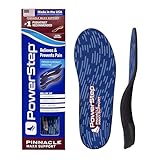
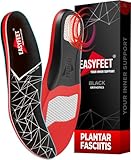
Podiatrist-Recommended Products


Frequently Asked Questions About Foot Pain After Tennis
Why do my feet hurt after tennis?
Most common: plantar fasciitis, ankle sprains, Achilles tendinitis, Mortons neuroma, sesamoiditis. Most serious: Achilles rupture, stress fracture. Tennis stresses feet more than nearly any sport.
Should I wear running shoes or tennis shoes for tennis?
Tennis shoes – they provide lateral stability for cutting movements. Running shoes inadequate for tennis lateral motion and increase ankle sprain risk significantly.
How can I prevent foot pain when playing tennis?
Tennis-specific shoes; custom orthotics; pre-match stretching; post-match recovery; gradual increase in playing volume; cross-training; address pain early; ankle bracing for previous sprains; adequate calcium/vitamin D.
Whats the most serious tennis foot injury?
Achilles rupture – higher risk in middle-aged “weekend warrior” tennis players (men 30-50). Sudden severe pain after activity with audible “pop.” Same-day evaluation needed.
What are the best shoes for tennis?
Asics Gel-Resolution 9; Nike Air Zoom Vapor; Babolat Jet Mach 3; New Balance 996v5. Choose based on court surface (hard, clay, grass). Replace every 60 hours of play.
Can custom orthotics help tennis foot pain?
Yes – custom orthotics address biomechanical issues that cause many tennis foot injuries. May need modification to fit tennis shoes properly.
Should I keep playing tennis with foot pain?
Mild pain that resolves quickly: cautious continuation acceptable with rest days. Persistent or severe pain: STOP and get evaluated. Continuing to play can convert minor injury into major one.
Related Resources from Balance Foot & Ankle
- Foot Pain While Running
- Achilles Tendon Rupture Symptoms
- Plantar Fasciitis Treatment
- Stress Fracture Foot Symptoms
Still Dealing With Foot Pain After Tennis?
Same-week appointments at Balance Foot & Ankle in Howell & Bloomfield Township, MI.
Book Your Appointment⚠️ Most Common Mistake: Ignoring persistent foot pain and continuing normal activity without evaluation. Early podiatric care prevents minor foot issues from becoming chronic, difficult-to-treat conditions.
Frequently Asked Questions
🏥 Recommended by Dr. Biernacki — Foundation Wellness Products
These are the same products Dr. Biernacki recommends to his patients at Balance Foot & Ankle in Michigan. Available through our trusted partners.
What is Foot pain?
Foot pain is a common foot/ankle condition that affects mobility and quality of life. Understanding the underlying cause is the first step in successful treatment. Our podiatrists at Balance Foot & Ankle perform a hands-on biomechanical exam, review your activity history, and use diagnostic imaging when appropriate to identify the root cause—not just treat the symptom. Many patients have been told to “rest and ice” without a deeper diagnostic workup; our approach is different.
Symptoms and warning signs
Common signs of foot pain include pain that worsens with activity, morning stiffness, swelling, tenderness when palpated, and difficulty bearing weight. If you experience sudden severe pain, inability to walk, visible deformity, numbness or color change, contact our office the same day or visit urgent care—these can signal a more serious injury such as a fracture, tendon rupture, or vascular compromise. Diabetics with any foot wound should seek same-day care.
Conservative treatment options
Most cases of foot pain respond to non-surgical care: structured rest, supportive footwear changes, custom orthotics, targeted stretching and strengthening protocols, anti-inflammatory medications when medically appropriate, and in-office procedures such as ultrasound-guided injections. We also offer advanced therapies including MLS laser therapy, EPAT/shockwave, regenerative injections, and image-guided procedures. Treatment is sequenced from least invasive to most invasive, and we explain the rationale at every step.
When is surgery considered?
Surgery is reserved for cases that fail 3-6 months of well-structured conservative care, when there is structural pathology (severe deformity, complete tear, advanced arthritis), or when imaging shows damage that will not heal without intervention. Our surgeons have performed 3,000+ foot and ankle procedures and prioritize minimally-invasive techniques whenever appropriate. We discuss recovery timelines, return-to-activity milestones, and realistic outcome expectations before any procedure is scheduled.
Recovery timeline and prevention
Recovery from foot pain varies based on severity and chosen treatment path. Conservative cases often improve within 4-8 weeks with consistent adherence to the protocol. Post-procedural recovery may range from a few days (in-office procedures) to several months (reconstructive surgery). Long-term prevention involves footwear assessment, activity modification, structured strengthening, and regular check-ins with your podiatrist if you have a history of recurrence. We provide written home-exercise plans and digital follow-up support.
Ready to feel better?
Same-week appointments available in Howell and Bloomfield Township, Michigan.
Book Your VisitAPMA: Foot Pain After Activities — Causes and Relief
Ready to Get Relief?
Same-day appointments available in Howell & Bloomfield Township, MI
4.9★ | 1,123 Reviews | 3,000+ Surgeries
Or call: (810) 206-1402

Dr. Tom Biernacki, DPM is a board-certified foot & ankle surgeon (ABFAS & ABPM) at Balance Foot & Ankle Specialists in Southeast Michigan. With over a decade of clinical experience, he specializes in heel pain, bunions, diabetic foot care, sports injuries, and minimally invasive surgery. Dr. Biernacki is a member of the APMA and ACFAS, and his patient education content on MichiganFootDoctors.com and YouTube has made him one of the most-followed foot & ankle educators on YouTube.