
Medically reviewed by Dr. Tom Biernacki, DPM
Board-certified podiatric surgeon | Balance Foot & Ankle, Howell & Bloomfield Township, MI
Last reviewed: May 2026

| Injury | Tight Shoe Mechanism | Location | Symptom | Fix |
|---|---|---|---|---|
| Morton’s neuroma | Narrow toe box compresses metatarsal heads together | Between 3rd & 4th toes | Electric / shooting pain; toe numbness | Wide toe-box shoe; metatarsal pad; cortisone |
| Bunion progression | Medial pressure forces big toe toward 2nd toe | 1st MTP joint | Bony bump pain; redness; deformity worsens | Wide toe-box; bunion pad; orthotics |
| Hammertoe / claw toe | Toe buckles to fit short toe box; flexor contracture | 2nd–4th toes | Corn on top of toe; rigid deformity over time | Deep/wide toe box; toe pad; surgery if rigid |
| Subungual hematoma (black toenail) | Toe repeatedly strikes front of shoe | Toenails | Painful/painless dark nail; nail loss | Shoe half-size larger; runner’s lacing |
| Blisters + corns | Friction at pressure points from ill-fitting shoe | Any pressure point | Fluid blisters; hyperkeratotic skin | Proper fitting; moisture-wick socks; padding |
| Lace bite (extensor tendinopathy) | Tight laces over extensor tendons | Top of foot | Dorsal ache during/after wearing | Loosen laces; pad tongue; alternative lacing |
| Fit Check | Correct Finding | If Wrong |
|---|---|---|
| Toe length space | ½ inch (thumb-width) between longest toe and shoe end | Too short → black nail; too long → blisters |
| Toe box width | Toes lie flat; no lateral pressure on 1st or 5th toe | Too narrow → neuroma; bunion progression |
| Heel fit | Heel stays in place; no slipping with walking | Too loose → blisters; too tight → Achilles bursitis |
| Width across ball of foot | Ball of foot fills shoe width without overflow | Too narrow → metatarsalgia; neuroma |
| Fit time of day | Fit shoes in afternoon (feet swell by 5–10%) | Morning fitting → too tight by evening |
Quick answer: Foot Pain Tight Shoes has multiple potential causes including mechanical, neurological, vascular, and inflammatory. The most common causes we identify are overuse, ill-fitting shoes, and biomechanical imbalance. Red flags requiring urgent evaluation: warmth/redness (infection), inability to bear weight (fracture), and unilateral swelling without injury (DVT). Call (810) 206-1402.

Watch: How to Cure Plantar Fasciitis in One Week? [FAST Heel Pain Relief!] — MichiganFootDoctors YouTube
Foot Pain Tight Shoes: Quick Answer
Tight shoes cause some of the most common foot problems we see at Balance Foot and Ankle – and most patients dont realize their shoes are contributing. Properly fitted shoes prevent dozens of foot issues. Here is how to identify if your shoes are causing problems.
How to Tell If Your Shoes Are Too Tight
Signs of tight shoes: 1. Toe scrunching at end of shoe. 2. Foot bulges over sides of shoe. 3. Marks on top of foot from laces or tongue. 4. Bunion or hammertoe pressing against shoe sides. 5. Toe tips touch end of shoe. 6. Foot feels constricted; relief when shoes off. 7. Numbness in toes. 8. Calluses or blisters at pressure points. 9. Cant wiggle toes inside shoe. 10. Pain develops within hours of wearing.
Common Foot Conditions From Tight Shoes
1. Mortons neuroma: Burning between toes from nerve compression. 2. Ingrown toenails: Pressure on big toe from narrow shoes. 3. Bunion progression: Pointed shoes accelerate bunion formation. 4. Hammertoe progression: Tight shoes worsen toe contractions. 5. Subungual hematoma (black toenails): Repeated pressure from too-short shoes. 6. Calluses and corns: Pressure points from tight shoes. 7. Metatarsalgia: Forefoot compression. 8. Numb toes: Nerve compression.
How to Properly Fit Shoes
1. Get measured: at specialty store late afternoon (feet larger then). 2. Allow thumb width at the toes (about 0.5 inches). 3. Width matters as much as length: many people need wide widths but wear standard. 4. Try BOTH shoes (feet often different sizes). 5. Walk around store for 5-10 minutes. 6. Wear correct socks for the activity. 7. Account for orthotics if you wear them. 8. Foot expansion: feet swell during the day; choose size for largest point.
Width Sizing Explained
Mens: D (medium – standard); 2E (wide); 4E (extra-wide); 6E (XX-wide). Womens: B (medium – standard); D (wide); 2E (extra-wide); 4E (XX-wide). Most people underestimate their foot width and live with discomfort. Brands with best wide options: New Balance (up to 4E in many models); Brooks (good in stability shoes); Asics (some models). Brands with limited wide: Nike, Adidas, On.
Solutions for Specific Tight-Shoe Problems
For bunion pain: Wide-toe-box shoes; consider “shell stretching” by cobbler for leather shoes. For hammer toes: Deep toe box shoes; toe sleeves to protect from rubbing. For Mortons neuroma: Wide-toe-box shoes plus metatarsal pad. For black toenails: Buy shoes 0.5 inches longer than longest toe; lace properly to prevent foot sliding forward. For ingrown nails: Wider shoes; trim nails properly; permanent matricectomy for recurrent.
Most Common Tight Shoe Culprits
1. Pointed dress shoes: Major cause of bunions and hammertoes; especially in women. 2. Cowboy boots: Tight pointed toe; bunionette pain. 3. Soccer cleats: Tight forefoot; ingrown nails common. 4. Ski boots: Tight rigid; multiple foot problems. 5. Cycling shoes: Tight forefoot; “hot foot” common. 6. Athletic shoes too small: Most common error – people buy “athletic shoe size” without considering width or properly measuring.
When Shoe Modifications Can Help
1. Cobbler shell stretching: Leather shoes can be stretched to accommodate bunions or wide feet. 2. Insole replacement: Remove existing insole if shoe is too tight; thinner orthotic. 3. Custom orthotics: Address pressure issues; insurance often covers for medical necessity. 4. Lacing modifications: Different lacing techniques for high arches, wide feet, top-of-foot pressure. 5. Padding additions: Bunion sleeves; metatarsal pads; gel inserts.
When to See a Podiatrist
See us if: shoe-related pain persists despite shoe changes; foot deformity making fitting difficult; recurring foot problems; need custom orthotic evaluation; want shoe recommendations from medical professional; pre-vacation evaluation if walking-heavy trip planned. Book online 24/7 at Balance Foot and Ankle. Many of our patients resolve chronic foot pain just by addressing tight shoe issues. Schedule online.
Podiatrist-Recommended Products

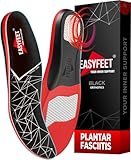

In-Office Treatment at Balance Foot & Ankle
If home treatment isn’t providing relief for your activity or footwear-related foot pain, our podiatry team at Balance Foot & Ankle can help with expert evaluations and advanced in-office care.
Book online 24/7. (810) 206-1402
Frequently Asked Questions About Foot Pain Tight Shoes
How do I know if my shoes are too tight?
Signs: toes scrunch at end; foot bulges over sides; marks on top from laces; bunion presses against shoe; toe tips touch end; numbness; calluses or blisters at pressure points; relief when shoes off.
How much room should I have at toes in shoes?
About thumb width (0.5 inches) between longest toe and shoe end. Toes should wiggle freely. Foot expands throughout day; size for largest point.
Why do my feet hurt only in certain shoes?
Those shoes are too narrow, too tight, or wrong shape for your foot. Try wider widths; different brands; address foot deformities with proper accommodation.
Can wearing tight shoes cause bunions?
Pointed and tight shoes do not directly cause bunions (genetics primary) but accelerate progression in genetically susceptible individuals. Wide-toe-box shoes slow progression.
What shoes should I avoid for foot pain?
Pointed dress shoes, cowboy boots with narrow toes, athletic shoes too small, high heels over 1.5 inches, shoes too narrow for your foot width, worn-out shoes.
Should I get wide-width shoes?
Most people underestimate their foot width. If you experience tight-shoe symptoms in standard width, try 2E (wide) or 4E (extra-wide). Brands like New Balance and Brooks offer best wide options.
When should I see a podiatrist about shoe-related foot pain?
Persistent pain despite shoe changes; foot deformity making fitting difficult; recurring foot problems; need orthotic evaluation; want professional shoe recommendations.
Related Resources from Balance Foot & Ankle
Still Dealing With Foot Pain Tight Shoes?
Appointments at Balance Foot & Ankle in Howell & Bloomfield Township, MI.
Book Your AppointmentAPMA: Foot Pain from Tight Shoes
Ready to Get Relief?
Book online 24/7 in Howell & Bloomfield Township, MI
4.9★ | 1,200+ Reviews | 3,000+ Surgeries
Or call: (810) 206-1402

Dr. Tom Biernacki, DPM is a board-certified foot & ankle surgeon (ABFAS & ABPM) at Balance Foot & Ankle Specialists in Southeast Michigan. With over a decade of clinical experience, he specializes in heel pain, bunions, diabetic foot care, sports injuries, and minimally invasive surgery. Dr. Biernacki is a member of the APMA and ACFAS, and his patient education content on MichiganFootDoctors.com and YouTube has made him one of the most-followed foot & ankle educators on YouTube.