

Specific stretches and massage can quiet a Morton neuroma — here are the moves we teach in clinic.
You are in the right place. Dr. Tom Biernacki, DPM, FACFAS — board-certified foot & ankle surgeon with 3,000+ surgeries — explains exactly what Morton’s neuroma exercises and massage means and what works. Call (810) 206-1402 for same-day appointment at Howell or Bloomfield Township.
Quick answer: Mortons Neuroma Exercises Massage comes up often in our clinics. Effective treatment starts with a targeted diagnosis, conservative-first treatment, and escalation only when needed. We treat this regularly at our Howell and Bloomfield Township practices. Call (810) 206-1402.
✅ Medically Reviewed by Dr. Tom Biernacki, DPM
Board-certified podiatric physician & surgeon | Balance Foot & Ankle | Updated April 2026
Medically reviewed by Dr. Tom Biernacki, DPM · Board-Certified Podiatric Surgeon · Last reviewed: April 2026 · Editorial Policy
The most important clinical decision with Mortons Neuroma Exercises Massage isn’t which treatment to start with — it’s identifying the correct subtype. That changes everything. Call (810) 206-1402.
Quick Answer
Morton’s Neuroma Exercises & Massage 2026: Best T relates to Morton’s neuroma — typically caused by nerve compression between toes. Most patients improve in 8-12 weeks conservative with conservative care. Same-week appointments in Howell + Bloomfield Township: (810) 206-1402.
✅ Medically reviewed by Dr. Tom Biernacki, DPM — Board-Certified Podiatrist · Last updated April 6, 2026
11 BEST Mortons Neuroma Exercises, Massage & Stretch Treatments [WOW!]
Morton’s Neuroma Exercises, Massage, and Conservative Treatment
Morton’s neuroma — thickening of the interdigital nerve between the 3rd and 4th metatarsal heads (most commonly) causing burning, tingling, and shooting pain into the toes — responds to conservative measures in many patients, particularly when the neuroma is detected early and the offending footwear or biomechanical factors are addressed.
Exercises and Self-Care for Morton’s Neuroma
The most effective home measures for Morton’s neuroma address the two primary mechanical causes of nerve compression: tight footwear and excessive transverse metatarsal arch compression. Wide toe box shoes that allow the toes to spread without compressing the metatarsal heads are the single most important footwear change. A metatarsal pad placed just proximal (behind) the 2nd-4th metatarsal heads spreads the metatarsals apart and reduces nerve compression — placement is critical and must be proximal to the heads, not directly under them. Toe spreader exercises — actively spreading the toes apart while seated — maintain metatarsal flexibility and interdigital space. Intrinsic foot muscle strengthening (toe curls, short foot exercises) improves transverse arch support and reduces passive metatarsal compression during the push-off phase of gait.
Massage of the intermetatarsal space with a small amount of anti-inflammatory cream provides temporary relief for many patients. Cross-friction massage between the 3rd and 4th metatarsal shafts, performed with firm thumb pressure from the plantar surface, can help reduce neuromatous tissue reactivity. Ice massage over the affected interspace for 10-15 minutes after activity reduces post-activity inflammatory response.
Forefoot Pain and Toe Problems in Michigan: Expert Podiatric Care at Balance Foot & Ankle
Michigan patients with forefoot pain — pain in the ball of the foot, under the metatarsal heads, at the toe joints, or involving specific toes — benefit from a diagnostic evaluation that identifies the specific cause rather than treating generic “ball of foot pain.” Forefoot conditions have distinct diagnoses with distinct treatments: Morton’s neuroma (nerve compression between the metatarsal heads) responds to injection therapy and surgical decompression; metatarsalgia (metatarsal head overload) responds to orthotic offloading and metatarsal padding; plantar plate injuries at the 2nd MTP joint require MRI confirmation and specific offloading protocols; sesamoiditis at the 1st MTP requires sesamoid-unloading orthotics and, rarely, surgical management; and turf toe (1st MTP ligament sprain) requires protective splinting and gradual return to activity. At Balance Foot & Ankle, forefoot pain evaluation uses clinical examination, weight-bearing X-rays to assess metatarsal alignment and joint status, and ultrasound for soft tissue characterization. Michigan patients with forefoot pain can call Balance Foot & Ankle at (810) 206-1402 for evaluation at our Howell or Bloomfield Township office.
When Home Treatment Isn’t Enough: Michigan Podiatric Evaluation at Balance Foot & Ankle
Michigan patients who have been managing foot and toe problems at home — through exercises, stretching, padding, taping, and OTC products — and are not getting lasting relief deserve a clinical evaluation that identifies what is actually driving their symptoms. At Balance Foot & Ankle, foot pain evaluation combines a detailed history of what has been tried and what has partially worked with a thorough physical examination, weight-bearing X-rays, and ultrasound imaging when soft tissue characterization is needed. Many Michigan patients discover that a precisely targeted conservative intervention — a custom orthotic with specific modifications, an ultrasound-guided injection, or a custom-fitted brace — resolves a problem that generic self-treatment could not. Others who have a structural problem that requires surgical correction receive an honest recommendation with realistic expectations for recovery and long-term outcomes. Michigan patients with persistent foot and toe problems can call Balance Foot & Ankle at (810) 206-1402 to schedule a diagnostic evaluation at our Howell or Bloomfield Township office.
Michigan Foot Care for Athletes, Active Adults, and Seniors at Balance Foot & Ankle
Related Treatment Guides
At Balance Foot & Ankle, we serve Michigan patients across the full range of activity levels — from competitive runners and athletes seeking injury resolution and biomechanical optimization to seniors needing routine nail care, protective footwear, and diabetes surveillance. Our fellowship-trained podiatric surgeons bring the same diagnostic rigor and treatment expertise to a weekend runner’s plantar fasciitis as to a competitive athlete’s Achilles tendon rupture, and the same attentive conservative management to a senior’s ingrown toenail as to a complex diabetic wound. Both our Howell and Bloomfield Township Michigan offices offer accessible parking, same-week scheduling, in-office imaging, and a welcoming environment for patients of all ages and activity levels. Michigan patients who need foot care — whether routine, urgent, or complex — can call Balance Foot & Ankle at (810) 206-1402 to schedule their appointment.
Medical References & Sources
- American Orthopaedic Foot & Ankle Society — Morton’s Neuroma
- PubMed Research — Morton’s Neuroma Treatment
📧 Get Dr. Tom’s Free Lab Test Guide
Discover the 5 lab tests every person over 35 should ask their doctor about — explained in plain English by a board-certified physician.
📍 Located in Michigan?
Our board-certified podiatrists treat this condition at two convenient locations. Same-day appointments often available.
Morton’s Neuroma Pain Between Your Toes?
Our podiatrists treat Morton neuroma with targeted injections, custom orthotics, and minimally invasive procedures for lasting intermetatarsal nerve pain relief.
Clinical References
- Jain S, Mannan K. “The diagnosis and management of Morton neuroma: a literature review.” Foot and Ankle Specialist. 2013;6(4):307-317.
- Thomson CE, et al. “Interventions for the treatment of Morton neuroma.” Cochrane Database of Systematic Reviews. 2004;(3):CD003118.
- Pasero G, Marson P. “Morton metatarsalgia.” Reumatismo. 2006;58(4):334-337.
👟 Dr. Tom Also Recommends
Podiatrist Recommended Shoes 2026: Dr. Tom’s Top Picks for Every Condition
The right footwear can make or break your recovery. Dr. Tom’s complete guide to the best shoes for plantar fasciitis, flat feet, neuropathy, bunions & more — with clinical picks for every foot type.
See Dr. Tom’s Top Shoe Picks →Insurance Accepted
BCBS · Medicare · Aetna · Cigna · United Healthcare · HAP · Priority Health · Humana · View All →
Howell Office
4330 E Grand River Ave
Howell, MI 48843
Get Directions →
Bloomfield Township Office
43494 Woodward Ave, #208
Bloomfield Township, MI 48302
Get Directions →
Your Board-Certified Podiatrists



Ready to Get Back on Your Feet?
Same-week appointments available at both locations.
Book Your AppointmentMore Podiatrist-Recommended Neuroma Essentials
Wide Neutral Cushion Shoe
New Balance 1080 V14 — max forefoot room decompresses the pinched nerve.
Wide-Toe-Box Walking Shoe
New Balance 990v6 — prevents the forefoot compression that triggers Morton’s neuroma.
Orthotic with Met Pad Built-In


PowerStep Pinnacle — arch support reduces nerve irritation between metatarsals.
As an Amazon Associate, Balance Foot & Ankle earns from qualifying purchases. Product recommendations are based on clinical experience; prices and availability shown above update live from Amazon.
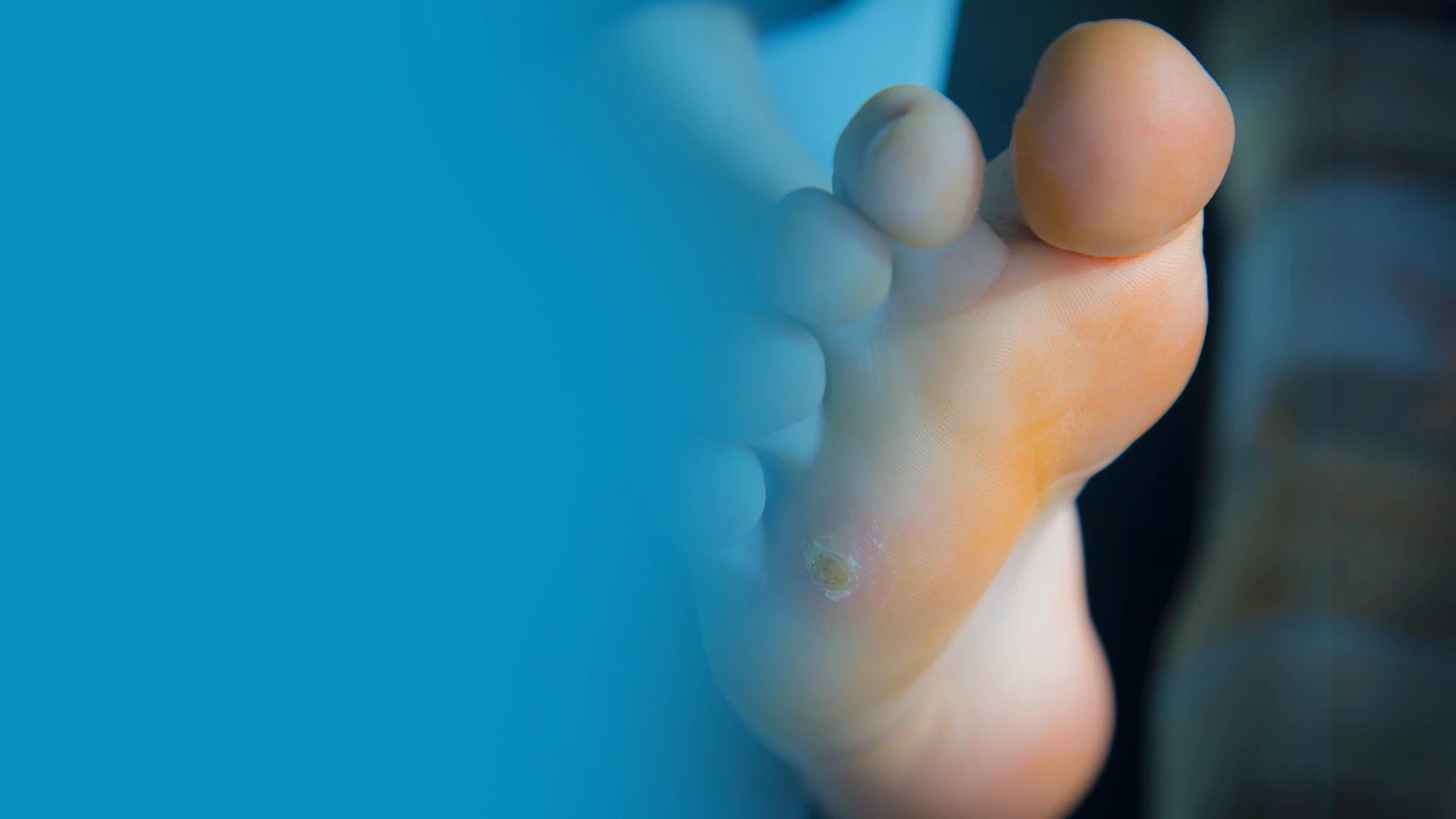
When to See a Podiatrist
A Morton’s neuroma that doesn’t respond to metatarsal pads and wider shoes within 6-8 weeks usually needs a cortisone injection or — for stubborn cases — alcohol sclerosing or nerve decompression. Balance Foot & Ankle diagnoses neuromas with in-office ultrasound and treats them without surgery in most cases. Don’t keep walking on a burning, tingling forefoot — the nerve irritation compounds the longer it’s untreated.
Call Balance Foot & Ankle: (810) 206-1402 · Book online · Offices in Howell & Bloomfield Township
In-Office Treatment at Balance Foot & Ankle
When conservative care isn’t enough, Dr. Tom Biernacki and the team at Balance Foot & Ankle offer advanced, same-day options — including Morton’s Neuroma Treatment Michigan at our Howell and Bloomfield Township clinics.
Same-day appointments available. Call (810) 206-1402 or book online.
Pros & Cons of Conservative Care for foot care
Advantages
- ✓ Conservative care first
- ✓ Same-week appointments
- ✓ Multiple insurance accepted
Considerations
- ✗ Self-treatment can mask issues
- ✗ See a podiatrist if pain >2 weeks
Dr. Tom’s Recommended Products for foot care
Affiliate disclosure: As an Amazon Associate, Balance Foot & Ankle earns from qualifying purchases. We only recommend products we use with patients.
Footnanny Heel Cream Dr. Tom’s Pick
Best for: Daily moisturizer for cracked heels
Ready to Get Back on Your Feet?
Same-day appointments in Howell + Bloomfield Township. Most insurance accepted. Dr. Tom Biernacki, DPM & team.
Book Today — Same-Day Appointments Available
Call Now: (810) 206-1402
About Your Care Team at Balance Foot & Ankle
Dr. Tom Biernacki, DPM · Board-Certified Foot & Ankle Surgeon. Specializes in conservative-first care, minimally invasive bunion surgery, and complex reconstruction.
Dr. Carl Jay, DPM · Accepting new patients. Specializes in sports medicine, athletic injuries, and routine podiatric care.
Dr. Daria Gutkin, DPM, AACFAS · Accepting new patients. Specializes in surgical reconstruction and pediatric podiatry.
Locations: 4330 E Grand River Ave, Howell, MI 48843 · 43494 Woodward Ave Suite 208, Bloomfield Township, MI 48302
Hours: Mon–Fri 8:00 AM – 5:00 PM · (810) 206-1402
In-Office Treatment at Balance Foot & Ankle
If home treatment isn’t providing relief for your metatarsalgia, our podiatry team at Balance Foot & Ankle can help with same-day evaluations and advanced in-office care.
Same-day appointments available. (810) 206-1402
Doctor Hoy’s Natural Pain Relief Gel
Natural topical pain relief I use in our clinic. Arnica + camphor formula — apply directly to the area 3–4x daily. ($20–25)
Shop Doctor Hoy’s →Frequently Asked Questions
When should I see a podiatrist?
If symptoms persist past 2 weeks, affect your normal activity, or are accompanied by red-flag symptoms (warmth, redness, swelling, inability to bear weight).
What does treatment cost?
Most diagnostic visits and conservative treatments are covered by Medicare and major insurers. Out-of-pocket costs vary by your specific plan.
How quickly can I get an appointment?
Most non-urgent cases see us within 5 business days. Urgent cases (sudden pain, possible fracture) typically same or next business day.
What is Morton neuroma?
Morton neuroma is a common foot/ankle condition that affects mobility and quality of life. Understanding the underlying cause is the first step in successful treatment. Our podiatrists at Balance Foot & Ankle perform a hands-on biomechanical exam, review your activity history, and use diagnostic imaging when appropriate to identify the root cause—not just treat the symptom. Many patients have been told to “rest and ice” without a deeper diagnostic workup; our approach is different.
Symptoms and warning signs
Common signs of Morton neuroma include pain that worsens with activity, morning stiffness, swelling, tenderness when palpated, and difficulty bearing weight. If you experience sudden severe pain, inability to walk, visible deformity, numbness or color change, contact our office the same day or visit urgent care—these can signal a more serious injury such as a fracture, tendon rupture, or vascular compromise. Diabetics with any foot wound should seek same-day care.
Conservative treatment options
Most cases of Morton neuroma respond to non-surgical care: structured rest, supportive footwear changes, custom orthotics, targeted stretching and strengthening protocols, anti-inflammatory medications when medically appropriate, and in-office procedures such as ultrasound-guided injections. We also offer advanced therapies including MLS laser therapy, EPAT/shockwave, regenerative injections, and image-guided procedures. Treatment is sequenced from least invasive to most invasive, and we explain the rationale at every step.
When is surgery considered?
Surgery is reserved for cases that fail 3-6 months of well-structured conservative care, when there is structural pathology (severe deformity, complete tear, advanced arthritis), or when imaging shows damage that will not heal without intervention. Our surgeons have performed 3,000+ foot and ankle procedures and prioritize minimally-invasive techniques whenever appropriate. We discuss recovery timelines, return-to-activity milestones, and realistic outcome expectations before any procedure is scheduled.
Recovery timeline and prevention
Recovery from Morton neuroma varies based on severity and chosen treatment path. Conservative cases often improve within 4-8 weeks with consistent adherence to the protocol. Post-procedural recovery may range from a few days (in-office procedures) to several months (reconstructive surgery). Long-term prevention involves footwear assessment, activity modification, structured strengthening, and regular check-ins with your podiatrist if you have a history of recurrence. We provide written home-exercise plans and digital follow-up support.
Ready to feel better?
Same-week appointments available in Howell and Bloomfield Township, Michigan.
Book Your VisitReady for Expert Care?
Same-day appointments in Howell & Bloomfield Township, MI.
4.9★ | 1,123 Reviews | 3,000+ Surgeries
Or call: (810) 206-1402

Dr. Tom Biernacki, DPM is a board-certified foot & ankle surgeon (ABFAS & ABPM) at Balance Foot & Ankle Specialists in Southeast Michigan. With over a decade of clinical experience, he specializes in heel pain, bunions, diabetic foot care, sports injuries, and minimally invasive surgery. Dr. Biernacki is a member of the APMA and ACFAS, and his patient education content on MichiganFootDoctors.com and YouTube has made him one of the most-followed foot & ankle educators on YouTube.
More questions patients ask
What exercises and massage help Morton's neuroma?
For Morton's neuroma, helpful exercises include toe spreading (separating the toes to relieve interdigital nerve compression), metatarsal massage (gently spreading the metatarsal bones apart), calf stretching (reduces forefoot pressure), and towel toe curls (strengthens intrinsic muscles). At Balance Foot & Ankle, these techniques complement primary treatments like wide-toe-box shoes and custom orthotics with metatarsal pads.
Does massaging a Morton's neuroma help?
Gentle massage spreading the metatarsal heads apart can temporarily relieve Morton's neuroma discomfort by reducing compression on the interdigital nerve. Massage directly on the neuroma site should be avoided as it may aggravate symptoms. Balance Foot & Ankle can demonstrate appropriate massage technique for Morton's neuroma during your appointment. Massage provides temporary relief but should be combined with footwear modifications and orthotics for lasting results.
What stretches help Morton's neuroma?
Calf and plantar fascia stretching reduces the overall forefoot load that compresses Morton's neuroma. Toe extension stretches help maintain flexibility in the metatarsophalangeal joints. Metatarsal spreading exercises — manually separating the metatarsal heads — can temporarily decompress the entrapped nerve. Balance Foot & Ankle provides individualized stretching programs for Morton's neuroma patients alongside orthotics and footwear guidance.
Can exercises cure Morton's neuroma?
Exercises alone cannot cure Morton's neuroma, as the condition involves permanent thickening of the interdigital nerve sheath. However, exercises combined with wide-toe-box footwear and custom metatarsal pad orthotics can reduce symptoms sufficiently to avoid the need for injections or surgery in many patients. At Balance Foot & Ankle, we use a comprehensive conservative approach before considering more invasive treatments.
When does Morton's neuroma need treatment beyond exercises?
Morton's neuroma requires professional treatment at Balance Foot & Ankle if exercise and footwear changes do not provide adequate relief, if pain is interfering with daily activities or exercise, or if symptoms are persistent (more than 3 months). Treatment options include custom orthotics, corticosteroid injections, cryotherapy, alcohol sclerosing injections, or surgical neurectomy. Call (810) 206-1402 to discuss Morton's neuroma treatment options.
What causes heel pain?
Heel pain most commonly results from plantar fasciitis, accounting for ~80% of cases. Other causes include Achilles tendinitis, heel spurs, stress fractures, and Baxter's nerve entrapment. Dr. Biernacki performs thorough biomechanical evaluations. Call 810-206-1402 for a same-day appointment.
How long does plantar fasciitis take to heal?
With proper treatment, most cases improve within 6-12 weeks. Options include custom orthotics, stretching, physical therapy, and injections. For persistent cases, Dr. Biernacki offers shockwave therapy and minimally invasive procedures with 90%+ success rates.
Should I see a podiatrist for heel pain?
Yes. A board-certified podiatrist can accurately diagnose heel pain using X-rays and diagnostic ultrasound, ruling out stress fractures. Early intervention leads to faster recovery. Call 810-206-1402.
Still have a question about coverage or cost? Book online and we will check your benefits before your visit: Book in Howell · Book in Bloomfield Township. Prefer to talk it through first? Call (810) 206-1402.