

★ 4.9 Stars · 1,123+ Reviews · Balance Foot & Ankle Michigan
Prp Injections
Board-certified podiatrists in Howell & Bloomfield Township, MI. 4.9★ rated · Same-week appointments · Most insurance accepted · (810) 206-1402.
PRP Injections for Foot & Ankle Pain
Platelet-Rich Plasma (PRP) therapy is a modern regenerative treatment that harnesses your body’s own healing power to treat chronic foot and ankle conditions. At Balance Foot & Ankle, our board-certified podiatrists Dr. Tom Biernacki DPM, Dr. Carl Jay DPM, and Dr. Daria Gutkin DPM use PRP injections to accelerate tissue repair and reduce pain — without surgery.
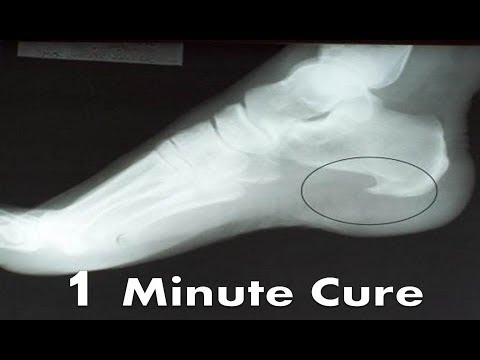
Watch: Shockwave Therapy vs. Injection [Plantar Fasciitis & Plantar Fibroma]
![Shockwave Therapy vs. Injection [Plantar Fasciitis & Plantar Fibroma]](https://www.michiganfootdoctors.com/wp-content/cache/flying-press/72b16d39169856aef93a32473a062ad8.jpg)
What Is PRP Therapy?
PRP stands for Platelet-Rich Plasma. Platelets are a component of your blood that contain powerful growth factors — proteins that signal your body to repair damaged tissue. In a PRP injection, we draw a small sample of your blood, spin it in a centrifuge to concentrate the platelets, and inject the plasma directly into the injured area. Learn more about our plantar fasciitis and heel pain services.
The result: a highly concentrated dose of your body’s own healing factors delivered precisely where they’re needed most. Learn more about our custom orthotics services.
Conditions We Treat with PRP Injections
PRP is particularly effective for chronic soft tissue conditions that have been difficult to resolve with conventional treatments:
- Plantar fasciitis — chronic heel pain and arch pain from inflamed fascia
- Achilles tendinopathy — degeneration or chronic inflammation of the Achilles tendon
- Ankle sprains — ligament damage that hasn’t responded to standard therapy
- Peroneal tendinitis — pain along the outer ankle from inflamed tendons
- Posterior tibial tendon dysfunction — a leading cause of adult flatfoot
- Arthritis pain — joint inflammation in the foot and ankle
What to Expect During PRP Treatment
A PRP injection at Balance Foot & Ankle is a straightforward in-office procedure that typically takes 30–45 minutes from start to finish:
- Blood draw — We take a small sample of blood from your arm (similar to a routine lab draw).
- Centrifuge processing — Your blood is spun in a centrifuge for 10–15 minutes to separate and concentrate the platelets.
- Injection — Using ultrasound guidance for precision, we inject the platelet-rich plasma into the affected area.
- Recovery — Most patients return to light activity the same day. Mild soreness at the injection site is normal and typically resolves within a few days.
Many patients notice meaningful improvement within 4–6 weeks as the growth factors stimulate tissue healing. Some conditions may benefit from a series of 2–3 injections spaced several weeks apart.
Is PRP Right for You?
PRP is a safe, minimally invasive option for patients who have not found relief from physical therapy, orthotics, or cortisone injections. It’s an especially appealing alternative for patients who want to avoid surgery or long recovery periods.
Our doctors will conduct a thorough evaluation — including a physical exam and imaging if needed — to determine whether PRP is appropriate for your specific condition and goals.
PRP vs. Cortisone: What’s the Difference?
Many patients ask how PRP compares to cortisone (steroid) injections. The key difference: cortisone suppresses inflammation temporarily, while PRP stimulates actual tissue repair. Cortisone can provide fast short-term relief but may weaken tissue with repeated use. PRP works more gradually but promotes long-lasting structural healing — making it a better choice for chronic, recurring conditions.
| Cortisone Injection | PRP Injection | |
|---|---|---|
| Mechanism | Anti-inflammatory steroid | Growth factors from your own blood |
| Timeline | Fast relief (days) | Gradual repair (4–8 weeks) |
| Duration | Weeks to months | Long-lasting (often 1–2+ years) |
| Tissue Effect | Can weaken with repeat use | Promotes regeneration |
| Source | Synthetic steroid | Your own blood |
PRP Results: What Does the Research Show?
Clinical studies support PRP as an effective option for chronic foot and ankle conditions. Key findings include:
- Plantar fasciitis: Multiple randomized controlled trials show PRP produces superior long-term pain relief compared to cortisone injections, with benefits persisting at 6–12 months.
- Achilles tendinopathy: PRP reduces pain and improves tendon structure in patients with chronic mid-substance Achilles pathology.
- Ankle ligaments: Emerging evidence supports PRP for accelerating ligament healing after grade II–III sprains.
At Balance Foot & Ankle, we combine PRP with a thorough recovery plan — including physical therapy guidance and activity modification — to maximize outcomes.
Insurance Coverage & Cost
Most insurance plans currently classify PRP as an elective or experimental procedure, meaning it is not typically covered. However, pricing is transparent and reasonable, and our team will review all costs with you before treatment begins. Financing options may be available. We also offer package pricing for patients requiring multiple injections.
Frequently Asked Questions About PRP
Most patients require 1–3 injections spaced 4–6 weeks apart. Chronic or severe conditions may benefit from a series of 3 injections. We will personalize your treatment plan based on your diagnosis and response to initial treatment.
The injection itself involves mild discomfort similar to any injection. We use a local anesthetic to minimize pain. Most patients experience temporary soreness at the injection site for 24–72 hours after treatment, which is normal and indicates the healing response is activated.
Unlike cortisone which works within days, PRP works through tissue regeneration. Most patients notice meaningful improvement at 4–6 weeks, with continued improvement at 3 and 6 months. The healing process is gradual but tends to be more durable than steroid injections.
Because PRP is derived from your own blood, the risk of allergic reaction or rejection is extremely low. Potential side effects include temporary soreness, swelling, and bruising at the injection site. Infection risk is very low. Our doctors will review your full medical history to screen for any contraindications.
Yes. PRP is often most effective when combined with physical therapy, orthotics, or shockwave therapy. Our doctors create comprehensive treatment plans that may incorporate multiple modalities for the best possible outcome.
Related Treatments at Balance Foot & Ankle
PRP is one of several advanced regenerative options we offer. Learn more about our other treatments:
- Shockwave & Laser Therapy — non-invasive energy-based treatment for chronic pain
- Magnetotransduction Therapy (EMTT) — advanced magnetic field therapy for deep tissue healing
- Biomechanical Gait Analysis — identify the root cause of foot and ankle pain
- Custom Orthotics — precision-crafted supports that correct biomechanical dysfunction
- Achilles Tendon Treatment — comprehensive care for tendon pain and rupture
Book a PRP Consultation in Michigan
Balance Foot & Ankle serves patients throughout Southeast Michigan with two convenient locations:
- Howell: 4330 E Grand River Ave, Howell, MI 48843
- Bloomfield Township: 43494 Woodward Ave #208, Bloomfield Township, MI 48302
Call us at (810) 206-1402 or request an appointment online to schedule your PRP consultation. Our team will review your case, answer your questions, and help you determine if PRP therapy is the right next step toward lasting foot and ankle relief.

Insurance Accepted
BCBS · Medicare · Aetna · Cigna · United Healthcare · HAP · Priority Health · Humana · View All →
Howell Office
4330 E Grand River Ave
Howell, MI 48843
Get Directions →
Bloomfield Township Office
43494 Woodward Ave #208
Bloomfield Township, MI 48302
Get Directions →
Your Board-Certified Podiatrists



Ready to Get Back on Your Feet?
Same-week appointments available at both locations.
Board-certified care at both Michigan locations
Book your visit today
Most insurance accepted · On-site X-ray · Board-certified podiatrists
PRP Injections for Foot & Ankle Pain Michigan
Dr. Biernacki explains platelet-rich plasma (PRP) therapy — how concentrating your own growth factors accelerates healing of plantar fasciitis, Achilles tendinitis, and early arthritis.
Frequently Asked Questions
What conditions benefit most from PRP injections in the foot?
Strongest evidence: chronic plantar fasciitis unresponsive to cortisone, Achilles tendinopathy, early ankle osteoarthritis, and chronic tendon degeneration. PRP is also used for post-surgical healing optimization and osteochondral lesion treatment. Multiple studies show PRP outperforms cortisone for long-term plantar fasciitis relief.
How does PRP differ from cortisone injections for plantar fasciitis?
Cortisone is anti-inflammatory — provides rapid relief (days) but may temporarily weaken tissue with repeat injections. PRP uses your own concentrated platelets to stimulate actual tissue repair — takes 4–6 weeks to peak effect but produces more durable results. Studies show PRP reduces plantar fascia thickness and pain more effectively than cortisone at 6-month follow-up.
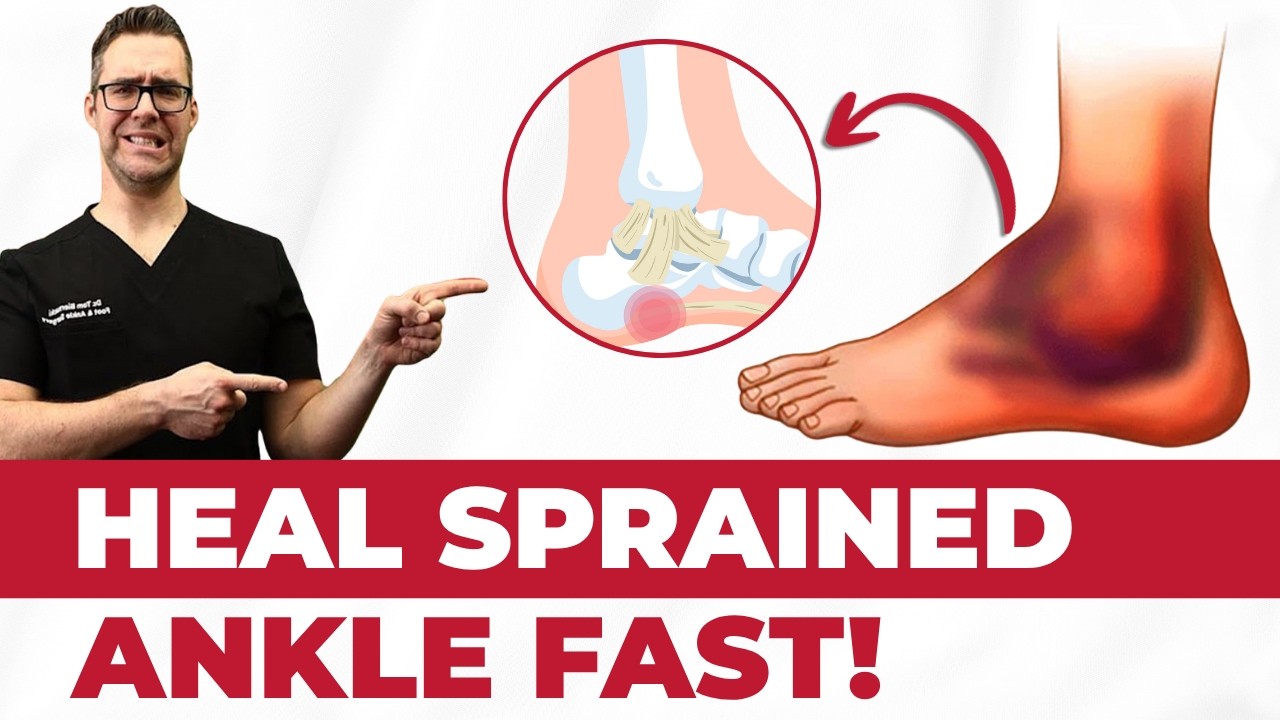
Watch: PRP Injections for Foot & Ankle
Dr. Tom on PRP for foot/ankle — chronic plantar fasciitis, achilles tendinopathy, OCD lesions, patient selection, what to expect, evidence base.
Post-PRP Recovery Kit
Maximize your PRP results. Dr. Tom’s kit:
As an Amazon Associate, Balance Foot & Ankle earns from qualifying purchases. This supports our free patient education content.
Post-injection support.
Maintains tendon length during healing.
Use sparingly early post-PRP (follow DPM instructions).
Topical adjunct during recovery.
Related: Plantar Fasciitis · Achilles Care · Book PRP Consultation
Podiatrist-Recommended Products for Recovery
After PRP injections, proper supportive footwear and recovery tools can significantly enhance healing outcomes. Our podiatrists recommend these clinically-vetted products to reduce strain on treated tendons and joints during recovery.
Amazon Affiliate Disclosure: As an Amazon Associate, Balance Foot & Ankle earns from qualifying purchases at no additional cost to you. Our recommendations are based on clinical experience, not compensation.
Supportive Footwear During PRP Recovery
Foot Pain Relief & Support
For a complete list of doctor-approved recovery products, see our Podiatrist-Recommended Products guide and our Custom 3D Orthotics page.
Questions About PRP Therapy?
Schedule a consultation to see if PRP injections are right for your condition. Same-day appointments available in Howell & Bloomfield Township, MI.
4.9★ | 1,123 Reviews | 3,000+ Surgeries
Or call: (810) 206-1402
Frequently Asked Questions
When should I see a podiatrist?
If symptoms persist past 2 weeks, affect your normal activity, or are accompanied by red-flag symptoms (warmth, redness, swelling, inability to bear weight).
What does treatment cost?
Most diagnostic visits and conservative treatments are covered by Medicare and major insurers. Out-of-pocket costs vary by your specific plan.
How quickly can I get an appointment?
Most non-urgent cases see us within 5 business days. Urgent cases (sudden pain, possible fracture) typically same or next business day.
More questions patients ask
What conditions does PRP treat in the foot and ankle?
PRP (platelet-rich plasma) injections are effective for chronic plantar fasciitis, Achilles tendinopathy, peroneal tendinitis, posterior tibial tendinopathy, and other tendon conditions that don't respond to cortisone injections or conventional therapies.
How many PRP injections are needed?
Most patients receive 1-3 PRP injections spaced 4-6 weeks apart. Results build over 3-6 months as the growth factors stimulate natural tissue repair. Many patients experience lasting relief after their initial injection series.
Still have a question about coverage or cost? Call (810) 206-1402 and we will check your benefits before you come in — or book online: Book in Howell · Book in Bloomfield Township