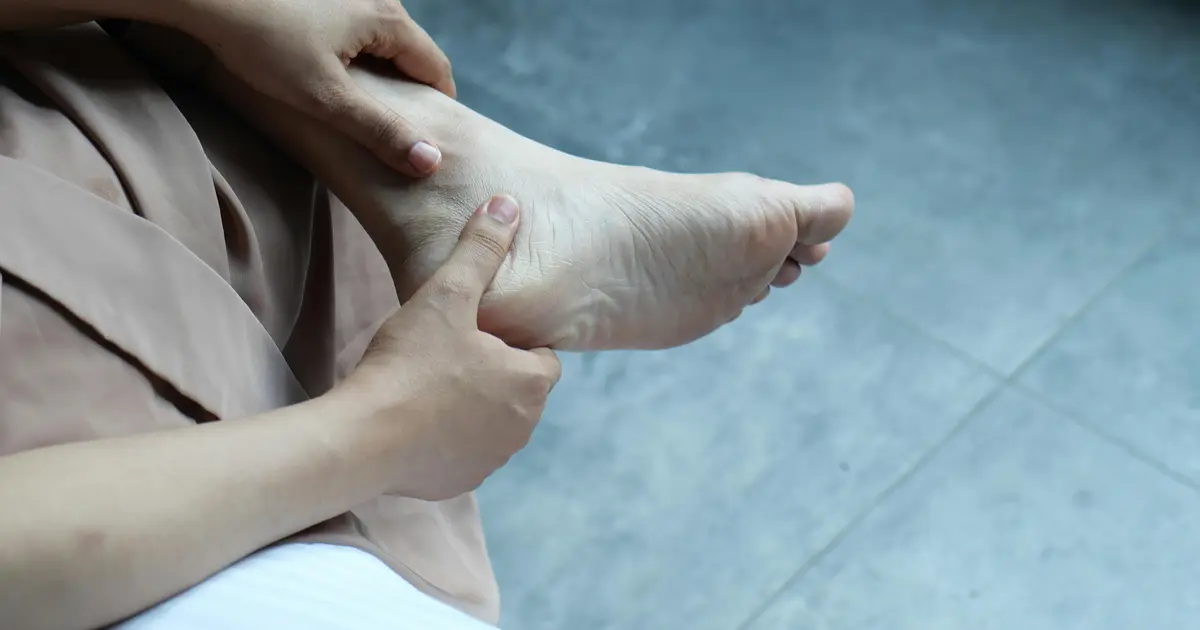
If you’ve been hiding your feet in socks all summer — avoiding sandals, pools, and barefoot moments — you’re not alone. Toenail fungus is one of the most embarrassing and stubborn conditions we treat at Balance Foot & Ankle. What makes it especially frustrating is that patients often spend years buying drugstore antifungal creams that simply don’t penetrate the nail plate where the infection actually lives. Here’s what actually works, what doesn’t, and how to know which treatment is right for your specific infection.
One of the most important things to understand about toenail fungus is that treatment intensity must match severity. A single nail with <10% involvement needs a very different approach than multiple thick, crumbling nails. Here’s the clinical framework we use at Balance Foot & Ankle:
Quick Answer
Reviewed by Dr. Tom Biernacki, DPM, FACFAS · Updated May 2026
Understanding Onychomycosis: Michigan’s Most Undertreated Nail Condition
Discolored, thickened toenails: common signs of onychomycosis | Balance Foot & Ankle, Michigan
Toenail fungus — clinically termed onychomycosis — is far more than a cosmetic problem. Thickened, brittle, discolored nails can cause pain with shoe pressure, lead to secondary bacterial infections, and serve as a reservoir for recurrence of tinea pedis (athlete’s foot). In diabetic patients and those with peripheral vascular disease, fungal nail changes can progress to serious soft tissue infection.
Michigan’s climate — humid summers combined with the prevalence of indoor sports facilities, swimming pools, and locker rooms — creates ideal transmission conditions. Dermatophytes thrive in warm, moist environments and spread through direct contact with contaminated surfaces. Communal showers, gym locker rooms, and nail salons are common acquisition sites. The infection enters through the distal nail plate or lateral folds and progresses proximally, producing the characteristic distal-lateral subungual onychomycosis (DLSO) pattern in 85% of cases.
Types of Toenail Fungus and Their Clinical Patterns
Distal-Lateral Subungual Onychomycosis (DLSO)
The most common pattern — representing 85% of cases — begins at the distal nail edge and lateral groove, progressing proximally under the nail plate. The hallmark is subungual hyperkeratosis (nail buildup underneath) combined with onycholysis (separation of the nail plate from the nail bed), yellow-white-brown discoloration, and eventual nail plate thickening and fragility. The causative organism in 90% of DLSO cases is Trichophyton rubrum.
White Superficial Onychomycosis (WSO)
WSO presents as white chalky patches on the surface of the nail plate — caused by direct invasion of the nail plate surface by T. mentagrophytes. This pattern is more amenable to topical treatment because the organism is superficial. However, in immunocompromised patients and HIV-positive individuals, WSO may represent a deep invasive form requiring systemic therapy.
Proximal Subungual Onychomycosis (PSO)
PSO begins at the proximal nail fold and spreads distally — a pattern uncommon in immunocompetent adults but strongly associated with HIV infection when present. Identification of PSO should prompt clinical evaluation for immunosuppression.
Total Dystrophic Onychomycosis
The end-stage of untreated onychomycosis — complete destruction of the nail plate with replacement by crumbling, friable keratinous debris. Cure rates are significantly lower at this stage, and combination therapy (oral antifungal plus laser plus debridement) is typically required.
Why Over-the-Counter Treatments Fail
The most important fact about toenail fungus: topical OTC treatments (antifungal paints, Vicks VapoRub, tea tree oil) have mycologic cure rates below 10% for established subungual infection. The reason is pharmacokinetic — the nail plate is an effective barrier preventing sufficient drug penetration to the subungual space where the organism resides. Even prescription topical efinaconazole (Jublia) — the most effective topical antifungal — achieves only 15–18% complete cure rates in clinical trials for established DLSO.
Patients frequently spend years applying OTC products with minimal results before seeking podiatric evaluation. This delay allows the infection to progress and increases the likelihood of bilateral involvement and recurrence.
Oral Terbinafine: The Evidence-Based Standard
Oral terbinafine (Lamisil) 250mg daily for 12 weeks (toenails) achieves mycologic cure rates of 70–80% and complete cure (mycologic + clinical) of approximately 35–50% in clinical trials. Its fungicidal mechanism — inhibition of squalene epoxidase with subsequent squalene accumulation toxic to fungal cells — distinguishes it from fungistatic agents. Terbinafine remains in the nail plate for months after the treatment course ends, providing continued activity through the nail growth cycle.
The primary concern with oral terbinafine is hepatotoxicity — rare (1:50,000–100,000 patients) but requiring baseline liver function tests and avoidance in patients with active hepatic disease. Drug interactions include CYP2D6 substrates (many antidepressants, beta-blockers). Before prescribing, Dr. Biernacki reviews your complete medication list and orders appropriate labs. For patients who cannot take terbinafine, oral itraconazole pulse therapy (200mg twice daily × 1 week per month × 3 months) is an alternative with 55–65% mycologic cure rates.
Laser Treatment for Toenail Fungus
Laser therapy (Nd:YAG) achieves 50–65% cure with no systemic side effects — ideal for patients who cannot take oral antifungals | Balance Foot & Ankle
Nd:YAG 1064nm laser therapy is FDA-cleared for the temporary increase in clear nail — it penetrates the nail plate and heats fungal elements to temperatures lethal to dermatophytes without damaging surrounding tissue. In-office treatment takes approximately 20–30 minutes per foot and requires 3–4 sessions spaced 4–6 weeks apart. Laser therapy is attractive for patients who cannot take oral antifungals due to medical contraindications or drug interactions.
Laser as monotherapy produces mycologic cure rates of 30–50% — lower than oral terbinafine alone. The highest cure rates (70–85%) come from combination protocols: oral terbinafine for the standard 12-week course combined with 3–4 laser sessions and application of prescription topical efinaconazole. Dr. Biernacki customizes the treatment protocol based on severity, patient medical history, and ability to tolerate oral medications.
Preventing Recurrence
Recurrence rates for onychomycosis are high — approximately 25% within 3 years of cure — because the causative organisms persist in the environment. Proven recurrence prevention strategies include: treating concurrent tinea pedis (athlete’s foot) aggressively, using antifungal powder or spray in shoes weekly, replacing old shoes (dermatophyte contamination survives for months in footwear), wearing moisture-wicking socks, avoiding barefoot exposure in communal areas, and periodic application of ciclopirox topical lacquer as maintenance. Patients with confirmed cure who implement these measures have significantly lower recurrence rates.
Dr. Tom's Product Recommendations
Lamisil AT Antifungal Cream (Terbinafine 1%)
⭐ Highly Rated
Terbinafine 1% cream for treating athlete’s foot (tinea pedis) concurrently with nail fungus treatment — essential for reducing the fungal reservoir that causes recurrence. Topical terbinafine achieves high cure rates for skin fungal infections even though nail penetration is insufficient for nail treatment.
Dr. Tom says: “Dr. Biernacki told me to treat my athlete’s foot at the same time as my nail fungus. The cream cleared up the skin between my toes within 2 weeks.”
✅ Best for
⚠️ Not ideal for
View on Amazon →
Disclosure: We earn a commission at no extra cost to you.
Purely Northwest Antifungal Tea Tree Oil Foot Soak
⭐ Highly Rated
Tea tree oil has documented antifungal activity — while not sufficient as primary treatment for established onychomycosis, regular foot soaks help soften thickened nails before debridement, reduce surface fungal load, and address concurrent tinea pedis. Used as adjunctive maintenance after completing primary treatment.
Dr. Tom says: “My podiatrist recommended using this to soften my thick nails before my debridement appointments. It also seems to help with the odor and athlete’s foot.”
✅ Best for
⚠️ Not ideal for
View on Amazon →
Disclosure: We earn a commission at no extra cost to you.
Sweat Block Moisture-Wicking Copper Infused Socks
⭐ Highly Rated
Moisture-wicking copper-infused socks reduce the humid environment that promotes dermatophyte growth and recurrence. Copper has inherent antimicrobial properties. Essential component of post-treatment recurrence prevention protocol — replace cotton socks entirely.
Dr. Tom says: “After finishing treatment for nail fungus, Dr. Biernacki recommended switching to these. My feet stay drier all day and I haven’t had a recurrence in 18 months.”
✅ Best for
⚠️ Not ideal for
View on Amazon →
Disclosure: We earn a commission at no extra cost to you.
✅ Pros / Benefits
Nail culture or PAS staining to confirm fungal diagnosis before treatment — avoids treating non-fungal nail dystrophy Oral terbinafine with medical monitoring — most effective evidence-based treatment available Laser combination protocols for patients who cannot take oral antifungals Nail debridement at each visit — removes infected material and improves topical drug penetration Recurrence prevention protocol — addressing shoes, tinea pedis, and environmental sources
❌ Cons / Risks
Complete cosmetic nail improvement takes 12–18 months regardless of treatment — the nail must physically grow out Oral terbinafine requires blood work and is contraindicated in liver disease No treatment achieves 100% cure — recurrence rates of 25% exist even with combination therapy
Dr
Dr. Tom Biernacki’s Recommendation
Toenail fungus is probably the most undertreated condition I see — patients use OTC products for years without results because those products genuinely don’t penetrate the nail. Once I confirm it’s actually fungal with a culture or stain, oral terbinafine is the most effective option for most patients. For those who can’t take it, laser combination therapy is a real alternative. The key is getting the diagnosis right first — about 30% of thick discolored nails are NOT fungal, and treating psoriatic or traumatic nail dystrophy with antifungals wastes a year of your time.
— Dr. Tom Biernacki, DPM | Board-Certified Podiatric Surgeon | Balance Foot & Ankle
Frequently Asked Questions
How do I know if my thickened nail is actually fungus?
Approximately 30% of thick, discolored toenails are NOT caused by fungal infection — they may be traumatic nail dystrophy (from repetitive microtrauma in ill-fitting shoes), psoriatic nail changes, lichen planus, or simply aging-related nail changes. The only way to confirm onychomycosis is with nail plate clipping sent for PAS staining or fungal culture. We perform this in-office at your first visit. Treating non-fungal nail disease with antifungals wastes 12–18 months of treatment time.
Is the laser treatment painful?
Most patients describe a mild warming sensation during Nd:YAG laser treatment with occasional brief stinging at the nail bed. The treatment is well-tolerated without anesthesia. Post-treatment, the nail may feel warm for 30–60 minutes. There is no downtime — patients return to all activities immediately after treatment.
How long before I see clear nails after treatment?
Regardless of treatment method, clinical nail improvement tracks with nail growth speed — toenails grow approximately 1–1.5mm per month. For a great toenail approximately 10–12mm in length, complete nail replacement takes 12–18 months. Patients typically begin to see a clear proximal nail band emerging within 3–4 months of starting oral terbinafine. Patience with the process while monitoring mycologic response is essential.
Can nail fungus spread to other nails or to family members?
Yes to both. Onychomycosis can spread laterally to adjacent nails through direct nail contact and can be transmitted to household contacts through contaminated bathroom surfaces, shared nail tools, and communal bathing areas. Family members of patients with diagnosed onychomycosis should inspect their own nails and avoid sharing towels, nail clippers, and bath mats. Treating bathroom surfaces with dilute bleach solution reduces environmental fungal burden.
Does insurance cover toenail fungus treatment?
Oral antifungal medications are typically covered by most insurance plans with prior authorization. Laser treatment for onychomycosis is generally classified as cosmetic and not covered by insurance. Nail debridement and mycologic confirmation testing are typically covered. We provide detailed cost estimates before any procedure and can often submit prior authorization for oral medications on your behalf.
Michigan Foot Pain? See Dr. Biernacki In Person
4.9★ rated | 1,123 Reviews | 3,000+ Surgeries
Same-week appointments · Howell & Bloomfield Township
📞 (810) 206-1402
Book Online →
⚠️ When to see a podiatrist promptly:
Nail is causing significant pain limiting walking or footwear
Skin around the nail is red, swollen, or draining (possible secondary bacterial infection)
You are diabetic or immunocompromised — nail infections carry a much higher risk of spreading
The infection has not responded to 6+ months of consistent treatment
A dark streak under the nail (brown or black) — this requires urgent evaluation to rule out subungual melanoma
You notice the infection spreading to multiple nails or to the skin
In-Office Treatment at Balance Foot & Ankle
If home treatment isn’t providing relief for your foot and ankle issues, our podiatry team at Balance Foot & Ankle can help with same-week evaluations and advanced in-office care.
Related care from Balance Foot & Ankle Our podiatrists treat the underlying cause, not just the symptom. Same-week appointments at our Howell and Bloomfield Township, Michigan offices.
Call (810) 206-1402 or book online .
★★★★★ 4.9 Stars · 1,123+ Five-Star Reviews
Get Expert Care at Balance Foot & Ankle
Same-week appointments at our Howell and Bloomfield Township offices. Board-certified podiatric surgeons. Most insurance accepted.
Same-Week Appointments in Howell & Bloomfield Township
Three board-certified podiatric surgeons. 1,123+ five-star reviews. Most insurance accepted.
American Academy of Dermatology: Nail Fungus
Ready to Clear Your Toenail Fungus for Good?
Same-week appointments available in Howell & Bloomfield Township, MI
4.9★ | 1,123 Reviews | 3,000+ Surgeries
Or call: (810) 206-1402
Dr. Tom Biernacki, DPM is a board-certified foot & ankle surgeon (ABFAS & ABPM) at Balance Foot & Ankle Specialists in Southeast Michigan. With over a decade of clinical experience, he specializes in heel pain, bunions, diabetic foot care, sports injuries, and minimally invasive surgery. Dr. Biernacki is a member of the APMA and ACFAS, and his patient education content on MichiganFootDoctors.com and YouTube has made him one of the most-followed foot & ankle educators on YouTube.