

![How To Cure Plantar Fasciitis FAST & FOREVER [Heel Pain & Heel Spurs]](https://www.michiganfootdoctors.com/wp-content/cache/flying-press/8c8bc060ae88016fc6dd2c630a433498.jpg)
Watch: How To Cure Plantar Fasciitis FAST & FOREVER [Heel Pain & Heel Spurs] — MichiganFootDoctors YouTube
🔄 Best Foot Rollers for Plantar Fasciitis (Quick Answer)
The best foot rollers for plantar fasciitis in 2026 are the QLDT combo set (roller + lacrosse ball + spiky ball), Tumaz 2025 Upgraded Roller, and BESKAR Deep Tissue Roller. Roll for 5–10 minutes daily on each foot — morning use before first steps is most effective. Full guide below.
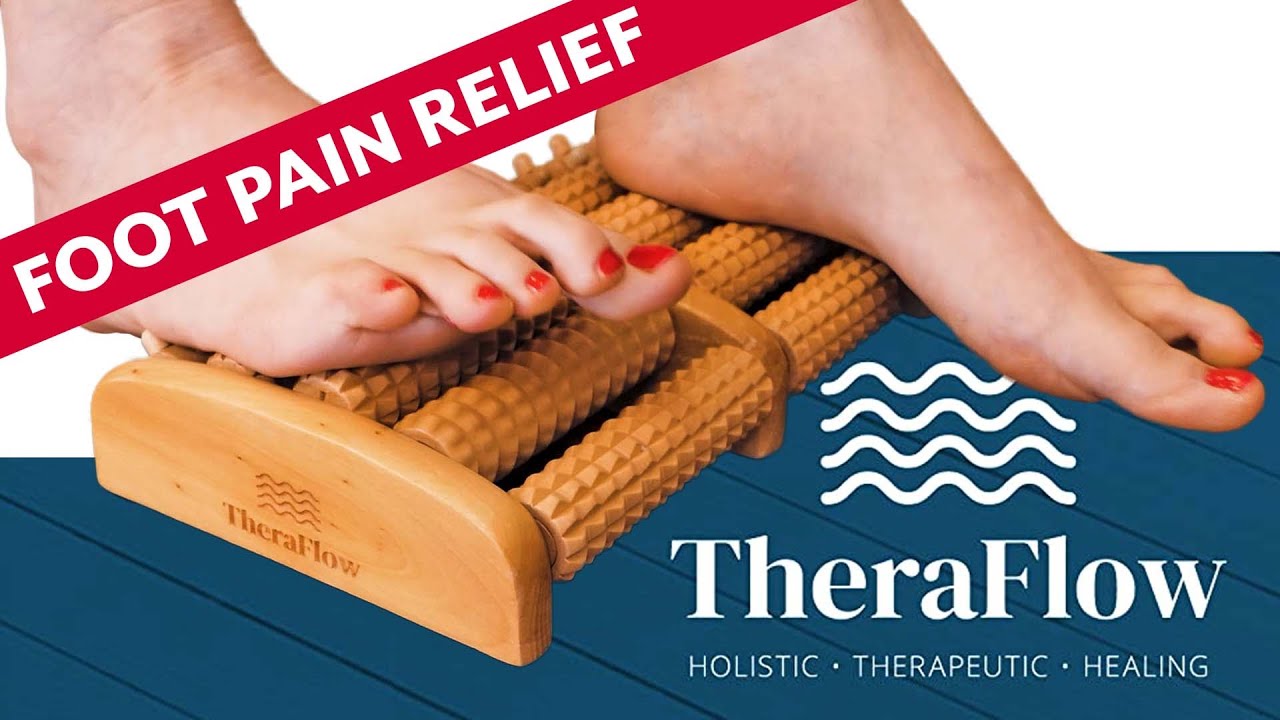
Self-myofascial release using foot rollers is one of the most evidence-backed conservative treatments for plantar fasciitis — and one of the simplest to add to your daily routine. As a podiatrist in Howell and Brighton, Michigan, I recommend foot rolling to almost every plantar fasciitis patient as part of their home care protocol. When combined with appropriate footwear and stretching, daily foot rolling can reduce plantar fasciitis pain by 40–60% within 4–6 weeks.
The mechanism is straightforward: the plantar fascia and the surrounding intrinsic foot muscles develop adhesions and micro-scar tissue in response to repetitive injury. These adhesions reduce fascial mobility and concentrate stress at the calcaneal insertion — the point of maximum pain. A foot roller breaks up these adhesions mechanically, improving local circulation, reducing trigger point sensitivity, and restoring the fascia’s natural extensibility.
In this guide, I’ll walk through the best foot rollers and massage tools available on Amazon in 2026, explain the clinical rationale for each, and show you exactly how to use them for maximum effect.
The Science Behind Foot Rolling for Plantar Fasciitis
Plantar fasciitis is not a simple inflammation — it’s a degenerative condition (fasciosis) in which the fascia has attempted to heal itself but has laid down disorganized collagen that lacks the tensile strength of normal fascial tissue. This disorganized tissue is less extensible and more prone to re-injury. Mechanical stimulation from foot rolling does two things that medical treatment alone cannot: it directly disrupts scar tissue adhesions and provides the controlled microtrauma necessary to stimulate new, organized collagen production.
A 2018 study in the Journal of Athletic Training found that plantar fascia self-massage combined with stretching reduced pain scores by significantly more than stretching alone after 8 weeks. A 2022 systematic review confirmed that plantar intrinsic muscle exercises — which include the compressive loading provided by foot rolling — reduce plantar fasciitis severity and improve functional outcomes.
Dr. Tom’s 6 Best Foot Rollers for Plantar Fasciitis in 2026
#1 — QLDT Plantar Fasciitis Relief Set: Best Combo Value
The QLDT combo set is the best starting point for plantar fasciitis patients because it provides three complementary tools in one package: a foam foot roller for broad pressure release, a lacrosse ball for focused trigger point work, and a spiky massage ball for reflexology-style stimulation. This combination allows progressive treatment — starting with the gentler foam roller and advancing to the lacrosse ball as tolerance increases. For patients who are new to fascial rolling, having all three tools means you can start gently and progress without purchasing multiple products. The compact design fits in any gym bag, making it practical for use at work or during travel.
#2 — Tumaz Foot Roller 2025 Upgraded: Best Ridged Roller
The Tumaz 2025 Upgraded Foot Roller features deeper, more strategically placed bumps than its predecessor — providing more targeted pressure into the plantar fascia and intrinsic muscles without requiring additional pressing force from the user. The ridged design creates multiple contact points along the foot simultaneously, distributing pressure to stimulate circulation and release adhesions across the entire plantar surface in a single rolling pass. The compact, portable design allows use at a desk — a significant advantage for sedentary workers who develop plantar fasciitis from prolonged sitting followed by standing. The 2025 upgrade also includes a denser foam core that doesn’t compress flat over time.
#3 — BESKAR Foot Massager Roller: Best Deep Tissue Option
The BESKAR Foot Massager Roller is designed specifically for deep tissue work — the type of sustained pressure needed to break up chronic, long-standing fascial adhesions in patients who have had plantar fasciitis for months or years. The firmer construction doesn’t compress under body weight the way softer foam rollers do, meaning it delivers consistent therapeutic pressure throughout the rolling session. The ridged surface provides both longitudinal (arch-to-heel) and transverse (side-to-side) stimulation, which is important because the plantar fascia runs longitudinally but the intrinsic muscles that surround it are oriented in multiple directions. Highly recommended for patients with chronic plantar fasciitis who haven’t responded to gentler self-massage tools.
#4 — QLDT Foot Roller (Blue): Best Budget Single Roller
For patients who want a straightforward, affordable daily roller without the extras, the QLDT Blue Foot Roller provides solid clinical performance at a budget price point. The ridged surface delivers adequate trigger point stimulation for mild-to-moderate plantar fasciitis, and the lightweight construction makes it easy to keep at a desk, bedside table, or in a shoe rack for consistent daily use. Consistency is the most important variable in foot roller effectiveness — the best roller is the one you actually use every day. The QLDT Blue’s convenience and low barrier to use make it an excellent choice for patients who struggle to maintain daily self-care routines.
#5 — Plantar Fasciitis Relief Massage Roller: Best Targeted Arch Tool
This targeted plantar fasciitis relief roller is contoured specifically to the anatomy of the foot arch — with a curved surface that applies pressure to the plantar fascia insertion at the calcaneus and along the medial longitudinal arch simultaneously. Unlike cylindrical rollers that apply pressure broadly, this tool focuses stimulation precisely where plantar fasciitis tension is highest. The compact size allows use while seated, making it practical for office workers and anyone with a desk job. For patients who have identified their maximum pain point at the heel insertion (the classic first-step morning pain location), this targeted tool provides more precise relief than general rollers.
#6 — PowerStep Insoles: Complement Your Rolling Routine
Foot rolling addresses the muscular and fascial component of plantar fasciitis — but it doesn’t correct the underlying biomechanical cause (typically overpronation or inadequate arch support). PowerStep insoles provide the arch support that prevents the plantar fascia from being overloaded during daily activities, meaning your rolling sessions don’t have to work as hard to maintain progress. Think of it this way: rolling repairs the damage, insoles prevent new damage from occurring. Using both together creates a faster and more sustainable recovery than either approach alone. PowerStep is the OTC insole I recommend most frequently at our clinic.
How to Use a Foot Roller for Plantar Fasciitis: Clinical Protocol
The effectiveness of foot rolling depends almost entirely on technique and consistency. Here is the exact protocol I give plantar fasciitis patients at our clinic.
Morning Protocol (5 minutes, before first steps)
Morning is the most critical time to roll. The plantar fascia tightens overnight during sleep and is maximally contracted when you first wake up — this is why the first few steps out of bed are the most painful moment for plantar fasciitis patients. Before standing, sit at the edge of your bed and roll each foot for 2–3 minutes using moderate pressure. Start with the smooth side of the roller at the heel, then progress forward to the arch. This pre-loads the fascia progressively before it experiences standing force, dramatically reducing morning pain intensity.
Post-Activity Protocol (5 minutes, after walking/running)
After any significant walking or standing activity, the plantar fascia is loaded and metabolically active. This is the ideal time for deeper rolling — the tissue is warmer and more responsive to mechanical stimulation. Use the ridged roller or lacrosse ball with slightly more pressure, targeting the arch and heel insertion specifically. Finish with 60 seconds of the gentle frozen roller (if using cold therapy) to reduce any reactive inflammation from activity.
Evening Wind-Down Protocol (3 minutes, before bed)
A gentle 3-minute rolling session before bed helps the fascia relax and reduces the overnight tightening cycle. Use the softest, smoothest roller or a golf ball with minimal pressure. The goal here is relaxation, not deep tissue work — think of it as putting the foot to sleep in a loosened state so morning pain is less severe.
Complete Your Foot Roller Routine with These Products
- PowerStep Pinnacle — Foot rollers treat symptoms; arch support prevents recurrence. Use PowerStep during the day, roller for evening recovery.
- Doctor Hoy’s Natural Pain Relief Gel — Apply arnica + camphor gel before rolling: the mechanical pressure of the roller drives the arnica deeper into the plantar fascia for enhanced anti-inflammatory effect.
- DASS Medical Compression Socks — Morning PF stiffness: graduated compression overnight maintains arch position and reduces the fascial tension that foot rollers temporarily release.
Foot rolling helping but plantar fasciitis returning? In-office PF treatment permanently addresses the structural cause → (810) 206-1402
In-Office Treatment at Balance Foot & Ankle
If home treatment isn’t providing relief for your plantar fasciitis, our podiatry team at Balance Foot & Ankle can help with same-day evaluations and advanced in-office care.
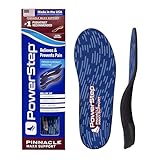
- Slightly Angled Heel Post: PowerStep Pinnacle Maxx insoles for men & women keep the feet from rolling inward, improve stability, and prevent problems caused by overpronation including flat feet and plantar fasciitis.
- Firm But Flexible Design: Our orthotics Pinnacle PowerStep insoles for overpronation are equipped with a deep heel insert cradle for increased comfort, stability, and motion control for standard arch support and immediate heel pain relief.
- Premium Dual Layer Cushioning: For enhanced comfort from heel to toe. As the thickest of our Pinnacle PowerStep orthotics, these need to be worn in shoes where the factory insole can be removed. HSA & FSA Eligible. Made in the USA
- The Perfect Balance of Comfort and Support: These PowerStep Pinnacle arch support inserts for men & women are unlike most other orthotics as they help to correct over-pronation which can cause ankle, knee, and hip pain in your daily routine
- No Trimming: Our arch support PowerStep insoles men & women can use can be worn in a variety of shoe styles & fit in any type with no trimming required! Unlike most insoles for flat feet and other heel pain relief products, these come ready to wear.
As an Amazon Associate, Balance Foot and Ankle earns from qualifying purchases. Product links are affiliate links and we may earn a commission at no extra cost to you. This does not influence our clinical recommendations. Last update on 2026-08-04 / Images from Amazon Product Advertising API
Same-day appointments available. (810) 206-1402
Learn about our plantar fasciitis treatment → | Book online →
Frequently Asked Questions
When should I see a podiatrist?
If symptoms persist past 2 weeks, affect your normal activity, or are accompanied by red-flag symptoms (warmth, redness, swelling, inability to bear weight).
What does treatment cost?
Most diagnostic visits and conservative treatments are covered by Medicare and major insurers. Out-of-pocket costs vary by your specific plan.
How quickly can I get an appointment?
Most non-urgent cases see us within 5 business days. Urgent cases (sudden pain, possible fracture) typically same or next business day.
What is Plantar fasciitis?
Plantar fasciitis is a common foot/ankle condition that affects mobility and quality of life. Understanding the underlying cause is the first step in successful treatment. Our podiatrists at Balance Foot & Ankle perform a hands-on biomechanical exam, review your activity history, and use diagnostic imaging when appropriate to identify the root cause—not just treat the symptom. Many patients have been told to “rest and ice” without a deeper diagnostic workup; our approach is different.
Symptoms and warning signs
Common signs of plantar fasciitis include pain that worsens with activity, morning stiffness, swelling, tenderness when palpated, and difficulty bearing weight. If you experience sudden severe pain, inability to walk, visible deformity, numbness or color change, contact our office the same day or visit urgent care—these can signal a more serious injury such as a fracture, tendon rupture, or vascular compromise. Diabetics with any foot wound should seek same-day care.
Conservative treatment options
Most cases of plantar fasciitis respond to non-surgical care: structured rest, supportive footwear changes, custom orthotics, targeted stretching and strengthening protocols, anti-inflammatory medications when medically appropriate, and in-office procedures such as ultrasound-guided injections. We also offer advanced therapies including MLS laser therapy, EPAT/shockwave, regenerative injections, and image-guided procedures. Treatment is sequenced from least invasive to most invasive, and we explain the rationale at every step.
When is surgery considered?
Surgery is reserved for cases that fail 3-6 months of well-structured conservative care, when there is structural pathology (severe deformity, complete tear, advanced arthritis), or when imaging shows damage that will not heal without intervention. Our surgeons have performed 3,000+ foot and ankle procedures and prioritize minimally-invasive techniques whenever appropriate. We discuss recovery timelines, return-to-activity milestones, and realistic outcome expectations before any procedure is scheduled.
Recovery timeline and prevention
Recovery from plantar fasciitis varies based on severity and chosen treatment path. Conservative cases often improve within 4-8 weeks with consistent adherence to the protocol. Post-procedural recovery may range from a few days (in-office procedures) to several months (reconstructive surgery). Long-term prevention involves footwear assessment, activity modification, structured strengthening, and regular check-ins with your podiatrist if you have a history of recurrence. We provide written home-exercise plans and digital follow-up support.
Ready to feel better?
Same-week appointments available in Howell and Bloomfield Township, Michigan.
Book Your VisitGet Expert Care at Balance Foot & Ankle
Same-week appointments at our Howell and Bloomfield Township offices. Board-certified podiatric surgeons. Most insurance accepted.
Same-Week Appointments in Howell & Bloomfield Township
Three board-certified podiatric surgeons. 1,123+ five-star reviews. Most insurance accepted.

Dr. Tom Biernacki, DPM is a board-certified foot & ankle surgeon (ABFAS & ABPM) at Balance Foot & Ankle Specialists in Southeast Michigan. With over a decade of clinical experience, he specializes in heel pain, bunions, diabetic foot care, sports injuries, and minimally invasive surgery. Dr. Biernacki is a member of the APMA and ACFAS, and his patient education content on MichiganFootDoctors.com and YouTube has made him one of the most-followed foot & ankle educators on YouTube.