

Orthotic typically responds to early podiatrist evaluation, conservative treatments like supportive footwear and targeted stretching, and—when needed—custom orthotics. Most patients see improvement within 4-6 weeks of starting a treatment plan. Severe or persistent symptoms warrant in-person assessment to rule out structural issues. Contact our Howell or Bloomfield Hills office for a same-week evaluation.
★ 4.9 Stars · 1,123+ Reviews · Board-Certified Michigan Podiatrists
Custom Orthotics Michigan
Physician-Grade Insoles That Actually Work
Custom orthotics from a board-certified podiatrist are prescription medical devices, not store-bought insoles. Built from 3D scans of your foot to correct your specific biomechanics — for plantar fasciitis, flat feet, diabetic pressure redistribution, and more.
2026 Update
Medically reviewed
by Dr. Tom Biernacki DPM, Board-Certified Podiatric Surgeon · Last updated:
March 2026
Custom orthotics are one of the most over-prescribed and under-explained treatments in podiatry. As someone who both prescribes them and directs patients to OTC alternatives, here’s my honest take on when they’re worth $400–700.
Custom vs OTC: What’s the Actual Difference?
OTC orthotics (like PowerStep Pinnacle) are mass-produced in standard arch profiles. Custom orthotics are cast from your foot and fabricated to your specific biomechanical needs. For most patients with mild-moderate flat feet or plantar fasciitis, a good OTC orthotic at $35 performs comparably to a $500 custom device. The difference matters most in complex biomechanical problems, post-surgical cases, and progressive deformities.
When Custom Orthotics Are Worth It
- OTC orthotics have failed after 8+ weeks of consistent use
- Significant limb length discrepancy
- Post-surgical offloading needs
- Complex biomechanical deformities (severe pronation, Charcot foot)
- Pediatric foot conditions
- High-performance athletes with specific gait demands
Cost and Insurance
Custom orthotics typically run $400–700 out of pocket. Many insurance plans cover them when prescribed by a podiatrist with documented medical necessity. Medicare covers therapeutic shoes/inserts for diabetics; custom functional orthotics require supplemental coverage.
Related
- Are Orthotics Worth It? — Full cost-benefit analysis
- Podiatrist-Recommended OTC Orthotics
Frequently Asked Questions
How long do custom orthotics last?
Typically 2–5 years with regular use, depending on activity level and materials. They should be evaluated at each annual visit.
Can I get custom orthotics without seeing a podiatrist?
You can get ‘semi-custom’ orthotics online (from scan apps), but true custom orthotics require a plaster cast, foam box impression, or 3D scan from a healthcare provider.
Does insurance cover custom orthotics?
It depends on your plan. Many commercial insurers cover functional foot orthotics when prescribed for a diagnosed condition. Always verify your coverage before ordering.
Ready for Expert Care?
Dr. Tom Biernacki DPM sees patients in Howell and Bloomfield Hills, MI. Most insurance plans accepted.
Book Your Appointment →
Get Dr. Tom’s Free Foot Health Guide
“5 Lab Tests Your Doctor Isn’t Running” — the guide used by 50,000+ patients. Free PDF, delivered instantly.
No spam. Unsubscribe anytime. Used by 50,000+ patients.
Serving Michigan Patients Near You
Looking for custom orthotics near me? Balance Foot & Ankle fits and dispenses custom orthotics at our Howell and Bloomfield Hills offices, serving patients across Livingston and Oakland County. Our board-certified podiatrists handle everything from the 3D scan and gait assessment to the final fitting, and most major insurance plans are accepted.
Custom orthotics are available at all Balance Foot & Ankle locations in Michigan:
- Custom Orthotics in Brighton, MI
- Custom Orthotics in Fowlerville, MI
- Custom Orthotics in Hartland, MI
- Custom Orthotics in Howell, MI
- Custom Orthotics in Milford, MI
- Custom Orthotics in Pinckney, MI
- Custom Orthotics in South Lyon, MI
Showing 7 Michigan locations. Book an appointment →
Frequently Asked Questions
Answered by Dr. Tom Biernacki DPM, Board-Certified Podiatrist
Are custom orthotics worth the cost?
For most patients with structural foot problems (flat feet, high arches, leg length discrepancy), custom orthotics deliver results that OTC insoles cannot. They’re especially cost-effective for recurrent plantar fasciitis, posterior tibial tendon dysfunction, and diabetic foot care, where they prevent expensive complications.
How are custom orthotics made?
Dr. Tom uses 3D foot scanning to create a precise digital mold of your foot. This data is used to fabricate orthotics that match your exact foot shape, correct your specific gait abnormalities, and provide the appropriate level of support. The process takes 2-3 weeks from scan to delivery.
How long do custom orthotics last?
Functional (rigid) orthotics last 3-5 years with proper care. Accommodative (soft) orthotics typically last 1-2 years depending on activity level. Dr. Tom recommends annual check-ups to assess wear and ensure they’re still providing optimal correction.
Can I use custom orthotics in all my shoes?
Custom orthotics can be transferred between shoes that have a removable insole. Full-length orthotics work in athletic shoes, work boots, and casual shoes. 3/4-length orthotics can fit into dress shoes and women’s flats. Very thin, low-profile orthotics can be fabricated for high heels.
Do I need a prescription for custom orthotics?
Yes — custom orthotics require a physician prescription and gait analysis. Beware of ‘custom’ orthotics at kiosks or shoe stores that only use a pressure plate; these are not truly custom and won’t provide prescription-level correction. Insurance sometimes covers custom orthotics with a documented medical necessity.
What is the difference between custom orthotics and OTC insoles?
OTC insoles (like PowerStep Pinnacle) provide generic support and cushioning. Custom orthotics are fabricated to your specific foot shape and biomechanical needs. For simple arch support or cushioning, OTC is often sufficient. For correcting overpronation, supination, or structural deformities, custom orthotics are far superior.
Dr. Tom’s Pick: CURREX RunPro Insoles for Runners
CURREX RunPro are biomechanically tuned running insoles with 3 arch profiles (low, medium, high) to match your foot type. Unlike generic insoles, they’re engineered specifically for the high-impact demands of running — reducing pronation stress and metatarsal loading.
View CURREX RunPro on Amazon →
Affiliate disclosure: As an Amazon Associate, Balance Foot & Ankle earns from qualifying purchases.
Dr. Tom’s Product Recommendations:
Join 950,000+ Learning About Foot Health
Dr. Tom shares honest medical advice, supplement reviews, and treatment guides you won’t find anywhere else.
Subscribe on YouTube →
Related Conditions
Local Custom Orthotic Fittings
- Custom Orthotics Troy
- Custom Orthotics Royal Oak
- Custom Orthotics Howell
- Custom Orthotics Bloomfield Hills
Ready to Get Back on Your Feet?
Same-week appointments available at both locations.
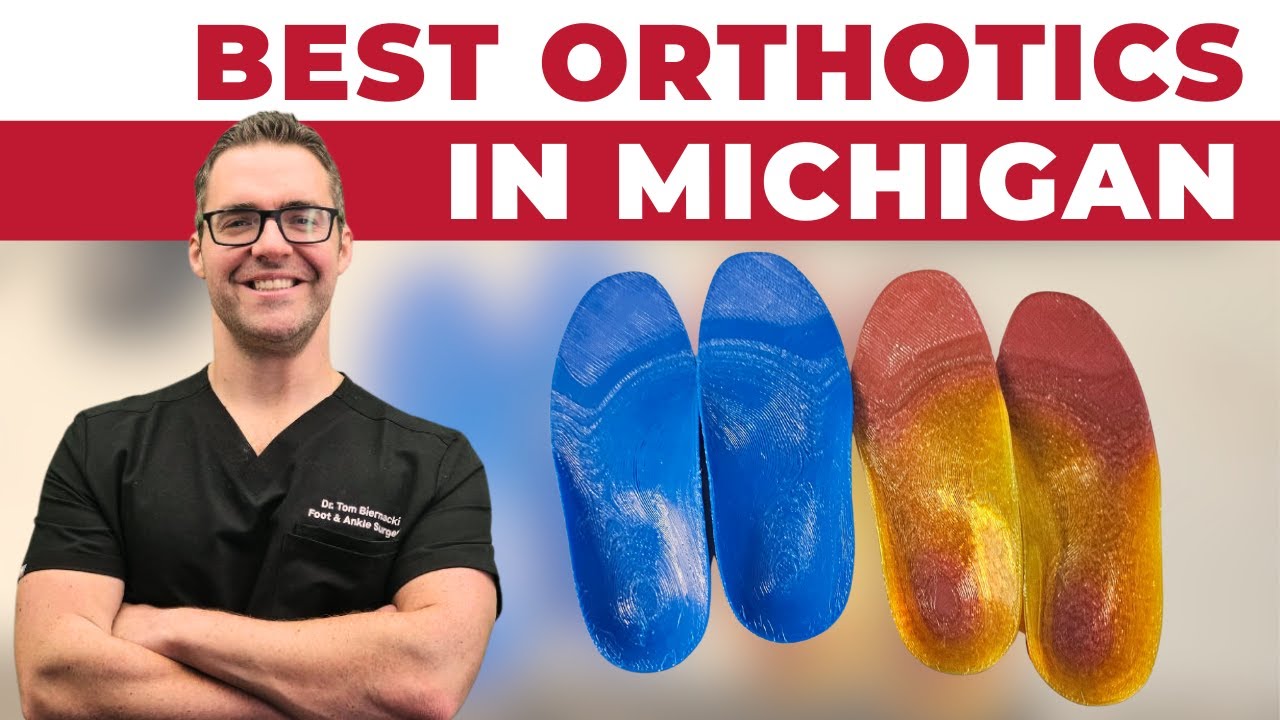
Howell Office
4330 E Grand River Ave
Howell, MI 48843
Get Directions →
Bloomfield Hills Office
43494 Woodward Ave, Suite 208
Bloomfield Hills, MI 48302
Get Directions →
Your Board-Certified Podiatrists



Board-certified care at both Michigan locations
Book your visit today
Most insurance accepted · On-site X-ray · Board-certified podiatrists
Frequently Asked Questions
How much do custom orthotics cost?
Custom orthotics from a board-certified podiatrist typically cost $300-$600 per pair. Many insurance plans cover custom orthotics with a doctor’s prescription. We verify your benefits before ordering. Medicare covers therapeutic insoles for diabetic patients.
How long do custom orthotics last?
With proper care, physician-grade custom orthotics last 3-5 years for adults and 1-2 years for growing children. Signs you need replacement: the material is worn down, you notice increased pain, or your foot mechanics have changed significantly.
Custom orthotics vs. store-bought insoles — which is better?
Store-bought insoles provide general cushioning and are appropriate for mild discomfort. Custom orthotics are prescription medical devices designed from a 3D scan of your specific foot to correct your biomechanical issues. For conditions like plantar fasciitis, flat feet, or diabetic foot complications, custom orthotics are significantly more effective.
Are custom orthotics covered by insurance?
Many plans cover custom orthotics with a physician prescription and documented medical necessity. Medicare covers orthotics for diabetic patients under certain conditions. We verify your benefits and obtain pre-authorization before ordering, handling all paperwork for you.
Can I use custom orthotics in multiple pairs of shoes?
Yes. We make duplicate orthotics for different shoes, or design orthotics in a transfer-friendly profile that fits most closed-toe shoes. Athletic patients often get one pair with multiple top covers for different shoe types. Ask about our multiple-pair pricing options.
Medical References & Resources
- Custom orthotics prescription guidelines — American Podiatric Medical Association (APMA)
- Orthotic research and clinical evidence — Journal of Foot & Ankle Research
Watch: Are Custom Orthotics Worth It?
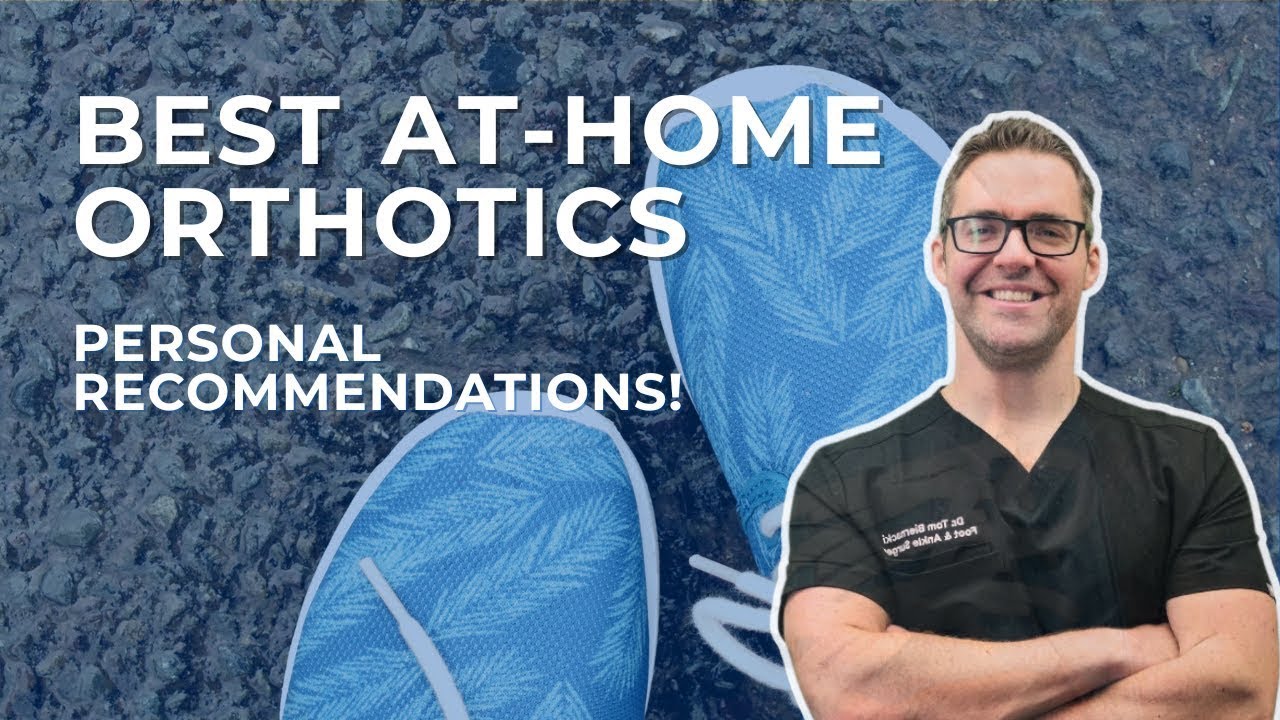
Dr. Tom Biernacki, DPM — 960K+ YouTube subscribers · 156M+ video views · Michigan’s most-watched podiatrist.
OTC Insoles to Try First
Before committing to $500+ custom orthotics, try a top OTC for 6–8 weeks. If it resolves your symptoms, you just saved hundreds.
Best Insoles for Flat Feet
Rigid arch-shell insoles that correct overpronation at the source.
Powerstep Pinnacle vs Maxx vs Pulse
Head-to-head: which Powerstep fits which foot type.
Custom Orthotics vs OTC Insoles
A podiatrist's honest cost-benefit analysis.
Watch Dr. Tom on Custom Orthotics
Dr. Tom’s diagnostic criteria for when custom orthotics are worth it — and when OTC insoles work just as well.

OTC Insoles to Try Before Going Custom
Not every patient needs $400+ custom orthotics. Our protocol: try one of these first. If it resolves your pain, you may not need custom. If it helps but not enough, we cast custom with confidence.
PowerStep Pinnacle Insoles
Our #1 starter recommendation — neutral arch support that resolves ~40% of mild-to-moderate PF cases outright.
Superfeet-Alternative Firm Support Insoles
Higher-volume, firmer insole for severe overpronators and flat feet — the step between PowerStep and custom.
Strassburg Sock (Night Splint)
Complement to any orthotic for PF patients — prevents overnight fascia contracture.
Structured Walking Shoe (Podiatrist-Approved)
Orthotics only work inside a supportive shoe. Skip this step and no insole will help.
Affiliate disclosure: Amazon links are affiliate links — we earn a small commission if you buy through them, at no cost to you. We only recommend products we actually prescribe to patients at Balance Foot & Ankle.
Related from Balance Foot & Ankle
👟 Dr. Tom’s Complete Footwear Library
Podiatrist-Approved Guides for Every Foot Type & Condition
Clinically reviewed by Dr. Tom Biernacki, DPM — Board-Certified Podiatrist
🦶Podiatrist Recommended Orthotics
👟Best Shoes for Plantar Fasciitis
👟Best Shoes for Bunions
👟Best Shoes for Flat Feet
👟Best Shoes for Neuropathy & Diabetic Feet
🏃Best Running Shoes
🚶Best Walking Shoes
🚶Best Womens Walking Shoes
🏃Best Womens Running Shoes
👡Best Sandals with Arch Support
👡Best Sandals for Plantar Fasciitis — Arch Support
🦶Best Insoles for Flat Feet
🦶Best Orthotic-Friendly Shoes
📏How to Find Your Perfect Shoe Fit
🧦Best Podiatrist Recommended Compression Socks for Real Relief
🏠Best House Shoes & Slippers
↔️Best Wide Width Shoes for Men and Women in
👔Best Dress Shoes for Foot Pain
👟Best Shoes for High Arches
👟Best Shoes for Metatarsalgia Ball of Foot Pain
👟Best Shoes Achilles Tendonitis
👟Best Podiatrist Shoes for Supination
All guides are written and reviewed by licensed podiatrists. Schedule an appointment →
Orthotic — Frequently Asked Questions
When should I see a podiatrist for orthotic?
If symptoms persist beyond 2 weeks of self-care, interfere with daily activity, or worsen suddenly, schedule a podiatrist evaluation. Early intervention typically shortens recovery and prevents chronic compensation patterns.
Will I need imaging or surgery?
Most orthotic cases resolve with conservative care—custom orthotics, supportive shoe changes, anti-inflammatory protocols, and targeted physical therapy. Imaging (X-ray, ultrasound, MRI) is reserved for cases that fail conservative treatment or when structural pathology is suspected. Surgery is rarely the first option.
Does insurance cover orthotic treatment in Michigan?
Most major Michigan insurance plans (BCBS, BCN, Priority Health, HAP, Medicare, Medicaid HMOs, United, Aetna, Cigna) cover medically necessary podiatric care. Custom orthotics may have separate DME coverage rules. Our team verifies your specific benefits before your visit.