
Medically reviewed by Dr. Tom Biernacki, DPM — Board-certified foot & ankle surgeon, 3,000+ surgeries performed. Updated April 2026 with current clinical evidence. This article reflects real practice experience from Balance Foot & Ankle Specialists in Howell and Bloomfield Township, Michigan.
Quick Answer
Custom orthotics are prescription inserts made from a 3D scan of your foot. They address the structural cause of plantar fasciitis, flat feet, or metatarsalgia rather than just cushioning symptoms. Most patients feel improvement within 2-4 weeks. Covered by most PPO plans and Medicare when medically indicated.
Watch: Dr. Tom Biernacki, DPM
/div>Medically Reviewed by Dr. Tom Biernacki, DPM — Board-Certified Podiatrist, Balance Foot & Ankle Specialists, Michigan. Last updated April 2026.
🩺 Medically Reviewed by: Dr. Tom Biernacki, DPM — Board-Certified Podiatrist | Last Updated: April 2026 | Reading Time: 11 min
Quick Answer: Custom orthotics are prescription medical devices fabricated from a precise 3D scan or cast of your feet. Unlike over-the-counter insoles, custom orthotics are engineered to correct your specific biomechanical abnormalities — controlling excessive pronation, redistributing pressure from painful areas, and supporting weakened structures. The process involves a comprehensive biomechanical evaluation, digital foot scanning, lab fabrication from prescription specifications, and fitting with adjustments. Modern custom orthotics typically last 3–5 years and are covered by many insurance plans.
📑 Table of Contents
- What Are Custom Orthotics?
- Custom Orthotics vs. Over-the-Counter Insoles
- The Biomechanical Evaluation
- 3D Foot Scanning Technology
- Writing the Orthotic Prescription
- Lab Fabrication Process
- Fitting and Break-In Period
- Conditions Custom Orthotics Treat
- Orthotic Lifespan and Maintenance
- Insurance Coverage for Custom Orthotics
- Complementary Foot Care Products
- Frequently Asked Questions
- Sources
Affiliate Disclosure: Some links below are affiliate links, meaning we may earn a small commission at no extra cost to you. We only recommend products we trust and use in clinical practice. These commissions help support free educational content.
What Are Custom Orthotics?
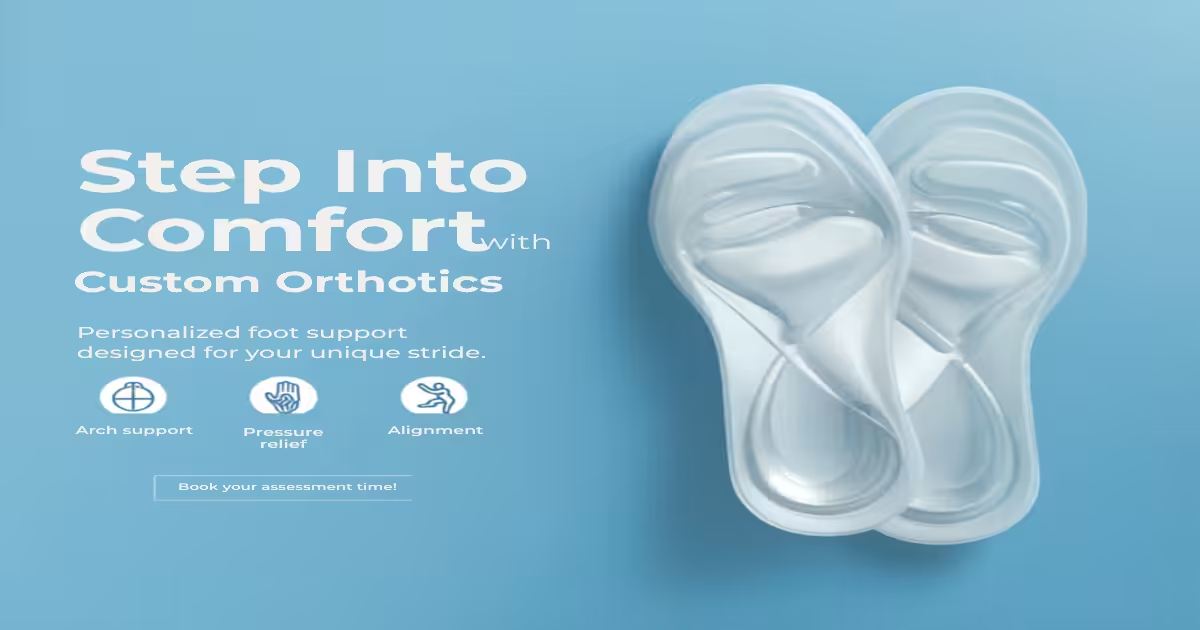
Custom orthotics are prescription medical devices — not shoe inserts you buy at a pharmacy kiosk. They are fabricated in a specialized orthotic laboratory from a three-dimensional model of your individual feet, according to precise specifications written by a podiatrist based on a comprehensive biomechanical evaluation. Each orthotic is unique to the patient, addressing their specific structural abnormalities, pathologic compensations, and functional goals in the same way that prescription eyeglasses correct individual vision deficits.
There are two primary categories of custom orthotics. Functional (rigid) orthotics are made from firm materials like polypropylene or carbon fiber composites and are designed to control abnormal motion — primarily excessive pronation and supination. These devices work by holding the subtalar joint near its neutral position, preventing the pathologic compensatory motions that cause strain on tendons, ligaments, and joint surfaces. Accommodative (soft) orthotics are made from cushioning materials like EVA foam, Plastazote, or leather and are designed to redistribute pressure away from painful or vulnerable areas — diabetic ulceration sites, prominent metatarsal heads, or arthritic joints. Many custom orthotics combine both approaches, using a semi-rigid shell with targeted accommodative modifications.
Custom Orthotics vs. Over-the-Counter Insoles
The difference between custom orthotics and over-the-counter insoles is analogous to the difference between prescription glasses and reading glasses from a convenience store. Both serve a purpose, but they address very different levels of correction. Over-the-counter insoles like PowerStep provide excellent generic biomechanical support — structured arch shape, heel cup stability, and cushioning — that benefits the majority of people with mild to moderate foot mechanics issues. They are the appropriate first-line treatment for many conditions and the ongoing maintenance support for patients who have completed custom orthotic therapy.
Custom orthotics become necessary when off-the-shelf options cannot adequately address the patient’s specific biomechanical pathology. This includes significant structural abnormalities (severe overpronation, rigid cavus, limb length discrepancy), complex deformities (post-surgical feet, Charcot neuroarthropathy, rheumatoid forefoot), specific medical needs (diabetic therapeutic footwear requirements), and cases where over-the-counter insoles have been tried and failed to adequately control symptoms. The custom orthotic is built from a 3D model of the individual foot, allowing corrections that are impossible with a mass-produced product.
The Biomechanical Evaluation: Where Custom Orthotics Begin
Every custom orthotic prescription starts with a comprehensive biomechanical evaluation that examines both the structure and function of the lower extremity. At Balance Foot & Ankle, this evaluation is a systematic process that identifies the root cause of symptoms rather than simply treating the painful area.
The evaluation includes static assessment — examining foot structure in non-weight-bearing and weight-bearing positions to identify structural forefoot varus or valgus, rearfoot varus or valgus, first ray position, and arch type. Dynamic gait analysis observes the patient walking and running to identify pathologic compensatory patterns — excessive pronation timing, early heel lift, abductory twist, and gait asymmetries. Joint range of motion testing measures ankle dorsiflexion, subtalar joint motion, midtarsal joint motion, and first metatarsophalangeal joint range to identify restrictions that the orthotic must accommodate or correct. Muscle strength testing evaluates the posterior tibial tendon, peroneal muscles, and intrinsic foot muscles for weakness that contributes to biomechanical dysfunction.
This evaluation determines not just whether a custom orthotic is appropriate but precisely what corrections and accommodations the device should include. A patient with posterior tibial tendon dysfunction needs a device focused on controlling hindfoot valgus and supporting the medial arch, while a patient with metatarsalgia needs forefoot pressure redistribution — same device category, completely different design specifications.
3D Foot Scanning Technology
Modern custom orthotics begin with a precise three-dimensional capture of the foot in its corrected position. At Balance Foot & Ankle, we use optical 3D scanning technology that captures thousands of data points across the plantar surface and sides of each foot in seconds, creating a highly accurate digital model. This scan is taken with the foot held in subtalar neutral position — the biomechanically optimal alignment from which the orthotic will function.
3D scanning has largely replaced traditional plaster casting in modern podiatric practice. The digital process is faster, cleaner, more comfortable for the patient, and produces a digital file that can be precisely modified by the prescribing podiatrist before transmission to the orthotic laboratory. The digital model allows specific corrections to be applied — medial arch height adjustments, rearfoot posts, forefoot corrections, and accommodation zones — with millimeter precision that plaster casting and manual modification cannot match.
The quality of the scan directly impacts the quality of the finished orthotic. This is why scanning must be performed by a trained podiatrist or certified technician who understands subtalar neutral positioning and can hold the foot in the correct alignment during capture. A scan taken in an uncorrected position produces an orthotic that perpetuates the pathologic alignment rather than correcting it — this is one of the key differences between a podiatrist-prescribed custom orthotic and a mall kiosk “custom” insole based on a standing pressure scan.
Writing the Orthotic Prescription
The orthotic prescription translates the biomechanical evaluation findings into specific fabrication instructions for the orthotic laboratory. This prescription includes the shell material and thickness (determining rigidity), rearfoot post angle (controlling hindfoot valgus or varus), forefoot corrections (intrinsic posts or accommodations for forefoot deformities), arch height and contour specifications, top cover material (based on activity level and skin sensitivity), and specific accommodations (metatarsal pads, first ray cutouts, heel lifts for limb length discrepancy).
An experienced podiatrist considers not just the biomechanical pathology but the patient’s activity level, shoe types, body weight, and treatment goals when writing the prescription. An orthotic for a competitive runner requires different materials and design specifications than one for a diabetic patient with peripheral neuropathy, even if the underlying structural abnormality is similar. The prescription also considers the patient’s tolerance — aggressive corrections that are technically optimal but cause discomfort lead to non-compliance, which defeats the purpose entirely.
Lab Fabrication: From Digital Model to Finished Device
The orthotic laboratory receives the 3D scan file and prescription specifications and fabricates the device through a multi-step process. Modern labs use CAD/CAM (computer-aided design/computer-aided manufacturing) technology that mills the orthotic shell directly from the digital model, ensuring precise reproduction of the prescribed corrections. The process begins with CNC milling of the positive model, followed by vacuum forming or direct milling of the shell material over the model, then addition of prescribed modifications (rearfoot posts, forefoot extensions, accommodative pads), application of the top cover material, and final quality control measurements comparing the finished device to the prescription specifications.
Fabrication typically takes 2–3 weeks from scan submission to delivery. The materials used determine the device’s characteristics: polypropylene provides firm control for functional orthotics, graphite composites offer maximum rigidity with minimal thickness for athletic shoes, and EVA or Plastazote combinations create the cushioning necessary for accommodative devices. The top cover — the surface contacting the foot — is selected based on activity level, with materials ranging from high-friction vinyl for athletic use to smooth leather or Plastazote for sensitive diabetic feet.
Fitting and Break-In Period
When the finished orthotics arrive, a fitting appointment confirms proper fit and function. The podiatrist checks that the device sits correctly in the patient’s shoes, the arch contour matches the foot, the rearfoot post holds the hindfoot in the prescribed position, and the patient can walk comfortably with the devices in place. Minor adjustments — grinding modifications to pressure points, adding supplemental padding, or fine-tuning the rearfoot post angle — are made at this visit.
A break-in period of 1–2 weeks is standard for all new custom orthotics. Patients are instructed to wear the devices for 2–3 hours on the first day, increasing by 1–2 hours daily until full-day wear is comfortable. Some mild arch soreness and altered gait sensation during the break-in period is normal as the foot adapts to the corrected position. However, sharp pain, blistering, or significant discomfort indicates a fit issue that should be addressed with an adjustment before continuing the break-in.
Conditions Custom Orthotics Treat
Custom orthotics are prescribed for a many foot and lower extremity conditions where biomechanical correction or pressure redistribution can address the underlying pathology. Common indications include plantar fasciitis that has not fully responded to stretching and over-the-counter insoles, posterior tibial tendon dysfunction (supporting the arch to reduce tendon strain), metatarsalgia and Morton’s neuroma (redistributing forefoot pressure), diabetic foot care (preventing ulceration through pressure offloading), bunion management (controlling the pronation that drives hallux valgus progression), sports-related overuse injuries, limb length discrepancy correction, and post-surgical support after flatfoot reconstruction, bunionectomy, or other foot procedures.
Orthotic Lifespan and Maintenance
Well-made custom orthotics typically last 3–5 years with proper maintenance, though this varies based on body weight, activity level, and materials used. The rigid shell rarely wears out — it’s the top cover and soft modifications that degrade with use and require periodic replacement. Most orthotic labs offer refurbishment services (new top cover, replacement pads, and post adjustments) at a fraction of the cost of new devices, extending the useful life of the shell.
Signs that orthotics need replacement or refurbishment include visible wear-through of the top cover, compression of the arch area where the material feels flat or thin, return of the symptoms the orthotics originally controlled, and changes in foot structure (post-surgical, weight change, pregnancy) that have altered the biomechanical prescription. Annual evaluation of orthotic condition during routine podiatric visits helps identify wear before symptoms recur.
Insurance Coverage for Custom Orthotics
Many insurance plans cover custom orthotics when prescribed by a podiatrist for documented medical necessity. Coverage varies significantly by plan: some plans cover one pair per year, others one pair every 2–3 years, and some require pre-authorization or limit coverage to specific diagnoses. Medicare covers therapeutic shoes and inserts for qualifying diabetic patients under the Therapeutic Shoe Bill. Our office verifies insurance benefits before fabrication so patients understand their coverage and out-of-pocket costs in advance.
Complementary Foot Care Products
Custom orthotics work best as part of a comprehensive foot care strategy. These products complement orthotic therapy by addressing aspects that orthotics alone cannot.
PowerStep Orthotic Insoles — The Bridge Between Custom Orthotics
PowerStep Pinnacle orthotic insoles serve an important role in the custom orthotic ecosystem. Not every pair of shoes can accommodate a full custom orthotic — dress shoes, athletic cleats, and casual footwear may lack the depth or volume. PowerStep insoles provide quality biomechanical support in shoes where custom devices won’t fit, ensuring that patients don’t lose all arch support when switching footwear. They also serve as an excellent first-line option while custom orthotics are being fabricated (the 2–3 week waiting period), and as a backup when custom orthotics need refurbishment. Many of our patients use custom orthotics in their primary daily shoes and PowerStep in their secondary pairs.
Doctor Hoy’s Natural Pain Relief Gel — Transition Support
Doctor Hoy’s Natural Pain Relief Gel supports the orthotic break-in period and ongoing foot care. During the 1–2 week adjustment period when new custom orthotics are correcting long-standing biomechanical patterns, mild arch and muscle soreness is common. Doctor Hoy’s natural arnica and menthol formula provides topical relief that eases this transition discomfort without masking serious fit issues. For patients with conditions like plantar fasciitis or metatarsalgia, combining orthotic correction with topical pain management provides faster symptom relief than either approach alone.
DASS Compression Socks — Circulation Support
DASS graduated compression socks complement custom orthotics for patients with edema, venous insufficiency, or diabetic foot care needs. While the orthotic addresses biomechanical correction and pressure redistribution from below, DASS compression manages the vascular component from around the foot and ankle. For diabetic patients using accommodative orthotics, the combination of pressure offloading (orthotic) and circulation enhancement (compression) provides comprehensive foot protection that neither approach alone can achieve.
🎯 Complete Orthotic Care Kit: Get the most from your custom orthotics with all three complementary products. PowerStep insoles provide quality support in shoes that can’t accommodate your custom devices, Doctor Hoy’s gel eases the break-in transition and manages residual discomfort, and DASS compression addresses the vascular component that orthotics alone cannot treat.
🔑 Most Common Mistake: The biggest mistake patients make with custom orthotics is not wearing them consistently. Orthotics only work when they’re in your shoes and on your feet. Patients who wear their orthotics some days but not others, or who frequently switch to unsupportive shoes without any insole, undermine the biomechanical correction and allow symptoms to recur. Commit to wearing supportive devices — whether custom orthotics or quality over-the-counter insoles — in every pair of shoes, every day.
⚠️ Warning: Not All “Custom” Orthotics Are Equal: Beware of devices marketed as “custom orthotics” that are actually mass-produced insoles selected from a limited range of sizes based on a standing pressure scan at a retail kiosk. True custom orthotics require a comprehensive biomechanical evaluation by a podiatrist, a 3D scan or cast taken in subtalar neutral position, fabrication in a certified orthotic laboratory from individual prescription specifications, and a fitting and adjustment appointment. If your “custom” orthotics were ready in 10 minutes, they are not custom.
Watch Dr. Tom Explain Foot Care Products
In-Office Treatment at Balance Foot & Ankle
If home care isn’t resolving your your foot or ankle concern, a visit with a board-certified podiatrist is the fastest path to accurate diagnosis and a personalized plan. At Balance Foot & Ankle Specialists, Dr. Tom Biernacki, Dr. Carl Jay, and Dr. Daria Gutkin offer same-day and next-day appointments at both our Howell and Bloomfield Township offices. We perform on-site diagnostic ultrasound, digital X-ray, conservative care, advanced regenerative treatments, and minimally invasive surgery when indicated.
Call (810) 206-1402 or request an appointment online. Most insurance plans accepted, including Medicare, Blue Cross Blue Shield, Aetna, Cigna, and United Healthcare.
More Podiatrist-Recommended Orthotics Essentials
PowerStep Pinnacle


![Best Insoles & Orthotics 2026 [Flat Feet, Plantar Fasciitis, Bunions]](https://www.michiganfootdoctors.com/wp-content/cache/flying-press/c8bafcb9b179f8abb63d894b334fd14e.jpg)
Watch: Best Insoles & Orthotics 2026 [Flat Feet, Plantar Fasciitis, Bunions] — MichiganFootDoctors YouTube
The podiatrist-recommended OTC orthotic — arch support + heel cup.
CURREX RunPro Insole
Performance insole for runners — reduces fatigue and prevents injuries.
Tuli’s Heel Cups

Shock-absorbing heel cushion — adds lift and relief under painful heels.
As an Amazon Associate, Balance Foot & Ankle earns from qualifying purchases. Product recommendations are based on clinical experience; prices and availability shown above update live from Amazon.

When to See a Podiatrist
Off-the-shelf inserts help 70% of patients — but if you’ve tried several without relief, custom orthotics molded to your specific foot mechanics are usually the next step. Balance Foot & Ankle makes custom orthotics in-office and most major insurance plans cover them. We’ll cast or scan your feet and have them ready in about 2 weeks.
Call Balance Foot & Ankle: (810) 206-1402 · Book online · Offices in Howell & Bloomfield Township
Frequently Asked Questions About Custom Orthotics
How long do custom orthotics last?
Custom orthotics typically last 3–5 years with proper care. The rigid shell is the most durable component, while the top cover and soft modifications wear out faster and can be refurbished by the orthotic lab at a fraction of new device cost. Lifespan depends on body weight, activity level, and materials used. Annual evaluation during routine podiatric visits identifies wear before symptoms recur.
Are custom orthotics covered by insurance?
Many insurance plans cover custom orthotics when prescribed for documented medical necessity. Coverage varies by plan — some cover one pair annually, others every 2–3 years. Medicare covers therapeutic shoes and inserts for qualifying diabetic patients. Our office verifies benefits before fabrication so you know your coverage and out-of-pocket costs upfront.
Do custom orthotics hurt at first?
Some mild arch soreness and altered gait sensation during the 1–2 week break-in period is normal as your feet adapt to the corrected position. However, sharp pain, blistering, or significant discomfort is not normal and indicates a fit issue that needs adjustment. Start with 2–3 hours on the first day and gradually increase to full-day wear over 1–2 weeks.
Can I use custom orthotics in all my shoes?
Custom orthotics fit best in shoes with removable insoles and adequate depth — athletic shoes, work boots, and many casual shoes. They may not fit in dress shoes, heels, or very flat shoes. For shoes that can’t accommodate your custom devices, quality over-the-counter insoles like PowerStep provide good interim support. Some patients order multiple pairs of custom orthotics in different profiles for different shoe types.
How are custom orthotics different from store-bought insoles?
Custom orthotics are prescribed medical devices fabricated from a 3D scan of your individual feet according to specific biomechanical corrections. Store-bought insoles are mass-produced in standard sizes and provide generic support. Custom orthotics address your specific structural abnormalities with precise corrections, while over-the-counter insoles provide general arch support and cushioning that benefits most people but cannot correct significant biomechanical pathology.
Sources
- Banwell HA, et al. “Custom-made foot orthoses for the treatment of foot pain.” Cochrane Database of Systematic Reviews. 2014;6:CD006801.
- Mills K, et al. “Foot orthoses and physiotherapy in the treatment of patellofemoral pain syndrome.” British Medical Journal. 2012;345:e4365.
- Landorf KB, et al. “Effectiveness of foot orthoses to treat plantar fasciitis.” Archives of Internal Medicine. 2006;166(12):1305-1310.
- Bus SA, et al. “Guidelines on the prevention of foot ulcers in persons with diabetes.” Diabetes/Metabolism Research and Reviews. 2020;36(S1):e3269.
- Redmond AC, et al. “The effect of custom foot orthoses on plantar pressures.” Clinical Biomechanics. 2009;24(4):372-376.
Ready to Get Custom Orthotics?
Dr. Biernacki at Balance Foot & Ankle provides comprehensive biomechanical evaluations and prescribes custom orthotics using current-generation 3D scanning technology. Get devices specifically designed for your feet, your activities, and your goals.
Explore More Foot & Ankle Resources
- 🦶 Podiatrist-Recommended Foot Care Products 2026
- 🏥 Plantar Fasciitis Treatment Guide
- 🩺 Flatfoot Treatment Options
- 🔬 Diabetic Foot Care Guide
- 📋 New Patient Information
Insurance Accepted
BCBS · Medicare · Aetna · Cigna · United Healthcare · HAP · Priority Health · Humana · View All →
Howell Office
4330 E Grand River Ave
Howell, MI 48843
Get Directions →
Bloomfield Township Office
43494 Woodward Ave, Suite 208
Bloomfield Township, MI 48302
Get Directions →
📋 Dr. Tom Also Recommends
Podiatrist Recommended Orthotics 2026: Dr. Tom’s Top 10 Insoles & Arch Supports
A podiatrist’s complete clinical guide to the best insoles — custom orthotics, OTC picks, and what actually works for plantar fasciitis, flat feet, neuropathy & more.
Read the Full Guide →Your Board-Certified Podiatrists



Ready to Get Back on Your Feet?
Same-week appointments available at both locations.
Book Your Appointment👟 Dr. Tom’s Complete Footwear Library
Podiatrist-Approved Guides for Every Foot Type & Condition
Clinically reviewed by Dr. Tom Biernacki, DPM — Board-Certified Podiatrist
All guides are written and reviewed by licensed podiatrists. Schedule an appointment →
Watch: How Custom Orthotics Are Made
Dr. Tom on orthotic fabrication — 3D foot scan, biomechanical prescription, lab manufacturing, material selection, break-in protocol, 1-year adjustment window, insurance.
Bridge-Gap Insole Kit
While your custom pair is fabricated. Dr. Tom’s kit:
As an Amazon Associate, Balance Foot & Ankle earns from qualifying purchases. This supports our free patient education content.
OTC arch support (6 weeks until custom).
Forefoot supplementation.
Break-in flare relief.
Topical arch relief.
Related: Custom Orthotics MI · OTC Orthotics · Book Orthotic Consultation
In Our Clinic
The patients we see for custom orthotic consultations usually fall into two groups. First are athletes — runners, hikers, basketball players — looking to correct a biomechanical asymmetry they’ve identified themselves or their coach has flagged. Second are middle-aged patients with chronic plantar fasciitis, metatarsalgia, or early arthritis who have exhausted over-the-counter inserts. Our process begins with a 3D foot scan plus a gait-video analysis on our in-office treadmill. We select materials based on activity — a stiffer carbon composite for performance running, a softer plastazote top cover for diabetic patients, a semi-rigid polypropylene for everyday wear. Most patients adapt in 2–4 weeks.
Most Common Mistake We See
The most common mistake we see is: Wearing new orthotics all day from day one. Fix: break-in schedule of 2 hours on day one, adding 2 hours per day until full-day tolerance.
Warning Signs That Need Same-Day Care
Seek immediate evaluation at Balance Foot & Ankle if you experience any of the following:
- New sharp pain under the arch that did not exist before
- Skin breakdown over pressure points
- Diabetic patient with any new pressure spot
- Worsening of original symptoms after 4 weeks
Call (810) 206-1402 — same-day and next-day appointments at our Howell and Bloomfield Township offices.
When Shoes Aren’t Enough — Dr. Tom’s Top 9 Orthotics
About 30% of patients I see for foot pain need MORE than a great shoe — they need a structured insole. Below: my complete 2026 orthotic ranking with pros, cons, and the specific patient I’d give each one to.
★ DR. TOM’S COMPLETE 2026 ORTHOTIC RANKING
9 Best Prefab Orthotics by Use Case
PowerStep, Currex, Spenco, Vionic, and Superfeet — every orthotic I’ve fitted to thousands of patients across both Michigan offices. Each card includes pros, cons, and the specific patient I’d give it to. Real Amazon ratings, review counts, and prices below.
Best All-Purpose Orthotic for Most Patients
Semi-rigid arch shell + dual-layer cushion + deep heel cup. The orthotic I’ve fitted to more patients than any other for 15 years. APMA-accepted. Trim-to-fit design works in athletic shoes, casual shoes, and most work boots.
✓ Pros
- Semi-rigid arch shell provides true biomechanical correction
- Deep heel cup centers the heel and reduces lateral instability
- Dual-layer cushion (top + bottom) lasts 9-12 months daily wear
- Available in 8 sizes for precise fit
- APMA-accepted and clinically validated
- Lower price than Superfeet Green for equivalent function
✗ Cons
- Too thick for most dress shoes (use ProTech Slim instead)
- Some break-in period required (3-7 days for arch tolerance)
- Not enough correction for severe pes planus or rigid pes cavus
Dr. Tom’s Recommendation: If a patient has run-of-the-mill plantar fasciitis, mild flat feet, or arch fatigue, this is the first orthotic I try. Better value than Superfeet for 90% of patients, which is why I swapped it into our clinic kits three years ago. Sub-$50 typically.
Maximum Motion Control · Flat Feet & Severe Over-Pronation
PowerStep’s most aggressive stability orthotic. Adds a 2°-7° medial heel post on top of the standard PowerStep platform — designed specifically for flat-footed patients and severe pronators who need real corrective force.

✓ Pros
- 2°-7° medial heel post adds aggressive pronation control
- Same trusted PowerStep arch shell, more correction
- Built specifically for flat-foot biomechanics
- Excellent for posterior tibial tendon dysfunction (PTTD)
- Removable top cover for cleaning
✗ Cons
- Too aggressive for neutral-arch patients
- Needs longer break-in (10-14 days) due to stronger correction
- Adds 2-3 mm of stack height — won’t fit slim dress shoes
Dr. Tom’s Recommendation: When a patient comes in with significant flat feet AND symptoms (heel pain, arch pain, knee pain), the Original PowerStep isn’t aggressive enough. The Maxx is what gets prescribed. About 25% of my flat-footed patients end up here.
Low-Profile · Fits Dress Shoes & Narrow Casuals
3 mm slim profile with podiatrist-designed tri-planar arch technology. Engineered specifically to fit inside dress shoes, oxfords, loafers, and women’s flats without crowding the toe box. Vionic was founded by an Australian podiatrist.
✓ Pros
- 3 mm slim profile (vs 7-10 mm for standard orthotics)
- Tri-planar arch technology adds support without bulk
- Built-in deep heel cup despite slim design
- Fits dress shoes WITHOUT having to remove the factory insole
- Trim-to-fit · APMA-accepted
✗ Cons
- Less arch support than full-volume orthotics
- Top cover wears faster than thicker alternatives
- Not enough correction for severe foot deformities
Dr. Tom’s Recommendation: My default when a patient says ‘I need orthotics but I have to wear dress shoes for work.’ Slim enough to fit in oxfords and pumps without the heel sliding out. The single highest-impact change you can make for office workers with foot pain.
Built-In Metatarsal Pad · Morton’s Neuroma · Ball-of-Foot Pain
Standard Pinnacle orthotic with a built-in metatarsal pad positioned proximal to the metatarsal heads — the exact location that offloads neuromas and metatarsalgia. No need for separate met pads or pad placement guesswork.

✓ Pros
- Built-in met pad eliminates DIY pad placement errors
- Specifically designed for Morton’s neuroma + metatarsalgia
- Same trusted PowerStep arch + heel cup platform
- Top cover protects sensitive forefoot skin
- Faster relief than orthotics + add-on met pads
✗ Cons
- Met pad position is fixed (can’t fine-tune individual placement)
- Some patients with very small or very large feet need custom
- Slightly thicker than the standard Pinnacle
Dr. Tom’s Recommendation: If a patient has Morton’s neuroma, sesamoiditis, or generalized ball-of-foot pain (metatarsalgia), this saves a clinic visit and a prescription. The built-in pad placement is anatomically correct for 80% of feet. Way better than DIY met pads.
Adaptive Dynamic Arch · Athletic & Daily Wear
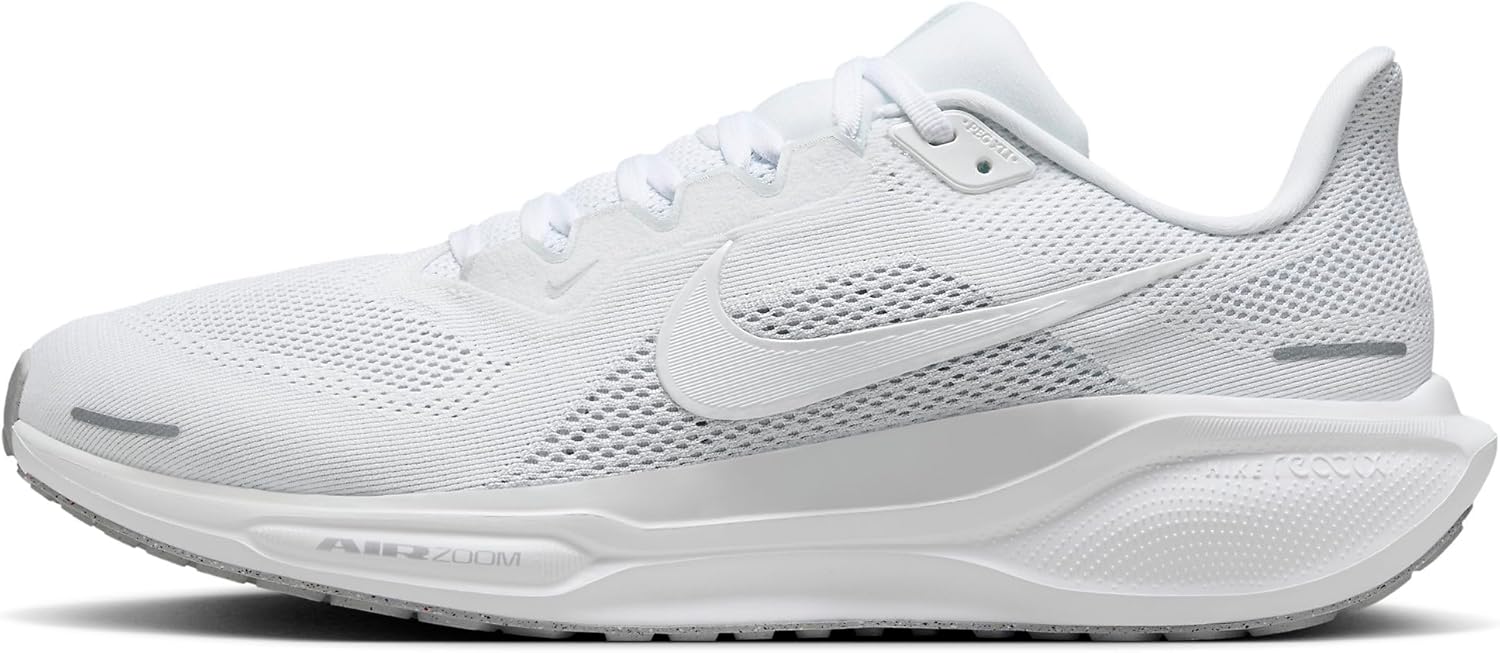
Currex’s flagship adaptive arch technology — the orthotic flexes with your gait instead of fighting it. Different stiffness zones along the length give you targeted support at the heel, midfoot, and forefoot. Available in three arch heights (low/medium/high).
✓ Pros
- Dynamic flex zones adapt to natural gait cycle
- Three arch heights ensure precise fit
- Lighter than rigid orthotics (no ‘heavy foot’ feel)
- Excellent for runners and athletic walkers
- European podiatric design (German engineering)
✗ Cons
- More expensive than PowerStep Original ($55-65 typically)
- Less aggressive correction than Pinnacle Maxx for severe cases
- Three arch heights means you must self-select correctly
Dr. Tom’s Recommendation: I started recommending Currex three years ago for runners who said PowerStep felt ‘too rigid.’ The dynamic flex zones respect natural gait. Best for active patients who walk 8K+ steps daily and don’t need maximum motion control.
Running-Specific · Heel Strike + Forefoot Strike Compatible
Currex’s purpose-built running orthotic. The midfoot flex zone is positioned for runner’s gait mechanics, with a flared heel cushion for heel strikers and a forefoot rocker for midfoot/forefoot strikers. Tested on 1000+ runners during product development.

✓ Pros
- Designed by German biomechanics lab specifically for runners
- Dynamic arch flexes with running gait (not static like PowerStep)
- Three arch heights (low/medium/high)
- Reduces overuse injury risk in mid-distance runners
- Lightweight (no impact on cadence)
✗ Cons
- Premium price ($60-75)
- Not aggressive enough for severe over-pronators (use Pinnacle Maxx)
- Runner-specific design = less ideal for daily walking shoes
Dr. Tom’s Recommendation: If a patient runs 20+ miles per week and has plantar fasciitis or shin splints, this is the orthotic I prescribe. The dynamic flex zones respect running biomechanics in a way that no rigid PowerStep can match. Pricier but worth it for serious runners.
Cavus Foot & High-Arch Patients
Polyurethane base with a deeper heel cup and higher arch profile than PowerStep — built for cavus (high-arched) feet that need maximum cushion and support. The 5-zone cushioning system addresses the unique pressure points of high-arch feet.

✓ Pros
- Deeper heel cup centers the heel for cavus foot stability
- Higher arch profile fills the void under high arches
- 5-zone cushioning addresses cavus foot pressure points
- Polyurethane base lasts 12+ months
- Available in Wide width
✗ Cons
- Too tall/aggressive for normal or low arches
- Won’t fit slim dress shoes
- Pricier than PowerStep Original
- Some patients find the arch height uncomfortable initially
Dr. Tom’s Recommendation: Cavus foot patients are often misdiagnosed and given low-arch orthotics — that makes everything worse. Spenco’s Total Support has the arch profile that high-arch feet actually need. About 15% of my patients have cavus feet; this is what they wear.
Cushion Layer · Standing All Day · Gel Pressure Relief
NOT a true biomechanical orthotic — this is a cushion insole. But for patients who want gel pressure relief instead of arch correction (or to add ON TOP of factory insoles in work boots), this is the best gel option on Amazon.
✓ Pros
- Genuine gel cushioning (not foam pretending to be gel)
- Targeted gel waves under heel and ball of foot
- Trim-to-fit · works in most shoe types
- Sub-$15 price (most affordable option in this list)
- Massaging texture is genuinely soothing
✗ Cons
- ZERO arch support — this is cushion only
- Won’t fix plantar fasciitis or flat-foot issues
- Compresses faster than PowerStep (4-6 months)
- Top cover wears through in high-mileage applications
Dr. Tom’s Recommendation: I recommend these to patients who tell me ‘I just want my feet to stop hurting at the end of my shift’ and who don’t have a biomechanical issue. Construction workers, factory workers, retail. Pure cushion does the job for them.
Tight-Fitting Shoes · Cycling Shoes · Hockey Skates
Superfeet’s slim version of their famous Green insole. The trademark stabilizer cap is preserved but the overall thickness is reduced — works in cycling shoes, hockey skates, ski boots, and other tight-fitting footwear that the standard Superfeet Green can’t fit into.

✓ Pros
- Stabilizer cap centers the heel (Superfeet’s signature feature)
- Slim profile fits tight athletic footwear
- Lasts 12+ months daily wear
- Excellent for cycling shoes specifically
- Built-in odor-control treatment
✗ Cons
- Premium price ($45-55)
- Less cushion than PowerStep equivalents
- Not as aggressive correction as Pinnacle Maxx for flat feet
- The signature ‘heel cup feel’ takes 1-2 weeks to adapt to
Dr. Tom’s Recommendation: If you’re a cyclist with foot numbness, hot spots, or knee pain — this is the orthotic. The stabilizer cap solves cycling-specific biomechanical issues that no other orthotic addresses. Worth the premium for athletes.
None of these solving your foot pain?
Some patients (about 30%) need custom-molded prescription orthotics. We make 3D-scanned custom orthotics in our Howell and Bloomfield Township offices — specifically built for your foot mechanics.
Schedule a Custom Orthotic Fitting →FSA/HSA eligible · Most insurance accepted · (810) 206-1402
Frequently Asked Questions
When should I see a podiatrist?
If symptoms persist past 2 weeks, affect your normal activity, or are accompanied by red-flag symptoms (warmth, redness, swelling, inability to bear weight).
What does treatment cost?
Most diagnostic visits and conservative treatments are covered by Medicare and major insurers. Out-of-pocket costs vary by your specific plan.
Footwear & Foot Care Products Guide (American Podiatric Medical Association)
How quickly can I get an appointment?
Most non-urgent cases see us within 5 business days. Urgent cases (sudden pain, possible fracture) typically same or next business day.

Dr. Tom Biernacki, DPM is a board-certified foot & ankle surgeon (ABFAS & ABPM) at Balance Foot & Ankle Specialists in Southeast Michigan. With over a decade of clinical experience, he specializes in heel pain, bunions, diabetic foot care, sports injuries, and minimally invasive surgery. Dr. Biernacki is a member of the APMA and ACFAS, and his patient education content on MichiganFootDoctors.com and YouTube has made him one of the most-followed foot & ankle educators on YouTube.