
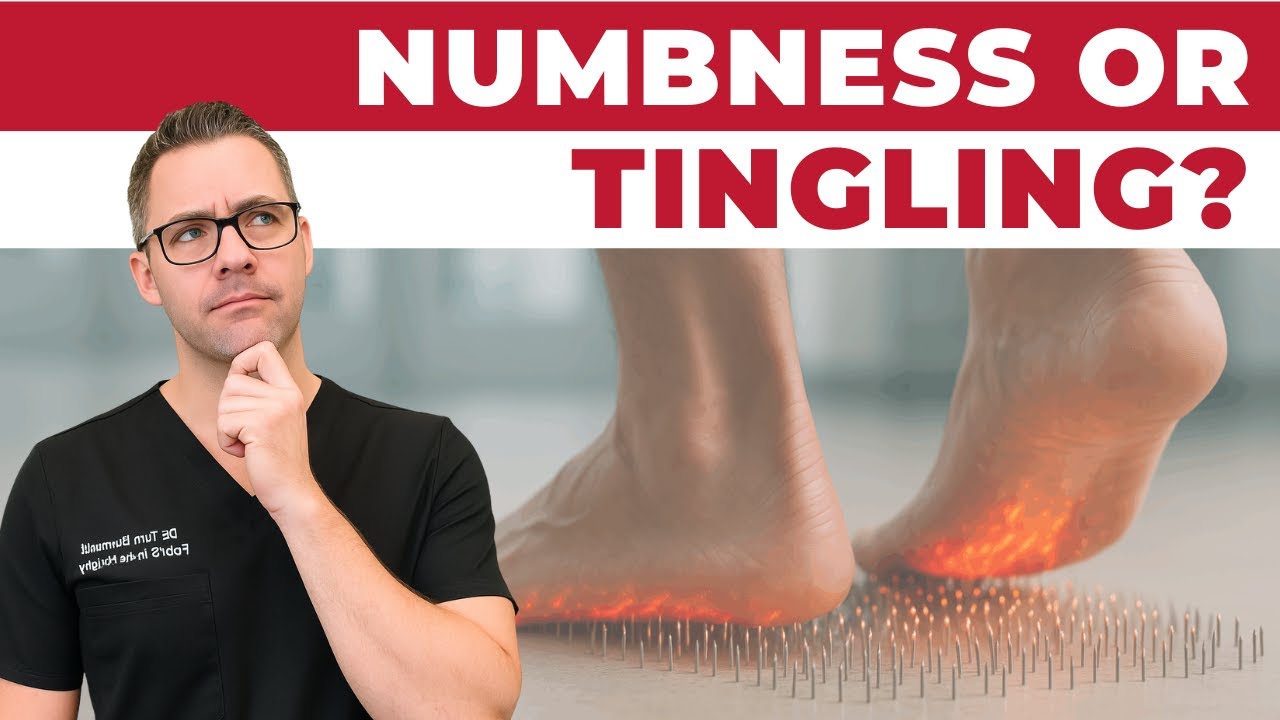
Morton’s neuroma — that burning, tingling pain in the ball of the foot like walking on a marble — responds to conservative treatment in 80% of cases. Surgery is the last resort.
You’ve come to the right podiatry team. Dr. Tom Biernacki, DPM, FACFAS — board-certified foot & ankle surgeon with 3,000+ surgeries — explains exactly what Morton’s neuroma treatment means and what works. Call (810) 206-1402 for same-day appointment at Howell or Bloomfield Township.
Quick answer: Treatment for mortons neuroma foot pain treatment michigan follows a stepwise approach: 1) conservative care first (rest, ice, supportive footwear, OTC anti-inflammatories), 2) physical therapy and targeted exercises, 3) in-office treatments (injections, custom orthotics) if conservative fails at 4-6 weeks, 4) surgery for refractory cases. Most patients resolve at step 1 or 2. Call (810) 206-1402.
Medically reviewed by Dr. Tom Biernacki, DPM · Board-Certified Podiatric Surgeon · Last reviewed: April 2026 · Editorial Policy
The most important clinical decision with Mortons Neuroma Foot Pain Treatment Michigan isn’t which treatment to start with — it’s identifying the correct subtype. That changes everything. Call (810) 206-1402.
Quick Answer
Morton’s Neuroma: Diagnosis, Treatment & Surgery relates to Morton’s neuroma — typically caused by nerve compression between toes. Most patients improve in 8-12 weeks conservative with conservative care. Same-week appointments in Howell + Bloomfield Township: (810) 206-1402.
Medically reviewed by Dr. Tom Biernacki, DPM — Board-Certified Podiatric Surgeon — Balance Foot & Ankle, Howell & Bloomfield Township, MI. Last updated April 2026.
▶ Watch
👟 Dr. Tom Also Recommends
Podiatrist Recommended Shoes 2026: Dr. Tom’s Top Picks for Every Condition
The right footwear can make or break your recovery. Dr. Tom’s complete guide to the best shoes for plantar fasciitis, flat feet, neuropathy, bunions & more — with clinical picks for every foot type.
See Dr. Tom’s Top Shoe Picks →Medically Reviewed by Dr. Tom Biernacki, DPM — Board-Certified Podiatrist, Balance Foot & Ankle Specialists, Michigan. Last updated April 2026.
Morton’s neuroma is a painful thickening of the nerve tissue between the third and fourth toes, causing burning, shooting, or electric-shock pain in the ball of the foot. It is one of the most commonly misdiagnosed causes of forefoot pain — and one of the most treatable when caught accurately. At Balance Foot & Ankle in Howell and Bloomfield Township, Michigan, Dr. Tom Biernacki, DPM diagnoses and treats Morton’s neuroma without unnecessary surgery in the majority of cases.
Quick Answer: What Is Morton’s Neuroma?
Morton’s neuroma is a benign thickening of the interdigital nerve between the third and fourth toes, caused by repetitive compression and irritation. It produces burning, shooting, or numbness in the ball of the foot and toes — often described as “walking on a pebble” or an electric shock between toes 3 and 4. Most cases respond to wider toe box shoes, metatarsal pads, corticosteroid injections, or sclerosing alcohol injections without surgery. See a podiatrist if burning or numbness has lasted more than 4 weeks or is worsening.
Morton’s Neuroma Symptoms: What to Look For
The hallmark symptom of Morton’s neuroma is a burning, electric, or shooting pain at the ball of the foot, typically between the third and fourth toes. Patients often describe the sensation as “walking on a pebble” that disappears when they remove their shoe and massage the forefoot. Symptoms typically worsen with tight shoes, high heels, or prolonged standing, and may include tingling or numbness spreading into the affected toes.
- Burning or electric shock pain between 3rd and 4th toes
- “Pebble in the shoe” sensation at the ball of the foot
- Tingling or numbness in the toes
- Pain that worsens in narrow shoes or high heels
- Relief when shoes are removed and area is massaged
- A palpable “click” between metatarsal heads (Mulder’s click) — diagnostic on examination
What Causes Morton’s Neuroma?
Morton’s neuroma develops from repetitive irritation and compression of the interdigital nerve where it passes between the 3rd and 4th metatarsal heads. The nerve becomes compressed during toe push-off, causing inflammation and eventual fibrous thickening around the nerve sheath. Contributing factors include narrow or tight toe boxes, high heel shoes (which load the forefoot), high-impact activities (running, aerobics), and biomechanical factors like flat feet or bunions that alter forefoot pressure distribution.
In our clinic, women present with Morton’s neuroma approximately three to four times more often than men — a direct reflection of narrow toe box and high heel shoe use. The 3rd webspace is involved in over 80% of true neuromas; involvement of the 1st or 2nd webspace is uncommon and suggests alternative diagnoses.
How Is Morton’s Neuroma Diagnosed?
Diagnosis begins with clinical examination — specifically Mulder’s click test, where the examiner compresses the metatarsal heads laterally while palpating the affected webspace. A palpable click with reproduction of symptoms is highly specific for neuroma. Diagnostic ultrasound is the preferred imaging study, allowing real-time visualization of the neuroma and assessment of its size, which guides treatment decisions. MRI can confirm the diagnosis when ultrasound is inconclusive. X-rays are typically normal but are obtained to exclude stress fracture and metatarsalgia.
Differential Diagnosis: Other Causes of Ball-of-Foot Pain
Several conditions mimic Morton’s neuroma and must be excluded before treatment begins. Accurate diagnosis is essential because the treatments differ significantly.
- Metatarsalgia — Diffuse forefoot pain at the metatarsal heads; responds to metatarsal pads; no burning/electric quality
- Metatarsal stress fracture — Point tenderness over a single metatarsal shaft; positive bone scan or MRI; no neurological symptoms
- Freiberg’s infraction — Avascular necrosis of 2nd metatarsal head; adolescents and young adults; visible on X-ray in later stages
- Intermetatarsal bursitis — Fluid-filled sac between metatarsal heads; often coexists with neuroma; visible on ultrasound
- Capsulitis / plantar plate tear — 2nd MTP joint pain; vertical toe instability test positive; different pain quality
- Tarsal tunnel syndrome — Burning from ankle to all toes; Tinel’s at medial ankle; systemic cause (thyroid, diabetes)
Morton’s Neuroma Treatment: Conservative Options First
The vast majority of Morton’s neuromas respond to conservative treatment when addressed early. The goal is to reduce compression and inflammation at the affected interdigital nerve. In our clinic, approximately 75% of patients avoid surgery with appropriate conservative care.
- Footwear modification — Wide toe box shoes reduce lateral compression; flat or low-heeled shoes reduce forefoot load; this is the single highest-yield intervention
- Metatarsal pad — A small pad placed just proximal to the metatarsal heads spreads them apart and reduces nerve compression; must be placed behind (proximal to) the metatarsal heads to be effective
- Custom orthotics — Provide metatarsal relief and correct biomechanical contributors (flat feet, overpronation); covered by most insurance plans when medically indicated
- Corticosteroid injection — Ultrasound-guided injection reduces perineur inflammation; effective for 6–12 months in many cases; up to 3 injections may be appropriate
- Sclerosing alcohol injection series — 4% alcohol solution injected at biweekly intervals; destroys the neuroma tissue; effective in 60–80% of cases; avoids surgery and preserves sensation
- PRP injection — Emerging regenerative option for chronic neuromas; reduces inflammation through growth factor delivery
Morton’s Neuroma Surgery: When Is It Needed?
Surgery is considered when conservative treatment including at least two corticosteroid or sclerosing alcohol injections has failed after 6 months. The two surgical options are neurectomy (excision of the neuroma) and nerve decompression. Neurectomy removes the thickened nerve segment entirely and is the most common approach; success rates are 80–90%, but permanent numbness in the affected toes should be expected. Nerve decompression releases the intermetatarsal ligament to relieve compression without removing the nerve; less common but preserves sensation.
The most common mistake before surgery: patients who have had one cortisone injection that provided temporary relief decline a second injection, then proceed to surgery — which carries more risk and recovery time than a second injection course. Corticosteroid and alcohol injection series deserve at least two full cycles before surgical referral.
Warning Signs: When to See a Podiatrist Promptly
- Burning or numbness lasting more than 4 weeks despite footwear changes
- Symptoms spreading beyond the 3rd–4th webspace into multiple toes
- Symptoms in both feet simultaneously (may indicate systemic neuropathy)
- Diabetic patient with new forefoot burning — urgent evaluation to exclude Charcot or neuropathic change
- Rapidly progressive numbness — potential nerve compression elsewhere in the chain
Morton’s Neuroma Treatment in Michigan: Howell & Bloomfield Township
📧 Get Dr. Tom’s Free Lab Test Guide
Discover the 5 lab tests every person over 35 should ask their doctor about — explained in plain English by a board-certified physician.
Dr. Tom Biernacki, DPM at Balance Foot & Ankle provides diagnostic ultrasound, ultrasound-guided corticosteroid and sclerosing alcohol injections, custom orthotic fabrication, and surgical consultation for Morton’s neuroma patients throughout Livingston County, Oakland County, and the greater Detroit Metro area. Same-day appointments available — call (810) 206-1402 or book online.
In-Office Treatment at Balance Foot & Ankle
When conservative care isn’t enough, Dr. Tom Biernacki and the team at Balance Foot & Ankle offer advanced, same-day options — including Morton’s Neuroma Treatment Michigan at our Howell and Bloomfield Township clinics.
Same-day appointments available. Call (810) 206-1402 or book online.
Related Guides
- Sesamoiditis — Ball of Foot Under Big Toe
- Custom Orthotics in Michigan
- Cortisone Injections for Foot & Ankle Pain
- PRP Injections for Foot & Ankle
- Stress Fracture of the Foot
Dr. Tom’s Recommended Products for Ball of Foot Pain
📍 Located in Michigan?
Our board-certified podiatrists treat this condition at two convenient locations. Same-day appointments often available.
These are products I personally use and recommend to my patients at Balance Foot & Ankle.
- Metatarsal Pads by Footminders (6-Pack) — Adhesive gel pads positioned behind metatarsal heads — offloads Morton’s neuroma compression point
- PowerStep SlimTech 3/4 Length Insoles — Thin 3/4-length insole with metatarsal pad built in — fits dress and narrow shoes where full insoles won’t
- HOKA Bondi 8 — Maximum forefoot cushioning with wide toe box — reduces metatarsal head load with each step
Affiliate disclosure: As an Amazon Associate, Balance Foot & Ankle earns from qualifying purchases. We only recommend products we trust for our own patients.
Dr. Tom’s Pick: Women’s Shoe Comfort Inserts
For women who want comfort without giving up their shoes — Foot Petals cushions work in heels, flats, and sandals.
- Foot Petals Ball of Foot Cushions — Targeted metatarsal cushioning — fits in any shoe to relieve ball-of-foot pain immediately.
- Foot Petals Tip Toes — Slim toe box cushion — ideal for narrow shoes and dress flats.
Affiliate disclosure: As an Amazon Associate, Balance Foot & Ankle earns from qualifying purchases.
Join 950,000+ Learning About Foot Health
Dr. Tom shares honest medical advice, supplement reviews, and treatment guides you won’t find anywhere else.
Subscribe on YouTube →
Insurance Accepted
BCBS · Medicare · Aetna · Cigna · United Healthcare · HAP · Priority Health · Humana · View All →
Howell Office
4330 E Grand River Ave
Howell, MI 48843
Get Directions →
Bloomfield Township Office
43494 Woodward Ave, #208
Bloomfield Township, MI 48302
Get Directions →
Your Board-Certified Podiatrists



Ready to Get Back on Your Feet?
Same-week appointments available at both locations.
Book Your AppointmentIn Our Clinic
The classic Morton’s neuroma patient in our clinic is a 40- to 60-year-old woman who describes burning or “walking on a marble” in the 3rd intermetatarsal web space, often worsening in narrow or high-heeled shoes. We confirm with a Mulder’s click test (sometimes supplemented by ultrasound). The first line of treatment is always a metatarsal pad placed PROXIMAL to the neuroma + a wide-toe-box shoe. Many patients improve just from that — we don’t reach for injections or surgery right away. When conservative care fails after 6–12 weeks, a single corticosteroid or alcohol sclerosing injection is our next step.
Watch: Dr. Tom explains
Podiatrist-recommended products
As an Amazon Associate, Dr. Tom earns from qualifying purchases.
Placed proximal to metatarsal heads, these pads spread bones and reduce nerve compression – first-line Morton’s neuroma treatment.
View on Amazon →Combined with metatarsal pads, these reduce forefoot pressure dramatically – best OTC non-surgical option.
View on Amazon →Menthol-based topical provides temporary nerve pain relief during conservative treatment.
View on Amazon →Post-activity icing reduces perineural inflammation around the neuroma.
View on Amazon →Related resources
Ready to solve this? Book today.
Same-week appointments · Howell & Bloomfield Township · 4.9★ (1,123+ reviews)
☎ (810) 206-1402Book Online →More Podiatrist-Recommended Neuroma Essentials
Wide Neutral Cushion Shoe
New Balance 1080 V14 — max forefoot room decompresses the pinched nerve.
Wide-Toe-Box Walking Shoe
New Balance 990v6 — prevents the forefoot compression that triggers Morton’s neuroma.
Orthotic with Met Pad Built-In

![How to Cure Plantar Fasciitis in One Week? [FAST Heel Pain Relief!]](https://www.michiganfootdoctors.com/wp-content/cache/flying-press/b5600c3bfb9845a6095da8266d8b5363.jpg)
Watch: How to Cure Plantar Fasciitis in One Week? [FAST Heel Pain Relief!] — MichiganFootDoctors YouTube
PowerStep Pinnacle — arch support reduces nerve irritation between metatarsals.
As an Amazon Associate, Balance Foot & Ankle earns from qualifying purchases. Product recommendations are based on clinical experience; prices and availability shown above update live from Amazon.
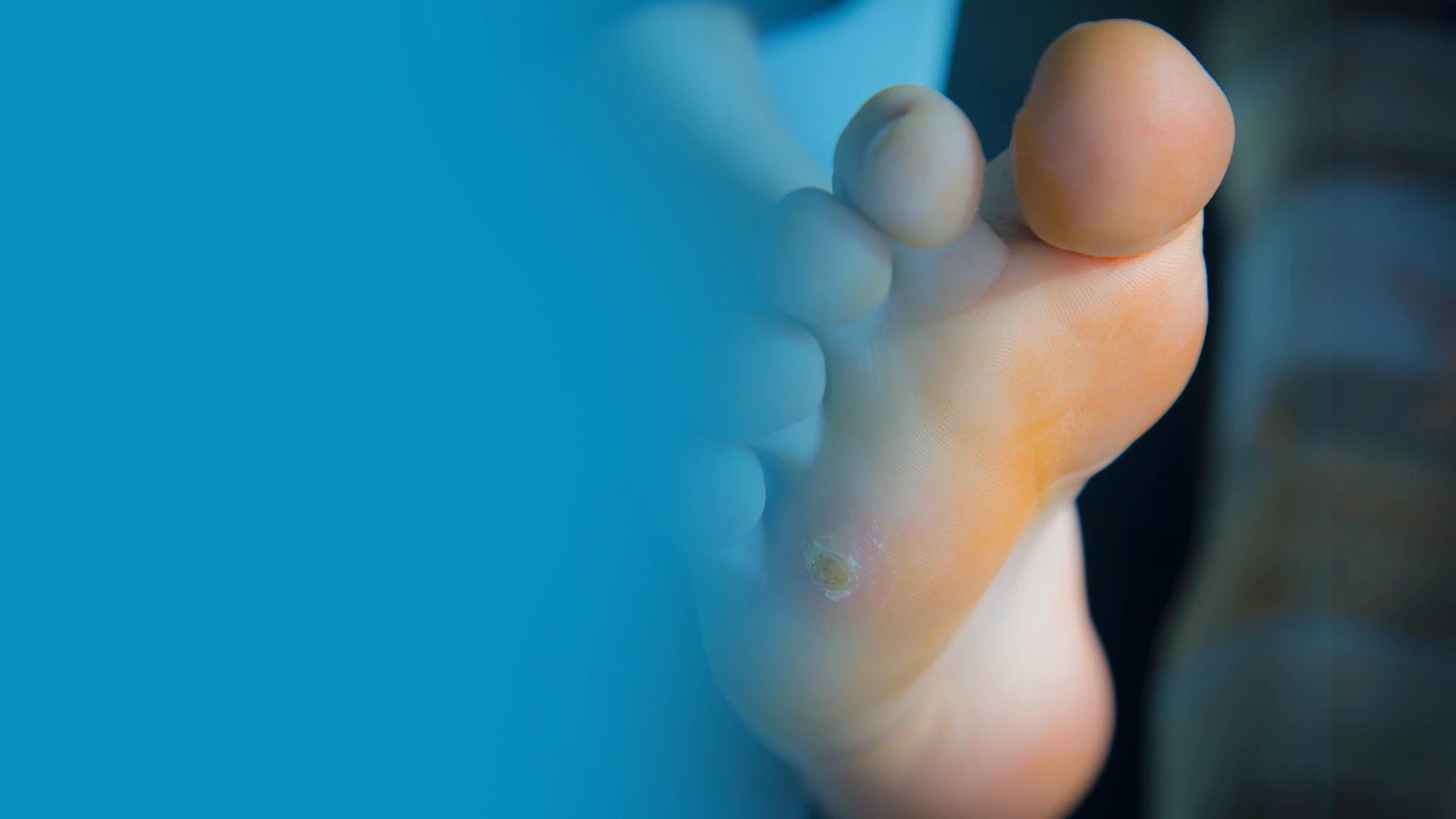
When to See a Podiatrist
A Morton’s neuroma that doesn’t respond to metatarsal pads and wider shoes within 6-8 weeks usually needs a cortisone injection or — for stubborn cases — alcohol sclerosing or nerve decompression. Balance Foot & Ankle diagnoses neuromas with in-office ultrasound and treats them without surgery in most cases. Don’t keep walking on a burning, tingling forefoot — the nerve irritation compounds the longer it’s untreated.
Call Balance Foot & Ankle: (810) 206-1402 · Book online · Offices in Howell & Bloomfield Township
Pros & Cons of Conservative Care for foot care
Advantages
- ✓ Conservative care first
- ✓ Same-week appointments
- ✓ Multiple insurance accepted
Considerations
- ✗ Self-treatment can mask issues
- ✗ See a podiatrist if pain >2 weeks
Dr. Tom’s Recommended Products for foot care
Affiliate disclosure: As an Amazon Associate, Balance Foot & Ankle earns from qualifying purchases. We only recommend products we use with patients.
Footnanny Heel Cream Dr. Tom’s Pick
Best for: Daily moisturizer for cracked heels
Ready to Get Back on Your Feet?
Same-day appointments in Howell + Bloomfield Township. Most insurance accepted. Dr. Tom Biernacki, DPM & team.
Book Today — Same-Day Appointments Available
Call Now: (810) 206-1402
About Your Care Team at Balance Foot & Ankle
Dr. Tom Biernacki, DPM · Board-Certified Foot & Ankle Surgeon. Specializes in conservative-first care, minimally invasive bunion surgery, and complex reconstruction.
Dr. Carl Jay, DPM · Accepting new patients. Specializes in sports medicine, athletic injuries, and routine podiatric care.
Dr. Daria Gutkin, DPM, AACFAS · Accepting new patients. Specializes in surgical reconstruction and pediatric podiatry.
Locations: 4330 E Grand River Ave, Howell, MI 48843 · 43494 Woodward Ave Suite 208, Bloomfield Township, MI 48302
Hours: Mon–Fri 8:00 AM – 5:00 PM · (810) 206-1402
Frequently Asked Questions
How long does treatment take to work?
Most patients see improvement in 4-8 weeks with consistent conservative care. Persistent symptoms after 8 weeks need imaging and escalation.
When is surgery needed?
Surgery is reserved for cases that fail 3-6 months of conservative care, structural deformities, or fractures requiring stabilization.
Is this covered by insurance?
Most diagnostic visits and conservative treatments are covered by Medicare and major insurers. Custom orthotics often require diabetic or post-surgical justification.
In-Office Treatment at Balance Foot & Ankle

If home treatment isn’t providing relief for your nerve pain, our podiatry team at Balance Foot & Ankle can help with same-day evaluations and advanced in-office care.
Same-day appointments available. (810) 206-1402
Our podiatrists treat the underlying cause, not just the symptom. Same-week appointments at our Howell and Bloomfield Township, Michigan offices.
Ready for Expert Care?
Same-day appointments in Howell & Bloomfield Township, MI.
4.9★ | 1,123 Reviews | 3,000+ Surgeries
Or call: (810) 206-1402

Dr. Tom Biernacki, DPM is a board-certified foot & ankle surgeon (ABFAS & ABPM) at Balance Foot & Ankle Specialists in Southeast Michigan. With over a decade of clinical experience, he specializes in heel pain, bunions, diabetic foot care, sports injuries, and minimally invasive surgery. Dr. Biernacki is a member of the APMA and ACFAS, and his patient education content on MichiganFootDoctors.com and YouTube has made him one of the most-followed foot & ankle educators on YouTube.
More questions patients ask
What causes heel pain?
Heel pain most commonly results from plantar fasciitis (inflammation of the plantar fascia ligament), which accounts for approximately 80% of cases. Other causes include Achilles tendinitis, heel spurs, stress fractures, Baxter's nerve entrapment, and fat pad atrophy. Dr. Biernacki performs a thorough biomechanical evaluation to identify the precise cause. Call 810-206-1402 for a same-day appointment.
How long does plantar fasciitis take to heal?
With proper treatment, most plantar fasciitis cases improve within 6-12 weeks. Conservative treatments include custom orthotics, stretching protocols, physical therapy, and corticosteroid injections. For persistent cases beyond 6 months, Dr. Biernacki offers advanced options including shockwave therapy and minimally invasive procedures with 90%+ success rates.
Should I see a podiatrist for heel pain?
Yes. A board-certified podiatrist like Dr. Biernacki can accurately diagnose the cause of heel pain using X-rays and diagnostic ultrasound, ruling out stress fractures and other serious conditions. Self-treatment with over-the-counter insoles often delays proper treatment and can worsen the condition. Early intervention leads to faster recovery.
Still have a question about coverage or cost? Book online and we will check your benefits before your visit: Book in Howell · Book in Bloomfield Township. Prefer to talk it through first? Call (810) 206-1402.