Expert Foot & Ankle Treatment from Michigan’s #1 Podiatrist - Balance Foot & Ankle Specialist
Board Certified Podiatrists
Expert Foot & Ankle Care
Expert Foot & Ankle Treatment from Michigan’s #1 Podiatrist - Balance Foot & Ankle Specialist
Expert Foot & Ankle Care
Bunion Gone, But What About the Scar?
We show how to break up scar tissue after bunion surgery. If you have scar after bunion surgery, we review the BEST bunion surgery scar care!
Undergoing bunion surgery can greatly improve your comfort and foot alignment—but many patients wonder what kind of scar will be left behind. Scarring is a natural part of healing, but with the right care and awareness, you can reduce its visibility and promote smooth recovery. Let’s dive into what bunion surgery scars look like and how to care for them properly.
Discolored toenails from nail polish are commonly caused by dark-colored pigments seeping into the porous nail plate, especially if a base coat wasn’t applied. Over time, this can leave behind yellow, brown, or cloudy stains. However, discoloration that doesn’t fade or comes with changes like thickening, odor, or crumbling could indicate a fungal infection or nail trauma. Giving your nails a break from polish and using gentle nail treatments can help—but persistent issues should be evaluated by a podiatrist.
Big Toe Joint, Hammer Toe & Bunionette Problems
At Balance Foot & Ankle Specialist in Bloomfield Hills, Dr. Tom Biernacki and his team use advanced techniques that prioritize both function and aesthetics. From surgical planning to post-op scar care, we’re here to guide you every step of the way.
Schedule your bunion consultation today and learn how we can help you recover beautifully and comfortably.
Call now or book an appointment online—your peace of mind starts here.
The best way to prevent a possible bad bunion surgery scar is to never have an incision in the first place.
We believe in attempting minimally invasive bunion surgery whenever possible when bunion surgery is needed.
This video goes over skipping bunion surgery altogether!


These are our favorite ways to get rid of bunion scars and for breaking down scar tissue after bunion surgery:
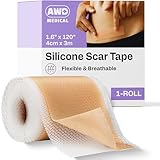
Silicone strips have been proven to be very effective in weeks 2-6 of surgery.


If you’ve recently undergone bunion surgery, congratulations on taking a step toward pain-free walking and improved foot alignment! But as the incision heals, one concern often lingers: the scar. While scarring is a natural part of the recovery process, there are proven ways to reduce its visibility and encourage smooth healing.
Here are 7 essential tips to help you manage your bunion surgery scar effectively:
Your surgeon’s guidance is designed to ensure both internal healing and external skin recovery. Keep the incision site clean and dry, avoid putting pressure on the area, and attend all follow-up appointments.
Scars exposed to the sun can become darker and more noticeable. Once your incision has healed, protect the area with clothing or apply sunscreen (SPF 30 or higher) to prevent hyperpigmentation.
Silicone-based products have been clinically shown to flatten and fade scars over time. Begin using them once the incision is fully closed, typically 2–3 weeks post-surgery.
Gentle massage using scar-reducing ointments can improve blood flow, soften the tissue, and prevent stiffness. Do this daily once the wound is no longer tender.
Movement encourages circulation and healing, but avoid high-impact activities that can aggravate the scar. Follow your podiatrist’s rehab plan to return to full activity safely.
As your scar heals, it might itch—but resist the urge to scratch. Picking at scabs or scar tissue can delay healing and increase the risk of a raised or widened scar.
If you’re left with a thick, red, or raised scar, ask your podiatrist about laser treatments or steroid injections to reduce its appearance.
Not every scar will vanish, but with consistent care and the right techniques, your bunion surgery scar can become a minor detail—not a lasting concern. Prioritize healing from the inside out, and don’t hesitate to ask your foot specialist for personalized recommendations.
Big Toe Joint, Hammer Toe & Bunionette Problems
Most scars are 1–2 inches long, depending on the surgical method used.
While scars are permanent, they usually fade and become less noticeable over time.
In some patients prone to keloids or hypertrophic scarring, raised scars may develop.
Keep the wound clean, avoid sun exposure, use silicone scar gel, and follow your podiatrist’s instructions.
Once the incision is fully closed and healed, usually after 2–3 weeks.
They are usually thin, linear marks along the incision site—pink at first, then fading.
Yes, they often involve smaller incisions, which lead to smaller scars.
Yes, laser therapy may help reduce redness, thickness, or visibility of the scar.
It may take 6 months to 1 year to fully mature and fade.
If you notice redness, warmth, swelling, or discharge, contact your doctor immediately.
Dr. Tom Biernacki, DPM is a board-qualified podiatrist and foot & ankle surgeon serving Southeast Michigan at Balance Foot & Ankle Specialists. A Michigan native, Dr. Biernacki earned his undergraduate degree from Michigan State University and his Doctor of Podiatric Medicine (DPM) from Kent State University College of Podiatric Medicine. He completed a three-year comprehensive surgical residency in foot and ankle surgery in the Detroit metro area.
Dr. Biernacki specializes in the treatment of heel pain, bunions, hammertoes, diabetic foot care, sports injuries, flatfoot correction, and minimally invasive foot surgery. He is dedicated to providing evidence-based, patient-centered care that helps people of all ages stay active and pain-free.
He sees patients at multiple convenient Metro Detroit locations and is committed to community education through the MichiganFootDoctors.com resource library. Dr. Biernacki is a member of the American Podiatric Medical Association (APMA) and the Michigan Podiatric Medical Association (MPMA).
Choose Your Location
✅ Same-day appointments available · No referral needed
🔒 Your information is private and HIPAA-protected