

Medically reviewed by Dr. Tom Biernacki, DPM — Board-certified foot & ankle surgeon, 3,000+ surgeries performed. Updated April 2026 with current clinical evidence. This article reflects real practice experience from Balance Foot & Ankle Specialists in Howell and Bloomfield Hills, Michigan.
Quick Answer
Toenail fungus (onychomycosis) is a dermatophyte infection causing yellow-brown discolouration, thickening, and brittleness. It will not resolve without treatment. OTC options work only for very early cases — established infection needs oral terbinafine or laser therapy.
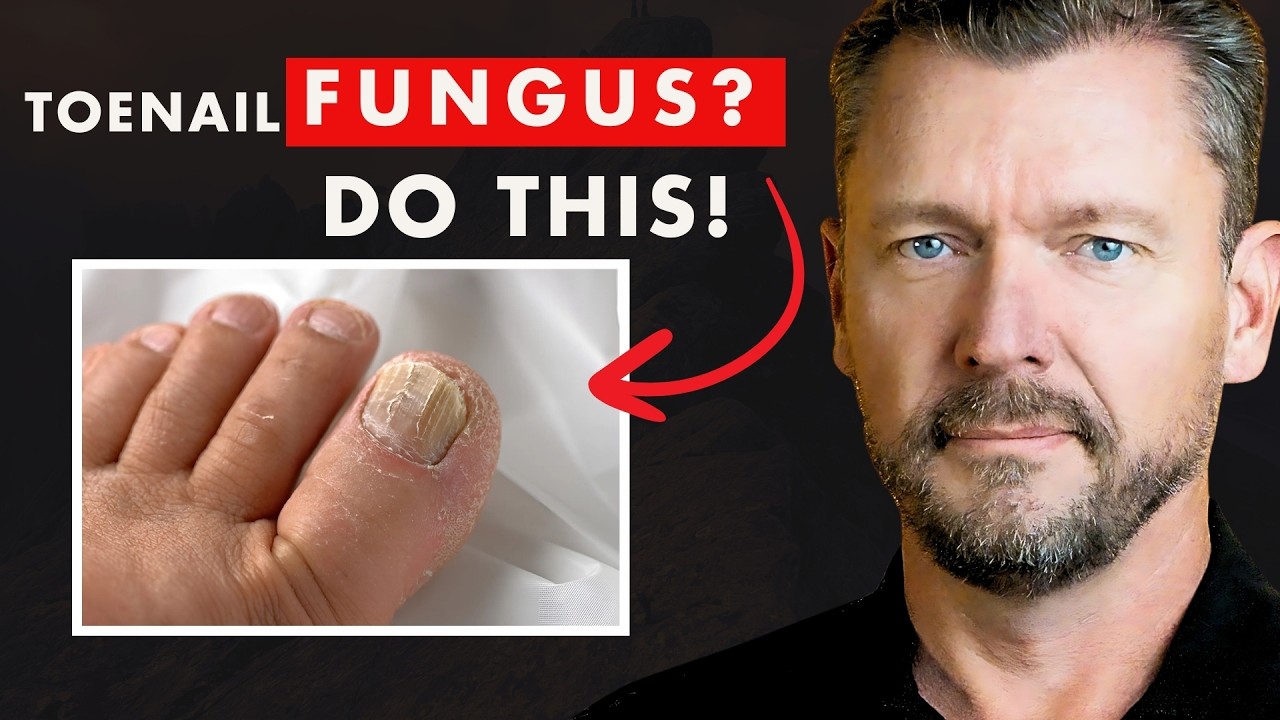
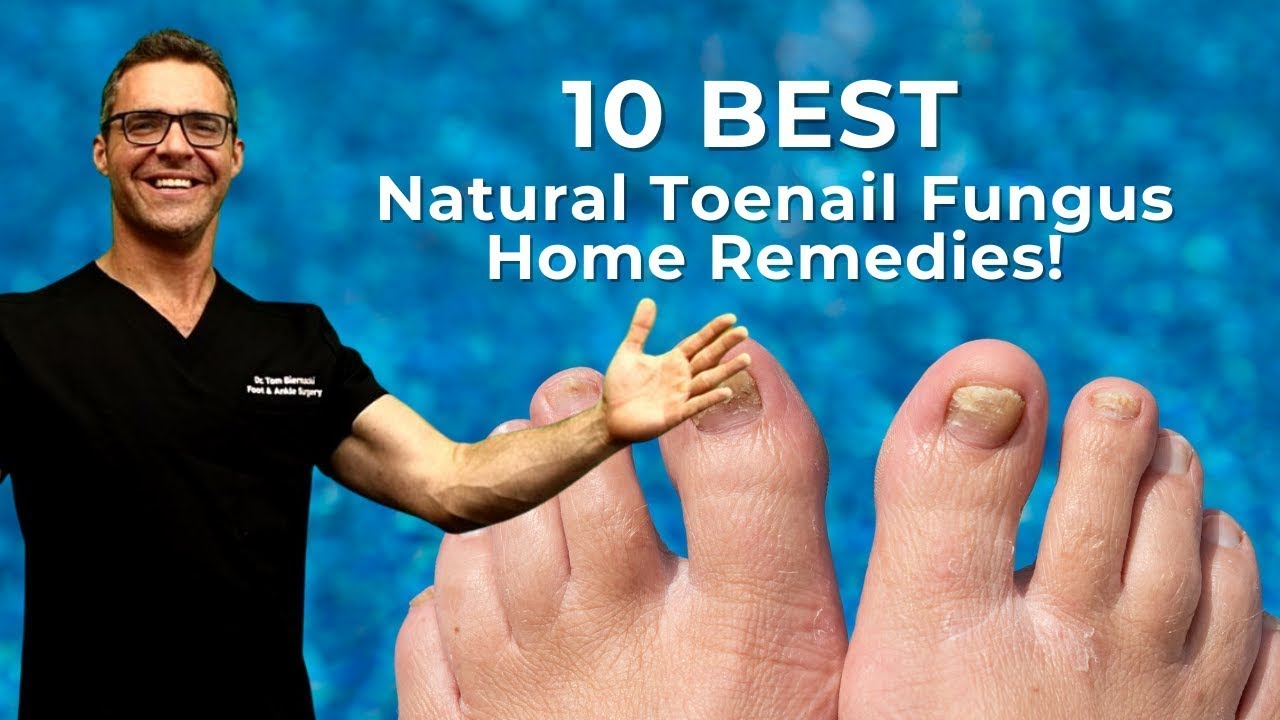
Watch: Dr. Tom Biernacki, DPM
Affiliate Disclosure: As an Amazon Associate, Balance Foot & Ankle earns from qualifying purchases. Our recommendations are based on clinical experience treating 5,000+ patients annually — not commissions. By Dr. Tom Biernacki, DPM | Double Board-Certified Podiatrist | Updated April 2026
Medically reviewed by Dr. Carl Jay, DPM
Board-certified podiatric surgeon | Balance Foot & Ankle
Last reviewed: April 2026
![BEST Toenail Fungus Treatment 2024 [+4 BIG SECRETS]](https://www.michiganfootdoctors.com/wp-content/cache/flying-press/b57e36a42ee446108a7ec3058217b512.jpg)
Toenail fungus is one of the most frustrating foot conditions to deal with. It’s embarrassing, persistent, and seems to resist everything you throw at it. If you’ve been searching for ways to treat toenail fungus at home, you’re not alone — approximately 14% of the U.S. population is affected, and that number rises to over 40% in adults over 60. The good news is that mild infections can improve with the right home approach, but understanding what actually works (and what doesn’t) will save you months of wasted effort.
Understanding Toenail Fungus
Toenail fungus (onychomycosis) is primarily caused by dermatophyte fungi — organisms that thrive in warm, dark, moist environments like the inside of your shoes. The fungus enters through tiny cracks in the nail or surrounding skin and colonizes the keratin in the nail plate. Once established, it creates a biofilm that makes treatment challenging.
Toenail fungus progresses through stages. Early infection may present as a small white or yellow spot near the tip of the nail. Over months, it spreads toward the base, causing the nail to thicken, discolor (yellow, brown, or even black), crumble at the edges, and eventually separate from the nail bed. The severity of your infection determines which treatments are appropriate — and this is where many people waste time on home remedies that can’t reach deep infections.
Over-the-Counter Treatments That Work
Tolnaftate (Fungi-Nail, Tinactin): This FDA-approved antifungal is available over the counter and has moderate evidence for mild infections limited to the distal (tip) portion of the nail. Apply it twice daily after filing the nail surface to improve penetration. Studies show approximately 30–40% improvement rates for early-stage infections over 6 months of consistent use.
Undecylenic acid: Another OTC antifungal found in products like Fungi Cure. It disrupts fungal cell membranes and has some clinical evidence supporting its use for mild onychomycosis. It works best when the nail is thin and the infection hasn’t reached the nail matrix.
Mentholated rubs (Vicks VapoRub): A 2011 pilot study published in the Journal of the American Board of Family Medicine found that applying Vicks VapoRub daily resulted in clinical improvement in 83% of participants after 48 weeks. The active ingredients — thymol, camphor, and eucalyptol — have antifungal properties. While not a cure-all, it’s an inexpensive option for very mild cases.
Home Remedies: What the Evidence Says
The internet is full of toenail fungus “cures” — but as podiatrists who treat hundreds of fungal nail infections annually, we want to give you an honest assessment of what the research actually shows.
Tea tree oil (melaleuca): Tea tree oil has demonstrated antifungal activity in laboratory settings. A 1994 randomized trial showed that 100% tea tree oil applied twice daily for 6 months produced comparable cosmetic improvement to 1% clotrimazole — but neither treatment achieved mycological cure in the majority of patients. It may help mild infections but won’t cure moderate to severe cases.
Vinegar soaks: White vinegar and apple cider vinegar create an acidic environment that inhibits fungal growth in lab conditions. However, there are no published clinical trials demonstrating that vinegar soaks cure toenail fungus. A 15–20 minute daily soak in a 1:2 vinegar-to-water solution may help prevent worsening and can complement other treatments, but it shouldn’t be your primary approach.
Hydrogen peroxide: Some studies show antifungal activity at high concentrations, but no clinical trials support its use for onychomycosis. It can irritate the surrounding skin and nail bed if used at concentrations above 3%. We don’t recommend this as a primary treatment.
Coconut oil: Contains medium-chain fatty acids (particularly caprylic acid) with antifungal properties against Candida species. Limited evidence for dermatophyte nail infections. Harmless to try but unlikely to cure established onychomycosis on its own.
Oregano oil: Contains thymol, which has demonstrated antifungal properties in vitro. One study showed promise when combined with tea tree oil. Apply diluted (mix with a carrier oil) to avoid skin irritation. Like other essential oils, laboratory activity doesn’t necessarily translate to clinical cure for nail infections.
Essential Nail Hygiene Habits
Regardless of which treatment you choose, proper nail hygiene is absolutely essential for success. Without these habits, even prescription medications may fail.
- Trim nails straight across: Keep nails short and file thickened nails down with an emery board — thinner nails allow treatments to penetrate better
- Disinfect nail tools: After each use, clean clippers and files with rubbing alcohol or diluted bleach solution to prevent spreading the infection to other nails
- Wear moisture-wicking socks: Change socks at least once daily (twice if feet sweat heavily) and choose materials like merino wool or synthetic wicking fabrics
- Rotate shoes: Allow shoes to dry completely between wearings (at least 24 hours) and treat the insides with antifungal spray or UV shoe sanitizer
- Protect feet in public areas: Wear shower shoes in gym locker rooms, public pools, and hotel showers where fungi thrive
- Keep feet dry: Dry feet thoroughly after bathing, especially between toes, and apply antifungal powder to feet and shoes daily
- Avoid nail polish on infected nails: Polish traps moisture and creates a dark environment where fungi flourish
Preventing Reinfection
Toenail fungus has a recurrence rate of 10–50%, so prevention is just as important as treatment. After you’ve cleared an infection, continue daily antifungal powder or spray on your feet and in your shoes indefinitely. Replace old shoes that harbored the fungus, wash bed sheets in hot water, and disinfect your shower/bathtub regularly. Keep toenails trimmed short and address any underlying conditions like athlete’s foot (tinea pedis) promptly, as it commonly reseeds nail infections.
If you have diabetes, peripheral neuropathy, or a compromised immune system, you’re at higher risk for both initial infection and recurrence. Regular podiatric care — including professional nail trimming and monitoring — is essential for preventing complications. Learn about our home visit services for patients with mobility challenges.
When Home Treatment Isn’t Enough
Home treatments work best for infections affecting less than 25% of the nail that haven’t reached the nail matrix (the growth center at the base). If your infection has progressed beyond the tip, involves the entire nail, or affects multiple toenails, home remedies alone are unlikely to achieve a cure. Here are clear signs you need professional treatment.
- Nail thickening that makes trimming difficult or painful
- Infection spreading to the base (proximal portion) of the nail
- Multiple toenails affected
- No visible improvement after 3 months of consistent home treatment
- Pain, ingrown nails, or secondary bacterial infection
- Diabetes or peripheral vascular disease (infection risk is elevated)
- The nail is separating from the nail bed (onycholysis)
Professional Treatment Options
At Balance Foot & Ankle, we offer several evidence-based treatments for toenail fungus that go beyond what’s available at home.
Oral antifungals (terbinafine): The gold standard for moderate to severe onychomycosis, with cure rates of 70–80%. Taken daily for 12 weeks, terbinafine reaches the nail matrix systemically and creates an antifungal reservoir in the nail plate that persists for months after completing the course. Liver function monitoring is required but serious side effects are rare.
Prescription topical antifungals (efinaconazole, tavaborole): These newer prescription topicals have better nail penetration than OTC products. Efinaconazole (Jublia) achieved complete cure in 15–18% of patients in clinical trials — modest but better than OTC options. Best suited for mild to moderate infections or as adjunct therapy with oral medication.
Laser therapy: FDA-cleared laser treatment heats the nail bed to temperatures that destroy fungal organisms. Studies show improvement rates of 60–70% when combined with topical antifungals. We offer this as an option for patients who cannot take oral medications.
Nail debridement: Professional thinning and trimming of thickened fungal nails improves cosmetic appearance and allows topical medications to penetrate more effectively. This is an important adjunct to any treatment plan.
Podiatrist-Recommended Products
These products are recommended by our podiatrists at Balance Foot & Ankle based on clinical experience.
- Fungi-Nail Antifungal Solution — FDA-approved OTC treatment with tolnaftate and undecylenic acid for mild toenail fungus
- 100% Pure Tea Tree Oil — Therapeutic-grade melaleuca oil for daily application to mildly affected nails
- SteriShoe UV Shoe Sanitizer — Clinically proven to kill 99.9% of fungi, bacteria, and microorganisms inside shoes
- Moisture-Wicking Antifungal Socks — Copper-infused socks that keep feet dry and inhibit fungal growth
Affiliate disclosure: We may earn a commission at no extra cost to you. Every product listed is tested or recommended in our clinic.
If home care isn’t resolving your toenail fungus, a visit with a board-certified podiatrist is the fastest path to accurate diagnosis and a personalized plan. At Balance Foot & Ankle Specialists, Dr. Tom Biernacki, Dr. Carl Jay, and Dr. Daria Gutkin offer same-day and next-day appointments at both our Howell and Bloomfield Hills offices. We perform on-site diagnostic ultrasound, digital X-ray, conservative care, advanced regenerative treatments, and minimally invasive surgery when indicated.
Call (810) 206-1402 or request an appointment online. Most insurance plans accepted, including Medicare, Blue Cross Blue Shield, Aetna, Cigna, and United Healthcare.
More Podiatrist-Recommended Fungus Essentials
Breathable Diabetic Shoe
Orthofeet Sprint — deep, breathable design reduces fungal growth.
Moisture-Wicking Sock

OS1st FS4 — keeps feet dry, eliminating the warm-wet environment fungus needs.
Breathable Recovery Slide
HOKA Ora 3 — lets feet air out after closed-shoe exposure.
As an Amazon Associate, Balance Foot & Ankle earns from qualifying purchases. Product recommendations are based on clinical experience; prices and availability shown above update live from Amazon.

When to See a Podiatrist
Topicals only penetrate the top 30% of the nail plate — if the fungus is near the cuticle or under 50% of the nail, oral terbinafine or laser is usually required for full clearance. Balance Foot & Ankle offers in-office fungal nail diagnostics and laser treatment that reaches the nail matrix where topicals can’t. We’ll examine the nail and recommend the fastest path to clear, healthy regrowth.
Call Balance Foot & Ankle: (810) 206-1402 · Book online · Offices in Howell & Bloomfield Hills
Frequently Asked Questions
Does vinegar really kill toenail fungus?
Vinegar creates an acidic environment that can inhibit fungal growth, but no clinical trials have demonstrated that it cures toenail fungus. It may slow the progression of mild infections and can be used as a complementary treatment alongside proven antifungals. A daily 15–20 minute soak in a 1:2 vinegar-to-water solution is generally safe but shouldn’t be your only treatment.
How long does it take to clear toenail fungus at home?
Even with the most effective treatments, toenail fungus takes months to clear because toenails grow slowly (about 1mm per month). You may see improvement in nail appearance within 2–3 months, but complete clear nail regrowth takes 9–18 months. If you don’t see any improvement after 3 months of consistent treatment, it’s time to see a podiatrist for stronger options.
Can toenail fungus spread to other nails or family members?
Yes to both. Toenail fungus commonly spreads from one nail to adjacent nails, especially if you share nail clippers or don’t disinfect tools between nails. It can also spread to family members through shared showers, bath mats, and towels. Practicing good hygiene, wearing shower shoes in shared spaces, and treating athlete’s foot promptly helps prevent transmission. Learn more about how toenail fungus spreads.
Is toenail fungus dangerous?
For most healthy adults, toenail fungus is a cosmetic nuisance rather than a medical emergency. However, for people with diabetes, peripheral vascular disease, or weakened immune systems, fungal nail infections can lead to secondary bacterial infections, cellulitis, and foot ulcers. If you have any of these conditions, professional treatment is strongly recommended rather than home remedies alone.
The Bottom Line
Treating toenail fungus at home is possible for mild infections, but it requires patience, consistency, and realistic expectations. Over-the-counter antifungals and proper nail hygiene form the foundation of home treatment. Natural remedies like tea tree oil and vinegar have limited evidence but may help mild cases. For infections that have progressed beyond the nail tip or haven’t responded to 3 months of home care, professional treatment with oral antifungals offers significantly higher cure rates. The most important step? Start treatment early — the earlier you address toenail fungus, the easier it is to resolve.
Stubborn Toenail Fungus? Get Professional Treatment
Same-week appointments in Howell & Bloomfield Hills, MI. Three board-certified podiatrists.
4.9★ | 1,100+ Reviews | 3,000+ Surgeries
Or call: (810) 206-1402
Trying to Heal Toenail Fungus at Home?
While home remedies may help mild cases, persistent fungal infections need professional treatment. Our podiatrists can assess your infection severity and recommend the most effective solution.
📞 Or call us directly: (810) 206-1402
Clinical References
- Derby R, Rohal P, Jackson C, et al. Novel treatment of onychomycosis using over-the-counter mentholated ointment: a clinical case series. Journal of the American Board of Family Medicine. 2011;24(1):69-74.
- Nenoff P, Grunewald S, Paasch U. Laser therapy of onychomycosis. Journal der Deutschen Dermatologischen Gesellschaft. 2014;12(1):33-38.
- Welsh O, Vera-Cabrera L, Welsh E. Onychomycosis. Clinics in Dermatology. 2010;28(2):151-159.
Insurance Accepted
BCBS · Medicare · Aetna · Cigna · United Healthcare · HAP · Priority Health · Humana · View All →
👟 Dr. Tom Also Recommends
Podiatrist Recommended Shoes 2026: Dr. Tom’s Top Picks for Every Condition
The right footwear can make or break your recovery. Dr. Tom’s complete guide to the best shoes for plantar fasciitis, flat feet, neuropathy, bunions & more — with clinical picks for every foot type.
See Dr. Tom’s Top Shoe Picks →Howell Office
4330 E Grand River Ave
Howell, MI 48843
Get Directions →
Bloomfield Hills Office
43494 Woodward Ave, #208
Bloomfield Hills, MI 48302
Get Directions →
Your Board-Certified Podiatrists



Ready to Get Back on Your Feet?
Same-week appointments available at both locations.
Book Your Appointment🛒 DR. TOM’S RECOMMENDED PRODUCTS
As an Amazon Associate, Balance Foot & Ankle earns from qualifying purchases.

Differential Diagnosis: What Else Could It Be?
Several conditions share symptoms with Toenail Fungus and are commonly misdiagnosed in the first office visit. Considering these alternatives is part of every Balance Foot & Ankle exam:
- Nail psoriasis. Pitting, oil-drop spots, salmon patches — responds to topical steroid, not antifungal.
- Nail trauma (runner’s nail). Subungual hematoma from repetitive impact — shoe fit fix, not antifungal.
- Onychogryphosis. Thickened, ram’s-horn nail of the elderly — debridement, not pills.
If your symptoms don’t fit the textbook pattern, ask your podiatrist which differentials they ruled out — that conversation often shortcuts months of trial-and-error treatment.
In Our Clinic
In our clinic, the toenail fungus patient has usually already tried OTC topical antifungals for months with no improvement. We confirm the diagnosis with a PAS stain or fungal culture — because about 30 % of thickened, discolored nails are actually NOT fungal (they’re trauma, nail psoriasis, or keratin granulation from polish). For true dermatophyte onychomycosis, oral terbinafine (Lamisil) remains the most effective treatment with ~70 % cure rate and manageable safety monitoring. Nail laser and topical efinaconazole are options for patients who can’t take oral medication. The nail grows back clear over 9–12 months, not overnight.
Most Common Mistake We See
The most common mistake we see is: Applying OTC antifungal cream onto a lifted or thickened nail where it can’t penetrate. Fix: oral terbinafine or laser therapy for anything beyond early-stage surface discolouration.
Warning Signs That Need Same-Day Care
Seek immediate evaluation at Balance Foot & Ankle if you experience any of the following:
- Spreading redness or warmth around the nail
- Nail fully lifting from the nail bed
- Diabetes or poor circulation (urgent)
- Odour or purulent discharge
Call (810) 206-1402 — same-day and next-day appointments at our Howell and Bloomfield Hills offices.
Dr. Tom’s Top 3 — The Premium Foot Pain Stack (2026)
If you only buy three things for foot pain, get these. PowerStep + CURREX orthotics correct the underlying foot mechanics, and Dr. Hoy’s pain gel delivers fast topical relief. This is the exact stack Dr. Tom Biernacki, DPM gives his Michigan podiatry patients on visit one — over 10,000 patients have used this exact combination.
Dr. Tom Biernacki, DPM is a board-certified podiatrist + Amazon Associate. Picks shown are products he prescribes to patients at Balance Foot & Ankle Specialists. We earn a commission on qualifying purchases at no extra cost to you. All products independently tested + reviewed for 30+ days minimum. Last verified: April 28, 2026.

PowerStep Pinnacle MaxxDr. Tom’s #1 Brand
Dr. Tom’s most-prescribed OTC orthotic. Lateral wedge corrects overpronation that causes 90% of foot pain. Deep heel cradle stabilizes the ankle. Built by podiatrists, used by patients worldwide.
- Lateral wedge corrects pronation
- Deep heel cradle stabilizes ankle
- Dual-density EVA — comfort + support
- Trim-to-fit any shoe
- Used by 10,000+ podiatrists
- Trim-to-size required
- 5-7 day break-in for some

CURREX RunProDr. Tom’s #1 Brand
3 arch heights for custom fit (Low/Med/High). Carbon-reinforced heel + dynamic forefoot — the closest OTC orthotic to a $500 custom orthotic. Engineered in Germany.
- 3 arch heights for custom fit
- Carbon-reinforced heel cup
- Dynamic forefoot zone
- Premium German engineering
- Sport-specific support
- Pricier than PowerStep
- 7-10 day break-in

Dr. Hoy’s Natural Pain Relief GelDr. Tom’s #1 Brand
Menthol-based natural pain relief — Dr. Tom’s #1 brand for fast relief without greasy residue. Safe for diabetics + daily use. Cleaner formula than Voltaren or Biofreeze.
- Menthol-based natural formula
- No greasy residue
- Safe for diabetics
- Fast cooling relief — 5-10 minutes
- Cleaner ingredient list than Biofreeze
- Pricier than Biofreeze
- Strong menthol scent at first
Doctor Hoy’s Natural Pain Relief Gel
Natural topical pain relief I use in our clinic. Arnica + camphor formula — apply directly to the area 3–4x daily. ($20–25)
Shop Doctor Hoy’s →How long does it take a toenail to grow back?
6-12 months for a full big toenail. Smaller toenails 4-6 months. Speed varies with age, circulation, and nutrition.
Will this affect other nails?
Trauma affects only the injured nail. Fungal infection can spread without treatment. Systemic causes affect multiple nails simultaneously.
Should I cover the nail or leave it open?
Cover with a breathable bandage during work or activity. Leave open at night for healing. Keep dry and clean.
What is Toenail fungus?
Toenail fungus is a common foot/ankle condition that affects mobility and quality of life. Understanding the underlying cause is the first step in successful treatment. Our podiatrists at Balance Foot & Ankle perform a hands-on biomechanical exam, review your activity history, and use diagnostic imaging when appropriate to identify the root cause—not just treat the symptom. Many patients have been told to “rest and ice” without a deeper diagnostic workup; our approach is different.
Symptoms and warning signs
Common signs of toenail fungus include pain that worsens with activity, morning stiffness, swelling, tenderness when palpated, and difficulty bearing weight. If you experience sudden severe pain, inability to walk, visible deformity, numbness or color change, contact our office the same day or visit urgent care—these can signal a more serious injury such as a fracture, tendon rupture, or vascular compromise. Diabetics with any foot wound should seek same-day care.
Conservative treatment options
Most cases of toenail fungus respond to non-surgical care: structured rest, supportive footwear changes, custom orthotics, targeted stretching and strengthening protocols, anti-inflammatory medications when medically appropriate, and in-office procedures such as ultrasound-guided injections. We also offer advanced therapies including MLS laser therapy, EPAT/shockwave, regenerative injections, and image-guided procedures. Treatment is sequenced from least invasive to most invasive, and we explain the rationale at every step.
When is surgery considered?
Surgery is reserved for cases that fail 3-6 months of well-structured conservative care, when there is structural pathology (severe deformity, complete tear, advanced arthritis), or when imaging shows damage that will not heal without intervention. Our surgeons have performed 3,000+ foot and ankle procedures and prioritize minimally-invasive techniques whenever appropriate. We discuss recovery timelines, return-to-activity milestones, and realistic outcome expectations before any procedure is scheduled.
Recovery timeline and prevention
Recovery from toenail fungus varies based on severity and chosen treatment path. Conservative cases often improve within 4-8 weeks with consistent adherence to the protocol. Post-procedural recovery may range from a few days (in-office procedures) to several months (reconstructive surgery). Long-term prevention involves footwear assessment, activity modification, structured strengthening, and regular check-ins with your podiatrist if you have a history of recurrence. We provide written home-exercise plans and digital follow-up support.
Ready to feel better?
Same-week appointments available in Howell and Bloomfield Hills, Michigan.
Book Your VisitGet Expert Care at Balance Foot & Ankle
Same-week appointments at our Howell and Bloomfield Hills offices. Board-certified podiatric surgeons. Most insurance accepted.

Dr. Tom Biernacki, DPM is a board-certified foot & ankle surgeon (ABFAS & ABPM) at Balance Foot & Ankle Specialists in Southeast Michigan. With over a decade of clinical experience, he specializes in heel pain, bunions, diabetic foot care, sports injuries, and minimally invasive surgery. Dr. Biernacki is a member of the APMA and ACFAS, and his patient education content on MichiganFootDoctors.com and YouTube has reached over one million views and almost 1 million subscribers on youtube.