

You are in the right place. Dr. Tom Biernacki, DPM, FACFAS — board-certified foot & ankle surgeon with 3,000+ surgeries — explains exactly what high arch / cavus foot means and what actually works. Call (810) 206-1402 for a same-week appointment at our Howell or Bloomfield Township office.
Quick answer: High Arch Cavus Foot Michigan is a common foot/ankle topic that affects many patients. Effective treatment starts with a targeted diagnosis, conservative-first treatment, and escalation only when needed. We treat this regularly at our Howell and Bloomfield Township practices. Call (810) 206-1402.
Medically reviewed by Dr. Tom Biernacki, DPM · Board-Certified Podiatric Surgeon · Last reviewed: April 2026 · Editorial Policy
Related Conditions
Quick Answer
High Arch (Cavus Foot) Treatment Michigan Supination Specia relates to arch concerns — typically caused by foot structure or fatigue. Most patients improve in 6-12 weeks with intervention with conservative care. Same-week appointments in Howell + Bloomfield Township: (810) 206-1402.
Medically reviewed by Dr. Tom Biernacki, DPM — Board-Certified Podiatric Surgeon — Balance Foot & Ankle, Howell & Bloomfield Township, MI. Last updated April 2026.
▶ Watch
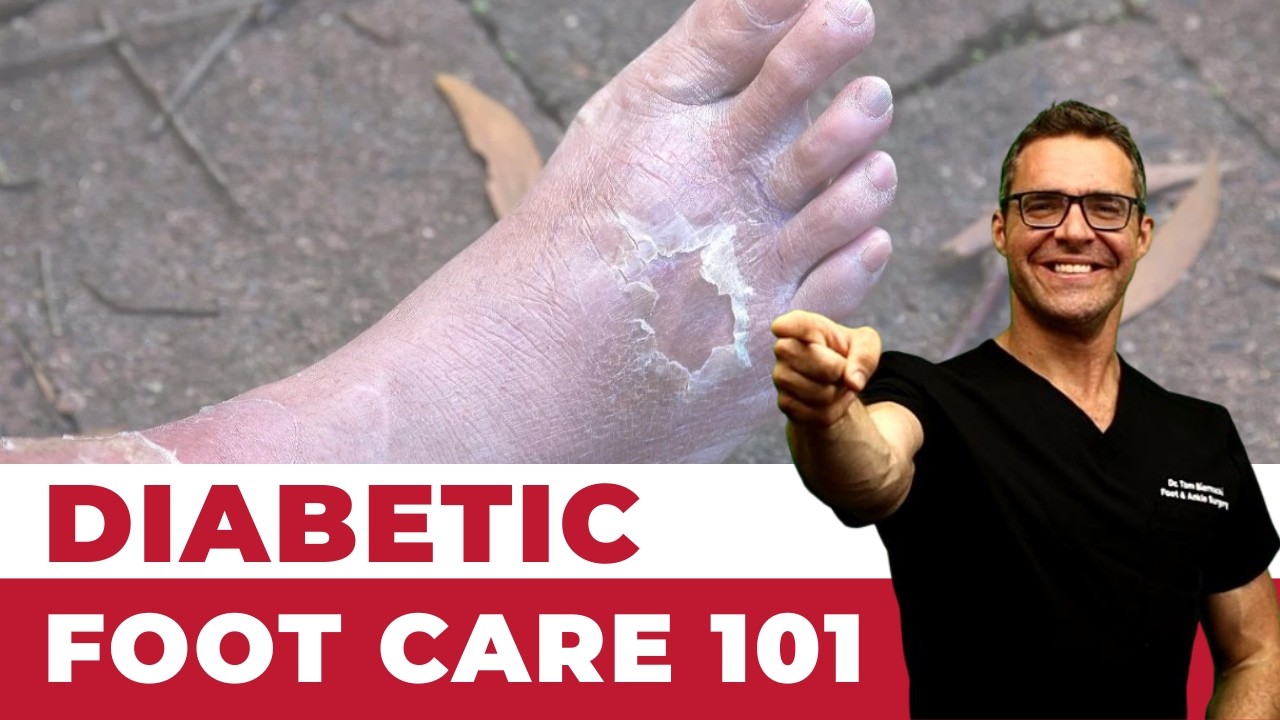
High Arch (Cavus Foot) Treatment Michigan
Pes cavus (high arch foot) is a structural deformity in which the longitudinal arch is excessively elevated, causing abnormal loading on the heel and ball of the foot and a tendency toward lateral ankle instability. Unlike flatfoot, cavus foot concentrates pressure at the heel and metatarsal heads rather than distributing it evenly. Dr. Tom Biernacki DPM at Balance Foot & Ankle treats high arch and cavus foot conditions in Michigan at our Howell, Brighton, and Bloomfield Township locations.
Why Cavus Foot Develops
Approximately 60–70% of cavus foot cases have a neurological cause — most commonly Charcot-Marie-Tooth disease (hereditary motor-sensory neuropathy), spina bifida, cerebral palsy, or post-polio syndrome. The remaining cases are idiopathic (unknown) or due to prior foot trauma or clubfoot residual deformity. Any patient with cavus foot should be evaluated for an underlying neurological condition.
Symptoms Associated with High Arches
- Heel and lateral (outer) foot pain from concentrated loading
- Metatarsalgia — pain under the metatarsal heads from forefoot overload
- Recurrent lateral ankle sprains from hindfoot varus (heel tilted inward)
- Claw toes (intrinsic-minus foot deformity)
- Stress fractures of the metatarsals and lateral column
- Plantar fasciitis (tight plantar fascia)
- Difficulty fitting shoes — standard shoe lasts are designed for average arch heights
Diagnosis
Weight-bearing X-rays assess calcaneal pitch (arch height), metatarsal declination angle, and hindfoot alignment. The Coleman block test distinguishes flexible (forefoot-driven) from rigid cavus deformity — critical for surgical planning. Neurological examination and EMG/nerve conduction studies are ordered when a neurological etiology is suspected. Dr. Biernacki refers to neurology for detailed neurological workup when indicated.
Treatment
Custom orthotics for cavus foot require a lateral forefoot post to accommodate the rigid plantar-flexed first ray and reduce lateral column loading. A lateral heel wedge may be added for hindfoot varus correction. These modifications are opposite to flatfoot orthotic design — off-the-shelf insoles are generally not appropriate for cavus foot.
Ankle-foot orthosis (AFO) provides stability for patients with neurological weakness or severe ankle instability.
Surgical reconstruction for flexible cavus foot typically involves plantar fascia release, Achilles tendon lengthening, first metatarsal dorsiflexion osteotomy (raising the dropped first ray), and peroneus longus-to-brevis transfer. Hindfoot osteotomy (calcaneal lateral wall osteotomy) corrects heel varus. Claw toe correction is performed simultaneously. Rigid cavus deformity with established arthritis may require triple arthrodesis.
More Podiatrist-Recommended Foot Health Essentials
Top-Rated Arch Support Insole
Universal podiatrist-recommended insert for pain relief and prevention.
Foot Massage Ball
Daily 3-minute roll reduces most forms of foot and heel pain.
Moisture-Wicking Sock
Prevents fungus, blisters, and odor — the basics matter.
As an Amazon Associate, Balance Foot & Ankle earns from qualifying purchases. Product recommendations are based on clinical experience; prices and availability shown above update live from Amazon.

When to See a Podiatrist
If foot or ankle pain has been bothering you for more than a few weeks, home care alone may not be enough. Balance Foot & Ankle offers same-week appointments at our Howell and Bloomfield Township clinics — no referral needed in most cases. Bring your current shoes and a short list of symptoms and we’ll build you a treatment plan in one visit.
Call Balance Foot & Ankle: (810) 206-1402 · Book online · Offices in Howell & Bloomfield Township
Frequently Asked Questions
Can high arches be corrected without surgery?
Conservative treatment with custom orthotics, supportive footwear, and physical therapy can manage symptoms of high arch foot effectively in many patients. However, conservative care does not change the underlying structural deformity. Surgery is indicated when symptoms significantly impair quality of life and cannot be managed conservatively.
Should high arch patients see a neurologist?
Yes — all patients with cavus foot should be screened for hereditary motor-sensory neuropathy (Charcot-Marie-Tooth) and other neurological conditions. Family history, leg and hand muscle weakness, and sensory changes suggest a neurological etiology requiring specialized evaluation. Dr. Biernacki coordinates neurology referral when indicated.
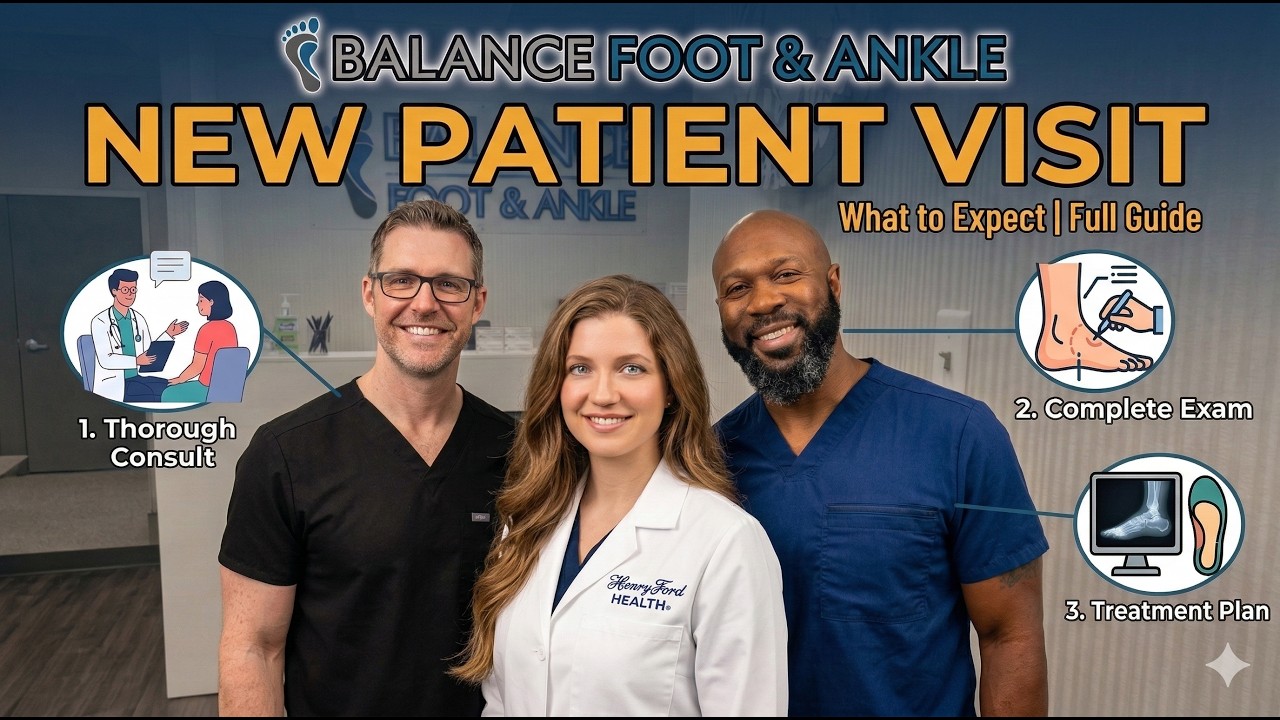
Schedule your cavus foot evaluation at Balance Foot & Ankle in Howell, Brighton, or Bloomfield Township, Michigan.
Dr. Tom’s Recommended Insoles
📍 Located in Michigan?
Our board-certified podiatrists treat this condition at two convenient locations. Most new patients are seen the same week.
PowerStep is the brand I prescribe most — medical-grade OTC support without the custom orthotic price tag.
- PowerStep Maxx Insoles — Maximum support for severe flat feet and high-demand use — the highest-profile arch in the PowerStep line.
- PowerStep Pinnacle Insoles — The #1 podiatrist-recommended OTC insole — firm arch support with dual-layer cushioning for all-day wear.
Affiliate disclosure: As an Amazon Associate, Balance Foot & Ankle earns from qualifying purchases. We only recommend products we trust for our own patients.
Join 950,000+ Learning About Foot Health
Dr. Tom shares honest medical advice, supplement reviews, and treatment guides you won’t find anywhere else.
Subscribe on YouTube →Medically Reviewed by: Dr. Tom Biernacki, DPM — Board-Certified Podiatrist, Balance Foot & Ankle Specialists
📋 Dr. Tom Also Recommends
Podiatrist Recommended Orthotics 2026: Dr. Tom’s Top 10 Insoles & Arch Supports
A podiatrist’s complete clinical guide to the best insoles — custom orthotics, OTC picks, and what actually works for plantar fasciitis, flat feet, neuropathy & more.
Read the Full Guide →Insurance Accepted
BCBS · Medicare · Aetna · Cigna · United Healthcare · HAP · Priority Health · Humana · View All →
Howell Office
4330 E Grand River Ave
Howell, MI 48843
Get Directions →
Bloomfield Township Office
43494 Woodward Ave, #208
Bloomfield Township, MI 48302
Get Directions →
Your Board-Certified Podiatrists



Ready to Get Back on Your Feet?
Same-week appointments available at both locations.
Book Your Appointment👟 Dr. Tom’s Complete Footwear Library
Podiatrist-Approved Guides for Every Foot Type & Condition
Clinically reviewed by Dr. Tom Biernacki, DPM — Board-Certified Podiatrist
All guides are written and reviewed by licensed podiatrists. Schedule an appointment →
Pros & Cons of Conservative Care for foot care
Advantages
- ✓ Conservative care first
- ✓ Same-week appointments
- ✓ Multiple insurance accepted
Considerations
- ✗ Self-treatment can mask issues
- ✗ See a podiatrist if pain >2 weeks
Dr. Tom’s Recommended Products for foot care
Affiliate disclosure: As an Amazon Associate, Balance Foot & Ankle earns from qualifying purchases. We only recommend products we use with patients.
Footnanny Heel Cream Dr. Tom’s Pick
Best for: Daily moisturizer for cracked heels
Ready to Get Back on Your Feet?
Same-week appointments in Howell + Bloomfield Township. Most insurance accepted. Dr. Tom Biernacki, DPM & team.
Book Today — Same-Week Appointments Available
Call Now: (810) 206-1402
About Your Care Team at Balance Foot & Ankle
Dr. Tom Biernacki, DPM · Board-Certified Foot & Ankle Surgeon. Specializes in conservative-first care, minimally invasive bunion surgery, and complex reconstruction.
Dr. Carl Jay, DPM · Accepting new patients. Specializes in sports medicine, athletic injuries, and routine podiatric care.
Dr. Daria Gutkin, DPM, AACFAS · Accepting new patients. Specializes in surgical reconstruction and pediatric podiatry.
Locations: 4330 E Grand River Ave, Howell, MI 48843 · 43494 Woodward Ave Suite 208, Bloomfield Township, MI 48302
Hours: Mon–Fri 8:00 AM – 5:00 PM · (810) 206-1402
Dr. Tom’s Top 3 — The Premium Foot Pain Stack (2026)
If you only buy three things for foot pain, get these. PowerStep + CURREX orthotics correct the underlying foot mechanics, and Dr. Hoy’s pain gel delivers fast topical relief. This is the exact stack Dr. Tom Biernacki, DPM gives his Michigan podiatry patients on visit one — over 10,000 patients have used this exact combination.
Dr. Tom Biernacki, DPM is a board-certified podiatrist + Amazon Associate. Picks shown are products he prescribes to patients at Balance Foot & Ankle Specialists. We earn a commission on qualifying purchases at no extra cost to you. All products independently tested + reviewed for 30+ days minimum. Last verified: April 28, 2026.

PowerStep Pinnacle MaxxDr. Tom’s #1 Brand
Dr. Tom’s most-prescribed OTC orthotic. Lateral wedge corrects overpronation that causes 90% of foot pain. Deep heel cradle stabilizes the ankle. Built by podiatrists, used by patients worldwide.
- Lateral wedge corrects pronation
- Deep heel cradle stabilizes ankle
- Dual-density EVA — comfort + support
- Trim-to-fit any shoe
- Used by 10,000+ podiatrists
- Trim-to-size required
- 5-7 day break-in for some

CURREX RunProDr. Tom’s #1 Brand
3 arch heights for custom fit (Low/Med/High). Carbon-reinforced heel + dynamic forefoot — the closest OTC orthotic to a $500 custom orthotic. Engineered in Germany.
- 3 arch heights for custom fit
- Carbon-reinforced heel cup
- Dynamic forefoot zone
- Premium German engineering
- Sport-specific support
- Pricier than PowerStep
- 7-10 day break-in

Dr. Hoy’s Natural Pain Relief GelDr. Tom’s #1 Brand
Menthol-based natural pain relief — Dr. Tom’s #1 brand for fast relief without greasy residue. Safe for diabetics + daily use. Cleaner formula than Voltaren or Biofreeze.
- Menthol-based natural formula
- No greasy residue
- Safe for diabetics
- Fast cooling relief — 5-10 minutes
- Cleaner ingredient list than Biofreeze
- Pricier than Biofreeze
- Strong menthol scent at first
Visit Balance Foot & Ankle — Same-Week Appointments Available
Our podiatry team serves patients throughout Michigan including Howell, Brighton, and Bloomfield Township. If you’re dealing with heel pain, ingrown toenails, or a foot injury, we have same-week appointment availability.
Same-week appointments available. (810) 206-1402
Doctor Hoy’s Natural Pain Relief Gel
Natural topical pain relief I use in our clinic. Arnica + camphor formula — apply directly to the area 3–4x daily. ($20–25)
Shop Doctor Hoy’s →Ready for Expert Care?
Same-week appointments in Howell & Bloomfield Township, MI.
4.9★ | 1,123 Reviews | 3,000+ Surgeries
Or call: (810) 206-1402
