
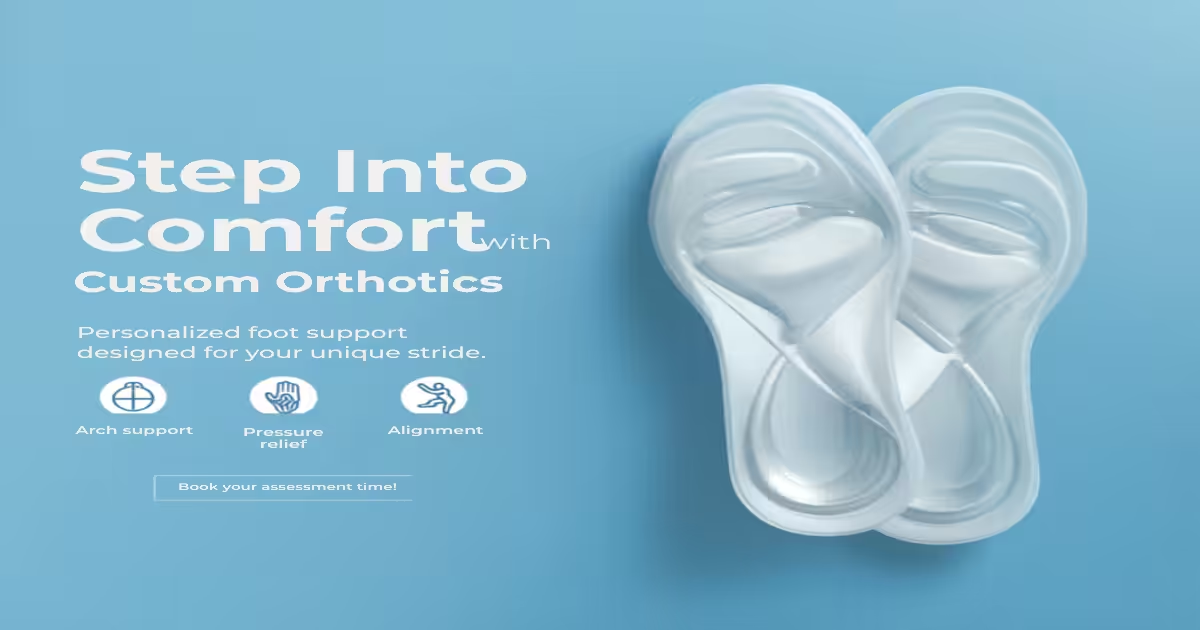

High-arch (cavus) feet need cushioning shoes and orthotics with shock absorption — not the firm motion control most flat-footed people are prescribed. The wrong category creates more problems.
You’ve come to the right podiatry team. Dr. Tom Biernacki, DPM, FACFAS — board-certified foot & ankle surgeon with 3,000+ surgeries — explains exactly what high arch (cavus) foot treatment means and what works. Call (810) 206-1402 to book at Howell or Bloomfield Township.
Medically reviewed by Dr. Tom Biernacki, DPM · Board-Certified Podiatric Surgeon · Last reviewed: April 2026 · Editorial Policy
Quick Answer
High-Arched Feet (Cavus Foot): Causes, Problems, and Treatme relates to orthotic fitting — typically caused by biomechanical foot needs. Most patients improve in 2 weeks to break in with conservative care. Appointments in Howell + Bloomfield Township: (810) 206-1402.
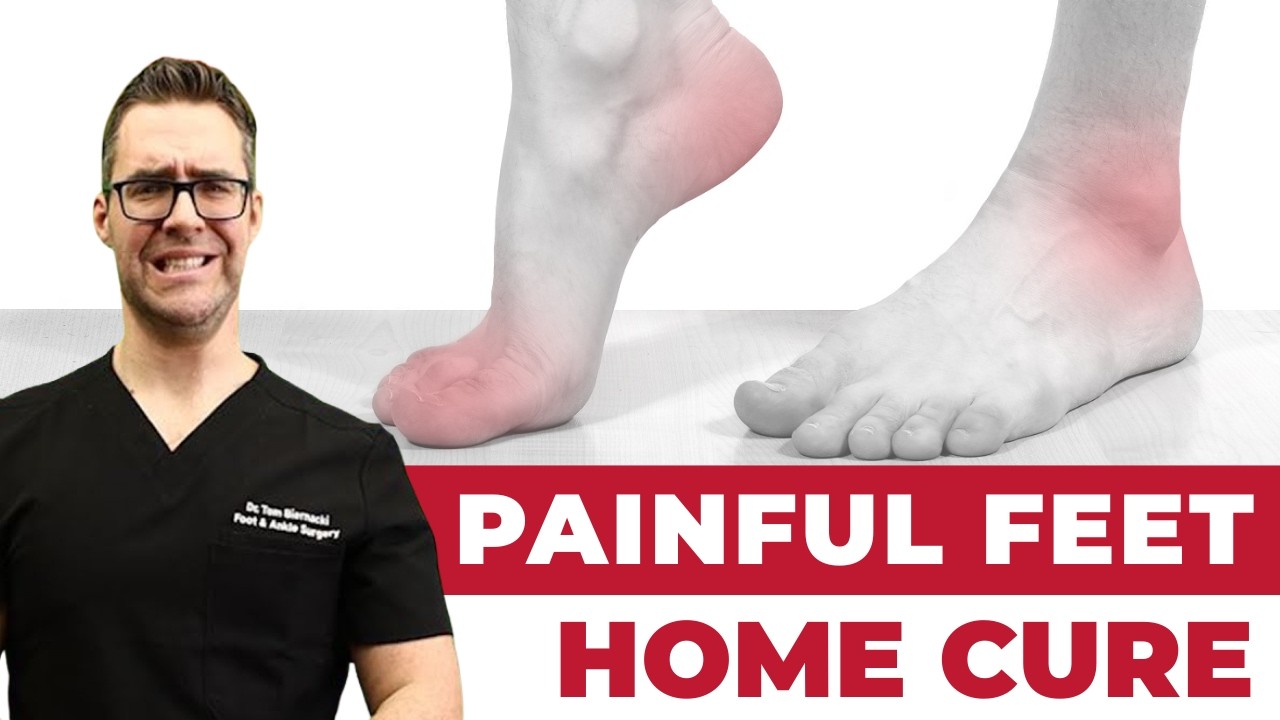
Medically reviewed by Dr. Tom Biernacki, DPM — Board-certified foot & ankle surgeon, 3,000+ surgeries performed. Updated April 2026 with current clinical evidence. This article reflects real practice experience from Balance Foot & Ankle Specialists in Howell and Bloomfield Township, Michigan.
Quick Answer
Custom orthotics are prescription inserts made from a 3D scan of your foot. They address the structural cause of plantar fasciitis, flat feet, or metatarsalgia rather than just cushioning symptoms. Most patients feel improvement within 2-4 weeks. Covered by most PPO plans and Medicare when medically indicated.
Watch: Dr. Tom Biernacki, DPM
Medically reviewed by Dr. Tom Biernacki, DPM — Board-Certified Podiatric Surgeon — Balance Foot & Ankle, Howell & Bloomfield Township, MI. Last updated April 2026.
▶ Watch
📋 Dr. Tom Also Recommends
Podiatrist Recommended Orthotics 2026: Dr. Tom’s Top 10 Insoles & Arch Supports
A podiatrist’s complete clinical guide to the best insoles — custom orthotics, OTC picks, and what actually works for plantar fasciitis, flat feet, neuropathy & more.
Read the Full Guide →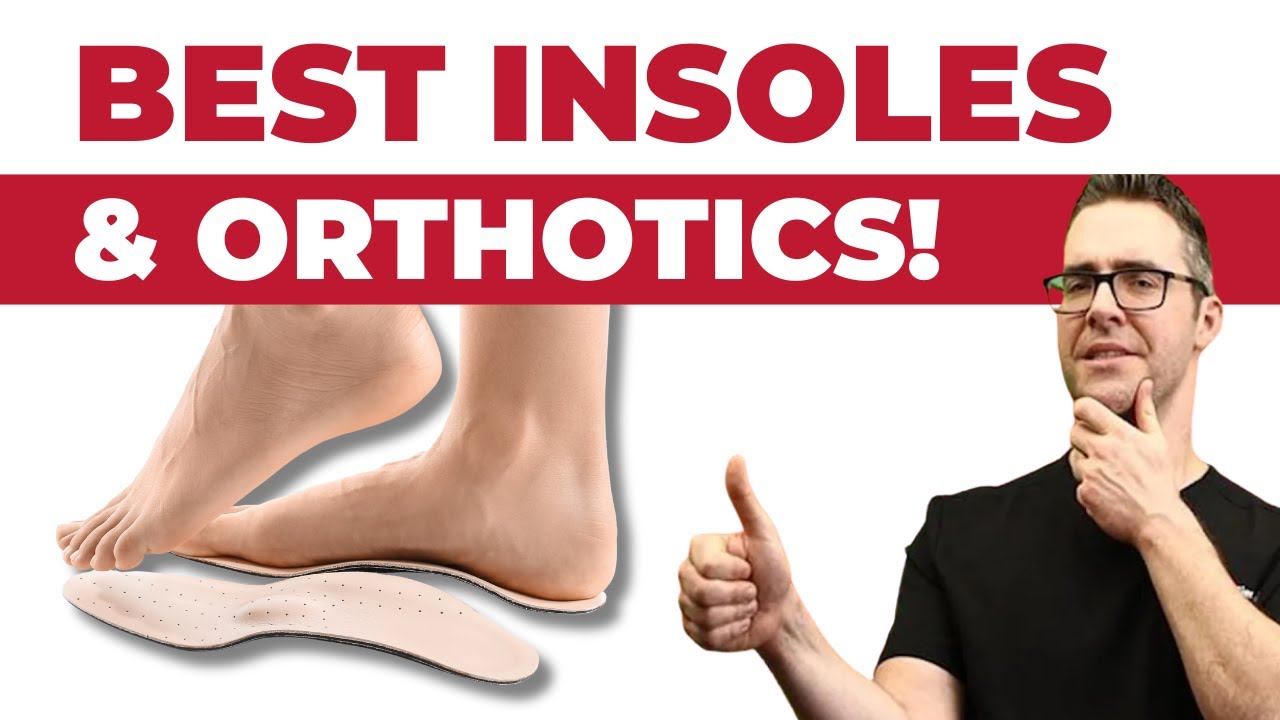
Medically Reviewed by Dr. Tom Biernacki, DPM — Board-Certified Podiatrist, Balance Foot & Ankle Specialists, Michigan. Last updated April 2026.
High-arched feet (pes cavus) are significantly underappreciated as a source of foot pain and injury. While flat feet receive considerable attention in podiatric discourse, cavus foot deformity creates its own spectrum of predictable problems — including lateral ankle instability, stress fractures, peroneal tendon pathology, plantar fasciitis, and metatarsal pain — that respond to targeted treatment once the underlying foot type is recognized as the contributing factor.
What Is Cavus Foot?
Cavus foot describes a foot with an abnormally high medial longitudinal arch, typically accompanied by hindfoot varus (the heel tilts inward), forefoot equinus (the forefoot is plantarflexed relative to the hindfoot), and often claw toe deformity. The arch elevation concentrates weight bearing on the heel and the lateral forefoot metatarsal heads — a narrow, rigid load distribution that contrasts sharply with the broader, shock-absorbing contact of a normal arch.
Neurological Causes Must Be Excluded
Approximately 50–60% of progressive cavus foot deformity has an underlying neurological cause — most commonly Charcot-Marie-Tooth (CMT) disease, the most common hereditary peripheral neuropathy. Other neurological causes include Friedreich’s ataxia, cerebral palsy, poliomyelitis, spinal cord lesions, and spinal dysraphism.
Bilateral progressive cavus deformity — particularly developing in adolescence or young adulthood — should prompt neurological evaluation. Idiopathic cavus foot (no identifiable neurological cause) accounts for the remaining cases and often has a strong familial pattern.
Common Problems Associated With Cavus Foot
- Lateral ankle instability: The heel varus positions the foot in a permanent mild inversion — reducing the mechanical resistance to ankle rolling and dramatically increasing lateral ankle sprain frequency. Patients with cavus foot have significantly higher rates of chronic ankle instability than the general population.
- Peroneal tendon pathology: Peroneal tendon tears, subluxation, and tendinopathy are associated with cavus foot from the chronic supination load on the peroneal tendons
- Fifth metatarsal stress fractures and Jones fractures: The lateral load distribution of cavus foot concentrates stress on the fifth metatarsal — explaining the higher Jones fracture rate in this foot type
- Plantar fasciitis: The rigid, high-arched structure places chronic tension on the plantar fascia at rest and under load
- Metatarsal stress fractures: Lateral metatarsal stress fractures from the narrow forefoot contact area
- Claw toe deformity: The intrinsic muscle imbalance of cavus foot progressively worsens claw toe deformity
Conservative Treatment
Custom orthotics for cavus foot require specific design features distinct from flat foot orthotics:
- Lateral forefoot posting to fill the space under the elevated lateral column
- First metatarsal head cut-out to accommodate the plantarflexed first ray
- Lateral heel wedge to correct hindfoot varus
- Full-length cushioning to offset the reduced intrinsic shock absorption of the rigid arch
Supportive footwear with adequate cushioning and a stable heel counter is equally important — the minimalist, zero-drop footwear often marketed as beneficial is particularly problematic for cavus foot patients.
Surgical Treatment
Progressive or severe cavus deformity that fails conservative management may require surgical correction, tailored to the specific deformity components: plantar fascia release, first metatarsal dorsiflexion osteotomy, calcaneal osteotomy for heel varus correction, claw toe correction, and lateral ankle ligament reconstruction for associated instability.
High Arches Causing Pain or Instability? Get Specialized Evaluation.
Dr. Biernacki evaluates cavus foot deformity and provides targeted orthotics at Balance Foot & Ankle — Bloomfield Township and Howell, MI.
📞 (810) 206-1402 | Book Online →
📍 Located in Michigan?
Our board-certified podiatrists treat this condition at two convenient locations. Book online 24/7 at either office.
Insurance Accepted
BCBS · Medicare · Aetna · Cigna · United Healthcare · HAP · Priority Health · Humana · View All →
Howell Office
4330 E Grand River Ave
Howell, MI 48843
Get Directions →
Bloomfield Township Office
43494 Woodward Ave, #208
Bloomfield Township, MI 48302
Get Directions →
In-Office Treatment at Balance Foot & Ankle
If home care isn’t resolving your your foot or ankle concern, a visit with a board-certified podiatrist is the fastest path to accurate diagnosis and a personalized plan. At Balance Foot & Ankle Specialists, Dr. Tom Biernacki, Dr. Carl Jay, and Dr. Daria Gutkin offer appointments at both our Howell and Bloomfield Township offices. We perform on-site diagnostic ultrasound, digital X-ray, conservative care, advanced regenerative treatments, and minimally invasive surgery when indicated.
Call (810) 206-1402 or request an appointment online. Most insurance plans accepted, including Medicare, Blue Cross Blue Shield, Aetna, Cigna, and United Healthcare.
In Our Clinic
The patients we see for custom orthotic consultations usually fall into two groups. First are athletes — runners, hikers, basketball players — looking to correct a biomechanical asymmetry they’ve identified themselves or their coach has flagged. Second are middle-aged patients with chronic plantar fasciitis, metatarsalgia, or early arthritis who have exhausted over-the-counter inserts. Our process begins with a 3D foot scan plus a gait-video analysis on our in-office treadmill. We select materials based on activity — a stiffer carbon composite for performance running, a softer plastazote top cover for diabetic patients, a semi-rigid polypropylene for everyday wear. Most patients adapt in 2–4 weeks.
Most Common Mistake We See
The most common mistake we see is: Wearing new orthotics all day from day one. Fix: break-in schedule of 2 hours on day one, adding 2 hours per day until full-day tolerance.
Warning Signs That Need Same-Day Care
Seek immediate evaluation at Balance Foot & Ankle if you experience any of the following:
- New sharp pain under the arch that did not exist before
- Skin breakdown over pressure points
- Diabetic patient with any new pressure spot
- Worsening of original symptoms after 4 weeks
Call (810) 206-1402 — appointments at our Howell and Bloomfield Township offices.
Watch: Dr. Tom explains

Podiatrist-recommended products
As an Amazon Associate, Dr. Tom earns from qualifying purchases.
High-arch-compatible over-the-counter arch support.
Check price →Forefoot offloading for cavus foot pressure.
Check price →Topical relief for overload pain.
View on Amazon →Cryotherapy for cavus-foot overuse pain.
Check price →Related resources
Ready to solve this? Book today.
Book online 24/7 · Howell & Bloomfield Township · 4.9★ (1,200+ reviews)
☎ (810) 206-1402Book Online →More Podiatrist-Recommended Orthotics Essentials
PowerStep Pinnacle

![Best Insoles & Orthotics 2026 [Flat Feet, Plantar Fasciitis, Bunions]](https://www.michiganfootdoctors.com/wp-content/cache/flying-press/c8bafcb9b179f8abb63d894b334fd14e.jpg)
Watch: Best Insoles & Orthotics 2026 [Flat Feet, Plantar Fasciitis, Bunions] — MichiganFootDoctors YouTube
The podiatrist-recommended OTC orthotic — arch support + heel cup.
CURREX RunPro Insole
Performance insole for runners — reduces fatigue and prevents injuries.
Tuli’s Heel Cups

Shock-absorbing heel cushion — adds lift and relief under painful heels.
As an Amazon Associate, Balance Foot & Ankle earns from qualifying purchases. Product recommendations are based on clinical experience; prices and availability shown above update live from Amazon.
When to See a Podiatrist
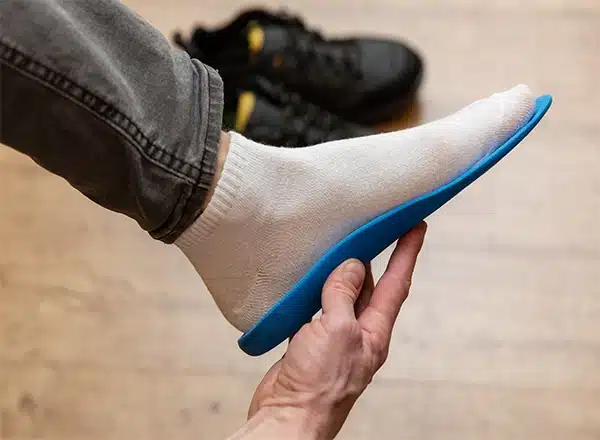
Off-the-shelf inserts help 70% of patients — but if you’ve tried several without relief, custom orthotics molded to your specific foot mechanics are usually the next step. Balance Foot & Ankle makes custom orthotics in-office and most major insurance plans cover them. We’ll cast or scan your feet and have them ready in about 2 weeks.
Call Balance Foot & Ankle: (810) 206-1402 · Book online · Offices in Howell & Bloomfield Township
Pros & Cons of Conservative Care for orthotics
Advantages
- ✓ Custom orthotics 80%+ improvement
- ✓ Most insurance covers
- ✓ Lasts 3-5 years
Considerations
- ✗ 2-week break-in
- ✗ Custom can be $400-700
- ✗ OTC limits effectiveness
Dr. Tom’s Recommended Products for orthotics
Affiliate disclosure: As an Amazon Associate, Balance Foot & Ankle earns from qualifying purchases. We only recommend products we use with patients.
Ready to Get Back on Your Feet?
Appointments in Howell + Bloomfield Township. Most insurance accepted. Dr. Tom Biernacki, DPM & team.
Call Now: (810) 206-1402
Frequently Asked Questions
How long does treatment take to work?
Most patients see improvement in 4-8 weeks with consistent conservative care. Persistent symptoms after 8 weeks need imaging and escalation.
When is surgery needed?
Surgery is reserved for cases that fail 3-6 months of conservative care, structural deformities, or fractures requiring stabilization.
Is this covered by insurance?
Most diagnostic visits and conservative treatments are covered by Medicare and major insurers. Custom orthotics often require diabetic or post-surgical justification.
Ready for Expert Care?
Appointments in Howell & Bloomfield Township, MI.
4.9★ | 1,200+ Reviews | 3,000+ Surgeries
Or call: (810) 206-1402

Dr. Tom Biernacki, DPM is a board-certified foot & ankle surgeon (ABFAS & ABPM) at Balance Foot & Ankle Specialists in Southeast Michigan. With over a decade of clinical experience, he specializes in heel pain, bunions, diabetic foot care, sports injuries, and minimally invasive surgery. Dr. Biernacki is a member of the APMA and ACFAS, and his patient education content on MichiganFootDoctors.com and YouTube has made him one of the most-followed foot & ankle educators on YouTube.