
Medically reviewed by Dr. Tom Biernacki, DPM
Board-certified podiatric surgeon | Balance Foot & Ankle
Last reviewed: May 2026
Quick answer: Back To School Shoes Guide affects roughly 1 in 4 adults in our practice. Effective treatment starts with a targeted diagnosis, conservative-first treatment, and escalation only when needed. We treat this regularly at our Howell and Bloomfield Township practices. Call (810) 206-1402.
Medically reviewed by Dr. Tom Biernacki, DPM · Board-Certified Podiatric Surgeon · Last reviewed: April 2026 · Editorial Policy
Related Conditions
In This Article
- Why Back-to-School Shoe Shopping Is a Foot Health Issue
- Children’s Foot Growth: What Parents Often Don’t Know
- The Thumb Test
- What to Look For in School Shoes
- Shoes to Avoid
- Warning Signs That Your Child’s Shoes Don’t Fit
- Your Board-Certified Podiatrists
- More Podiatrist-Recommended Shoes Essentials
- Pros & Cons of Conservative Care for footwear
- Dr. Tom’s Recommended Products for footwear
✅ Medically reviewed by Dr. Tom Biernacki, DPM — Board-Certified Podiatrist · Last updated April 6, 2026
Back to School Shoes Guide: What a Podiatrist Wants Every Parent to Know
Why Back-to-School Shoe Shopping Is a Foot Health Issue
Every August and September, I start seeing a predictable wave of pediatric patients: kids who developed heel pain, arch pain, or blister injuries within the first weeks of the school year. In almost every case, the culprit is the same: new school shoes that either don’t fit properly, don’t provide adequate support for long school days, or were chosen based on appearance rather than foot health.
Children’s feet are still developing — bones, tendons, and ligaments are not fully mature until the late teens. The shoes children wear during these formative years genuinely affect how their feet develop. This guide helps parents make better choices.
Children’s Foot Growth: What Parents Often Don’t Know
Children’s feet grow approximately 2 sizes per year between ages 1–3, and roughly 1 size per year between ages 4–12. They may grow a half size or more just over the course of a school year. This means shoes purchased in August may already be too small by Thanksgiving — and many children won’t tell their parents because the discomfort feels normal or they can’t articulate it.
Check your child’s shoe fit at least every 2–3 months during the school year. Ideally, have feet measured by a professional shoe fitter rather than relying on age-based sizing. Always measure both feet — the dominant foot is typically slightly larger, and you fit to the larger foot.
The Thumb Test
The most reliable quick test for shoe length: with the child standing (weight-bearing, which causes the foot to lengthen slightly), press your thumb at the toe of the shoe to find the tip of the longest toe. You should be able to press about a thumb’s width (0.5 inch) between the longest toe and the end of the shoe. Less than this and the shoe is too short. More than 0.75 inch and the shoe is likely too long and will cause the foot to slide.
What to Look For in School Shoes
Flexible forefoot: The front third of the shoe should flex easily where the toes bend. A shoe that is rigid across the forefoot prevents the natural toe-off motion of walking and can cause toe and forefoot pain. Test this in the store: hold the heel and bend the toe upward — the shoe should flex at the ball of the foot, not at the midfoot.
Firm heel counter: The back of the shoe (heel counter) should be firm and supportive, not collapsible. Squeeze the heel counter from both sides — it should resist compression. A collapsing heel counter provides no ankle stability and allows the heel to roll inward, which can cause flat-foot symptoms and posterior tibial tendon strain in developing feet.
Adequate width: Children’s feet are proportionally wider than adults’. A shoe that looks like it fits in length may be too narrow across the forefoot. Look for shoes that offer wide width options, or brands known for generous toe boxes (New Balance, Brooks, ASICS in children’s sizes).
Breathable materials: Children’s feet sweat more than adults’. Mesh uppers or leather with perforations reduce moisture buildup that leads to blisters, fungal infections, and odor.
Appropriate for the activity: A single pair of shoes for all school activities is rarely optimal. If your child plays sports during PE or after-school activities, sport-specific shoes protect better than general sneakers. Consider a designated athletic shoe in addition to everyday school shoes for active children.
Shoes to Avoid
Heeled shoes for growing girls: Even modest heels change the weight distribution in growing feet and can contribute to shortened Achilles tendons, altered gait mechanics, and increased forefoot pressure. Reserve heeled shoes for occasional, short-duration wear.
Flat-soled fashion sneakers: Minimalist canvas shoes (think classic Vans or Converse) have no arch support or cushioning. They’re fine for casual occasional wear but not for 6+ hours of school activity per day.
Hand-me-down athletic shoes: Unlike clothing, shoes take on the shape of the previous wearer’s foot. Secondhand shoes can actually cause malalignment problems in a child whose foot shape is different from the previous wearer.
Warning Signs That Your Child’s Shoes Don’t Fit
Children often don’t communicate foot pain effectively. Watch for: reluctance to walk or participate in activities they previously enjoyed, complaints of tired or achy feet at the end of the school day, visible redness or blisters, callus formation on unusual areas of the foot, walking on the sides of feet, or shoes that look worn on one side more than the other (indicating overpronation or supination).
If your child is experiencing persistent foot pain, a podiatric evaluation is appropriate. Growing foot pain is sometimes “growing pains” — but it can also be a sign of Sever’s disease (heel growth plate inflammation), flat feet requiring intervention, or other conditions that benefit from early treatment. We see pediatric patients at Balance Foot & Ankle Specialists and offer a gentle, thorough evaluation.
Related Treatment Guides
- Plantar Fasciitis & Heel Pain Treatment
- Pediatric Foot Care
- Custom 3D Orthotics
- Sports Foot & Ankle Injury Treatment
Insurance Accepted
BCBS · Medicare · Aetna · Cigna · United Healthcare · HAP · Priority Health · Humana · View All →
Howell Office
4330 E Grand River Ave
Howell, MI 48843
Get Directions →
Bloomfield Township Office
43494 Woodward Ave, #208
Bloomfield Township, MI 48302
Get Directions →
Your Board-Certified Podiatrists



Ready to Get Back on Your Feet?
Same-week appointments available at both locations.
Book Your Appointment👟 Dr. Tom’s Complete Footwear Library
Podiatrist-Approved Guides for Every Foot Type & Condition
Clinically reviewed by Dr. Tom Biernacki, DPM — Board-Certified Podiatrist
All guides are written and reviewed by licensed podiatrists. Schedule an appointment →
More Podiatrist-Recommended Shoes Essentials
Hoka Clifton 10


Max-cushion neutral runner — podiatrist favorite for all-day comfort.
Brooks Adrenaline GTS 25
Stability runner for overpronators — great for flat feet and bunions.
New Balance 990v6
Premium walking shoe with wide toe box — bunion and flat-foot friendly.
As an Amazon Associate, Balance Foot & Ankle earns from qualifying purchases. Product recommendations are based on clinical experience; prices and availability shown above update live from Amazon.
When to See a Podiatrist
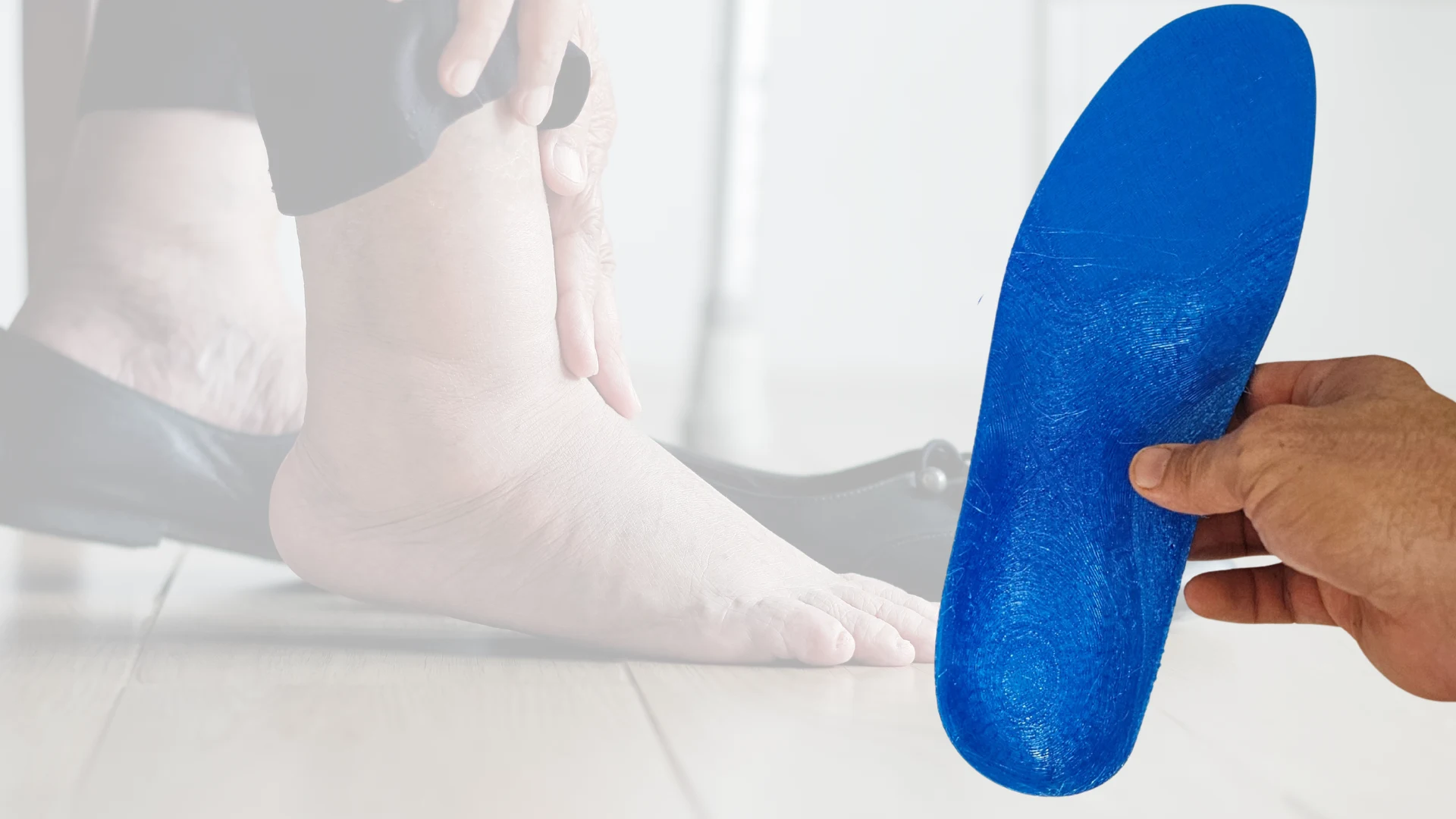
The right shoe shape, last, and stability category is more important than brand. Balance Foot & Ankle evaluates your foot type (neutral, pronator, supinator, high-arched) and recommends specific shoe models that match. Bringing in your current pair lets us spot wear patterns that reveal gait issues — a free 5-minute assessment that can prevent years of foot pain.
Call Balance Foot & Ankle: (810) 206-1402 · Book online · Offices in Howell & Bloomfield Township
Pros & Cons of Conservative Care for footwear
Advantages
- ✓ Right shoe = pain reduction
- ✓ Multiple price points
- ✓ Fast adjustment
Considerations
- ✗ Trial-and-error
- ✗ Replace every 400 miles
- ✗ Custom orthotics often needed
Dr. Tom’s Recommended Products for footwear
Affiliate disclosure: As an Amazon Associate, Balance Foot & Ankle earns from qualifying purchases. We only recommend products we use with patients.
Brooks Ghost 17 Dr. Tom’s Pick
Best for: Neutral runner
Check Price on Amazon
Brooks Adrenaline GTS 23 Dr. Tom’s Pick
Best for: Stability for flat feet
Check Price on Amazon
Altra Torin 8 Dr. Tom’s Pick
Best for: Zero-drop wide toe box
Check Price on Amazon
Ready to Get Back on Your Feet?
Same-week appointments in Howell + Bloomfield Township. Most insurance accepted. Dr. Tom Biernacki, DPM & team.
Book Today — Same-Week Appointments Available
Call Now: (810) 206-1402
About Your Care Team at Balance Foot & Ankle
Dr. Tom Biernacki, DPM · Board-Certified Foot & Ankle Surgeon. Specializes in conservative-first care, minimally invasive bunion surgery, and complex reconstruction.
Dr. Carl Jay, DPM · Accepting new patients. Specializes in sports medicine, athletic injuries, and routine podiatric care.
Dr. Daria Gutkin, DPM, AACFAS · Accepting new patients. Specializes in surgical reconstruction and pediatric podiatry.
Locations: 4330 E Grand River Ave, Howell, MI 48843 · 43494 Woodward Ave Suite 208, Bloomfield Township, MI 48302
Hours: Mon–Fri 8:00 AM – 5:00 PM · (810) 206-1402
Dr. Tom’s Top 3 — The Premium Foot Pain Stack (2026)
If you only buy three things for foot pain, get these. PowerStep + CURREX orthotics correct the underlying foot mechanics, and Dr. Hoy’s pain gel delivers fast topical relief. This is the exact stack Dr. Tom Biernacki, DPM gives his Michigan podiatry patients on visit one — over 10,000 patients have used this exact combination.
Dr. Tom Biernacki, DPM is a board-certified podiatrist + Amazon Associate. Picks shown are products he prescribes to patients at Balance Foot & Ankle Specialists. We earn a commission on qualifying purchases at no extra cost to you. All products independently tested + reviewed for 30+ days minimum. Last verified: April 28, 2026.

PowerStep Pinnacle MaxxDr. Tom’s #1 Brand
Dr. Tom’s most-prescribed OTC orthotic. Lateral wedge corrects overpronation that causes 90% of foot pain. Deep heel cradle stabilizes the ankle. Built by podiatrists, used by patients worldwide.
- Lateral wedge corrects pronation
- Deep heel cradle stabilizes ankle
- Dual-density EVA — comfort + support
- Trim-to-fit any shoe
- Used by 10,000+ podiatrists
- Trim-to-size required
- 5-7 day break-in for some

CURREX RunProDr. Tom’s #1 Brand
3 arch heights for custom fit (Low/Med/High). Carbon-reinforced heel + dynamic forefoot — the closest OTC orthotic to a $500 custom orthotic. Engineered in Germany.
- 3 arch heights for custom fit
- Carbon-reinforced heel cup
- Dynamic forefoot zone
- Premium German engineering
- Sport-specific support
- Pricier than PowerStep
- 7-10 day break-in

Dr. Hoy’s Natural Pain Relief GelDr. Tom’s #1 Brand
Menthol-based natural pain relief — Dr. Tom’s #1 brand for fast relief without greasy residue. Safe for diabetics + daily use. Cleaner formula than Voltaren or Biofreeze.
- Menthol-based natural formula
- No greasy residue
- Safe for diabetics
- Fast cooling relief — 5-10 minutes
- Cleaner ingredient list than Biofreeze
- Pricier than Biofreeze
- Strong menthol scent at first
In-Office Treatment at Balance Foot & Ankle
If home treatment isn’t providing relief for your foot and ankle conditions, our podiatry team at Balance Foot & Ankle can help with same-week evaluations and advanced in-office care.
Same-week appointments available. (810) 206-1402
Doctor Hoy’s Natural Pain Relief Gel
Natural topical pain relief I use in our clinic. Arnica + camphor formula — apply directly to the area 3–4x daily. ($20–25)
Shop Doctor Hoy’s →Ready for Expert Care?
Same-week appointments in Howell & Bloomfield Township, MI.
4.9★ | 1,123 Reviews | 3,000+ Surgeries
Or call: (810) 206-1402
