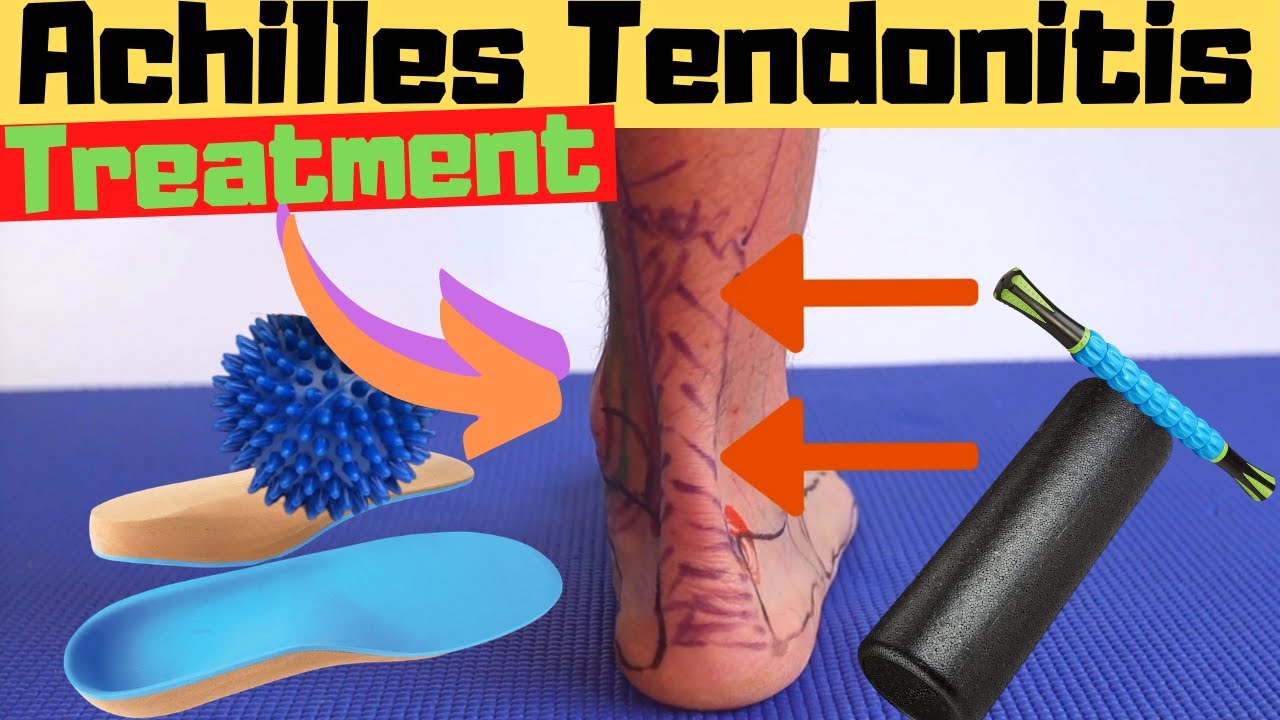
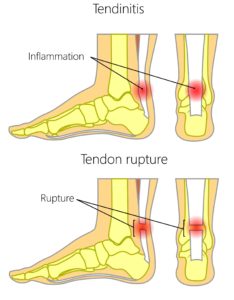
Medically Reviewed by:Dr. Thomas Biernacki, DPM — Board-Certified Podiatrist Last Updated: March 2026 | Reading Time: 14 min This article is for informational purposes only and does not replace professional medical advice. Schedule an appointment for personalized care.
Watch Dr. Tom Explain Achilles Tendonitis Shoes
Watch Dr. Tom explain what to look for in shoes for Achilles tendonitis:
The best shoes for Achilles tendonitis have a heel drop of 10–12 mm, firm heel counters, and cushioned midsoles that reduce strain on the tendon. board-qualified podiatrist picks include the Brooks Ghost 16, ASICS Gel-Kayano 31, and New Balance Fresh Foam 1080v14. Avoid flat shoes and minimalist footwear until symptoms fully resolve. A temporary heel lift insert can provide additional relief during the acute phase.
Medically Reviewed by Dr. Tomasz Biernacki, DPM · Board-Qualified Podiatrist · Balance Foot & Ankle Specialists, Howell & Bloomfield Hills, MI · Last updated March 2026
Support Your Achilles with the Right Shoes.
Best Shoes For Achilles Tendonitis Shoes, Slippers & Sandals!
Do you have Achilles tendonitis or back of the heel pain? We go over the BEST shoes for Achilles Tendonitis as well as slippers & Sandals.
Look!
Do you have Achilles tendonitis or back of the heel pain?
We go over the board-qualified podiatrist recommended shoes for Achilles tendonitis!
So Let’s GO!
https://youtu.be/Y1sMEi7LNuA
Looking for the Best Shoes for Achilles Tendonitis? Start Here.
Achilles tendonitis can make every step painful—but the right footwear can make a big difference. Whether you’re recovering from an injury or managing chronic tendon pain, choosing the best shoes for Achilles tendonitis can reduce strain, support healing, and keep you moving comfortably. Let’s walk through what to look for and which shoes podiatrists recommend.
What Makes a Shoe Good for Achilles Tendonitis?
The right shoes can ease pressure on your Achilles tendon and help prevent further irritation. When shopping for Achilles-friendly shoes, look for these features:
Cushioned Midsoles: Absorb shock and protect against overuse.
Arch Support: Prevents excessive stretching of the tendon.
Rigid Heel Counter: Provides stability and minimizes heel movement.
Proper Fit: A secure fit avoids unnecessary stress from loose or tight shoes.
Running shoes, walking shoes, and even orthopedic inserts can be part of a good recovery plan—especially when recommended by a foot specialist.
Need Help Choosing Achilles-Friendly Shoes?
The wrong shoes can slow down healing—or make your pain worse. If you’re dealing with Achilles tendonitis, book a visit with a podiatrist who can evaluate your gait, recommend the right footwear, and create a custom recovery plan.
Serving patients in Michigan: Bloomfield Hills, and Howell.
When it comes to managing foot pain from conditions like plantar fasciitis, flat feet, or diabetic neuropathy, the best orthotics can offer crucial support and relief.
Choosing the best shoes for foot conditions like neuropathy, plantar fasciitis, or flat feet is essential for pain relief and long-term foot health.
Best Men’s Shoes for Achilles Tendonitis:
We go over the best shoes for Achilles tendonitis, back of the heel pain or back of the heel spur pain!
Great components of a men’s shoe for Achilles tendonitis is a slight heel lift in the 8-12mm range as well as a deep heel cup that holds the foot stable and comfortable.
We look at great and supportive shoes that can continue providing foot pain relief.
We love shoes that are able to fit a good supportive orthotic.
📍 Located in Michigan?
Our board-certified podiatrists treat this condition at two convenient locations. Same-day appointments often available.
Our podiatrists and foot doctors go over the BEST women’s shoes for Achilles tendonitis and back of the heel pain.
Features to look at here are a deep heel cup, a slight heel cup raise in the 8-12 mm range.
Another thing to think about is getting pressure off of your Achilles tendon through stretching, exercises and gradually keeping stress and tenderness off of the site.
Best Women's Running Shoes:
Great Zero Drop Maximalist Shoe
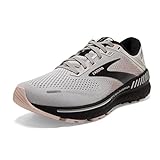
Brooks Ghost: Best overall women's neutral shoe.
Brooks GTS: Best Women's Supportive Shoe
Title:
ALTRA Women's ALW1959F Olympus 3.5 Trail Running Shoe, Blue/Green - 5.5 M US
When dealing with Achilles tendonitis, the right footwear can significantly reduce pain and prevent further injury. Not all shoes are created equal—certain features are especially important for easing strain on the tendon and promoting healing. Here’s what to look for when choosing Achilles-friendly shoes:
1. Heel Support
Shoes with a slightly elevated heel (also called heel drop) help take tension off the Achilles tendon, especially during walking or running.
2. Cushioned Midsoles
Good shock absorption helps reduce the impact on your heel and lower leg, which can protect the tendon from overuse and irritation.
3. Arch Support
Proper arch support stabilizes your foot’s alignment and prevents overpronation or excessive stretching of the tendon.
4. Rigid Heel Counter
A firm heel cup (heel counter) keeps your foot securely in place, limiting excess movement that could strain the Achilles area.
5. Proper Fit
Shoes that are too loose or too tight can increase friction and pressure on the tendon. A snug, supportive fit is key for comfort and function.
Choosing the right shoe can make a major difference in your recovery and comfort. If in doubt, consult with a podiatrist to find the best fit for your specific foot shape and condition.
Book Your Appointment Today—Relief Starts with One Call
Fast, Friendly, and Professional Treatment You Can Trust
Flat shoes with no heel support, flip-flops, unsupportive sandals, and minimalist shoes can increase strain on the Achilles tendon and should generally be avoided during recovery.
It’s best to wear supportive shoes consistently until your symptoms fully resolve. Even after recovery, continuing to wear properly cushioned and supportive shoes can help prevent re-injury.
Frequently Asked Questions About Achilles Tendonitis Shoes
What type of shoes are best for Achilles tendonitis?
Shoes with a slight heel-to-toe drop (8–12mm), firm heel counter, and cushioned midsole work best for Achilles tendonitis. This combination reduces strain on the Achilles tendon by slightly elevating the heel while providing shock absorption during walking and standing.
Should I wear flat shoes or heeled shoes with Achilles tendonitis?
Avoid completely flat shoes (zero-drop) when you have Achilles tendonitis. A modest heel elevation of 8–12mm reduces tension on the tendon. However, avoid high heels above 2 inches, which can shorten the tendon over time and worsen the condition.
Can the wrong shoes cause Achilles tendonitis?
Yes. Worn-out shoes lacking cushioning, shoes with no arch support, and rigid shoes that don’t flex properly can all contribute to Achilles tendonitis. Switching to supportive footwear is often one of the first treatment recommendations podiatrists make.
How long should I wear supportive shoes for Achilles tendonitis?
You should wear supportive shoes throughout your recovery period, which typically lasts 3–6 months. Even after symptoms resolve, continuing to wear properly supportive footwear helps prevent recurrence. Replace running or walking shoes every 300–500 miles.
Are custom orthotics better than supportive shoes for Achilles tendonitis?
Custom orthotics and supportive shoes work best together. Orthotics correct biomechanical issues like overpronation that contribute to Achilles tendonitis, while supportive shoes provide the cushioning and heel drop needed to reduce tendon strain. A podiatrist can determine if you need orthotics in addition to proper footwear.
In-Office Treatment at Balance Foot & Ankle
For Achilles tendonitis that doesn’t respond to footwear changes, our clinic offers custom orthotics with heel lifts, MLS laser therapy, and evaluation for tears.
Dr. Tom Biernacki, DPM is a double board-certified podiatrist and foot & ankle surgeon serving Southeast Michigan at Balance Foot & Ankle Specialists. With over a decade of clinical experience and thousands of surgeries and procedures performed, Dr. Biernacki brings exceptional expertise to every patient interaction.
A Michigan native, Dr. Biernacki earned his undergraduate degree from the University of Memphis and his Doctor of Podiatric Medicine (DPM) from Kent State University College of Podiatric Medicine. He completed a three-year advanced surgical residency in foot and ankle surgery in the Detroit metro area, followed by additional fellowship training in podiatric surgery.
Dr. Biernacki specializes in the treatment of heel pain, bunions, hammertoes, diabetic foot care, sports injuries, flatfoot correction, and minimally invasive foot surgery. He is dedicated to providing evidence-based, patient-centered care that helps people of all ages stay active and pain-free.
Outside the office, Dr. Biernacki is a devoted family man — married for over 15 years and a proud father of four children. He is committed to community education through the MichiganFootDoctors.com resource library and his YouTube channel, which has reached over one million views. Dr. Biernacki is a member of the American Podiatric Medical Association (APMA) and the American College of Foot and Ankle Surgeons (ACFAS).