Expert Foot & Ankle Treatment from Michigan’s #1 Podiatrist - Balance Foot & Ankle Specialist
As Seen on YouTube
Trusted by 1M+ Social Media Followers
Expert Foot & Ankle Treatment from Michigan’s #1 Podiatrist - Balance Foot & Ankle Specialist
Trusted by 1M+ Social Media Followers
That Side Bump Isn’t Just Pressure
Do you have a bump on the middle outside of the foot: Common causes are #1) 5th metatarsal styloid process & #2)Tailor’s bunion 5th MTPJ pain. FIX IT NOW!
A bump on the outer middle side of your foot can be painful, especially when walking or wearing shoes. While some bumps are harmless and due to pressure or friction, others may signal underlying issues like bone growths, cysts, or joint misalignments. Knowing what’s causing the bump is the first step to relieving pain and preventing long-term foot problems.
Several conditions may lead to a bump forming on the outer midfoot. Common causes include:
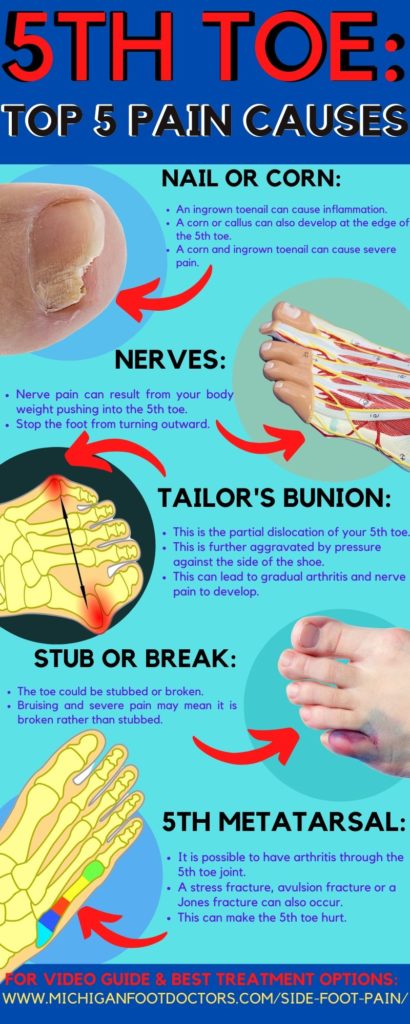
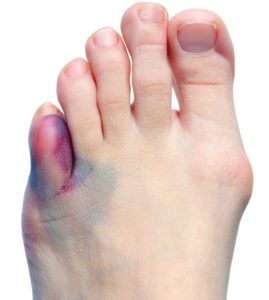
Tailor’s Bunion (Bunionette): A bony bump near the base of the pinky toe due to joint misalignment or pressure.
Ganglion Cyst: A soft, fluid-filled sac that forms near joints or tendons.
Bone Spur: An extra bony growth caused by chronic pressure, arthritis, or overuse.
Lipoma: A benign, soft fatty tumor under the skin.
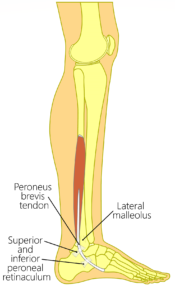
Peroneal Tendonitis: Swelling or irritation of the tendons that run along the outside of the foot.
Accessory Bone (Os Vesalianum): An extra bone that can cause a noticeable bump and discomfort.
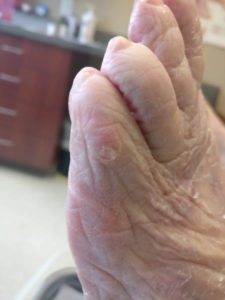
Callus or Corn: Hardened skin caused by friction from footwear.
A proper diagnosis is key to finding the right solution—whether it’s custom footwear, orthotics, or medical intervention.
Outside of the Foot Pain [Lateral Foot Pain]
Whether it’s painful, growing, or just plain uncomfortable, a bump on the outside middle of your foot deserves professional attention. At Balance Foot & Ankle Specialist, we offer expert diagnosis and treatment to get you back on your feet—pain-free and confident.
Proudly serving Bloomfield Hills, and Howell, MI.
Call today or book online for your foot exam with our experienced podiatry team.
Finding the best products for managing peripheral neuropathy and diabetic foot pain can make a world of difference in your daily comfort and mobility.
When it comes to managing foot pain from conditions like plantar fasciitis, flat feet, or diabetic neuropathy, the best orthotics can offer crucial support and relief.
Choosing the best shoes for foot conditions like neuropathy, plantar fasciitis, or flat feet is essential for pain relief and long-term foot health.
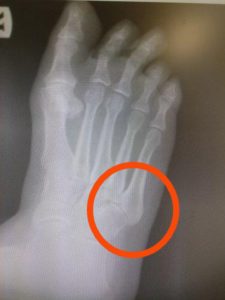
The outside of your foot is a hard rigid beam of bone compared to the inside of the foot.
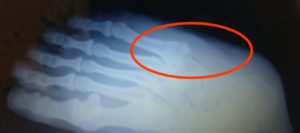
Fifth Metatarsal Styloid Process Pain:


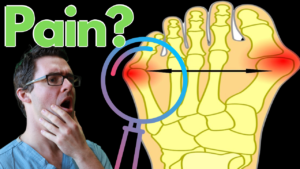
Pinky toe pain is widespread:
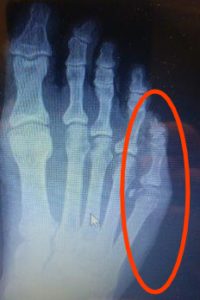


At the front of the foot, you can develop a bunion at the outside of the foot by the base of the toes.

A 5th toe bunion is called a tailor’s bunion or bunionette.
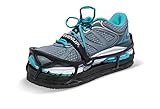
1. Most important is a good shoe & a good insole for your shoe.
2. Gel pad to offload the toe.
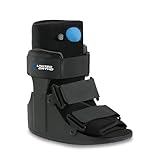
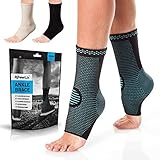
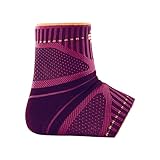
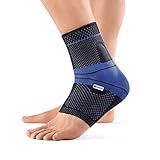
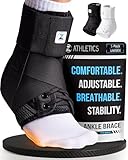
3. Ankle brace for a possible correction.
4. Menthol-based cream for pain relief.
5th Toe Gel Pads:


Topical Pain Relief Creams:



Most Important Tips For Orthotics:
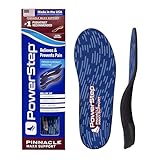
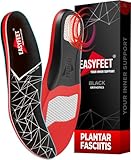
Full-length orthotics give you the most correction and improvement:


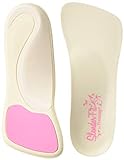
These orthotics are for slimmer shoes without laces:


Dress Shoe orthotics:


Outside of the Foot Pain [Lateral Foot Pain]
While occasional friction bumps or calluses are common, any persistent or painful lump should be evaluated.
Yes. A tailor’s bunion is one of the most common causes of bumps near the pinky toe or outer midfoot.
Most bumps are benign, but a podiatrist can rule out infections, fractures, or growths needing attention.
Absolutely. Tight or narrow footwear can aggravate bone structures and soft tissues, causing bumps to form.
Some minor bumps (like calluses or cysts) may resolve with footwear changes, but others may need treatment.
Diagnosis may involve a physical exam, X-ray, or ultrasound to assess bone structure or soft tissue.
Yes. Orthotics, shoe modifications, physical therapy, or corticosteroid injections are often effective.
Surgery may be recommended for persistent pain, structural deformities, or large growths affecting mobility.
If it’s not painful, you may continue activity—but worsening symptoms should be evaluated.
A podiatrist is the most qualified specialist for diagnosing and treating bumps and conditions of the foot.