


Medicare’s Therapeutic Shoe Program covers one pair of diabetic shoes plus 3 pairs of inserts annually for qualifying patients — and the right pair prevents the foot ulcers that lead to amputations.
You’re in the right place. Dr. Tom Biernacki, DPM, FACFAS — board-certified foot & ankle surgeon with 3,000+ surgeries — explains exactly what the Medicare diabetic footwear program means and what works. Call (810) 206-1402 for same-day appointment at Howell or Bloomfield Hills.
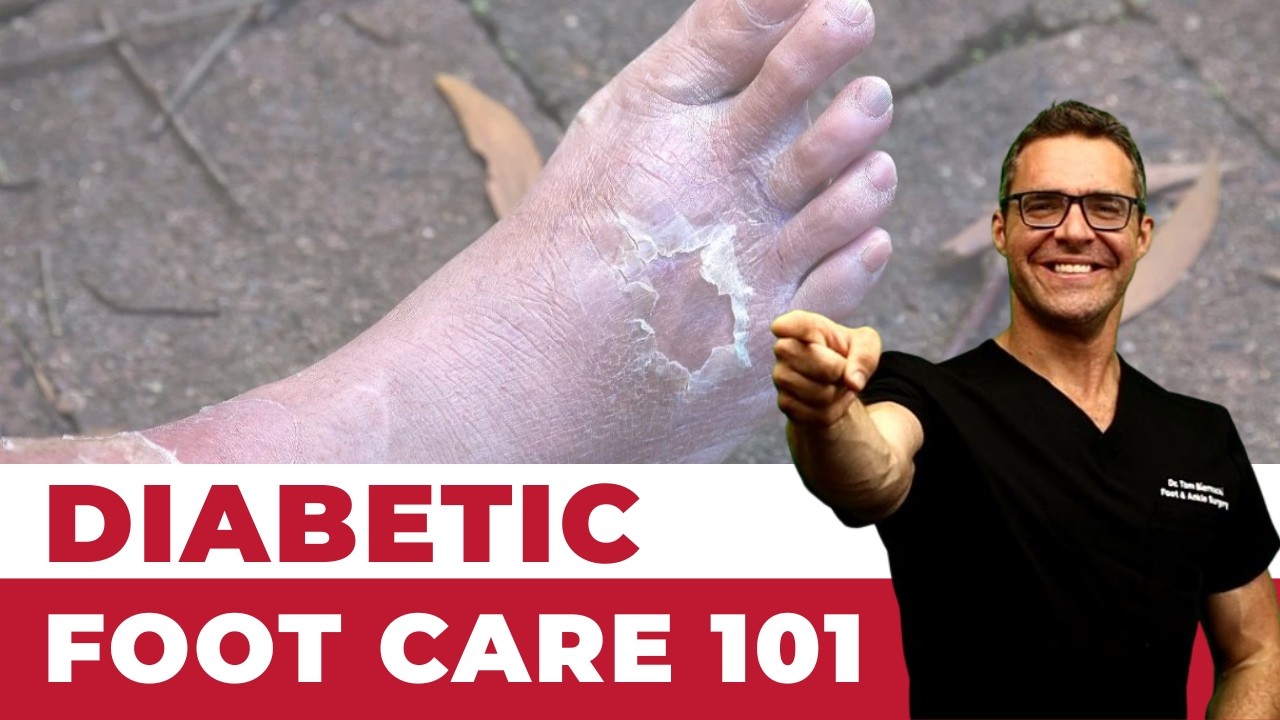
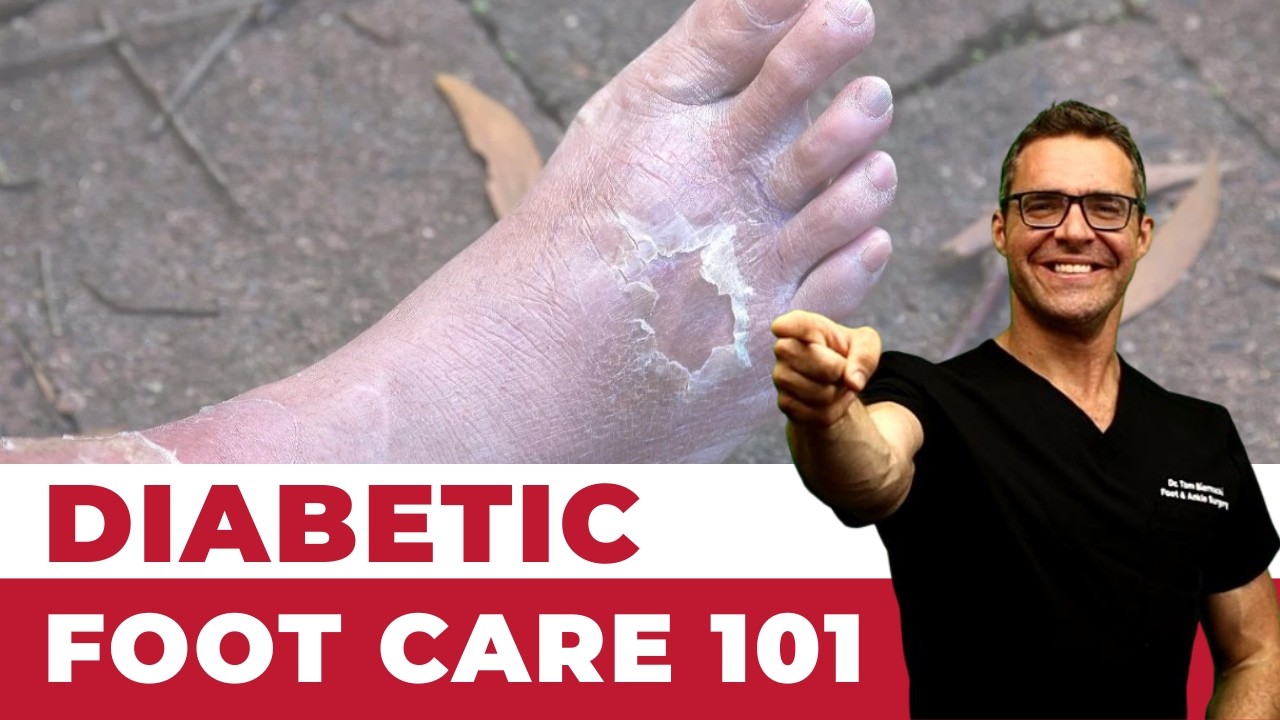
![Diabetes Peripheral Neuropathy Treatment [Diabetic Nerve Pain Remedy]](https://www.michiganfootdoctors.com/wp-content/cache/flying-press/83886306c119511909f4e50d00e25908.jpg)
Watch: Diabetes Peripheral Neuropathy Treatment [Diabetic Nerve Pain Remedy] — MichiganFootDoctors YouTube
Medically reviewed by Dr. Tom Biernacki, DPM — Board-certified foot & ankle surgeon, 3,000+ surgeries performed. Updated April 2026 with current clinical evidence. This article reflects real practice experience from Balance Foot & Ankle Specialists in Howell and Bloomfield Hills, Michigan.
Quick Answer
Diabetic peripheral neuropathy is nerve damage from prolonged hyperglycaemia, causing burning, tingling, numbness, or loss of protective sensation in the feet. It will not reverse without addressing glucose control. Daily foot checks, proper footwear, and annual monofilament testing prevent ulceration.
Watch: Dr. Tom Biernacki, DPM
▶ Watch
📋 Dr. Tom Also Recommends
Podiatrist Recommended Orthotics 2026: Dr. Tom’s Top 10 Insoles & Arch Supports
A podiatrist’s complete clinical guide to the best insoles — custom orthotics, OTC picks, and what actually works for plantar fasciitis, flat feet, neuropathy & more.
Read the Full Guide →The Medicare Diabetic Shoe Program: An Underused Benefit
Medicare Part B covers therapeutic footwear—including shoes and custom-molded inserts—for beneficiaries with diabetes who meet specific eligibility criteria. Yet this benefit remains dramatically underused, with surveys suggesting that fewer than 20% of eligible Medicare beneficiaries access it. For patients with diabetes who are at risk for foot complications, therapeutic footwear is not a luxury—it is a medically proven intervention that reduces the incidence of foot ulcers, hospitalizations, and amputations. Understanding how to access this benefit is an important component of comprehensive diabetic foot care.
Who Is Eligible for the Medicare Diabetic Shoe Program?
To qualify for Medicare coverage of therapeutic shoes and inserts, a patient must be enrolled in Medicare Part B, have diabetes as a documented diagnosis, and have one or more of the following conditions: peripheral neuropathy with evidence of callus formation, history of pre-ulcerative calluses, history of foot ulceration, foot deformity (bunions, hammertoes, Charcot foot), prior partial or complete foot amputation, or poor circulation. The treating physician (typically the primary care physician or endocrinologist) must certify that the patient has diabetes and is being treated under a comprehensive plan of care for diabetes, and that the therapeutic footwear is medically necessary.
What the Program Covers
Medicare covers one pair of depth-inlay therapeutic shoes plus three pairs of custom-molded inserts per calendar year. Alternatively, one pair of custom-molded shoes (for patients with severe foot deformities not accommodated by depth-inlay shoes) plus two pairs of custom-molded inserts may be substituted. Medicare pays 80% of the Medicare-approved amount after the Part B deductible is met; the patient is responsible for the remaining 20%, which many Medigap supplemental insurance plans cover. The annual benefit resets each January 1.
How to Access the Benefit Through Your Podiatrist
The process begins with a visit to your treating physician to obtain certification that you qualify for the program. Your physician completes a Certifying Physician Statement documenting your diabetes diagnosis and foot condition. This certification is then provided to a podiatrist, orthotist, or certified pedorthist who is enrolled as a Medicare supplier. The supplier measures your feet, selects or custom-fabricates appropriate therapeutic footwear, and bills Medicare directly. At Balance Foot & Ankle, our podiatrists handle the entire process—coordinating with your physician, selecting appropriate footwear, and billing Medicare on your behalf to minimize your administrative burden.
Why Therapeutic Footwear Matters for Diabetic Patients
Standard footwear—even well-fitting athletic shoes—is not designed to protect the diabetic foot from the specific risks created by neuropathy and vascular disease. Therapeutic shoes provide extra depth to accommodate hammertoes and orthotics without toe-box pressure; seamless, smooth interiors that eliminate friction points that cause ulcers in insensate feet; Medicare-grade custom inserts that provide pressure redistribution over bony prominences; and additional width to accommodate bunions, edema, and foot deformities without compression. Clinical trials demonstrate that therapeutic footwear combined with custom inserts reduces plantar foot ulcer recurrence by 50–85% in high-risk diabetic patients. Ask your podiatrist today whether you qualify for this important benefit.
Ready to Relieve Your Foot Pain?
Board-certified podiatrists serving Southeast Michigan. Same-week appointments available.
Book Your AppointmentInsurance Accepted
BCBS · Medicare · Aetna · Cigna · United Healthcare · HAP · Priority Health · Humana · View All →
Howell Office
4330 E Grand River Ave
Howell, MI 48843
Get Directions →
Bloomfield Hills Office
43494 Woodward Ave, Suite 208
Bloomfield Township, MI 48302
Get Directions →
Your Board-Certified Podiatrists



Ready to Get Back on Your Feet?
Same-week appointments available at both locations.
Book Your Appointment👟 Dr. Tom’s Complete Footwear Library
Podiatrist-Approved Guides for Every Foot Type & Condition
Clinically reviewed by Dr. Tom Biernacki, DPM — Board-Certified Podiatrist
All guides are written and reviewed by licensed podiatrists. Schedule an appointment →
In-Office Treatment at Balance Foot & Ankle
If home care isn’t resolving your diabetic foot concern, a visit with a board-certified podiatrist is the fastest path to accurate diagnosis and a personalized plan. At Balance Foot & Ankle Specialists, Dr. Tom Biernacki, Dr. Carl Jay, and Dr. Daria Gutkin offer same-day and next-day appointments at both our Howell and Bloomfield Hills offices. We perform on-site diagnostic ultrasound, digital X-ray, conservative care, advanced regenerative treatments, and minimally invasive surgery when indicated.
Call (810) 206-1402 or request an appointment online. Most insurance plans accepted, including Medicare, Blue Cross Blue Shield, Aetna, Cigna, and United Healthcare.
Frequently Asked Questions
When should I see a podiatrist?
If symptoms persist past 2 weeks, affect your normal activity, or are accompanied by red-flag symptoms (warmth, redness, swelling, inability to bear weight).
What does treatment cost?
Most diagnostic visits and conservative treatments are covered by Medicare and major insurers. Out-of-pocket costs vary by your specific plan.
How quickly can I get an appointment?
Most non-urgent cases see us within 5 business days. Urgent cases (sudden pain, possible fracture) typically same or next business day.
What is Diabetic foot?
Diabetic foot is a common foot/ankle condition that affects mobility and quality of life. Understanding the underlying cause is the first step in successful treatment. Our podiatrists at Balance Foot & Ankle perform a hands-on biomechanical exam, review your activity history, and use diagnostic imaging when appropriate to identify the root cause—not just treat the symptom. Many patients have been told to “rest and ice” without a deeper diagnostic workup; our approach is different.
Symptoms and warning signs
Common signs of diabetic foot include pain that worsens with activity, morning stiffness, swelling, tenderness when palpated, and difficulty bearing weight. If you experience sudden severe pain, inability to walk, visible deformity, numbness or color change, contact our office the same day or visit urgent care—these can signal a more serious injury such as a fracture, tendon rupture, or vascular compromise. Diabetics with any foot wound should seek same-day care.
Conservative treatment options
Most cases of diabetic foot respond to non-surgical care: structured rest, supportive footwear changes, custom orthotics, targeted stretching and strengthening protocols, anti-inflammatory medications when medically appropriate, and in-office procedures such as ultrasound-guided injections. We also offer advanced therapies including MLS laser therapy, EPAT/shockwave, regenerative injections, and image-guided procedures. Treatment is sequenced from least invasive to most invasive, and we explain the rationale at every step.
When is surgery considered?
Surgery is reserved for cases that fail 3-6 months of well-structured conservative care, when there is structural pathology (severe deformity, complete tear, advanced arthritis), or when imaging shows damage that will not heal without intervention. Our surgeons have performed 3,000+ foot and ankle procedures and prioritize minimally-invasive techniques whenever appropriate. We discuss recovery timelines, return-to-activity milestones, and realistic outcome expectations before any procedure is scheduled.
Recovery timeline and prevention
Recovery from diabetic foot varies based on severity and chosen treatment path. Conservative cases often improve within 4-8 weeks with consistent adherence to the protocol. Post-procedural recovery may range from a few days (in-office procedures) to several months (reconstructive surgery). Long-term prevention involves footwear assessment, activity modification, structured strengthening, and regular check-ins with your podiatrist if you have a history of recurrence. We provide written home-exercise plans and digital follow-up support.
Ready to feel better?
Same-week appointments available in Howell and Bloomfield Hills, Michigan.
Book Your VisitDoctor Hoy’s Natural Pain Relief Gel
Natural topical pain relief I use in our clinic. Arnica + camphor formula — apply directly to the area 3–4x daily. ($20–25)
Shop Doctor Hoy’s →
Dr. Tom Biernacki, DPM is a board-certified foot & ankle surgeon (ABFAS & ABPM) at Balance Foot & Ankle Specialists in Southeast Michigan. With over a decade of clinical experience, he specializes in heel pain, bunions, diabetic foot care, sports injuries, and minimally invasive surgery. Dr. Biernacki is a member of the APMA and ACFAS, and his patient education content on MichiganFootDoctors.com and YouTube has made him one of the most-followed foot & ankle educators on YouTube.