

You are in the right place. Dr. Tom Biernacki, DPM, FACFAS — board-certified foot & ankle surgeon with 3,000+ surgeries — explains exactly what diabetic shoes therapeutic footwear medicare coverage means and what works. Call (810) 206-1402 to book at Howell or Bloomfield Township.
Medically reviewed by Dr. Tom Biernacki, DPM · Board-Certified Podiatric Surgeon · Last reviewed: April 2026 · Editorial Policy

Medically reviewed by Dr. Tom Biernacki, DPM — Board-certified foot & ankle surgeon, 3,000+ surgeries performed. Updated April 2026 with current clinical evidence. This article reflects real practice experience from Balance Foot & Ankle Specialists in Howell and Bloomfield Township, Michigan.
Quick Answer
Diabetic peripheral neuropathy is nerve damage from prolonged hyperglycaemia, causing burning, tingling, numbness, or loss of protective sensation in the feet. It will not reverse without addressing glucose control. Daily foot checks, proper footwear, and annual monofilament testing prevent ulceration.
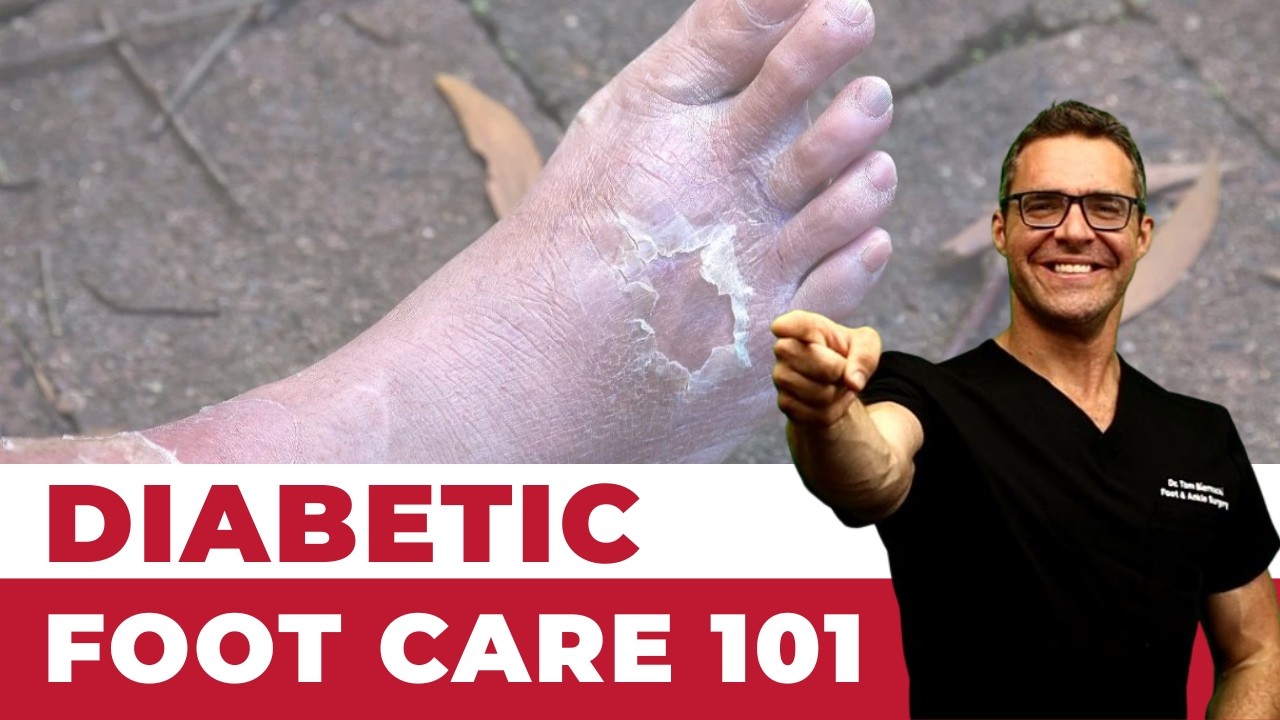
Watch: Dr. Tom Biernacki, DPM
▶ Watch
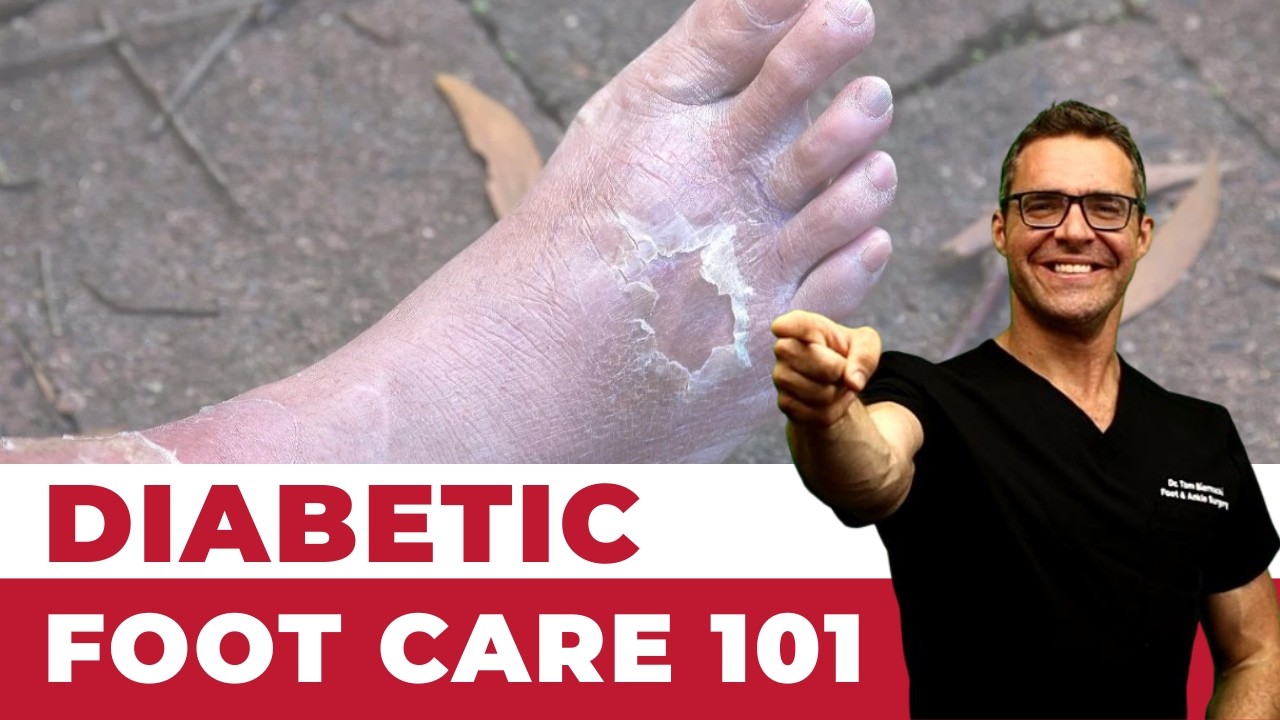
📋 Dr. Tom Also Recommends
Podiatrist Recommended Orthotics 2026: Dr. Tom’s Top 10 Insoles & Arch Supports
A podiatrist’s complete clinical guide to the best insoles — custom orthotics, OTC picks, and what actually works for plantar fasciitis, flat feet, neuropathy & more.
Read the Full Guide →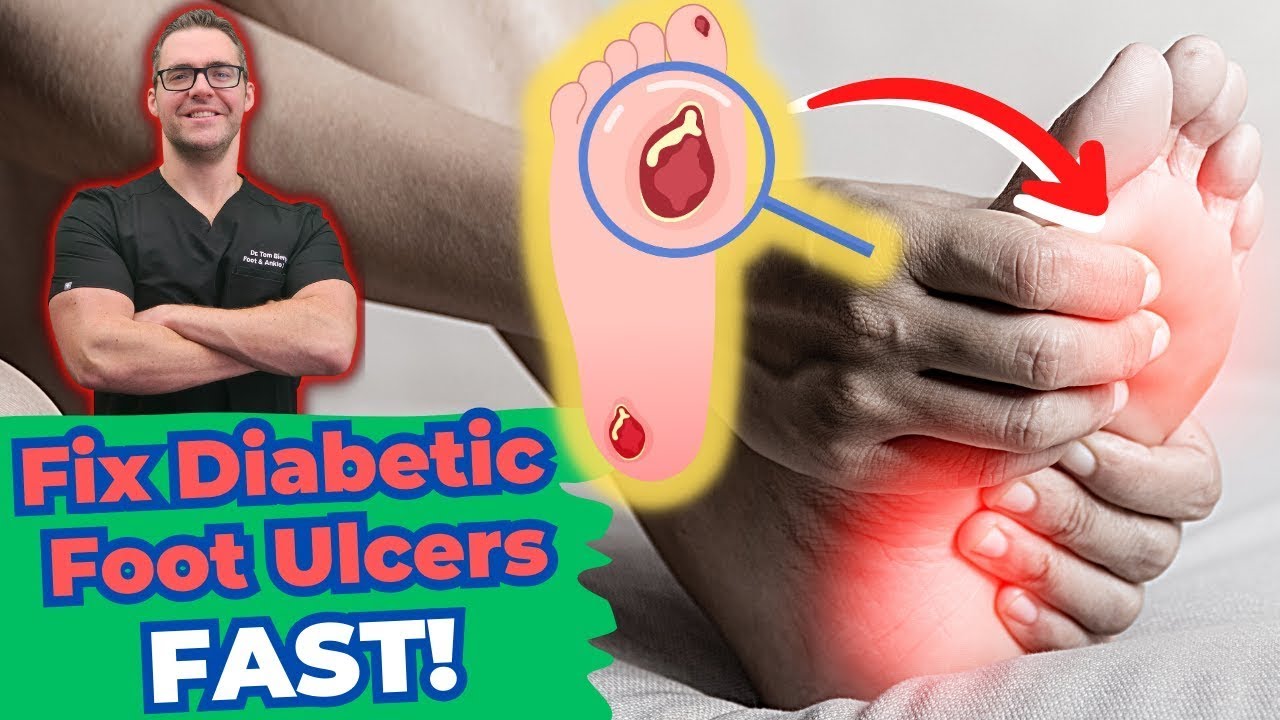
Medically Reviewed by Dr. Tom Biernacki, DPM — Board-Certified Podiatrist, Balance Foot & Ankle Specialists, Michigan. Last updated April 2026.
One of the most underused benefits available to Medicare beneficiaries with diabetes is the Therapeutic Shoe Program (TSP) — coverage for one pair of diabetic shoes and three pairs of custom inserts per calendar year. Despite this benefit being in place since 1993, studies consistently show that fewer than 25% of eligible patients actually use it. This represents a significant missed opportunity: appropriate therapeutic footwear is one of the most effective interventions for preventing diabetic foot ulcers, and therefore preventing the infections and amputations that cost the healthcare system billions annually.
What Is Therapeutic Diabetic Footwear?
Diabetic therapeutic footwear is not simply “comfortable shoes.” Medicare-covered therapeutic footwear meets specific technical standards:
- Depth shoes: Extra depth in the toe box (at least 3/8 inch) to accommodate foot deformities (hammertoes, bunions, Charcot deformity) and custom inserts without creating dorsal toe pressure
- Custom-molded shoes: Fabricated over a model of the patient’s foot — appropriate for feet with severe deformities or bilateral amputations
- Shoe modifications: Rocker soles, offloading wedges, and custom accommodations to reduce specific pressure points
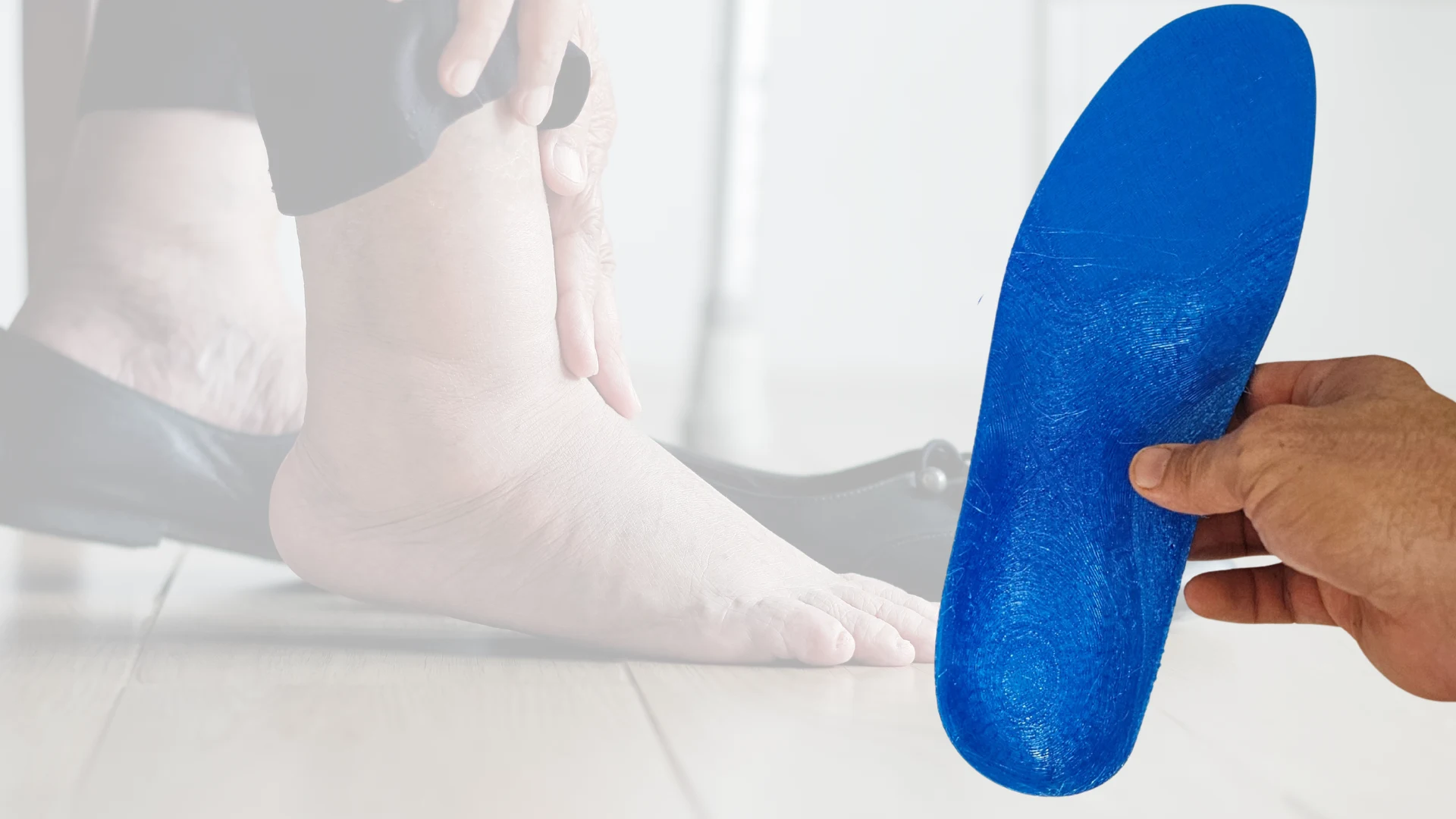
- Custom molded inserts: Three pairs of total-contact inserts molded to the patient’s foot — providing even plantar pressure distribution and protection of high-risk areas
Who Qualifies for Medicare Coverage?
To qualify for the Medicare Therapeutic Shoe Program, the patient must:
- Have Medicare Part B
- Have diabetes (any type)
- Have at least one of the following diabetic complications: peripheral neuropathy with evidence of callus formation, history of pre-ulcerative callus, history of foot ulceration, foot deformity, previous amputation of the foot or part of the foot, or poor circulation
- Be under the care of a physician for diabetes management
The treating physician (primary care or endocrinologist) must certify the patient’s diabetic complications and the medical necessity of therapeutic footwear. Dr. Biernacki then prescribes and provides the footwear as the certifying podiatric physician. Most patients meeting the qualifying criteria qualify without difficulty.
The Evidence for Diabetic Footwear
The medical evidence for therapeutic footwear is compelling. Studies demonstrate:
- Therapeutic footwear reduces plantar pressure by 20–45% compared to standard shoes — directly reducing the mechanical stimulus for ulcer formation
- Patients with prior diabetic foot ulcers who use therapeutic footwear have significantly lower recurrence rates (approximately 50% reduction) compared to those returning to standard shoes
- Custom inserts reduce peak plantar pressure under the metatarsal heads — the most common ulcer site — more effectively than standard OTC insoles
The Process at Balance Foot & Ankle
The therapeutic shoe process is straightforward:
- Dr. Biernacki performs a thorough diabetic foot evaluation and documents qualifying complications
- Your primary care or endocrinology physician provides the required certification
- Balance Foot & Ankle measures and orders appropriate Medicare-compliant therapeutic footwear
- Shoes and custom inserts are fitted and dispensed
Medicare covers 80% of the approved amount; supplemental insurance typically covers the remaining 20%. Most patients with Medicare and a supplemental plan pay nothing out of pocket for their therapeutic footwear.
Beyond the Shoes: A Complete Diabetic Foot Care Partnership
Therapeutic footwear is one component of a thorough diabetic foot care program at Balance Foot & Ankle — combined with regular podiatric surveillance visits, nail and callus care, monofilament testing to monitor neuropathy, and patient education on daily foot inspection. This integrated approach provides the most effective available protection against diabetic foot complications.
Diabetes and Medicare? You May Qualify for Covered Diabetic Shoes.
Dr. Biernacki provides the Medicare Therapeutic Shoe Program at Balance Foot & Ankle — Bloomfield Township and Howell, MI.
📞 (810) 206-1402 | Book Online →
📍 Located in Michigan?
Our board-certified podiatrists treat this condition at two convenient locations. Book online 24/7 at either office.
In-Office Treatment at Balance Foot & Ankle
If home care isn’t resolving your diabetic foot concern, a visit with a board-certified podiatrist is the fastest path to accurate diagnosis and a personalized plan. At Balance Foot & Ankle Specialists, Dr. Tom Biernacki, Dr. Carl Jay, and Dr. Daria Gutkin offer appointments at both our Howell and Bloomfield Township offices. We perform on-site diagnostic ultrasound, digital X-ray, conservative care, advanced regenerative treatments, and minimally invasive surgery when indicated.
Call (810) 206-1402 or request an appointment online. Most insurance plans accepted, including Medicare, Blue Cross Blue Shield, Aetna, Cigna, and United Healthcare.
Differential Diagnosis: What Else Could It Be?
Several conditions share symptoms with Diabetic Neuropathy and are commonly misdiagnosed in the first office visit. Considering these alternatives is part of every Balance Foot & Ankle exam:
- Tarsal tunnel syndrome. Burning radiating into the arch with positive Tinel’s at the medial ankle.
- Peripheral artery disease. Pain with walking that resolves with rest, weak pulses, hair loss on toes.
- Lumbar radiculopathy. Symptoms following a dermatome, often with back pain — MRI of spine, not foot.
If your symptoms don’t fit the textbook pattern, ask your podiatrist which differentials they ruled out — that conversation often shortcuts months of trial-and-error treatment.
In Our Clinic
Diabetic neuropathy patients in our clinic often don’t realize they have it until we put a 10-gram Semmes-Weinstein monofilament to the plantar foot and they can’t feel it. Many arrive for an unrelated concern — an ingrown toenail, a callus — and we catch the neuropathy on screening. The conversation then shifts: we need to discuss daily foot inspections, appropriate footwear, the urgency of any blister or open area, and the timing of vascular referral if pulses are diminished. Comprehensive diabetic foot exams are covered by Medicare annually. If you have diabetes, we want to see you once a year even if nothing hurts.
Most Common Mistake We See
The most common mistake we see is: Stopping B-vitamin supplementation as soon as symptoms improve. Fix: maintain supplementation for 6-18 months alongside strict glucose control.
Warning Signs That Need Same-Day Care
Seek immediate evaluation at Balance Foot & Ankle if you experience any of the following:
- Sudden loss of sensation on one side
- Wound on the foot not felt by the patient
- One-sided symptoms (rule out compression)
- Back pain plus leg symptoms (possible radiculopathy)
Call (810) 206-1402 — appointments at our Howell and Bloomfield Township offices.
More Podiatrist-Recommended Diabetic Essentials
Diabetic-Approved Walking Shoe
Orthofeet Sprint — seamless, extra-depth, designed for neuropathic feet.
Seamless Diabetic Sock


![Diabetes Peripheral Neuropathy Treatment [Diabetic Nerve Pain Remedy]](https://www.michiganfootdoctors.com/wp-content/cache/flying-press/83886306c119511909f4e50d00e25908.jpg)
Watch: Diabetes Peripheral Neuropathy Treatment [Diabetic Nerve Pain Remedy] — MichiganFootDoctors YouTube
OS1st FS4 — non-binding, moisture-wicking, protects fragile diabetic skin.
Recovery Slide for Indoor Wear
HOKA Ora 3 — protects diabetic feet from barefoot injury at home.
As an Amazon Associate, Balance Foot & Ankle earns from qualifying purchases. Product recommendations are based on clinical experience; prices and availability shown above update live from Amazon.
When to See a Podiatrist
One unnoticed blister on a neuropathic foot can become a limb-threatening ulcer in under 14 days. Medicare covers diabetic shoes (A5500) and comprehensive foot exams annually for most diabetic patients with neuropathy or circulation concerns. Balance Foot & Ankle runs a dedicated diabetic limb-preservation program — vascular screening, offloading, ulcer care, and shoe fitting — all in one visit. Schedule your annual diabetic foot exam today.
Call Balance Foot & Ankle: (810) 206-1402 · Book online · Offices in Howell & Bloomfield Township
Watch: Dr. Tom explains

Podiatrist-recommended products
As an Amazon Associate, Dr. Tom earns from qualifying purchases.
Diabetic-approved insole for therapeutic footwear.
Check price →Nerve support pairs with diabetic shoes for complete protection.
View on Amazon →Offloading boot for diabetic foot pressure sores.
Check price →Non-burning topical for painful diabetic neuropathy.
View on Amazon →Related resources
Ready to solve this? Book today.
Book online 24/7 · Howell & Bloomfield Township · 4.9★ (1,200+ reviews)
☎ (810) 206-1402Book Online →Pros & Cons of Conservative Care for diabetic foot care
Advantages
- ✓ Daily inspection prevents amputation
- ✓ Most insurance covers DME
- ✓ Custom orthotics help
Considerations
- ✗ Daily commitment required
- ✗ Slow wound healing
- ✗ Charcot risk if neuropathy
Dr. Tom’s Recommended Products for diabetic foot care
Affiliate disclosure: As an Amazon Associate, Balance Foot & Ankle earns from qualifying purchases. We only recommend products we use with patients.
Drew Moonwalker Diabetic Shoe Dr. Tom’s Pick
Best for: Medicare-covered diabetic footwear
Diabetic Compression Socks Dr. Tom’s Pick
Best for: Daily protection + circulation
Ready to Get Back on Your Feet?
Appointments in Howell + Bloomfield Township. Most insurance accepted. Dr. Tom Biernacki, DPM & team.
Call Now: (810) 206-1402
Ready to feel better?
Appointments available in Howell and Bloomfield Township, Michigan.
Book Your VisitReady to fix this for good?
Reading goes so far. The fastest path is a 30-minute office visit. Book online for Howell or Bloomfield Township. Call (810) 206-1402.
Ready for Expert Care?
Appointments in Howell & Bloomfield Township, MI.
4.9★ | 1,200+ Reviews | 3,000+ Surgeries
Or call: (810) 206-1402

Dr. Tom Biernacki, DPM is a board-certified foot & ankle surgeon (ABFAS & ABPM) at Balance Foot & Ankle Specialists in Southeast Michigan. With over a decade of clinical experience, he specializes in heel pain, bunions, diabetic foot care, sports injuries, and minimally invasive surgery. Dr. Biernacki is a member of the APMA and ACFAS, and his patient education content on MichiganFootDoctors.com and YouTube has made him one of the most-followed foot & ankle educators on YouTube.