

Medically reviewed by Dr. Tom Biernacki, DPM — Board-certified foot & ankle surgeon, 3,000+ surgeries performed. Updated April 2026 with current clinical evidence. This article reflects real practice experience from Balance Foot & Ankle Specialists in Howell and Bloomfield Township, Michigan.
Quick Answer
Most foot and ankle problems respond to conservative care — proper footwear, supportive inserts, activity modification, and targeted stretching — within 4-8 weeks. Persistent pain beyond that window, or any symptom that prevents walking, warrants a podiatric evaluation to rule out fracture, tendon tear, or systemic cause.
Medically Reviewed by Dr. Tom Biernacki, DPM — Board-Certified Podiatrist, Balance Foot & Ankle Specialists, Michigan. Last updated April 2026.
Medical Review
Medically reviewed by: Dr. Tom Biernacki, DPM — Board-certified podiatrist and foot surgeon at Balance Foot & Ankle, Southeast Michigan. Over 15 years of clinical experience treating law enforcement professionals and first responders with occupation-specific foot conditions.
Last updated: April 2026
Quick Answer
Police officers face unique foot care challenges due to extended shifts on their feet (often 8 to 12 hours), heavy duty boots that may lack proper support, mandatory equipment loads (duty belt weighing 15 to 25 pounds adding to lower extremity stress), variable terrain including concrete, asphalt, and uneven surfaces, and the need for instant physical readiness — sprinting, jumping, or pursuing on foot with no warm-up period. The most common foot problems in law enforcement include plantar fasciitis, Achilles tendinitis, metatarsalgia, posterior tibial tendon dysfunction, and chronic ankle instability from repeated minor injuries. Proper boot selection, custom or high-quality orthotics, structured conditioning, and proactive foot care prevent most of these conditions from becoming career-limiting disabilities.
Table of Contents
- Quick Answer
- Why Law Enforcement Is Hard on Your Feet
- Plantar Fasciitis in Police Officers
- Achilles Tendinitis and Calf Pain
- Metatarsalgia and Forefoot Pain
- Posterior Tibial Tendon Dysfunction
- Chronic Ankle Instability
- Duty Boot Problems
- Standing and Shift Fatigue
- Foot Care Between Shifts
- Duty Boot Selection Guide
- Best Products for Law Enforcement Foot Care
- Fitness and Conditioning for Foot Health
- When to Seek Treatment
- Most Common Mistake
- Warning Signs You Need Immediate Care
- Watch Our Video
- Frequently Asked Questions
- Sources
- Schedule Your Appointment
- Related Articles
Affiliate disclosure: This page contains affiliate links to products we trust and recommend. As an Amazon Associate, we earn from qualifying purchases. We also participate in the Foundation Wellness affiliate program. These partnerships support our practice and allow us to continue providing evidence-based foot care education. Product recommendations are based on clinical experience — we only recommend what we would use for our own patients.
Why Law Enforcement Is Hard on Your Feet
Law enforcement places demands on the feet that are unlike almost any other profession. The combination of prolonged standing, walking on the hardest possible surfaces (concrete and asphalt), carrying heavy equipment, wearing boots that prioritize protection over comfort, and maintaining readiness for explosive physical activity creates a perfect storm for foot problems. What makes policing particularly challenging is that these demands are non-negotiable — you cannot choose to sit down during a traffic stop, take a break during a building search, or stretch your calves before a foot pursuit.
The duty belt alone adds 15 to 25 pounds of equipment (firearm, ammunition, radio, handcuffs, Taser, baton, body-worn camera, first aid supplies) that concentrates additional loading through the feet with every step. This additional load, sustained over an 8 to 12 hour shift, increases ground reaction forces through the plantar fascia, metatarsal heads, and heel fat pad by 10 to 20 percent compared to unloaded walking. Over years of service, this cumulative overload accelerates the development of overuse conditions that might otherwise take decades to develop.
The shift schedule compounds these problems. Rotating shifts disrupt sleep patterns that are essential for soft tissue recovery. Consecutive 12-hour shifts on concrete do not allow adequate recovery time between loading sessions. Officers on midnight shifts may be less active overall (more sitting in vehicles) but face abrupt transitions from seated inactivity to maximum physical exertion — sprinting from a patrol car with cold, stiff muscles and tendons is a recipe for acute Achilles strains and ankle sprains.
Many officers are reluctant to report foot problems or seek treatment because of concerns about fitness-for-duty evaluations, stigma around physical limitations, and the culture of toughness inherent in law enforcement. This reluctance leads to chronic, advanced conditions that are much harder to treat than the early-stage problems that could have been resolved with simple interventions. If you are an officer reading this, understand that proactive foot care is a career investment — chronic foot pain affects your mobility, your fitness test performance, your ability to respond to threats, and ultimately your safety.
Plantar Fasciitis in Police Officers
Plantar fasciitis is the number one foot complaint among law enforcement professionals, and it is easy to understand why. The plantar fascia — the thick band of tissue spanning from the heel to the toes that supports the arch and absorbs shock during walking — was designed for intermittent loading on natural surfaces, not continuous loading on concrete for 8 to 12 hours while carrying an extra 20 pounds of equipment. The cumulative microtrauma from this repetitive overload causes microscopic tearing and inflammation at the fascial origin on the heel bone.
Officers typically describe the classic pattern: severe heel pain with the first steps out of bed that improves after a few minutes of walking, progressive heel pain during the second half of a shift that becomes severe by shift end, and morning stiffness that gradually worsens over weeks and months. The pattern is self-reinforcing — nighttime fascial healing occurs in a shortened position (because the ankle naturally relaxes into plantarflexion during sleep), and the first weight-bearing steps in the morning re-tear the partially healed tissue, restarting the inflammatory cycle.
Treatment for officers must be practical and compatible with duty requirements. Replacing factory boot insoles with structured arch-supportive orthotics is the most effective single intervention — it provides the biomechanical support that duty boots inherently lack. Night splints worn during sleep maintain the plantar fascia in a lengthened position, preventing the morning re-tearing cycle. Calf stretching before and after shifts addresses the tight calf muscles that increase fascial tension. Strategic icing after shifts (15 to 20 minutes with the foot elevated) reduces inflammation accumulated during the workday.
Achilles Tendinitis and Calf Pain
Achilles tendinitis is the second most common foot complaint in law enforcement, exacerbated by the heel height of many duty boots (which chronically shortens the calf muscles and Achilles tendon), the abrupt transitions from seated vehicle patrol to weight-bearing activity, and the inability to warm up before physically demanding situations.
The pattern in officers differs from recreational athletes. Rather than developing gradually from progressive training overload, Achilles tendinitis in officers often presents as intermittent acute flares triggered by specific high-demand events — a foot pursuit, a training day requiring running and obstacle courses, or transitioning between very different footwear (duty boots to running shoes for fitness testing). The underlying tendinopathy develops slowly from chronic low-level loading on hard surfaces, but symptoms appear suddenly during peak loading events.
Prevention and treatment focus on maintaining calf flexibility (gastrocnemius and soleus stretching for 30 seconds each, three times per leg, before and after every shift), eccentric heel drop exercises (the Alfredson protocol) performed daily to promote tendon remodeling, wearing heel lifts in duty boots to reduce tendon strain, and ensuring that fitness training programs include adequate warm-up before running activities. For officers with persistent Achilles symptoms, a temporary heel lift of 6 to 10 millimeters inside the duty boot can significantly reduce tendon loading while allowing continued full duty.
Metatarsalgia and Forefoot Pain
Metatarsalgia — pain under the ball of the foot at the metatarsal heads — affects officers who spend extended periods standing and walking on hard surfaces. The metatarsal fat pads, which normally cushion the forefoot during weight-bearing, gradually thin and displace with age and cumulative loading, reducing the foot’s natural shock-absorbing capacity. Duty boots with minimal forefoot cushioning and the extra weight of the duty belt concentrate pressure through the metatarsal heads, accelerating fat pad atrophy.
Officers describe a burning, aching pain under the ball of the foot that worsens progressively during the shift and is worst during prolonged standing (directing traffic, scene security, court appearances). The pain may localize under one or two metatarsal heads (suggesting a focal problem like Morton’s neuroma or metatarsal stress reaction) or be diffuse across the forefoot (suggesting generalized fat pad atrophy or biomechanical overload).
Treatment includes metatarsal pads positioned just behind the metatarsal heads (to redistribute pressure away from the painful area), insoles with adequate forefoot cushioning, and ensuring duty boots have sufficient toe box width to avoid compressing the forefoot. Morton’s neuroma — a thickening of the nerve between the metatarsal heads causing shooting pain and numbness in the toes — is common in officers wearing narrow-toed boots and may require corticosteroid injection or surgical excision if conservative measures fail.
Posterior Tibial Tendon Dysfunction
Posterior tibial tendon dysfunction (PTTD) is an underrecognized but career-threatening condition in law enforcement. The posterior tibial tendon is the primary dynamic support of the foot’s arch — when it weakens and elongates from chronic overload, the arch progressively collapses into a flat foot deformity. Officers with naturally flat feet or excessive pronation are at highest risk because their posterior tibial tendons work harder to maintain arch height under the amplified loading of duty equipment on hard surfaces.
PTTD progresses through stages. Stage I involves tendinitis without deformity — the arch is maintained but the inner ankle and arch area are painful and swollen. Stage II involves progressive flat foot deformity as the tendon elongates — the arch collapses, the heel tilts outward, and the forefoot abducts. Stage III involves rigid flat foot deformity with arthritic changes. Stage IV involves ankle arthritis from chronic malalignment. Early detection and treatment at Stage I or early Stage II can prevent progression to the irreversible deformity of later stages.
Treatment at early stages includes structured arch-supportive orthotics (which take over the mechanical support role that the weakened tendon can no longer provide), ankle bracing during duty, physical therapy focused on posterior tibial tendon strengthening and eccentric loading, and activity modification during acute flares. Advanced stages may require surgical reconstruction including tendon transfer, calcaneal osteotomy (bone realignment), and occasionally joint fusion. For officers, early detection through regular self-assessment — monitoring for progressive arch collapse, increasing inner ankle pain, and difficulty performing single-leg heel rises — is essential.
Chronic Ankle Instability
Chronic ankle instability is common in officers who have sustained ankle sprains during foot pursuits, training exercises, or navigating uneven terrain (construction sites, wooded areas, alleys) and returned to duty without completing proper rehabilitation. The initial sprain damages both the ligaments and the proprioceptive nerve endings within those ligaments. Without rehabilitation focusing on proprioceptive retraining, the ankle remains functionally unstable — it feels like it could give way at any moment, and repeated episodes of giving way cause progressive ligament damage and joint surface injury.
For officers, ankle instability is more than an inconvenience — it is a safety hazard. An ankle that gives way during a foot pursuit, a building search, or a physical confrontation could result in injury to the officer, escape of a suspect, or inability to perform life-saving actions. Officers with recurrent ankle sprains or a persistent feeling of ankle instability should undergo formal evaluation and rehabilitation rather than relying on ankle braces as a permanent solution.
Treatment progresses from rehabilitation (proprioceptive training, peroneal strengthening, balance exercises on unstable surfaces) to bracing for duty (if rehabilitation alone is insufficient) to surgical reconstruction (modified Broström procedure) for officers with persistent mechanical instability despite comprehensive rehabilitation. The goal is to restore the ankle to a level of stability and function that allows unrestricted duty performance without reliance on external bracing.
Duty Boot Problems
The duty boot is both the officer’s most important piece of foot protection and, paradoxically, the most common contributor to foot problems. Most duty boots are designed to meet department safety standards (slip resistance, ankle support, tactical appearance) without prioritizing the biomechanical support and cushioning necessary for 8 to 12 hours of continuous wear on hard surfaces. The result is footwear that protects against external hazards but fails to protect against the internal overuse injuries caused by inadequate support.
Common duty boot design problems include insufficient arch support (most factory insoles provide negligible biomechanical support), inadequate midsole cushioning (many boots have firm, rigid soles that transmit impact forces directly to the foot), excessive heel height (which shortens the Achilles tendon and shifts weight onto the forefoot), narrow toe boxes (which compress the toes and contribute to metatarsalgia, Morton’s neuroma, and bunion progression), and excessive weight (which adds to the overall load the foot must carry each shift).
The solution is not to accept poor boot design as inevitable — it is to modify the boot’s internal environment with high-quality aftermarket insoles and to choose boots that balance tactical requirements with biomechanical support. Many modern duty boots from reputable manufacturers now incorporate better cushioning technology, wider toe boxes, and more anatomically appropriate designs without sacrificing the tactical features departments require.
Standing and Shift Fatigue
Lower extremity fatigue from prolonged standing is a well-documented occupational hazard that affects officer alertness, reaction time, and physical readiness. Standing on hard surfaces for extended periods causes venous pooling in the lower legs (blood accumulates in the leg veins due to gravity), muscle fatigue from continuous postural activation, increased tissue pressure in the feet (contributing to edema and discomfort), and cumulative stress on the plantar fascia and metatarsal fat pads.
Strategies to manage standing fatigue include shifting weight between feet frequently (avoiding prolonged static standing on one leg), performing calf pumping exercises during stationary assignments (rising onto the toes and lowering slowly, 10 to 15 repetitions every 30 minutes), wearing graduated compression socks under duty boots (which reduce venous pooling and lower leg edema), and taking advantage of any opportunity to walk rather than stand — walking activates the calf muscle pump that assists venous return, while static standing does not.
Overnight recovery after shifts is crucial. Elevate the feet above heart level for 15 to 20 minutes after arriving home to reverse the venous pooling and tissue edema accumulated during the shift. Remove duty boots as soon as possible and transition to supportive but comfortable footwear. Perform gentle foot and ankle stretches (calf stretches, plantar fascia stretches, ankle circles) to address the stiffness and tension that develop during extended boot wear.
Foot Care Between Shifts
What you do between shifts is as important as what happens during shifts for maintaining foot health over a law enforcement career. The recovery period between shifts determines whether your feet heal from each day’s loading or accumulate progressive damage that eventually becomes a chronic condition.
Immediately after each shift, remove duty boots and socks, inspect the feet for new blisters, hot spots, or areas of redness that indicate excessive pressure. Wash and thoroughly dry the feet, paying attention to between the toes where moisture-related skin breakdown and fungal infections develop. Apply moisturizer to the heels and soles (but not between the toes, where excess moisture promotes fungal growth). If any areas are sore, apply topical pain relief and ice for 15 to 20 minutes.
Invest in quality off-duty footwear with proper arch support. Many officers compound their occupational foot stress by wearing flat, unsupportive shoes (flip-flops, flat sandals, worn-out sneakers) during off-duty hours. The feet need consistent biomechanical support during waking hours — supportive off-duty footwear with arch support and cushioning allows continued healing during recovery periods rather than adding additional stress.
Duty Boot Selection Guide
Selecting the right duty boot within your department’s approved options is one of the most impactful decisions for long-term foot health. The ideal duty boot must balance multiple requirements: department compliance, safety features, tactical performance, and biomechanical foot protection. Here are the key features to prioritize.
Midsole cushioning should be your top priority. Boots with shock-absorbing midsole technology (EVA foam, polyurethane, or proprietary cushioning systems) dramatically reduce the impact forces transmitted to the feet during walking on concrete. Test the midsole by pressing your thumb firmly into the heel area — a good midsole compresses slightly and springs back, while a poor midsole feels rigid and unyielding. The midsole should feel noticeably different from simply placing your foot on a hard floor.
Toe box width should accommodate your foot without compression. Many duty boots have unnecessarily narrow toe boxes that squeeze the forefoot, contributing to metatarsalgia, Morton’s neuroma, bunion progression, and hammertoe development. Your toes should be able to spread naturally within the boot without pressing against the sides. If you can feel pressure on the outside of your small toe or the inside of your big toe, the boot is too narrow.
Boot weight matters over a 12-hour shift. Every additional ounce in each boot translates to significant cumulative energy expenditure over thousands of steps. Modern lightweight duty boots provide equivalent protection and durability to heavier traditional designs while reducing lower extremity fatigue. Side-zip entry boots save time and reduce the bending and reaching that can aggravate back problems.
Best Products for Law Enforcement Foot Care
These products address the specific challenges that law enforcement professionals face and are what I recommend to the officers and first responders in my practice.
PowerStep Pinnacle Insoles — Duty Boot Upgrade
PowerStep Pinnacle insoles are the single most important upgrade an officer can make to their duty boots. Factory boot insoles provide virtually no arch support or cushioning — they are essentially flat pieces of foam that do nothing to protect the foot from the demands of 8 to 12 hours on concrete. PowerStep Pinnacles add structured arch support that prevents the excessive pronation contributing to plantar fasciitis, posterior tibial tendon dysfunction, and medial knee pain. The dual-layer cushioning absorbs impact forces that the rigid boot sole cannot. Every officer I treat receives this recommendation — it is the highest-impact, lowest-cost intervention for occupational foot pain.
Doctor Hoy’s Natural Pain Relief Gel — Post-Shift Recovery
Doctor Hoy’s Natural Pain Relief Gel provides effective topical pain relief for the multiple pain sources that develop during a duty shift — plantar fascia soreness, Achilles tendon stiffness, forefoot aching, and general foot fatigue. The natural arnica and menthol formulation delivers genuine analgesic benefit without the drowsiness or impairment of oral pain medications — an important consideration for officers who may need to return to duty on short notice. Apply immediately after removing duty boots and before bed to support overnight recovery. The quick-absorbing formula does not stain socks or bedding.
DASS Compression Ankle Sleeve — Shift Support and Recovery
The DASS Compression Ankle Sleeve provides graduated compression that reduces lower leg edema during extended shifts and enhances proprioceptive feedback for officers with chronic ankle instability. Wearing compression under duty boots helps prevent the venous pooling and tissue swelling that develop during prolonged standing on hard surfaces. For officers returning to duty after ankle sprains, the sleeve provides meaningful support without the bulk of rigid braces that may not fit inside duty boots. The compression also accelerates post-shift recovery when worn for 1 to 2 hours after boot removal.
Fitness and Conditioning for Foot Health
Physical fitness is directly correlated with foot injury risk in law enforcement — officers who maintain higher levels of cardiovascular fitness, lower body strength, and flexibility have significantly lower rates of foot and ankle problems. A structured fitness program that addresses the specific physical demands of duty is one of the most effective long-term strategies for career foot health.
Calf flexibility and Achilles tendon conditioning are priorities. Perform gastrocnemius stretches (straight knee) and soleus stretches (bent knee) daily, holding each stretch for 30 seconds, three repetitions per leg. Eccentric heel drops (standing on the edge of a step and lowering the heel slowly below step level) strengthen the Achilles tendon and promote healthy tendon remodeling. These exercises take 5 minutes daily but dramatically reduce the risk of Achilles tendinopathy — one of the most common career-limiting conditions in law enforcement.
Intrinsic foot strengthening builds the small muscles within the foot that support the arch and absorb impact forces. Towel scrunches, marble pickups, short foot exercises (drawing the ball of the foot toward the heel without curling the toes), and toe yoga (spreading and individually controlling the toes) strengthen muscles that are chronically underworked inside stiff duty boots. Even 5 minutes of intrinsic foot exercises daily significantly improves the foot’s ability to tolerate the prolonged loading demands of law enforcement.
Cross-training for cardiovascular fitness should include lower-impact options (cycling, swimming, elliptical) alongside running to reduce cumulative impact loading on the feet. Officers who run exclusively for fitness add training impact on top of the occupational impact accumulated during duty shifts — substituting some running sessions with cycling or swimming maintains cardiovascular fitness while giving the feet recovery time. For officers preparing for fitness testing, a progressive run-training plan that allows adequate rest between running sessions prevents the stress fractures and tendinopathy that commonly sideline officers during testing preparation.
When to Seek Treatment
Officers should seek podiatric evaluation when foot or ankle pain persists beyond 2 weeks despite home care (stretching, icing, insole changes), when pain alters their gait or affects their ability to perform duty functions, when they notice progressive changes in foot shape (arch collapse, bunion growth, toe deformity), when ankle instability affects their confidence during physical situations, or when foot pain begins to affect fitness test performance. Early evaluation and treatment of occupational foot problems consistently produces better outcomes, shorter recovery times, and lower risk of career-limiting complications compared to the “wait and see if it goes away” approach that many officers default to.
Most Common Mistake
🔑 Key Takeaway: The most common mistake police officers make with foot care is never replacing the factory insoles in their duty boots. Factory boot insoles are thin, flat pieces of foam that provide virtually no arch support, shock absorption, or biomechanical control. Officers spend thousands of dollars on quality boots but walk on the cheapest component in them — the factory insole that costs the manufacturer less than a dollar. Replacing factory insoles with structured, arch-supportive orthotics like PowerStep Pinnacles is a $30 investment that prevents plantar fasciitis, posterior tibial tendon dysfunction, metatarsalgia, and chronic heel pain. It is the single most effective foot care intervention for law enforcement professionals, and the one most consistently neglected.
Warning Signs You Need Immediate Care
⚠️ Seek immediate podiatric evaluation if you experience any of these:
• Sudden inability to bear weight after an ankle injury during duty — may indicate fracture or severe ligament rupture requiring urgent treatment
• Progressive arch collapse visible when comparing both feet — suggesting posterior tibial tendon dysfunction that worsens without treatment
• Foot pain that is present at rest or wakes you at night — raising concern for stress fracture, nerve entrapment, or other conditions beyond simple overuse
• Numbness or tingling in the toes that persists beyond removing duty boots — suggesting nerve compression that may require intervention
• Ankle giving way during physical activities — indicating functional instability that compromises officer safety
• A wound or sore on the foot that does not heal within 2 weeks — particularly concerning for officers with diabetes or circulation problems
• Sudden sharp pain in the back of the ankle during a sprint — possible Achilles tendon rupture requiring urgent evaluation
Watch Our Video
Watch Dr. Biernacki discuss occupational foot care strategies for people who spend long hours on their feet:
In-Office Treatment at Balance Foot & Ankle
If home care isn’t resolving your your foot or ankle concern, a visit with a board-certified podiatrist is the fastest path to accurate diagnosis and a personalized plan. At Balance Foot & Ankle Specialists, Dr. Tom Biernacki, Dr. Carl Jay, and Dr. Daria Gutkin offer same-day and next-day appointments at both our Howell and Bloomfield Township offices. We perform on-site diagnostic ultrasound, digital X-ray, conservative care, advanced regenerative treatments, and minimally invasive surgery when indicated.
Call (810) 206-1402 or request an appointment online. Most insurance plans accepted, including Medicare, Blue Cross Blue Shield, Aetna, Cigna, and United Healthcare.
More Podiatrist-Recommended Foot Health Essentials
Hoka Clifton 10


Max-cushion everyday shoe — podiatrist favorite for walking and running.

OOFOS Recovery Slide

Impact-absorbing recovery sandal — wear after long days on your feet.
As an Amazon Associate, Balance Foot & Ankle earns from qualifying purchases. Product recommendations are based on clinical experience; prices and availability shown above update live from Amazon.
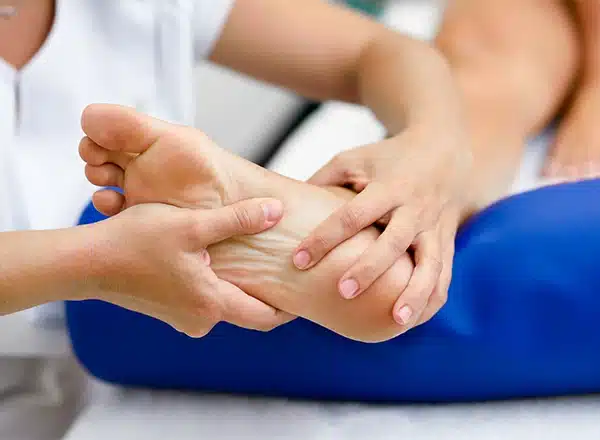
When to See a Podiatrist
If foot or ankle pain has been bothering you for more than a few weeks, home care alone may not be enough. Balance Foot & Ankle offers same-week appointments at our Howell and Bloomfield Township clinics — no referral needed in most cases. Bring your current shoes and a short list of symptoms and we’ll build you a treatment plan in one visit.
Call Balance Foot & Ankle: (810) 206-1402 · Book online · Offices in Howell & Bloomfield Township
Frequently Asked Questions
What is the best insole for police duty boots?
PowerStep Pinnacle insoles are my top recommendation for duty boots because they provide both structured arch support and dual-layer cushioning — the two elements most lacking in factory boot insoles. The semi-rigid arch shell prevents the excessive pronation that causes plantar fasciitis and posterior tibial problems, while the cushioning absorbs impact on concrete and asphalt. They fit inside most duty boots without changing the fit and should be replaced every 6 to 12 months depending on wear.
How do I prevent plantar fasciitis as a police officer?
Prevention requires a multi-pronged approach: replace factory boot insoles with arch-supportive orthotics, perform calf stretching before and after every shift, maintain healthy body weight to reduce plantar fascia loading, wear supportive shoes during off-duty hours (avoid flip-flops and flat shoes), ice the heels after shifts if any soreness is present, and strengthen the intrinsic foot muscles with daily exercises. Early intervention at the first sign of heel pain prevents the condition from becoming chronic.
Can I wear custom orthotics in duty boots?
Yes, most duty boots accommodate custom orthotics after removing the factory insole. Custom orthotics prescribed by a podiatrist provide a personalized fit calibrated to your specific foot structure, arch type, and biomechanical needs. They are particularly valuable for officers with significant flat feet, high arches, or existing conditions like posterior tibial tendon dysfunction that require precise biomechanical control beyond what over-the-counter insoles provide. Your podiatrist can design orthotics specifically for the volume and heel height of your duty boots.
How often should I replace my duty boots?
Most duty boots should be replaced every 6 to 12 months of regular patrol use, or sooner if the midsole feels compressed and no longer cushions effectively. The midsole — the shock-absorbing layer between the outsole and insole — degrades with cumulative compression cycles. By the time the outsole shows visible wear, the midsole has typically lost 40 to 60 percent of its cushioning capacity. Officers working 12-hour shifts on concrete will compress the midsole faster than those with more varied assignments.
Should I see a podiatrist for chronic foot pain from duty?
Absolutely. Chronic foot pain that persists despite home treatment (insole changes, stretching, icing) indicates a condition that requires professional evaluation and likely a specific treatment plan. A podiatrist experienced with occupational foot conditions can diagnose the specific cause, provide targeted treatment (orthotics, physical therapy, injections, or surgery if needed), and recommend workplace modifications to prevent recurrence. Early treatment produces better outcomes and shorter recovery — waiting until foot pain becomes severe often results in longer treatment courses and higher risk of permanent damage.
Sources
- Anderson GS, et al. “Physical fitness of police officers and the demands of police work.” International Journal of Exercise Science. 2014;7(1):1-8.
- Ramstrand N, et al. “Musculoskeletal injury profile of police officers.” Safety Science. 2019;113:134-140.
- King PM. “A comparison of the effects of floor mats and shoe in-soles on standing fatigue.” Applied Ergonomics. 2002;33(5):477-484.
- McCormick JJ, Anderson RB. “The great toe: failed turf toe, chronic turf toe, and complicated sesamoid injuries.” Foot and Ankle Clinics. 2009;14(2):135-150.
- Redfern MS, Cham R. “The influence of flooring on standing comfort and fatigue.” AIHAJ. 2000;61(5):700-708.
Schedule Your Appointment
👮 Your feet keep you safe on duty — let us keep your feet healthy.
Dr. Biernacki at Balance Foot & Ankle understands the unique demands law enforcement places on your feet. Whether you need custom orthotics for duty boots, treatment for chronic heel pain, or evaluation of ankle instability, we provide expert care designed for your profession.
SCHEDULE YOUR APPOINTMENT →
Related Articles
- Plantar Fasciitis: Causes, Treatment, and Recovery
- Achilles Tendinitis: Expert Treatment Guide
- Ankle Sprains: Complete Guide to Treatment and Prevention
- Flat Feet: Diagnosis and Treatment Options
- Best Shoes for Plantar Fasciitis 2026: Podiatrist Picks
- Podiatrist Recommended Foot Care Products 2026
Insurance Accepted
BCBS · Medicare · Aetna · Cigna · United Healthcare · HAP · Priority Health · Humana · View All →
📋 Dr. Tom Also Recommends
Podiatrist Recommended Orthotics 2026: Dr. Tom’s Top 10 Insoles & Arch Supports
A podiatrist’s complete clinical guide to the best insoles — custom orthotics, OTC picks, and what actually works for plantar fasciitis, flat feet, neuropathy & more.
Read the Full Guide →Howell Office
4330 E Grand River Ave
Howell, MI 48843
Get Directions →
Bloomfield Township Office
43494 Woodward Ave, Suite 208
Bloomfield Township, MI 48302
Get Directions →
Your Board-Certified Podiatrists



Ready to Get Back on Your Feet?
Same-week appointments available at both locations.
Book Your Appointment👟 Dr. Tom’s Complete Footwear Library
Podiatrist-Approved Guides for Every Foot Type & Condition
Clinically reviewed by Dr. Tom Biernacki, DPM — Board-Certified Podiatrist
All guides are written and reviewed by licensed podiatrists. Schedule an appointment →
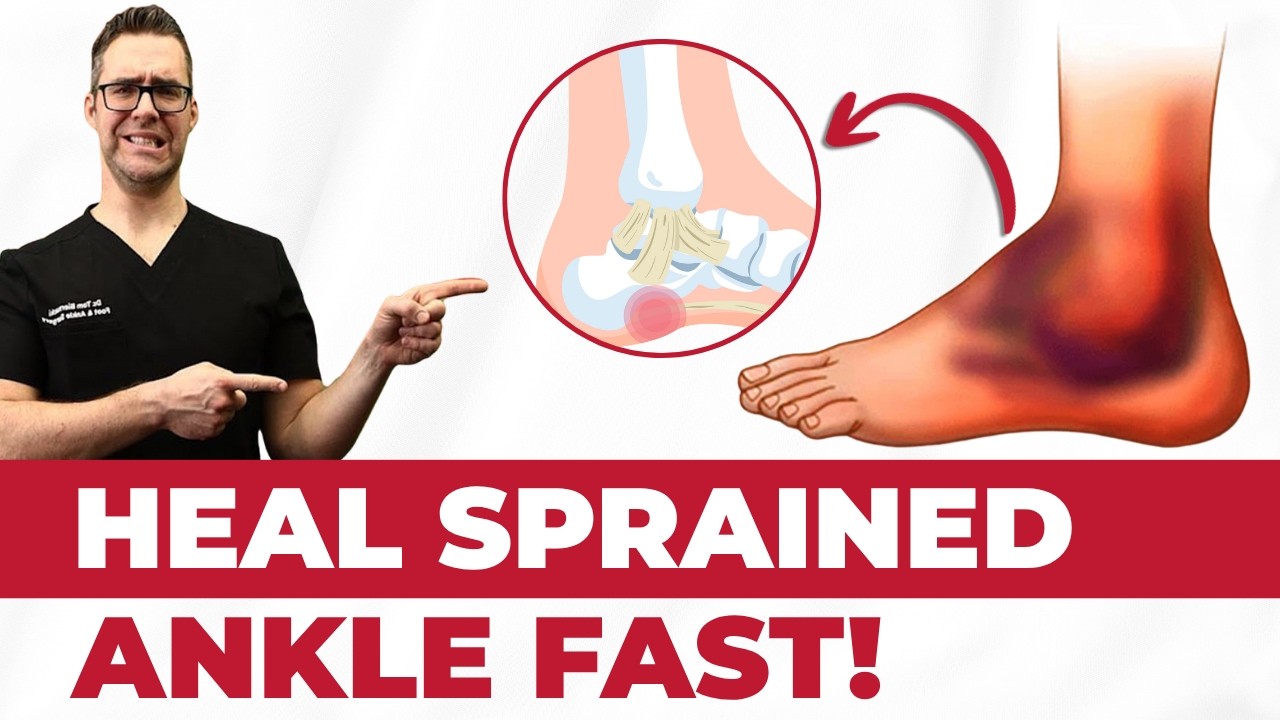
Watch: Foot Care for Police Officers: Duty-Boot Shifts
Dr. Tom on LEO foot pain — 10-12 hour duty shifts in boots, vest-weight impact, foot sweating, blister protocols, orthotic retrofit, career-long foot preservation.
Law Enforcement Foot Kit
Duty-ready, career-long protection. Dr. Tom’s kit:
As an Amazon Associate, Balance Foot & Ankle earns from qualifying purchases. This supports our free patient education content.
Duty-boot arch support upgrade.
Forefoot offloading for long stands.
Post-shift foot icing.
Topical pre-sleep relief.
Related: PF for Officers · Duty-Capable Footwear · Book Same-Week Appointment
Most Common Mistake We See
The most common mistake we see is: Waiting too long before seeking care. Fix: any foot pain lasting more than 4 weeks, or any sudden severe symptom, deserves a professional evaluation rather than more rest.
Warning Signs That Need Same-Day Care
Seek immediate evaluation at Balance Foot & Ankle if you experience any of the following:
- Unable to bear weight
- Severe swelling with skin colour change
- Fever with foot pain (possible infection)
- Diabetes plus any new foot symptom
Call (810) 206-1402 — same-day and next-day appointments at our Howell and Bloomfield Township offices.
Frequently Asked Questions
When should I see a podiatrist?
If symptoms persist past 2 weeks, affect your normal activity, or are accompanied by red-flag symptoms (warmth, redness, swelling, inability to bear weight).
What does treatment cost?
Most diagnostic visits and conservative treatments are covered by Medicare and major insurers. Out-of-pocket costs vary by your specific plan.
APMA: Foot Care for Law Enforcement During Long Shifts
How quickly can I get an appointment?
Most non-urgent cases see us within 5 business days. Urgent cases (sudden pain, possible fracture) typically same or next business day.

Dr. Tom Biernacki, DPM is a board-certified foot & ankle surgeon (ABFAS & ABPM) at Balance Foot & Ankle Specialists in Southeast Michigan. With over a decade of clinical experience, he specializes in heel pain, bunions, diabetic foot care, sports injuries, and minimally invasive surgery. Dr. Biernacki is a member of the APMA and ACFAS, and his patient education content on MichiganFootDoctors.com and YouTube has made him one of the most-followed foot & ankle educators on YouTube.