Big Toe Joint, Hammer Toe & Bunionette Problems
Foot Pain Near Big Toe [Causes, Symptoms & Best Treatment]
Foot Pain Near Big Toe is most commonly caused by Bunions, Hallux Rigidus and Limitus, Gout, Sesamoiditis and more! FIX IT NOW!
Top 5 Big Toe Joint Causes Picture & Photo Gallery:
Look:
- A bunion is a pre-dislocation of the big toe joint.
- Big toe joint arthritis is also known as hallux rigidus and can form a very large toe joint spur.
- A turf toe is the hyperextension and bending of the big toe joint. This can cause ligament and tendon damage.
- Sesamoiditis of the big toe joint is the inflammation and possible fracture of the two bones underneath your big toe joint.
- Gout in the big toe joint is the buildup of the crystal substance called uric acid.
So, check out the big toe diseases by clicking on the photo gallery for descriptions!
Big Toe Joint Pain Overview:
- Foot Pain near the big toe can have a number of different causes, the most likely are hallux limitus and rigidus which are essentially the jamming of the big toe against the foot that leads to inflammation and pain.
- The next most likely is a bunion if the forms a big bump on the inside of the foot as well as decreasing motion within the join.
- Suspect gout as the cause for foot pain near the big toe if the joint is extremely red hot and swollen without any injury or cause.
- If the area underneath the toe is sore especially after a great deal of running, suspect a sesamoid fracture or sesamoiditis.
- Good Luck with your Foot Pain Near Big Toe!
Most Common Causes:
1)Bunion:
- The bunion is a dislocation of a joint called your first metatarsal phalangeal joint.
- This is probably one of the most common big toe joint pain causes.
- Click on the above link for all the treatment, diagnosis and causes of bunion pain.
2) Gout:
- Gout is a very common cause of big toe joint pain.
- This is most commonly when you wake up in the morning and your pain is 10 out of 10.
- There is a buildup of a compound called uric acid inside the big toe joint.
- This is definitely one where you want your podiatrist helping you treat it!
3) Hallux limitus:
- Hallux limitus refers to the inability to bend your big toe joint upwards.
- This is usually the start of big toe joint arthritis.
- Click on the above link for everything you want to know about the condition!
4) Hallux rigidus:
- Hallux rigidus refers to advanced arthritis inside the big toe joint.
- This does not mean that you automatically need to do surgery to treat the condition.
- There are many treatments to relieve the pain and keep you walking pain-free, these include great shoes great orthotics and in some cases surgery.
5) Sesamoiditis:
- This is the inflammation of two bones underneath your big toe joint.
- Sesamoiditis refers to the inflammation of the two bones called sesamoids.
- These boats can also be broken, sprained or just inflamed.
6) Turf toe:
- Turf toe refers to the stretching of the ligaments of the big toe joint.
- This is very common in athletes such as soccer or football players.
- There are many stages and many different treatments for this condition.
7)Broken Toe:
- A broken toe is very common,sometimes it can be broken without significant force.
- If left untreated, it is very common to lead towards cartilage or destruction and potentially arthritis of the big toe joint.
- Click the above link to find out what you need to do and if you should see your podiatrist.
8) Swollen Toe:
- There are many different causes of a swollen big toe joint, some of them are listed on this page.
- The above link will show you even more causes.
9) Dislocated Toe:
- A dislocated toe is the function of two major causes.
- One is a very severe bunion, that can lead to dislocation of the big toe joint.
- The second cause is significant trauma likely to fracture or tearing of the league of the big toe joint
10) Hallux Varus:
- Hallux varus is a condition where your big toe joint bends inward, this is the opposite of a bunion for me.
- This is most common in people who have had bunion correction surgery.
- It is also common people that have nerve disorders or spasticity potentially.
11) Flexor Hallucis Tendinitis:
- The flexor hallucis tendon is along tendon that extends from the tip of your big toe joint along the bottom.
- This tendon is responsible for bending your big toe downward.
- If you spend a lot of time pushing off the ground, this may be very sore.
12) Foot Arthritis:
- Foot arthritis is usually caused by repetitive injury, or destruction of the cartilage within the joint.
- This is very very common inside the big toe joint, here is a picture of what it looks like.
- Click on the link above to see what big toe joint arthritis looks.
Symptoms:
The symptoms of big toe joint pain greatly depend on what is causing the big toe joint pain.
The most common symptoms include:
- Numbness burning and tingling in the big toe joint.
- Increased pain while standing during the day.
- Decreased flexibility especially while trying to bend the big toe joint upwards.
- Inability to fit into shoes.
- Difficulty playing sports running and pushing off with your toe joint.
- Difficulty putting pressure on the front of your fo.
Big Toe Joint Home Treatment Infographic
Big Toe Joint Injury or Surgery Treatment
- If you think you might have a severe turf toe, a severe tear or sprain, a broken big toe joint or broken big toe, or you have just had surgery: this guide may be able to help you!
- Just make sure to check with your podiatrist because a severe injury will require imaging, biomechanical evaluation, and a good discussion to prevent anything from going more wrong.
- For surgery, purposes make sure to discuss with your podiatrist To see what is recommended, as every surgery is unique, and there are pros and cons to all treatment methods.
Big Toe Joint Fracture, Sprain, or Surgery Products:
- If you have a traumatic injury such as a broken bone or ligament tear, these products may be able to help you.
- The best way to do this is, of course, to see your podiatrist and get evaluated with an x-ray, ultrasound, and potentially even an MRI or CT scan.
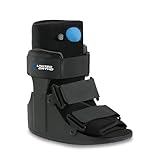
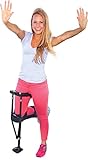
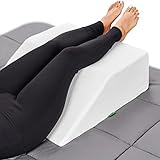
- If you cannot do so, it may benefit you to be in a cast, fractured boot, or even keep the weight off of it with a rolling knee scooter or other protective devices.
- If you have a sit-down job, there are ways to get people back to work quicker, but this can be impossible otherwise.
- Just remember these injuries can take a very long time, specifically 2 to 3 months or more, to come back from if you're going to be on your feet all day. There is a long recovery time and healing time in most cases.
Big Toe Joint Injury & Surgery Immobilization
- There are pros and cons to using a boot to treat your big toe joint injury. If you are immobilized too long, the cons are that you will gradually become stiff and overworked to your other leg.
- The Pros are that your injured heel will hopefully have a chance to heal gradually!
- Our favorite fracture boots and their supplies:


Big Toe Arthritis and Hallux Rigidus:
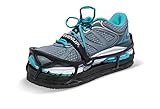
- One of the best treatment options for a stiff big toe is a stiff orthotic.
- The big toe can become arthritic, and what causes the pain is the bone grinding on a joint that cannot move.
- Getting a rigid carbon insole can make a huge difference in preventing the bend of the big toe joint.
- Out of the big toe joint products in the next table, the carbon insole is worth looking at for relieving the big toe joint bed.
- A good over-the-counter orthotic can provide a similar result, and we would otherwise prefer those.


Offloading and Scooter Treatment:
- If you cannot use your foot, it needs to be immobilized: we have found success with offloading the scooters in these products.
- The big toe can become arthritic, and what causes the pain is the bone grinding on a joint that cannot move.
- These are our favorite knee scooters and walking devices:


Best Big Toe Joint Products
- There are usually two phases to treating big toe joint pain
- The two phases of treatment include controlling the acute inflammation with protection and correcting the biomechanics, which led to the problem in the first place.
- If the tendons, joints, and ligaments are inflamed, they are almost frozen in place and cannot function properly.
- Inflammation can mean damage as well, in this most likely needs to be protected as the big toe joint heavily relies upon the weight-bearing joint. So consider discussing with your podiatrist the need for and offloading surgical shoes or boots.
- Once the inflammation is decreased, we need to correct the biomechanical causes to ensure that they can never become overworked and inflamed again!
- The key with an injury or surgery is to keep it protected initially, and when the bone and tendon heels, to get moving before stiffness can set in.
Best Bunion Specific Products:
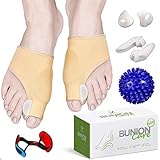
- There are no perfect bunion treatment products.
- Most people end up disappointed after spending a lot of money on bunion pads, bunion gel pads, expensive bunion correctors, and bunion splints!
- The truth is a bunion is a biomechanical injury. The foot is flattening out, and the ankle is flattening out, causing the pain.
- Having a gel pad on the big toe has very little chance of fixing the deformity, although it can stop the rubbing and relieve a lot of the pain.
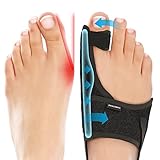
- This is why people sometimes wear splints and correctors. It holds the toe straighter so that the tissue and were's and have left pain.


Big Toe Joint Inflammation Control
Massage & Ice Products
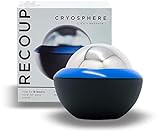
- Ice is an excellent option that can be safe for almost everyone.
- The two phases of treatment include controlling the acute inflammation with protection and correcting the biomechanics, which led to the problem in the first place.
- The more muscle and ligament tissue there is, the better ice will work there.


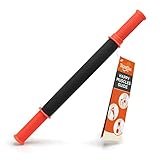
Massage Sticks:
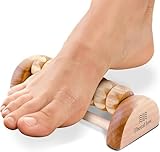
- These can work great for loosening your muscles.
- This can work well as a cream or gel option for your big toe joint pain.
- This allows less tightness and pressure on the ball of your foot.
- This is very effective for the arch, the gastrocnemius, calf muscle, and the hamstring and thigh muscles.
- This also works very well for the gluteus muscles if you are having butt cheek or hip pain.


Massage & Ice Products
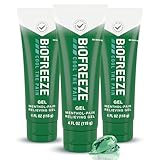
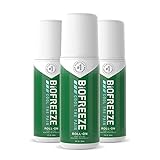
- Ice is an exBiofreeze is one of our favorites.
- This can work well as a cream or gel option for your big toe joint pain.
- These gels have been studied to work 2x as long as ice.
- This can be very effective for the bottom of the heel and Achilles tendon sore regions.


Remove the Big Toe Joint Pressure
- The key is to prevent future pain and to keep pressure off of the big toe joint.
- This means keeping you active while keeping stress off of your big toe joint. This will prevent future bunions, sesamoiditis, turf toe, and even big toe joint arthritis!
- If you can get rid of the pain and swelling, this will let you start walking normally.
- If you can walk normally, the vast majority of your pain should gradually start to go away.
- The best way to ensure that your big toe joint, hammertoes, and foot and ankle ligaments are not overworked is to support them.
- Some people may also need to rely on supportive ankle braces and other supportive modalities.
Best Big Toe Joint & Flat Foot Shoes
- Getting a great supportive pair of shoes will make sure that there is no further pressure onto the ball of your foot and the big toe joint region.
- This is especially important if you have plantar fasciitis, heel spur pain, or Achilles tendonitis.
- Consider shoes combined with a good supportive orthotic for the best pain relief!
- This is very effective for the arch, the gastrocnemius, calf muscle, and the hamstring and thigh muscles.
- The following link will show you what our favorites are.
Best Big Toe Joint & Flat Foot Orthotics
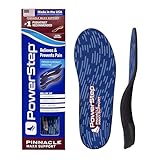
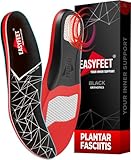
- These are our recommended orthotics for offloading the big toe joint.
- There are different types of orthotics for different types of shoes.
- Women's shoes usually need a less bulky orthotic but allow for less correction of your big toe joint and ball of the foot pain.
- A full-length orthotic requires a running shoe, boot, or comfortable walking/dress shoe.
- We recommend doing everything you can to get a good supportive shoe that can fit a full-length orthotic. This will get you the best results for your bunion, hammertoes, and bunionette.
- This is the best way to maximize your orthotics for great results.
Click this link for the best podiatrist recommended orthotics!
Best Full-Length Orthotics
- These will only work in wider shoes or a good supportive running shoe.
- This will not work in sandals, flats, or most women's dress shoes.


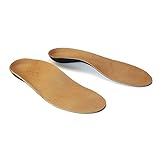
Best Dress Shoe Orthotics:
- These are a great choice for dress orthotics.


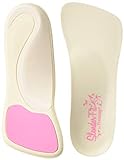
Best 3/4 Length Orthotics:
- These are great options for women's dress shoes and thinner shoes.
- These are not the most supportive pair of orthotics.


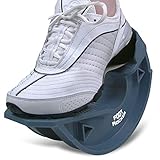
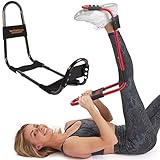
Get A Great Dynamic Stretch
- The goal of getting a great stretch is to improve your ankle flexibility and prevent ball of the foot pain and big toe joint pressure.
- It is possible to stretch on your own, but these products can also really help!
- We personally prefer this method of stretching.


Get A Great Static Stretch:
- This will also help take pressure off of the ball of your foot.
- This works great for plantar fasciitis but can also make your ankle more flexible in removing pressure from the ball of your foot!
- It can be used while watching TV or at night time.


Big Toe Joint, Hammer Toe & Bunionette Problems
Dr. Tom Biernacki, DPM is a board-qualified podiatrist and foot & ankle surgeon serving Southeast Michigan at Balance Foot & Ankle Specialists. A Michigan native, Dr. Biernacki earned his undergraduate degree from Michigan State University and his Doctor of Podiatric Medicine (DPM) from Kent State University College of Podiatric Medicine. He completed a three-year comprehensive surgical residency in foot and ankle surgery in the Detroit metro area.
Dr. Biernacki specializes in the treatment of heel pain, bunions, hammertoes, diabetic foot care, sports injuries, flatfoot correction, and minimally invasive foot surgery. He is dedicated to providing evidence-based, patient-centered care that helps people of all ages stay active and pain-free.
He sees patients at multiple convenient Metro Detroit locations and is committed to community education through the MichiganFootDoctors.com resource library. Dr. Biernacki is a member of the American Podiatric Medical Association (APMA) and the Michigan Podiatric Medical Association (MPMA).