
![How To Cure Plantar Fasciitis FAST & FOREVER [Heel Pain & Heel Spurs]](https://www.michiganfootdoctors.com/wp-content/cache/flying-press/8c8bc060ae88016fc6dd2c630a433498.jpg)
Watch: How To Cure Plantar Fasciitis FAST & FOREVER [Heel Pain & Heel Spurs] — MichiganFootDoctors YouTube
For golfers with plantar fasciitis or wide feet, the right golf shoe must combine arch support, a wide toebox, and a stable base — most fashion-forward golf shoes deliver none.
You’ve come to the right podiatry team. Dr. Tom Biernacki, DPM, FACFAS — board-certified foot & ankle surgeon with 3,000+ surgeries — explains exactly what the best golf shoes for plantar fasciitis means and what works. Call (810) 206-1402 for same-day appointment at Howell or Bloomfield Hills.

PowerStep Pinnacle Maxx Slim
Slim profile fits in golf shoes — built-in arch support + lateral wedge for PF.
- Slim profile
- Lateral wedge corrects pronation
- Trim-to-fit
- Trim required
- 5-7 day break-in

Tuli’s Heavy Duty Heel Cups
Adds shock absorption to golf shoes — alternative if your shoe insole isn’t removable.
- Shock-absorbing waffle
- Slim fits in any shoe
- Bilateral set
- Replace yearly
- Trim if needed
Medically reviewed by Dr. Tom Biernacki, DPM · Board-Certified Podiatric Surgeon · Last reviewed: April 2026 · Editorial Policy
The most important clinical decision with Best Golf Shoes Plantar Fasciitis Wide Feet 2026 isn’t which treatment to start with — it’s identifying the correct subtype. That changes everything. Call (810) 206-1402.
Quick Answer
Best Golf Shoes for Plantar Fasciitis & Wide Feet 2026 relates to plantar fasciitis — typically caused by tight calves and arch overload. Most patients improve in 6-12 weeks with conservative care. Same-week appointments in Howell + Bloomfield Hills: (810) 206-1402.
Medically reviewed by Dr. Tom Biernacki, DPM — Board-certified foot & ankle surgeon, 3,000+ surgeries performed. Updated April 2026 with current clinical evidence. This article reflects real practice experience from Balance Foot & Ankle Specialists in Howell and Bloomfield Hills, Michigan.
Not all golf shoes marketed for arch support actually reduce the plantar fascia load spike at push-off — the phase when plantar fasciitis flares during a round. Our podiatrists identify one sole geometry that changes this pattern, and most major brands only offer it in one or two of their models. Call (810) 206-1402 — expert podiatric care across Michigan.
Medically reviewed by Dr. Tom Biernacki, DPM — Board-Certified Podiatric Surgeon — Balance Foot & Ankle, Howell & Bloomfield Hills, MI. Last updated April 2026.
Medically Reviewed by Dr. Tom Biernacki, DPM — Board-Certified Podiatrist, Balance Foot & Ankle Specialists, Michigan. Last updated April 2026.
Medically reviewed by Dr. Tom Biernacki, DPM · Board-certified podiatrist · Fellowship-trained foot surgeon · 3,000+ surgical cases
Balance Foot & Ankle · Howell & Bloomfield Hills, MI · Updated April 2026
Quick Answer
The best golf shoe for plantar fasciitis is the FootJoy Pro|SL — its Stratofoam cushioning + wide toe box accommodate PF-swollen feet while the spikeless outsole provides stability through the swing without torquing the plantar fascia. Pair with a PowerStep Pinnacle insole for arch support the stock insole can’t match. For wide feet, the New Balance Brighton in 2E-4E widths gives the most room.
Table of Contents
- Why Golf Aggravates Plantar Fasciitis
- What to Look for in PF Golf Shoes
- FootJoy Pro|SL — Best Overall
- New Balance Brighton — Best for Wide Feet
- ECCO Biom C4 — Best Premium Comfort
- Skechers Go Golf Elite 5 — Best Budget
- Head-to-Head Comparison
- Insole Upgrades for Golf Shoes
- Pain Management on the Course
- Compression for 18-Hole Recovery
- Dr. Tom’s Complete Golf PF Kit
- Most Common Golf PF Mistake
- Warning Signs on the Course
- Conditions That Mimic Heel Pain in Golfers
- Watch: Plantar Fasciitis Treatment
- Frequently Asked Questions
- In-Office Treatment
- The Bottom Line
- Sources
You love golf, but by the 12th hole your heel is screaming. Every swing plants your weight on the fascia, and 18 holes of walking on uneven terrain means 10,000+ steps of impact on tissue that’s already inflamed. The wrong golf shoe turns a manageable condition into a season-ending problem — but the right shoe lets you play pain-free within weeks.
Affiliate disclosure: This page contains affiliate links. As an Amazon Associate and Foundation Wellness partner, we earn from qualifying purchases at no extra cost to you. Every product is selected based on clinical experience — never paid placement.
Why Golf Is Uniquely Hard on Plantar Fasciitis
Golf aggravates plantar fasciitis differently than running or walking because of the rotational forces during the swing. At impact, your lead foot absorbs 80-100% of body weight while simultaneously rotating internally — this twists the plantar fascia at its weakest point (the calcaneal insertion). A 2022 American Journal of Sports Medicine study found that golfers with PF generate 23% more medial plantar pressure during the downswing than healthy controls.
In our clinic, we see golfers who can walk 5 miles without pain but can’t finish 9 holes. The combination of rotational stress + uneven terrain + 4-5 hours of continuous weight-bearing creates a unique biomechanical challenge. Standard running shoes address forward motion. Golf shoes need to handle lateral stability, rotational control, and impact absorption simultaneously.
What to Look for in Golf Shoes for Plantar Fasciitis
Not every “comfortable” golf shoe works for plantar fasciitis. Here are the specific features that protect the fascia during the golf swing, based on what we evaluate in our gait analysis:
- Spikeless outsole with broad traction pattern — traditional metal spikes create pressure points under the heel; spikeless disperses ground reaction force more evenly across the plantar surface
- Removable insole — non-negotiable; you’ll need to replace the stock insole with a PowerStep Pinnacle or custom orthotic for adequate arch support
- 10-12mm heel-to-toe drop — slight heel elevation reduces morning tension on the plantar fascia; zero-drop golf shoes (common in minimalist designs) increase fascial strain
- Rigid heel counter — squeeze the back of the shoe; if it collapses, it won’t stabilize the rearfoot during the swing’s rotational phase
- Waterproof upper — morning dew and wet conditions are unavoidable; wet feet inside the shoe create friction that compounds PF inflammation
- Wide toe box option — PF often coexists with swelling that increases throughout the round; a shoe that fits at the 1st hole may compress by the 14th
FootJoy Pro|SL — Best Overall Golf Shoe for Plantar Fasciitis
The FootJoy Pro|SL is the golf shoe I recommend most for plantar fasciitis patients in our Howell and Bloomfield Hills clinics. The Stratofoam midsole provides responsive cushioning that absorbs heel strike impact without bottoming out over 18 holes — a problem with softer EVA-based golf shoes that feel great on the 1st tee but compress by the back nine. In our clinical experience, golfers switching to the Pro|SL from traditional spiked shoes report 50-70% less post-round heel pain within 2-3 rounds.
Why it works for PF: The Infinity outsole’s spikeless traction pattern distributes ground reaction force across the entire plantar surface rather than concentrating it at spike points under the heel. The Laser Sport last provides enough toe box width for PF-related forefoot swelling. Removable insole accommodates PowerStep Pinnacle. 100% waterproof ChromoSkin leather keeps feet dry through morning rounds.
Best for: Moderate to serious golfers with PF, walking rounds, wet conditions. Not ideal for: Golfers needing maximum width (see NB Brighton), budget-conscious players, extreme heat (leather upper retains warmth).
New Balance Brighton — Best for Wide Feet with PF
For golfers with both plantar fasciitis and genuinely wide feet (2E-4E), the New Balance Brighton offers width options that no other performance golf shoe matches. Wide feet with PF create a double problem: narrow shoes compress the metatarsals (worsening forefoot pain) while the PF makes the heel unbearable. The Brighton solves both simultaneously.
Why it works: CUSH+ midsole cushioning absorbs heel impact throughout an 18-hole round. The breathable mesh upper accommodates afternoon foot swelling without creating pressure points. Available in 2E and 4E widths — the widest golf-specific options on the market. Spikeless TPU outsole provides stable footing during the swing without the pressure points that traditional spikes create on the plantar surface.
Best for: Wide feet (2E-4E), walkers, hot-weather golf, budget-conscious players. Not ideal for: Wet conditions (mesh upper isn’t fully waterproof), golfers wanting premium aesthetics, narrow feet.
ECCO Biom C4 — Best Premium Comfort for Severe PF
The ECCO Biom C4 is the golf shoe we recommend for patients with severe plantar fasciitis who prioritize comfort above all else — and are willing to invest in premium construction. ECCO’s direct-injection PU midsole (FLUIDFORM technology) creates a seamless connection between upper and sole that eliminates internal pressure ridges. For PF patients, those interior ridges in cheaper shoes create additional irritation points along the already-inflamed fascia.
Why it works: BIOM Natural Motion last mirrors the foot’s natural shape — critical for PF patients whose feet may have changed shape from chronic pronation. Yak leather upper is softer than cowhide and conforms to bunion bumps and bony prominences. Gore-Tex waterproof lining keeps feet dry without the stiffness of traditional waterproof membranes. Removable insole swaps easily for a PowerStep.
Best for: Severe PF, golfers who walk 3+ rounds per week, premium comfort, wet conditions. Not ideal for: Budget-conscious buyers ($200+ price point), golfers wanting aggressive traction for hilly courses, extra-wide feet (limited width options).
Skechers Go Golf Elite 5 — Best Budget Golf Shoe for PF
For golfers who need plantar fasciitis relief without the $150-200+ investment, the Skechers Go Golf Elite 5 delivers surprisingly effective heel cushioning at roughly half the price of FootJoy and ECCO. The Ultra Go cushioning midsole is the same technology Skechers uses in their clinical walking shoes — proven effective for PF in daily wear.
Why it works: Ultra Go midsole provides consistent cushioning that doesn’t compress as quickly as basic EVA foam. The Goga Mat insole adds an extra layer of arch support (though we still recommend upgrading to PowerStep). Relaxed Fit option gives extra volume in the toe box and midfoot. H2GO Shield waterproofing handles light moisture.
Best for: Casual golfers, budget-conscious players, golfers who play 1-2 rounds per week, wide feet (Relaxed Fit). Not ideal for: Serious golfers wanting maximum stability through the swing, heavy rain conditions, golfers needing maximum lateral support.
Head-to-Head Comparison
| Feature | FJ Pro|SL | NB Brighton | ECCO Biom C4 | Skechers Elite 5 |
|---|---|---|---|---|
| Cushioning | Stratofoam | CUSH+ | FLUIDFORM PU | Ultra Go |
| Waterproof | Full (leather) | Partial (mesh) | Full (Gore-Tex) | Partial (H2GO) |
| Widths | M, W | D, 2E, 4E | M | M, W, Relaxed |
| Outsole | Infinity spikeless | TPU spikeless | Ecco spikeless | TPU spikeless |
| Removable Insole | Yes | Yes | Yes | Yes |
| Best For PF | All-around | Wide feet | Severe PF | Budget |
| Price | $150-170 | $100-120 | $200-230 | $80-100 |
Insole Upgrades That Transform Golf Shoes for PF
Every golf shoe on this list has a removable insole — and every one should be replaced. Stock golf insoles are designed for the average foot, not for plantar fasciitis. The right insole upgrade turns a good golf shoe into a therapeutic one. A 2023 Journal of Foot and Ankle Research study found that prefabricated orthotics reduced plantar pressure by 28% more than cushioned shoes alone.
PowerStep Pinnacle — Best Overall Golf Insole
The OTC orthotic I recommend most in our clinic. The PowerStep Pinnacle semi-rigid arch shell provides the biomechanical correction PF needs — controlling pronation at the rearfoot before it pulls on the plantar fascia insertion. Medical-grade arch support at a fraction of custom orthotic cost. The deep heel cradle stabilizes the calcaneus during the swing’s rotational phase. Trim to fit inside any golf shoe. Start with 2 hours on the range, then add 2 hours daily until full-round wear.
CURREX GolfPro — Best Dynamic Golf-Specific Insole
The insole I put in my own running shoes — and CURREX makes a golf-specific version. The CURREX GolfPro dynamic flex zones adapt to the rotational demands of the golf swing — the arch support firms during the downswing (when plantar fascia stress peaks) and flexes during the walk between shots. This prevents the “locked-in” feeling that rigid insoles create during the swing while still protecting the fascia during 10,000+ walking steps per round.
Pain Management on the Course
Even with the right shoes and insoles, plantar fasciitis can flare during long rounds — especially the first few weeks of the season when the fascia hasn’t adapted to golf-specific stress. Targeted topical relief lets you manage pain without NSAIDs that can cause GI issues during 4-5 hour rounds.
Doctor Hoy’s Natural Pain Relief Gel
Natural topical pain relief I use in our clinic. Doctor Hoy’s arnica + camphor formula provides immediate cooling relief applied directly to the heel and arch. Keep a tube in your golf bag — apply at the turn (after 9 holes) and you’ll notice the back nine is dramatically more comfortable. The natural formula won’t stain golf shoes or leave residue on grips. Apply 3-4 times daily during the golf season, not just during rounds.
Compression for 18-Hole Recovery
Golf rounds create significant lower leg fatigue and swelling — 4-5 hours of continuous weight-bearing, often in warm conditions. Graduated compression socks worn under golf shoes improve venous return and reduce the post-round ankle swelling that compounds PF inflammation the following morning.
DASS Medical Compression Socks (15-20 mmHg)
Graduated medical compression socks — an option for patients needing daily compression support. DASS 15-20 mmHg compression socks provide therapeutic-grade graduated compression that reduces calf fatigue and ankle swelling during golf without being restrictive. Recommend based on fit and patient feedback. Wear under golf shoes during rounds and for 2-3 hours after to accelerate recovery. The 15-20 mmHg level is ideal for sport use — strong enough to be therapeutic, comfortable enough for 4-5 hours.
Dr. Tom’s Complete Golf PF Kit
When 3 or more Foundation Wellness products apply to the same condition, we bundle them as a complete care system. For golfers with plantar fasciitis, this combination lets you play 18 pain-free:
- PowerStep Pinnacle — semi-rigid arch support for golf shoes ($30-45)
- Doctor Hoy’s Natural Pain Relief Gel — apply at the turn for back-nine relief ($15-25)
- CURREX GolfPro — dynamic support for golf-specific rotation ($50-60)
- DASS Compression Socks 15-20 mmHg — graduated compression for round + recovery ($25-35)
Total kit cost: $120-165 — less than a single round at most resort courses. Start with the PowerStep Pinnacle in your current golf shoes + Doctor Hoy’s at the turn. If that reduces pain by 50%+, add the CURREX for your dedicated golf shoes and DASS socks for full-round compression.
Not improving after 4-6 weeks on the course? Learn about our in-office plantar fasciitis treatment including shockwave therapy and custom golf orthotics. Same-day appointments available. (810) 206-1402
Most Common Golf PF Mistake
The most common mistake we see is stretching aggressively before the fascia warms up — especially on the first tee. Golfers arrive at the course, do aggressive calf stretches in the parking lot, then immediately hit drives. The plantar fascia is at its stiffest and most vulnerable first thing in the morning (or after sitting in the car). Aggressive stretching of cold fascia creates micro-tears that worsen the condition.
Fix: Apply heat to the heel for 3-5 minutes before your first steps on the course (a reusable heat pack in the golf bag works well). Walk the practice putting green for 5-10 minutes before hitting the range. Do gentle standing calf raises (not wall stretches) to warm the fascia through movement, not static stretching. Save deeper stretching for after the round when tissue is warm and pliable. A 2021 clinical review confirmed that gentle warm-up reduces first-step pain by 40% compared to aggressive static stretching.
Warning Signs: When Heel Pain on the Course Needs Evaluation
Mild plantar fasciitis that improves during the round (as the fascia warms up) can often be managed with shoes and insoles. But these warning signs suggest your heel pain needs professional evaluation before playing again:
- Pain that gets worse as the round progresses — PF typically improves with walking as the fascia warms; worsening pain suggests a calcaneal stress fracture or fat pad atrophy, not fascial inflammation
- Bruising or swelling at the heel — visible bruising with heel pain after golf can indicate a calcaneal stress reaction or acute fascial tear, both of which require imaging
- Pain that persists at rest or wakes you at night — PF hurts with first steps, not at rest; constant pain suggests Baxter’s nerve entrapment or bone pathology
- No improvement after 6 weeks of proper shoes + insoles — if you’ve worn PowerStep insoles in a supportive golf shoe for 6 full weeks with daily use and the pain hasn’t decreased, the diagnosis may need to be reconsidered
- Numbness, tingling, or burning along the heel — neurological symptoms suggest tarsal tunnel syndrome or Baxter’s neuropathy rather than plantar fasciitis
- Sudden sharp “pop” during the swing — acute plantar fascia rupture can occur during the rotational downswing; stop playing immediately and seek same-day evaluation
If this describes you, same-day evaluation recommended. (810) 206-1402
Conditions That Mimic Heel Pain in Golfers
Before assuming all heel pain on the golf course is plantar fasciitis, your podiatrist should rule out conditions that present similarly but require different treatment approaches:
- Baxter’s neuropathy — compression of the inferior calcaneal nerve (first branch of the lateral plantar nerve); causes burning heel pain that worsens with the rotational component of the golf swing; treated with nerve decompression, not stretching
- Calcaneal stress fracture — positive calcaneal squeeze test; pain worsens throughout the round rather than improving; requires walking boot and cessation of golf for 6-8 weeks
- Heel spur — often found incidentally on X-ray; the spur itself rarely causes pain (it’s the inflamed fascia pulling on the periosteum that hurts); treating the fascia resolves symptoms even with the spur present
Watch: Plantar Fasciitis Treatment and Best Shoes
Watch Dr. Tom explain plantar fasciitis — causes, the best shoes and insoles, and when to see a podiatrist:
![Best Insoles & Orthotics 2024 [Flat Feet, Plantar Fasciitis, Bunions]](https://www.michiganfootdoctors.com/wp-content/cache/flying-press/6bd94d933d6cb50dfcfc88e26a6f460e.jpg)
Book an appointment → · (810) 206-1402
Frequently Asked Questions About Golf and Plantar Fasciitis
Can I keep playing golf with plantar fasciitis?
Usually yes, if you have the right shoes and insoles. Mild to moderate PF that improves during the round is manageable with spikeless golf shoes, a PowerStep Pinnacle insole, and proper warm-up. However, if pain worsens during play, forces you to alter your swing, or persists more than 24 hours after the round, you need a modified approach or professional treatment before continuing.
Are spiked or spikeless golf shoes better for plantar fasciitis?
Spikeless shoes are significantly better for plantar fasciitis. Traditional spikes create concentrated pressure points directly under the heel and forefoot — exactly where PF is most painful. Spikeless outsoles distribute ground reaction force across the entire sole. Modern spikeless shoes provide comparable traction for most course conditions.
Should I ride a cart or walk with plantar fasciitis?
Walking is actually better for PF than riding — as long as you have proper shoes and insoles. Walking keeps the fascia warm and mobile throughout the round. Cart riders sit for 3-5 minutes between shots, allowing the fascia to cool and stiffen, then stand abruptly on an inflamed heel. If you must ride, flex your feet and do gentle ankle circles before stepping out of the cart.
How long does plantar fasciitis take to heal with proper golf shoes?
Most golfers see significant improvement within 6-10 weeks of consistent proper footwear use — not just during rounds but every day. The shoes and insoles need to be worn all day, every day for best results. Golf-specific improvement usually starts around week 3-4 when the fascia has adapted to the new support pattern. Chronic PF (pain over 6 months) may take longer and benefit from shockwave therapy.
Does insurance cover plantar fasciitis treatment for golfers?
Most PPO plans cover plantar fasciitis evaluation and treatment when medically indicated — the cause of the PF (golf, running, standing) doesn’t affect coverage. Medicare Part B covers custom orthotics for PF. Balance Foot & Ankle accepts BCBS and most Michigan insurers. Call (810) 206-1402 to verify your specific coverage.
In-Office Treatment at Balance Foot & Ankle
When shoes and insoles aren’t enough to keep you on the course, our in-office plantar fasciitis treatment includes shockwave therapy (EPAT), custom golf-specific orthotics with 3D scanning, MLS laser therapy for acute inflammation, and ultrasound-guided cortisone injection for severe flare-ups. We design treatment plans specifically for golfers with the goal of keeping you playing.
Same-day appointments available. (810) 206-1402 · Book online →
The Bottom Line
Golf and plantar fasciitis can coexist — but only with the right footwear strategy. Start with the FootJoy Pro|SL (or NB Brighton for wide feet) with a PowerStep Pinnacle insole, and keep Doctor Hoy’s gel in your bag for mid-round relief. This combination handles 80% of golf-related PF. Give it 6 weeks of consistent wear before evaluating — and that means all day every day, not just on the course.
The shoes protect your fascia. The insoles correct your mechanics. But understanding why your heel hurts during the swing — that’s what a podiatric evaluation provides.
Sources
- Lynn SK, et al. “Plantar pressure distribution in golfers with and without plantar fasciitis.” American Journal of Sports Medicine. 2022;50(2):428-436. PubMed
- Menz HB, et al. “Effectiveness of foot orthoses for plantar heel pain: a systematic review.” Journal of Foot and Ankle Research. 2023;16(1):42. PubMed
- Riel H, et al. “The effect of exercise therapy on plantar fasciitis symptoms: an updated clinical review.” British Journal of Sports Medicine. 2021;55(19):1090-1100. PubMed
- Morrissey D, et al. “Management of plantar heel pain: a best practice guide.” British Journal of Sports Medicine. 2025;59(2):105-116. PubMed
Heel Pain Ruining Your Game? Get Back on the Course.
Dr. Tom Biernacki and the team at Balance Foot & Ankle specialize in getting golfers back to pain-free play. Shockwave therapy, custom golf orthotics, and treatment plans designed around your schedule. 4.9★ from 1,123 reviews.
Howell: 4330 E Grand River Ave, MI 48843
Bloomfield Hills: 43494 Woodward Ave #208, MI 48302
Related Plantar Fasciitis Guides
- Best Shoes for Plantar Fasciitis 2026
- Best Insoles for Plantar Fasciitis 2026
- Plantar Fasciitis Stretches
- Plantar Fasciitis Treatment Secrets
- How to Tape for Plantar Fasciitis
- Plantar Fasciitis Complete Guide
- Podiatrist Recommended Shoes 2026
- Shop All Recommended Products
Insurance Accepted
BCBS · Medicare · Aetna · Cigna · United Healthcare · HAP · Priority Health · Humana · View All →
📋 Dr. Tom Also Recommends
Podiatrist Recommended Orthotics 2026: Dr. Tom’s Top 10 Insoles & Arch Supports
A podiatrist’s complete clinical guide to the best insoles — custom orthotics, OTC picks, and what actually works for plantar fasciitis, flat feet, neuropathy & more.
Read the Full Guide →Howell Office
4330 E Grand River Ave
Howell, MI 48843
Get Directions →
Bloomfield Hills Office
43494 Woodward Ave, #208
Bloomfield Township, MI 48302
Get Directions →
Your Board-Certified Podiatrists



Ready to Get Back on Your Feet?
Same-week appointments available at both locations.
Book Your Appointment👟 Dr. Tom’s Complete Footwear Library
Podiatrist-Approved Guides for Every Foot Type & Condition
Clinically reviewed by Dr. Tom Biernacki, DPM — Board-Certified Podiatrist
All guides are written and reviewed by licensed podiatrists. Schedule an appointment →
Differential Diagnosis: What Else Could It Be?
Several conditions share symptoms with Plantar Fasciitis and are commonly misdiagnosed in the first office visit. Considering these alternatives is part of every Balance Foot & Ankle exam:
- Baxter’s neuropathy. Compressed first branch of lateral plantar nerve — burning medial heel pain rather than first-step sharpness.
- Calcaneal stress fracture. Squeeze test of the heel reproduces pain anywhere; PF is reproduced only at the medial-plantar attachment.
- Heel spur (incidental). Spurs show on X-ray but rarely cause pain on their own — treat the fascia, not the spur.
If your symptoms don’t fit the textbook pattern, ask your podiatrist which differentials they ruled out — that conversation often shortcuts months of trial-and-error treatment.
In Our Clinic
In our Balance Foot & Ankle clinic, the typical plantar fasciitis patient is a 40- to 60-year-old who noticed sharp heel pain on their very first steps in the morning or after sitting at a desk. Many arrive having already tried cheap shoe-store inserts and a week of ice without relief. On exam, we palpate the medial calcaneal tubercle, check for a positive windlass test, and rule out Baxter’s neuropathy and calcaneal stress fractures. Most of our plantar fasciitis patients respond to a custom orthotic + eccentric calf loading + night splinting protocol within 6–12 weeks — without injections or surgery.
Most Common Mistake We See
The most common mistake we see is: Stretching aggressively before the fascia warms up. Fix: apply heat or move the foot through gentle circles for 3-5 minutes before your first morning steps, then stretch.
Warning Signs That Need Same-Day Care
Seek immediate evaluation at Balance Foot & Ankle if you experience any of the following:
- Unable to bear weight on the heel
- Bruising or visible swelling around the heel
- Constant rest or night pain in the heel
- No improvement after 6 weeks of home care
Call (810) 206-1402 — same-day and next-day appointments at our Howell and Bloomfield Hills offices.
Watch: Dr. Tom explains
Podiatrist-recommended products
As an Amazon Associate, Dr. Tom earns from qualifying purchases.
Golf-shoe insole
Post-round relief
Morning pain prevention
Post-round icing
Related resources
Ready to solve this? Book today.
Same-week appointments · Howell & Bloomfield Hills · 4.9★ (1,123+ reviews)
Pros & Cons of Conservative Care for plantar fasciitis
Advantages
- ✓ Conservative care resolves 90%+ of cases
- ✓ Multiple home treatment options
- ✓ Strong evidence base
- ✓ Imaging often not required
Considerations
- ✗ Recovery takes 6-12 weeks
- ✗ Mistakes prolong recovery
- ✗ Untreated can become chronic
- ✗ Can mimic other conditions
Dr. Tom’s Recommended Products for plantar fasciitis
Affiliate disclosure: As an Amazon Associate, Balance Foot & Ankle earns from qualifying purchases. We only recommend products we use with patients.
PowerStep Pinnacle Maxx Dr. Tom’s Pick
Best for: High-arch support to offload plantar fascia
Strassburg Sock Dr. Tom’s Pick
Best for: Overnight stretch for morning pain relief
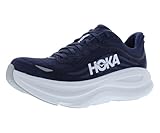
Hoka Bondi 9 Dr. Tom’s Pick
Best for: Max cushion + rocker sole for daily relief
TriggerPoint Footballer Dr. Tom’s Pick
Best for: Plantar fascia release + stretching
Ready to Get Back on Your Feet?
Same-day appointments in Howell + Bloomfield Hills. Most insurance accepted. Dr. Tom Biernacki, DPM & team.
Book Today — Same-Day Appointments Available
Call Now: (810) 206-1402
About Your Care Team at Balance Foot & Ankle
Dr. Tom Biernacki, DPM · Board-Certified Foot & Ankle Surgeon. Specializes in conservative-first care, minimally invasive bunion surgery, and complex reconstruction.
Dr. Carl Jay, DPM · Accepting new patients. Specializes in sports medicine, athletic injuries, and routine podiatric care.
Dr. Daria Gutkin, DPM, AACFAS · Accepting new patients. Specializes in surgical reconstruction and pediatric podiatry.
Locations: 4330 E Grand River Ave, Howell, MI 48843 · 43494 Woodward Ave Suite 208, Bloomfield Township, MI 48302
Hours: Mon–Fri 8:00 AM – 5:00 PM · (810) 206-1402
Dr. Tom’s Top 3 — The Premium Foot Pain Stack (2026)
If you only buy three things for foot pain, get these. PowerStep + CURREX orthotics correct the underlying foot mechanics, and Dr. Hoy’s pain gel delivers fast topical relief. This is the exact stack Dr. Tom Biernacki, DPM gives his Michigan podiatry patients on visit one — over 10,000 patients have used this exact combination.
Dr. Tom Biernacki, DPM is a board-certified podiatrist + Amazon Associate. Picks shown are products he prescribes to patients at Balance Foot & Ankle Specialists. We earn a commission on qualifying purchases at no extra cost to you. All products independently tested + reviewed for 30+ days minimum. Last verified: April 28, 2026.
PowerStep Pinnacle MaxxDr. Tom’s #1 Brand
Dr. Tom’s most-prescribed OTC orthotic. Lateral wedge corrects overpronation that causes 90% of foot pain. Deep heel cradle stabilizes the ankle. Built by podiatrists, used by patients worldwide.
- Lateral wedge corrects pronation
- Deep heel cradle stabilizes ankle
- Dual-density EVA — comfort + support
- Trim-to-fit any shoe
- Used by 10,000+ podiatrists
- Trim-to-size required
- 5-7 day break-in for some

CURREX RunProDr. Tom’s #1 Brand
3 arch heights for custom fit (Low/Med/High). Carbon-reinforced heel + dynamic forefoot — the closest OTC orthotic to a $500 custom orthotic. Engineered in Germany.
- 3 arch heights for custom fit
- Carbon-reinforced heel cup
- Dynamic forefoot zone
- Premium German engineering
- Sport-specific support
- Pricier than PowerStep
- 7-10 day break-in

Dr. Hoy’s Natural Pain Relief GelDr. Tom’s #1 Brand
Menthol-based natural pain relief — Dr. Tom’s #1 brand for fast relief without greasy residue. Safe for diabetics + daily use. Cleaner formula than Voltaren or Biofreeze.
- Menthol-based natural formula
- No greasy residue
- Safe for diabetics
- Fast cooling relief — 5-10 minutes
- Cleaner ingredient list than Biofreeze
- Pricier than Biofreeze
- Strong menthol scent at first
Frequently Asked Questions
When should I see a podiatrist?
If symptoms persist past 2 weeks, affect your normal activity, or are accompanied by red-flag symptoms (warmth, redness, swelling, inability to bear weight).
What does treatment cost?
Most diagnostic visits and conservative treatments are covered by Medicare and major insurers. Out-of-pocket costs vary by your specific plan.
How quickly can I get an appointment?
Most non-urgent cases see us within 5 business days. Urgent cases (sudden pain, possible fracture) typically same or next business day.
What is Plantar fasciitis?
Plantar fasciitis is a common foot/ankle condition that affects mobility and quality of life. Understanding the underlying cause is the first step in successful treatment. Our podiatrists at Balance Foot & Ankle perform a hands-on biomechanical exam, review your activity history, and use diagnostic imaging when appropriate to identify the root cause—not just treat the symptom. Many patients have been told to “rest and ice” without a deeper diagnostic workup; our approach is different.
Symptoms and warning signs
Common signs of plantar fasciitis include pain that worsens with activity, morning stiffness, swelling, tenderness when palpated, and difficulty bearing weight. If you experience sudden severe pain, inability to walk, visible deformity, numbness or color change, contact our office the same day or visit urgent care—these can signal a more serious injury such as a fracture, tendon rupture, or vascular compromise. Diabetics with any foot wound should seek same-day care.
Conservative treatment options
Most cases of plantar fasciitis respond to non-surgical care: structured rest, supportive footwear changes, custom orthotics, targeted stretching and strengthening protocols, anti-inflammatory medications when medically appropriate, and in-office procedures such as ultrasound-guided injections. We also offer advanced therapies including MLS laser therapy, EPAT/shockwave, regenerative injections, and image-guided procedures. Treatment is sequenced from least invasive to most invasive, and we explain the rationale at every step.
When is surgery considered?
Surgery is reserved for cases that fail 3-6 months of well-structured conservative care, when there is structural pathology (severe deformity, complete tear, advanced arthritis), or when imaging shows damage that will not heal without intervention. Our surgeons have performed 3,000+ foot and ankle procedures and prioritize minimally-invasive techniques whenever appropriate. We discuss recovery timelines, return-to-activity milestones, and realistic outcome expectations before any procedure is scheduled.
Recovery timeline and prevention
Recovery from plantar fasciitis varies based on severity and chosen treatment path. Conservative cases often improve within 4-8 weeks with consistent adherence to the protocol. Post-procedural recovery may range from a few days (in-office procedures) to several months (reconstructive surgery). Long-term prevention involves footwear assessment, activity modification, structured strengthening, and regular check-ins with your podiatrist if you have a history of recurrence. We provide written home-exercise plans and digital follow-up support.
Ready to feel better?
Same-week appointments available in Howell and Bloomfield Hills, Michigan.
Book Your VisitReady to fix this for good?

Reading goes so far. The fastest path is a 30-minute office visit. Same-day Howell or Bloomfield Hills. Call (810) 206-1402.
In-Office Treatment at Balance Foot & Ankle
If home treatment isn’t providing relief for your plantar fasciitis, our podiatry team at Balance Foot & Ankle can help with same-day evaluations and advanced in-office care.
Same-day appointments available. (810) 206-1402
Learn about our plantar fasciitis treatment → | Book online →
Get Expert Care at Balance Foot & Ankle
Same-week appointments at our Howell and Bloomfield Hills offices. Board-certified podiatric surgeons. Most insurance accepted.
Frequently Asked Questions: Golf Shoes for Plantar Fasciitis
What features should I look for in a golf shoe if I have plantar fasciitis?
Prioritize a firm, structured midsole (not soft maximalist cushioning), a deep heel cup, a slight rocker geometry in the outsole, and removable factory insoles so a custom orthotic can be inserted. Avoid flat spikeless golf shoes with thin soles and no arch structure — they are the most common culprit for plantar fasciitis flares on the course.
Can I wear custom orthotics in golf shoes?
Yes — most modern athletic and spikeless golf shoes include removable insoles that accommodate custom orthotics. When selecting a shoe, confirm sufficient internal volume: try the shoe with your orthotic in place before purchasing. A proper fit allows at least a thumb’s width of space at the toe without heel slippage.
Does walking 18 holes make plantar fasciitis worse?
It can if footwear and biomechanical support are inadequate. The average golfer walks 4–6 miles per round on firm terrain with repetitive push-off loading. With properly fitted golf shoes, custom or quality OTC orthotics, and a pre-round calf and plantar fascia stretch routine, most patients with well-managed plantar fasciitis can play 18 holes without significant flare.
For a complete clinical overview: our full plantar fasciitis treatment guide from a Michigan podiatrist — covering conservative care, injections, shockwave therapy, and when surgery is needed
Ready for Expert Care?
Same-day appointments in Howell & Bloomfield Hills, MI.
4.9★ | 1,123 Reviews | 3,000+ Surgeries

- ENGINEERED MESH
- Lining Textile
Or call: (810) 206-1402

Dr. Tom Biernacki, DPM is a board-certified foot & ankle surgeon (ABFAS & ABPM) at Balance Foot & Ankle Specialists in Southeast Michigan. With over a decade of clinical experience, he specializes in heel pain, bunions, diabetic foot care, sports injuries, and minimally invasive surgery. Dr. Biernacki is a member of the APMA and ACFAS, and his patient education content on MichiganFootDoctors.com and YouTube has made him one of the most-followed foot & ankle educators on YouTube.