
Medically reviewed by Dr. Tom Biernacki, DPM — Board-certified foot & ankle surgeon, 3,000+ surgeries performed. Updated April 2026 with current clinical evidence. This article reflects real practice experience from Balance Foot & Ankle Specialists in Howell and Bloomfield Township, Michigan.
The most important clinical decision with Skiing Snowboarding Foot Injuries Boot Fit Ankle Sprains isn’t which treatment to start with — it’s identifying the correct subtype. That changes everything. Call (810) 206-1402.
Quick Answer
An ankle sprain is a stretch or tear of the lateral ligaments caused by an inward roll of the foot. Grades 1-2 respond to RICE, bracing, and progressive loading within 2-4 weeks. See a podiatrist same-day if you cannot bear weight, have bone tenderness, or severe swelling within 1 hour (Ottawa Rules).
Watch: Dr. Tom Biernacki, DPM
/div>Medically reviewed by Dr. Tom Biernacki, DPM
▶ Watch

📋 Dr. Tom Also Recommends
Podiatrist Recommended Orthotics 2026: Dr. Tom’s Top 10 Insoles & Arch Supports
A podiatrist’s complete clinical guide to the best insoles — custom orthotics, OTC picks, and what actually works for plantar fasciitis, flat feet, neuropathy & more.
Read the Full Guide →Board-certified podiatric surgeon | Balance Foot & Ankle
Last reviewed: April 2026
In This Guide
March 2026 |
Foot Demands of Winter Sports
 ankle sprain treatment, Balance Foot & Ankle Howell MI” class=”wp-image-57389″ width=”1200″ height=”630″ loading=”eager” fetchpriority=”high” decoding=”async”/>
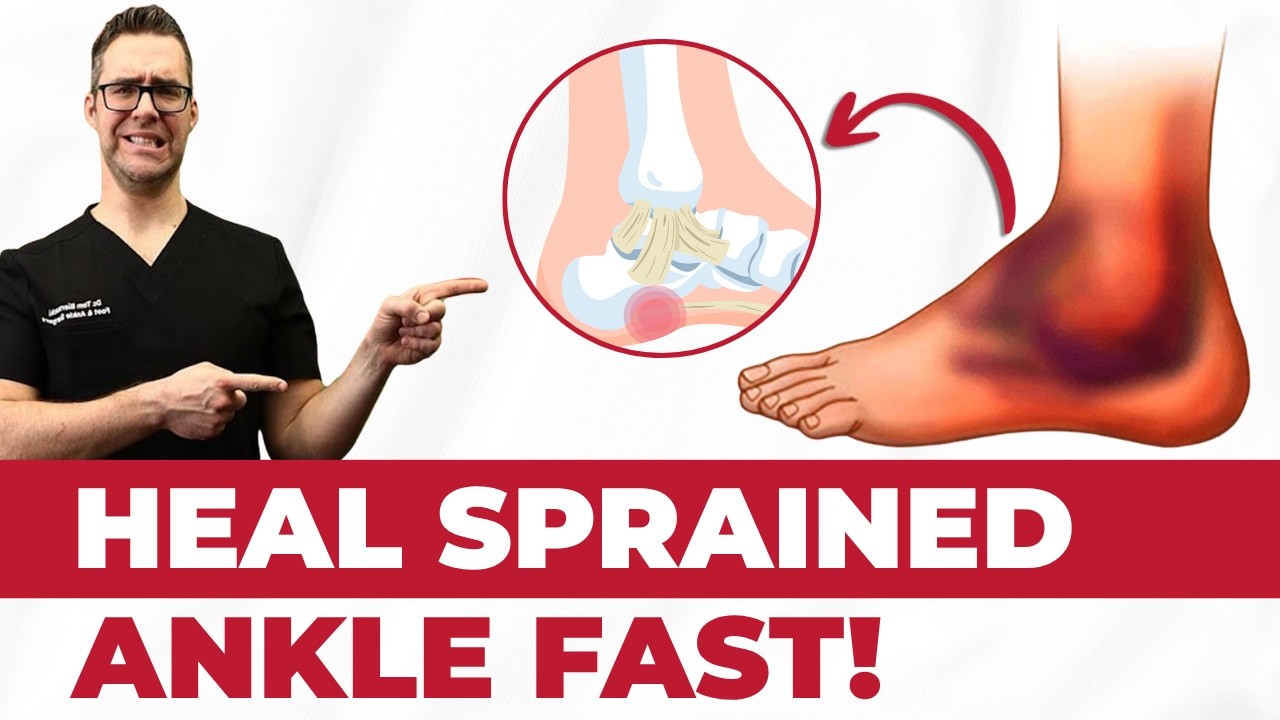
Watch: Fix TWISTED Ankle, ROLLED Ankle or SPRAINED Ankle Ligaments FASTER! — MichiganFootDoctors YouTube
Downhill skiing and snowboarding are among the most popular winter recreational activities in Michigan, with resorts in the northern Lower Peninsula and the Upper Peninsula drawing skiers and snowboarders from the Detroit metropolitan area throughout the winter season. These sports impose distinct and sometimes severe forces on the foot and ankle through the interface of a rigid boot, binding system, and snow surface — a combination that creates both acute injury risk and chronic overuse problems from improper equipment fitting.
Ski Boot Injuries and Boot Fit
The rigid ski boot is simultaneously a primary protection against ankle fracture and a cause of numerous chronic foot problems when poorly fitted. Boot-top fractures — tibial shaft fractures at the level of the boot top — are the most serious ski-related lower extremity injuries, caused by the boot transferring extreme bending forces to the lower leg during falls. Within the boot, pressure point injuries are the most common chronic problem: the navicular, first and fifth metatarsal heads, and heel are frequent sites of boot compression that causes bruising, bursitis, and in extreme cases stress fractures. A qualified boot fitter who assesses foot anatomy, creates shell impressions, and heat-molds the liner to individual foot shape is the most important investment a dedicated skier can make for foot health and skiing performance.
Anterior ankle impingement occurs in aggressive skiers who flex the ankle forcefully into the boot, compressing the dorsal ankle joint. Pain on the front of the ankle that worsens with skiing and improves with a forward lean adjustment to the boot is the characteristic presentation. Custom ski orthotics that improve foot alignment within the boot distribute pressure more effectively and reduce impingement forces.
Snowboard-Specific Injuries
 Ski boot fit and custom insoles – preventing foot pain skiing podiatrist Michigan” class=”wp-image-57391″ width=”800″ height=”450″ loading=”lazy” decoding=”async”/>
Snowboarders face a distinct injury profile from skiers because both feet are fixed to a single board with more flexible bindings and boots. Lateral ankle sprains are the most common acute injury in snowboarding, occurring during edge catches and falls. The softer boot used in freestyle snowboarding provides less ankle protection than ski boots. The leading foot in a snowboard stance is subjected to significant dorsiflexion and eversion forces during turns that load the anterior talofibular and deltoid ligaments repetitively.
When to see a podiatrist after a skiing or snowboarding injury:
- Inability to bear weight after a fall or collision on the slopes
- Persistent ankle pain or swelling that worsens over 24 to 48 hours
- Numbness, white, or waxy skin on toes after cold exposure
- Bruising on the outside of the foot after a snowboarding fall (possible lateral process fracture)
- Recurring foot or ankle pain that flares every ski season
Cold-Related Foot Problems in Winter Sports
 frostbite Raynaud treatment Michigan” class=”wp-image-57388″ width=”800″ height=”450″ loading=”lazy” decoding=”async”/>
Tight-fitting ski boots compress the foot and restrict blood flow, increasing cold injury risk during long days on the mountain. Raynaud syndrome — exaggerated vasoconstriction in response to cold causing blanching, numbness, and discoloration of the toes — is particularly problematic in ski boots that limit the foot movement that generates warmth. Insulated boot liners, chemical heat packs placed over the boot, and ensuring that the boot is not buckled too tightly across the dorsum of the foot are the primary management strategies. Any persistent white, blue, or black discoloration of the toes after skiing warrants medical evaluation to rule out frostbite.
Recommended Gear for Winter Sport Foot Protection
These products address the most common contributors to skiing and snowboarding foot injuries — poor arch support, inadequate circulation, and post-activity recovery.
PowerStep Pinnacle Arch Supports fit inside ski boots and snowboard boots, providing the medial arch support that stock boot liners lack. Proper arch support reduces forefoot pressure, prevents metatarsalgia, and improves edge control by optimizing foot alignment within the boot. Check price on Amazon
SB SOX Compression Socks maintain circulation during cold weather activity and reduce post-skiing swelling. Graduated compression is particularly important for skiers prone to Raynaud symptoms, as improved venous return helps maintain toe warmth and reduces cold-induced vasospasm. Check price on Amazon
TheraBand Foot Roller provides targeted relief after long days on the mountain. The textured surface breaks up adhesions in the plantar fascia and intrinsic foot muscles that tighten from hours in rigid ski or snowboard boots. Check price on Amazon
Affiliate disclosure: We may earn a small commission on qualifying purchases at no cost to you. We only recommend products we use in our clinic.
In-Office Treatment at Balance Foot & Ankle
If home care isn’t resolving your ankle pain, a visit with a board-certified podiatrist is the fastest path to accurate diagnosis and a personalized plan. At Balance Foot & Ankle Specialists, Dr. Tom Biernacki, Dr. Carl Jay, and Dr. Daria Gutkin offer same-day and next-day appointments at both our Howell and Bloomfield Township offices. We perform on-site diagnostic ultrasound, digital X-ray, conservative care, advanced regenerative treatments, and minimally invasive surgery when indicated.
Call (810) 206-1402 or request an appointment online. Most insurance plans accepted, including Medicare, Blue Cross Blue Shield, Aetna, Cigna, and United Healthcare.
More Podiatrist-Recommended Ankle Sprain Essentials
Stability Walking/Running Shoe
Brooks Adrenaline GTS 25 — lateral support during recovery walking.
KT Tape for Ankle Support
KT Tape — proprioceptive support for athletic return-to-play.
Supportive Insole

PowerStep Pinnacle — arch support reduces re-injury risk during recovery.
As an Amazon Associate, Balance Foot & Ankle earns from qualifying purchases. Product recommendations are based on clinical experience; prices and availability shown above update live from Amazon.
When to See a Podiatrist
A sprain that hasn’t fully recovered after 6 weeks often has residual ligament laxity or occult fracture that keeps the ankle unstable. Balance Foot & Ankle X-rays and stress-tests every lingering sprain — if the ligament is torn, we offer bracing, PRP, and (for chronic instability) minimally-invasive repair. Don’t keep re-rolling the same ankle; let us stabilize it properly.
Call Balance Foot & Ankle: (810) 206-1402 · Book online · Offices in Howell & Bloomfield Township
Frequently Asked Questions About Winter Sport Foot Injuries
Why do my feet go numb in ski boots?
Numbness in ski boots usually results from excessive shell compression on the dorsum of the foot, overtightened buckles restricting circulation, or cold-induced vasoconstriction. The fix starts with proper boot fitting — a qualified boot fitter can punch out pressure points in the shell, and custom insoles improve alignment so the foot sits correctly without excessive pressure on nerves.
What is snowboarder’s ankle?
Snowboarder’s ankle refers to a fracture of the lateral process of the talus — a bone chip that occurs when the ankle is forced into dorsiflexion and inversion during a fall. This injury is frequently misdiagnosed as a simple ankle sprain because initial X-rays may not clearly show the fracture. CT imaging is often needed for diagnosis, and delayed treatment leads to chronic pain.
Can I ski with Raynaud syndrome?
Many people with Raynaud syndrome can ski with proper preparation — chemical toe warmers, boot heaters, compression socks, and taking warming breaks. However, severe Raynaud with digital ulceration requires medical clearance before cold-weather sports. If your toes turn white or blue and do not pink up within 15 minutes of warming, see a podiatrist for evaluation.
The Bottom Line
Skiing and snowboarding foot injuries range from preventable boot-fit problems to serious fractures and cold injuries. Proper ski boot fitting, custom insoles, ankle conditioning, and cold weather awareness prevent the majority of winter sport foot problems. If you are a skier or snowboarder in Howell or Bloomfield Township, Michigan experiencing persistent foot or ankle pain, a pre-season or post-injury evaluation can keep you on the mountain safely.
Ready to Get Relief?
Same-day appointments available in Howell & Bloomfield Township, MI
4.9★ | 1,123 Reviews | 3,000+ Surgeries
Or call: (810) 206-1402
Insurance Accepted
BCBS · Medicare · Aetna · Cigna · United Healthcare · HAP · Priority Health · Humana · View All →
Howell Office
4330 E Grand River Ave
Howell, MI 48843
Get Directions →
Bloomfield Township Office
43494 Woodward Ave, Suite 208
Bloomfield Township, MI 48302
Get Directions →
Your Board-Certified Podiatrists



Ready to Get Back on Your Feet?
Same-week appointments available at both locations.
Book Your Appointment👟 Dr. Tom’s Complete Footwear Library
Podiatrist-Approved Guides for Every Foot Type & Condition
Clinically reviewed by Dr. Tom Biernacki, DPM — Board-Certified Podiatrist
All guides are written and reviewed by licensed podiatrists. Schedule an appointment →
Watch: Skiing & Snowboarding Foot Injuries
Dr. Tom on winter sport injuries — ski boot fit pain, snowboarder’s ankle (lateral talar process fx), Raynaud’s in mountain cold, pre-trip custom orthotics, prevention strategies.

Mountain Sports Kit
Ski/snowboard ready. Dr. Tom’s kit:
As an Amazon Associate, Balance Foot & Ankle earns from qualifying purchases. This supports our free patient education content.
Custom arch + boot pressure relief.
Snowboarder’s ankle prevention.
Post-day inflammation.
Topical post-slope relief.
Related: Ski Boot Pain · Raynaud · Book Same-Week Appointment
Differential Diagnosis: What Else Could It Be?
Several conditions share symptoms with Ankle Sprain and are commonly misdiagnosed in the first office visit. Considering these alternatives is part of every Balance Foot & Ankle exam:
- Peroneal tendon tear. Snapping behind the lateral malleolus or weakness everting the foot.
- High-ankle (syndesmosis) sprain. Pain over the syndesmosis with squeeze + external rotation — needs longer recovery.
- Lateral malleolus fracture. Bone-point tenderness positive on Ottawa rules — get an X-ray.
If your symptoms don’t fit the textbook pattern, ask your podiatrist which differentials they ruled out — that conversation often shortcuts months of trial-and-error treatment.
In Our Clinic
Most of our ankle sprains are acute — a patient comes in the same day or within 48 hours after rolling the ankle. We apply the Ottawa Ankle Rules first: bone tenderness at the posterior malleolus, navicular, or base of the 5th metatarsal, or inability to bear weight for 4 steps, means we image immediately to rule out fracture. For a clean grade 1–2 lateral ligament sprain, we use a short period of boot immobilization if needed, then transition into an ankle brace + proprioception training. The mistake we often see: patients skip the rehab phase and re-sprain within a year.
Most Common Mistake We See
The most common mistake we see is: Returning to sport as soon as the pain resolves. Fix: first pass a 30-second single-leg balance test with eyes closed and complete a graded return-to-sport progression.
Warning Signs That Need Same-Day Care
Seek immediate evaluation at Balance Foot & Ankle if you experience any of the following:
- Unable to bear weight for four steps
- Bone tenderness at the ankle bones (Ottawa)
- Severe swelling within one hour of injury
- Numbness or tingling in the foot
Call (810) 206-1402 — same-day and next-day appointments at our Howell and Bloomfield Township offices.
Frequently Asked Questions
When should I see a podiatrist?
If symptoms persist past 2 weeks, affect your normal activity, or are accompanied by red-flag symptoms (warmth, redness, swelling, inability to bear weight).
What does treatment cost?
Most diagnostic visits and conservative treatments are covered by Medicare and major insurers. Out-of-pocket costs vary by your specific plan.
How quickly can I get an appointment?
Most non-urgent cases see us within 5 business days. Urgent cases (sudden pain, possible fracture) typically same or next business day.
What is Ankle sprain?
Ankle sprain is a common foot/ankle condition that affects mobility and quality of life. Understanding the underlying cause is the first step in successful treatment. Our podiatrists at Balance Foot & Ankle perform a hands-on biomechanical exam, review your activity history, and use diagnostic imaging when appropriate to identify the root cause—not just treat the symptom. Many patients have been told to “rest and ice” without a deeper diagnostic workup; our approach is different.
Symptoms and warning signs
Common signs of ankle sprain include pain that worsens with activity, morning stiffness, swelling, tenderness when palpated, and difficulty bearing weight. If you experience sudden severe pain, inability to walk, visible deformity, numbness or color change, contact our office the same day or visit urgent care—these can signal a more serious injury such as a fracture, tendon rupture, or vascular compromise. Diabetics with any foot wound should seek same-day care.
Conservative treatment options
Most cases of ankle sprain respond to non-surgical care: structured rest, supportive footwear changes, custom orthotics, targeted stretching and strengthening protocols, anti-inflammatory medications when medically appropriate, and in-office procedures such as ultrasound-guided injections. We also offer advanced therapies including MLS laser therapy, EPAT/shockwave, regenerative injections, and image-guided procedures. Treatment is sequenced from least invasive to most invasive, and we explain the rationale at every step.
When is surgery considered?
Surgery is reserved for cases that fail 3-6 months of well-structured conservative care, when there is structural pathology (severe deformity, complete tear, advanced arthritis), or when imaging shows damage that will not heal without intervention. Our surgeons have performed 3,000+ foot and ankle procedures and prioritize minimally-invasive techniques whenever appropriate. We discuss recovery timelines, return-to-activity milestones, and realistic outcome expectations before any procedure is scheduled.
OrthoInfo – AAOS: Sprained Ankle
Recovery timeline and prevention
Recovery from ankle sprain varies based on severity and chosen treatment path. Conservative cases often improve within 4-8 weeks with consistent adherence to the protocol. Post-procedural recovery may range from a few days (in-office procedures) to several months (reconstructive surgery). Long-term prevention involves footwear assessment, activity modification, structured strengthening, and regular check-ins with your podiatrist if you have a history of recurrence. We provide written home-exercise plans and digital follow-up support.
Ready to feel better?
Same-week appointments available in Howell and Bloomfield Township, Michigan.
Book Your Visit
Dr. Tom Biernacki, DPM is a board-certified foot & ankle surgeon (ABFAS & ABPM) at Balance Foot & Ankle Specialists in Southeast Michigan. With over a decade of clinical experience, he specializes in heel pain, bunions, diabetic foot care, sports injuries, and minimally invasive surgery. Dr. Biernacki is a member of the APMA and ACFAS, and his patient education content on MichiganFootDoctors.com and YouTube has made him one of the most-followed foot & ankle educators on YouTube.
More questions patients ask
How long does an ankle sprain take to heal?
Recovery time depends on severity: Grade 1 (mild stretching) typically heals in 1-3 weeks, Grade 2 (partial tear) in 3-6 weeks, and Grade 3 (complete tear) in 6-12 weeks or longer. Proper rehabilitation is critical to prevent chronic ankle instability, which affects up to 40% of patients who don't receive adequate treatment. Dr. Biernacki creates customized recovery plans.
When should I see a doctor for a sprained ankle?
Seek professional evaluation if you can't bear weight, notice significant swelling or bruising, hear a pop at the time of injury, have numbness, or if pain hasn't improved after 5-7 days of RICE treatment. X-rays or MRI may be needed to rule out fractures. Dr. Biernacki offers same-day urgent evaluations at 810-206-1402.
Can a sprained ankle heal without treatment?
While mild sprains may heal with rest and home care, undiagnosed ligament tears and improperly rehabilitated sprains frequently lead to chronic ankle instability, recurrent sprains, and early-onset arthritis. A proper evaluation ensures appropriate treatment and reduces your risk of long-term complications significantly.
Still have a question about coverage or cost? Book online and we will check your benefits before your visit: Book in Howell · Book in Bloomfield Township. Prefer to talk it through first? Call (810) 206-1402.