
Custom orthotics are prescription devices crafted from a digital scan and biomechanical exam; prefabricated insoles are mass-produced. The right pick depends on your specific diagnosis.
You’ve come to the right podiatry team. Dr. Tom Biernacki, DPM, FACFAS — board-certified foot & ankle surgeon with 3,000+ surgeries — explains exactly what custom vs prefabricated orthotics means and what works. Book online or call (810) 206-1402 for same-day appointment at Howell or Bloomfield Township.

![Best Insoles & Orthotics 2026 [Flat Feet, Plantar Fasciitis, Bunions]](https://www.michiganfootdoctors.com/wp-content/cache/flying-press/c8bafcb9b179f8abb63d894b334fd14e.jpg)
Watch: Best Insoles & Orthotics 2026 [Flat Feet, Plantar Fasciitis, Bunions] — MichiganFootDoctors YouTube
Medically reviewed by Dr. Tom Biernacki, DPM · Board-Certified Podiatric Surgeon · Last reviewed: April 2026 · Editorial Policy
The most important clinical decision with Custom Vs Prefabricated Orthotics Comparison Guide isn’t which treatment to start with — it’s identifying the correct subtype. That changes everything. Call (810) 206-1402.
Quick Answer
Custom vs. Prefabricated Orthotics: Which Do You Need? relates to orthotic fitting — typically caused by biomechanical foot needs. Most patients improve in 2 weeks to break in with conservative care. Same-week appointments in Howell + Bloomfield Township: (810) 206-1402.
Medically reviewed by Dr. Tom Biernacki, DPM — Board-certified foot & ankle surgeon, 3,000+ surgeries performed. Updated April 2026 with current clinical evidence. This article reflects real practice experience from Balance Foot & Ankle Specialists in Howell and Bloomfield Township, Michigan.
Quick Answer
Custom orthotics are prescription inserts made from a 3D scan of your foot. They address the structural cause of plantar fasciitis, flat feet, or metatarsalgia rather than just cushioning symptoms. Most patients feel improvement within 2-4 weeks. Covered by most PPO plans and Medicare when medically indicated.
Watch: Dr. Tom Biernacki, DPM
Medically reviewed by Dr. Tom Biernacki, DPM — Board-Certified Podiatric Surgeon — Balance Foot & Ankle, Howell & Bloomfield Township, MI. Last updated April 2026.
▶ Watch
📋 Dr. Tom Also Recommends
Podiatrist Recommended Orthotics 2026: Dr. Tom’s Top 10 Insoles & Arch Supports
A podiatrist’s complete clinical guide to the best insoles — custom orthotics, OTC picks, and what actually works for plantar fasciitis, flat feet, neuropathy & more.
Read the Full Guide →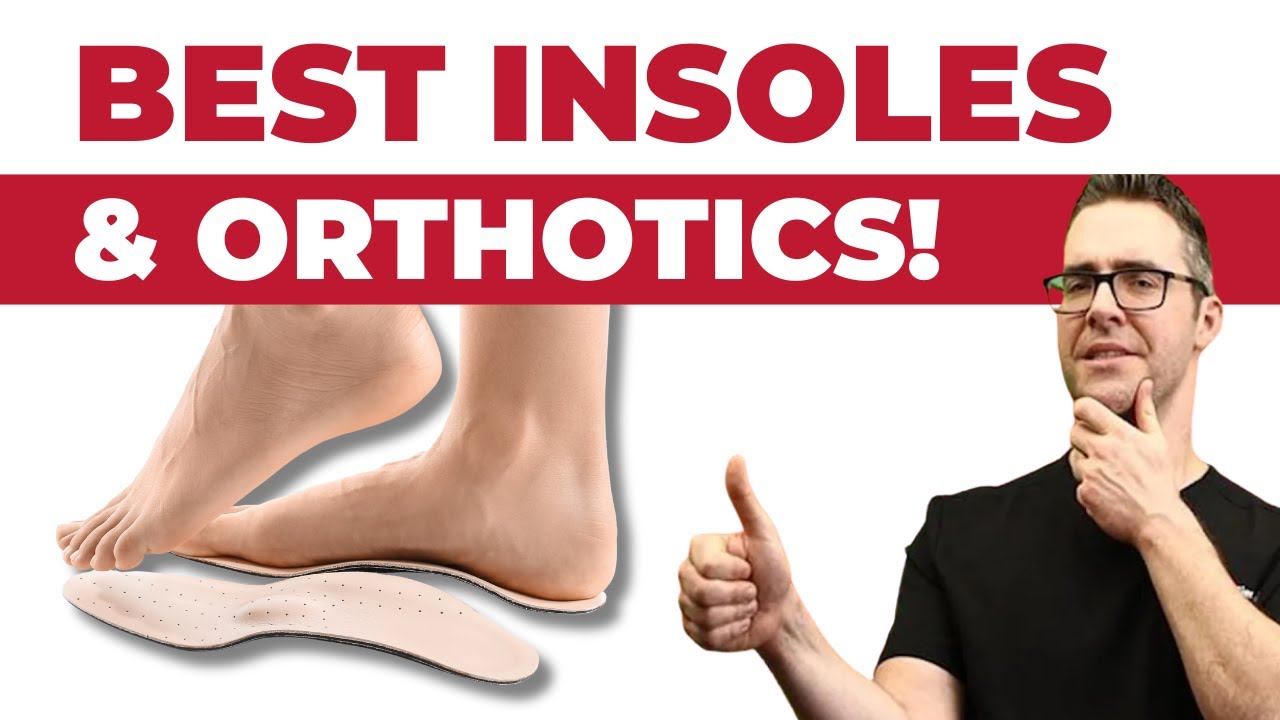
Medically Reviewed by Dr. Tom Biernacki, DPM — Board-Certified Podiatrist, Balance Foot & Ankle Specialists, Michigan. Last updated April 2026.
The decision between custom and prefabricated (OTC) orthotics is one of the most common conversations in podiatric practice. Both have legitimate roles — prefabricated orthotics work well for many mild to moderate biomechanical issues, while custom orthotics are medically necessary for specific conditions and structural characteristics that OTC devices cannot accommodate. Understanding the differences helps patients make informed decisions and avoid both undertreatment and unnecessary cost.
What Custom Orthotics Actually Are
True custom orthotics are prescription medical devices fabricated from a three-dimensional model of the patient’s foot — captured by 3D digital scanning, plaster casting, or foam box impression. The prescription specifies the type of orthotic (rigid, semi-rigid, accommodative), posting angles (forefoot and rearfoot wedging to correct alignment), shell material (polypropylene, carbon fiber, or EVA), and topcover material based on the patient’s condition, activity level, and footwear. Each device is manufactured to the individual patient’s prescription, not selected from a range of sizes.
This is fundamentally different from “custom” insoles sold in mall kiosks or online, which are typically prefabricated devices selected based on arch height measurement without a proper biomechanical examination — these are not prescription orthotics in the medical sense.
What Prefabricated Orthotics Offer
Quality prefabricated orthotics provide arch support, heel cushioning, and mild rearfoot posting that addresses common biomechanical patterns. They are immediately available, significantly less expensive than custom orthotics (typically $20–80 vs. $300–600 for custom), and effective for many patients with mild to moderate conditions. For plantar fasciitis, studies show equivalent short-term outcomes between custom and prefabricated orthotics in many patients — particularly those without severe deformity.
High-quality prefabricated options: PowerStep Pinnacle (carbon arch support for moderate pronators), PowerStep Pinnacle (accommodative with firm arch support), and (cushioning-focused). The key is appropriate selection for the patient’s foot type — a planus foot needs more medial posting than a neutral foot; a high-arched cavus foot needs lateral posting rather than arch support.
When Custom Orthotics Are Medically Necessary
Custom orthotics are indicated when: the structural deformity is severe enough that no stock size provides adequate correction (significant rearfoot varus, severe flatfoot, pes cavus), the condition requires specific prescription posting angles (tibialis posterior tendon dysfunction requiring aggressive medial heel wedging), the patient has an asymmetric deformity requiring different prescriptions for each foot, shoe type requires a specific fabrication (dress shoes, athletic cleats, ski boots), or prefabricated orthotics have failed after adequate trial.
Conditions where custom orthotics consistently outperform OTC alternatives: posterior tibial tendon dysfunction, Charcot foot prevention, diabetic foot pressure relief, rheumatoid forefoot offloading, and leg length discrepancy compensation. Medicare and most commercial insurance plans cover custom orthotics when medical necessity is documented with appropriate diagnosis codes and conservative treatment failure.
The Diagnostic Examination Requirement
Appropriate orthotic selection — whether custom or prefabricated — requires a biomechanical examination assessing foot type, range of motion, arch flexibility, gait pattern, and footwear. Prescribing a custom orthotic without this examination is as illogical as prescribing eyeglasses without measuring visual acuity. Conversely, recommending generic OTC devices for conditions requiring precise correction wastes the patient’s time and money on inadequate treatment.
At Balance Foot & Ankle, Dr. Biernacki performs comprehensive biomechanical examination before recommending orthotics at both Bloomfield Township and Howell offices, prescribing custom orthotics when medically indicated and directing patients to appropriate prefabricated options when those are appropriate. Custom orthotics are fabricated from 3D digital foot scans with a full prescription. Call (810) 206-1402 to schedule a biomechanical evaluation.
Schedule Your Appointment at Balance Foot & Ankle
Board-certified podiatric physician and surgeon serving Southeast Michigan from Bloomfield Township and Howell.
📞 (810) 206-1402 |
📧 Get Dr. Tom’s Free Lab Test Guide
Discover the 5 lab tests every person over 35 should ask their doctor about — explained in plain English by a board-certified physician.
📍 Located in Michigan?
Our board-certified podiatrists treat this condition at two convenient locations. Same-day appointments often available.
Insurance Accepted
BCBS · Medicare · Aetna · Cigna · United Healthcare · HAP · Priority Health · Humana · View All →
Howell Office
4330 E Grand River Ave
Howell, MI 48843
Get Directions →
Bloomfield Township Office
43494 Woodward Ave, #208
Bloomfield Township, MI 48302
Get Directions →
Your Board-Certified Podiatrists



Ready to Get Back on Your Feet?
Same-week appointments available at both locations.
Book Your Appointment👟 Dr. Tom’s Complete Footwear Library
Podiatrist-Approved Guides for Every Foot Type & Condition
Clinically reviewed by Dr. Tom Biernacki, DPM — Board-Certified Podiatrist
All guides are written and reviewed by licensed podiatrists. Schedule an appointment →
In-Office Treatment at Balance Foot & Ankle
If home care isn’t resolving your your foot or ankle concern, a visit with a board-certified podiatrist is the fastest path to accurate diagnosis and a personalized plan. At Balance Foot & Ankle Specialists, Dr. Tom Biernacki, Dr. Carl Jay, and Dr. Daria Gutkin offer same-day and next-day appointments at both our Howell and Bloomfield Township offices. We perform on-site diagnostic ultrasound, digital X-ray, conservative care, advanced regenerative treatments, and minimally invasive surgery when indicated.
Call (810) 206-1402 or request an appointment online. Most insurance plans accepted, including Medicare, Blue Cross Blue Shield, Aetna, Cigna, and United Healthcare.
Frequently Asked Questions
Which is better for plantar fasciitis?
The shoe with more cushioning and a stronger rocker typically wins for plantar fasciitis. See full comparison for our specific verdict.
Which lasts longer?
Both options typically last 300-500 miles for runners or 9-12 months for daily walkers. Material durability varies; check our detailed comparison.
Which is better for flat feet?
Flat feet need stability or motion control. The neutral option is not ideal unless paired with a custom orthotic.
What is Custom orthotics?
Custom orthotics is a common foot/ankle condition that affects mobility and quality of life. Understanding the underlying cause is the first step in successful treatment. Our podiatrists at Balance Foot & Ankle perform a hands-on biomechanical exam, review your activity history, and use diagnostic imaging when appropriate to identify the root cause—not just treat the symptom. Many patients have been told to “rest and ice” without a deeper diagnostic workup; our approach is different.
Symptoms and warning signs
Common signs of custom orthotics include pain that worsens with activity, morning stiffness, swelling, tenderness when palpated, and difficulty bearing weight. If you experience sudden severe pain, inability to walk, visible deformity, numbness or color change, contact our office the same day or visit urgent care—these can signal a more serious injury such as a fracture, tendon rupture, or vascular compromise. Diabetics with any foot wound should seek same-day care.
Conservative treatment options
Most cases of custom orthotics respond to non-surgical care: structured rest, supportive footwear changes, custom orthotics, targeted stretching and strengthening protocols, anti-inflammatory medications when medically appropriate, and in-office procedures such as ultrasound-guided injections. We also offer advanced therapies including MLS laser therapy, EPAT/shockwave, regenerative injections, and image-guided procedures. Treatment is sequenced from least invasive to most invasive, and we explain the rationale at every step.
When is surgery considered?
Surgery is reserved for cases that fail 3-6 months of well-structured conservative care, when there is structural pathology (severe deformity, complete tear, advanced arthritis), or when imaging shows damage that will not heal without intervention. Our surgeons have performed 3,000+ foot and ankle procedures and prioritize minimally-invasive techniques whenever appropriate. We discuss recovery timelines, return-to-activity milestones, and realistic outcome expectations before any procedure is scheduled.
Recovery timeline and prevention
Recovery from custom orthotics varies based on severity and chosen treatment path. Conservative cases often improve within 4-8 weeks with consistent adherence to the protocol. Post-procedural recovery may range from a few days (in-office procedures) to several months (reconstructive surgery). Long-term prevention involves footwear assessment, activity modification, structured strengthening, and regular check-ins with your podiatrist if you have a history of recurrence. We provide written home-exercise plans and digital follow-up support.
Ready to feel better?
Same-week appointments available in Howell and Bloomfield Township, Michigan.
Book Your VisitReady to fix this for good?

Reading goes so far. The fastest path is a 30-minute office visit. Same-day Howell or Bloomfield Township. Book online or call (810) 206-1402.
Doctor Hoy’s Natural Pain Relief Gel
Natural topical pain relief I use in our clinic. Arnica + camphor formula — apply directly to the area 3–4x daily. ($20–25)
Shop Doctor Hoy’s →Ready for Expert Care?
Same-day appointments in Howell & Bloomfield Township, MI.
4.9★ | 1,123 Reviews | 3,000+ Surgeries
Or call: (810) 206-1402

Dr. Tom Biernacki, DPM is a board-certified foot & ankle surgeon (ABFAS & ABPM) at Balance Foot & Ankle Specialists in Southeast Michigan. With over a decade of clinical experience, he specializes in heel pain, bunions, diabetic foot care, sports injuries, and minimally invasive surgery. Dr. Biernacki is a member of the APMA and ACFAS, and his patient education content on MichiganFootDoctors.com and YouTube has made him one of the most-followed foot & ankle educators on YouTube.