
Quick answer: Feeling like your socks are bunched up when they aren’t is a classic sign of nerve irritation — often a Morton’s neuroma, peripheral neuropathy, or a pinched nerve. Roomier shoes and padding ease early cases; if it persists, comes with numbness or burning, or you have diabetes, see a podiatrist.
Foot or ankle pain that isn’t getting better? A podiatrist can diagnose it in one visit — pick a real appointment time online, 24/7: Howell or Bloomfield Township. Takes about a minute, 24/7.
The most important clinical decision with feet feel like my socks are bunched up isn't which treatment to start with — it's which subtype or underlying cause you actually hav
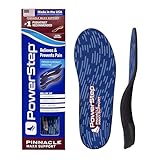
- Slightly Angled Heel Post: PowerStep Pinnacle Maxx insoles for men & women keep the feet from rolling inward, improve stability, and prevent problems caused by overpronation including flat feet and plantar fasciitis.
- Firm But Flexible Design: Our orthotics Pinnacle PowerStep insoles for overpronation are equipped with a deep heel insert cradle for increased comfort, stability, and motion control for standard arch support and immediate heel pain relief.
- Premium Dual Layer Cushioning: For enhanced comfort from heel to toe. As the thickest of our Pinnacle PowerStep orthotics, these need to be worn in shoes where the factory insole can be removed. HSA & FSA Eligible. Made in the USA
- The Perfect Balance of Comfort and Support: These PowerStep Pinnacle arch support inserts for men & women are unlike most other orthotics as they help to correct over-pronation which can cause ankle, knee, and hip pain in your daily routine
- No Trimming: Our arch support PowerStep insoles men & women can use can be worn in a variety of shoe styles & fit in any type with no trimming required! Unlike most insoles for flat feet and other heel pain relief products, these come ready to wear.

- ENGINEERED MESH
- Lining Textile
As an Amazon Associate, Balance Foot and Ankle earns from qualifying purchases. Product links are affiliate links and we may earn a commission at no extra cost to you. This does not influence our clinical recommendations. Last update on 2026-10-18 / Images from Amazon Product Advertising API
e. Our podiatrists regularly see patients who've been treated for months for the wrong diagnosis. The correct identification changes the entire treatment path. Book online or call (810) 206-1402 — Dr. Tom evaluates this condition at both Howell and Bloomfield Township locations.
That feeling like your socks are bunched up under your toes — even when they are not — is the classic symptom of Morton’s neuroma. The fix targets the nerve, not the sock.
You’re in the right place. Dr. Tom Biernacki, DPM, FACFAS — board-certified foot & ankle surgeon with 3,000+ surgeries — explains exactly what feeling like your socks are bunched up means and what works. Call (810) 206-1402 to book at Howell or Bloomfield Township.
Medically reviewed by Dr. Tom Biernacki, DPM — Board-certified foot & ankle surgeon, 3,000+ surgeries performed. Updated April 2026 with current clinical evidence. This article reflects real practice experience from Balance Foot & Ankle Specialists in Howell and Bloomfield Township, Michigan.
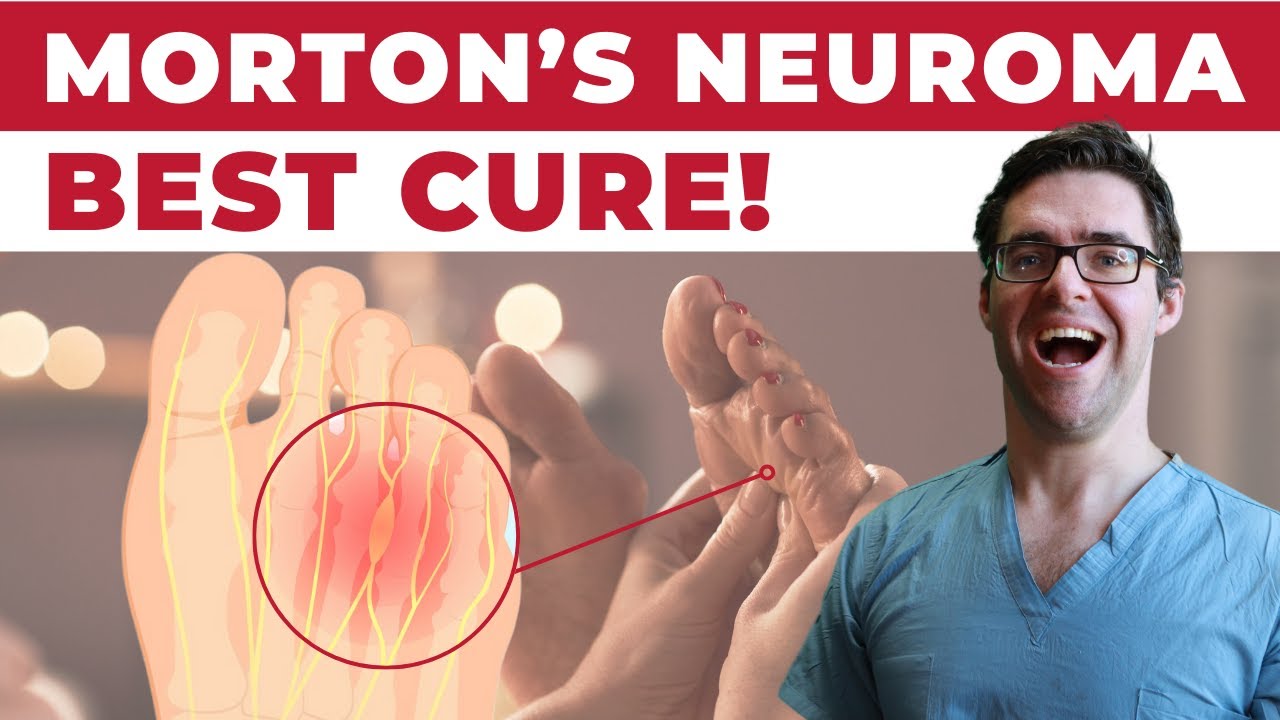
Watch: Why Your Feet Feel Like Socks Are Bunched Up
Dr. Tom explains Morton’s neuroma and the best home treatments for that bunched-up sock feeling in your foot:
Can’t shake that bunched-up feeling? Book an appointment · (810) 206-1402
Quick Answer
If your feet feel like your socks are bunched up — but they are not — the most likely cause is Morton’s neuroma, a thickening of the nerve between the third and fourth metatarsal heads. Other possibilities include metatarsalgia, fat pad atrophy, peripheral neuropathy, or a plantar plate tear. The treatment depends on the cause, but most cases respond well to wider shoes, metatarsal pads, and offloading the forefoot without surgery.
In This Article
Few foot sensations are more frustrating than constantly feeling like something is wadded up under the ball of your foot. You check your socks, smooth them out, switch to different shoes — and the feeling persists. You are not imagining it. That phantom bunched-up sensation is a real neurological symptom with a specific set of causes, and once you understand what is producing it, treatment is usually very effective.
What Causes That Bunched-Up Sock Feeling?
The sensation of something bunched up under the ball of your foot is caused by irritation or compression of the structures in the forefoot — most commonly a nerve. Your brain interprets the abnormal nerve signal as “something is there” even though nothing is physically bunched up. It is a form of mechanical nerve irritation, and it has several possible sources.
5 Causes — Comparison Table
| Condition | Location | Key Symptom | Prevalence |
|---|---|---|---|
| Morton’s Neuroma | Between 3rd & 4th metatarsals | Bunched-up feeling + shooting/burning pain + toe numbness | Most common (~70%) |
| Metatarsalgia | Ball of foot (broad area) | Aching/bruised feeling under metatarsal heads | Common (~15%) |
| Fat Pad Atrophy | Entire ball of foot | Walking on bones; worse barefoot on hard floors | Common in 50+ (~8%) |
| Peripheral Neuropathy | Both feet, diffuse | Burning, tingling, “sock rolled up” in both feet | Less common (~5%) |
| Plantar Plate Tear | Base of 2nd toe | Pain under 2nd MTP, toe drifting or crossing | Less common (~2%) |
Morton’s Neuroma — The #1 Cause
Morton’s neuroma accounts for approximately 70% of cases where patients describe a bunched-up sock feeling. It is not actually a tumor — the term “neuroma” is somewhat misleading. It is a thickening of the tissue (perineural fibrosis) surrounding the common digital plantar nerve, most often in the third intermetatarsal space (between the third and fourth toes).
The nerve becomes irritated from repetitive compression between the metatarsal heads, especially in narrow shoes or during activities that load the forefoot (running, jumping, squatting). Over time, the nerve thickens with fibrous tissue, and the enlarged nerve becomes even more susceptible to compression — creating a self-perpetuating cycle.
Classic Morton’s neuroma symptoms include: a sensation of standing on a pebble or wadded-up sock, burning or shooting pain radiating into the third and fourth toes, numbness or tingling in the involved toes, and symptoms that worsen in tight shoes and improve when you remove shoes and massage the forefoot.
Mulder’s click test: Your podiatrist can often diagnose Morton’s neuroma in the office using this simple test. By squeezing the forefoot while pressing on the intermetatarsal space, the inflamed nerve produces an audible click as it subluxates between the metatarsal heads. A positive Mulder’s click is highly suggestive of neuroma.
How to Tell Which Condition You Have
A few key questions can help narrow down the cause before you see a podiatrist.
Is the sensation in one foot or both? Morton’s neuroma, metatarsalgia, and plantar plate tears are almost always in one foot (or asymmetric). Peripheral neuropathy typically affects both feet symmetrically. If both feet have the same bunched-up feeling, neuropathy is more likely.
Does removing your shoes help immediately? If the sensation disappears within minutes of taking off shoes and massaging the forefoot, Morton’s neuroma is the top suspect. Neuropathy symptoms persist regardless of footwear.
Is there visible toe deformity? If the second toe is drifting toward the big toe or crossing over, consider a plantar plate tear. If the toes look normal, neuroma or metatarsalgia is more likely.
Is there numbness? Numbness between the third and fourth toes strongly suggests Morton’s neuroma. Numbness in a stocking-like pattern (entire forefoot and toes) suggests neuropathy.
Treatment Guide by Cause
Morton’s Neuroma Treatment
Step 1: Offload the nerve. Switch to shoes with a wide toe box — the single most effective change. The shoe should not compress the metatarsal heads together. Add a metatarsal pad positioned just behind (proximal to) the metatarsal heads. This spreads the metatarsals apart and takes pressure off the nerve.
Step 2: Reduce inflammation. Ice the ball of the foot for 15 minutes after activity. NSAIDs (ibuprofen 400mg twice daily with food) for 2 weeks can help break the inflammatory cycle. For persistent cases, a corticosteroid injection under ultrasound guidance provides targeted relief.
Step 3: Long-term management. Custom orthotics with a built-in neuroma pad provide sustained offloading. Toe spacers worn between the third and fourth toes reduce nerve compression during activity. If conservative treatment fails after 3–6 months, surgical neurectomy (nerve removal) has a success rate of approximately 85%.
Metatarsalgia Treatment
Metatarsal pads, cushioned insoles, and rocker-bottom shoes redistribute pressure away from the overloaded metatarsal heads. Address any contributing biomechanical factors — tight calf muscles, high arches, or hammertoes — with stretching, orthotics, or toe corrections.
Fat Pad Atrophy Treatment
Cushioned insoles and shoes with maximum forefoot padding (Hoka Bondi is excellent for this). Custom orthotics with extra cushioning under the metatarsal heads. In severe cases, injectable fat grafting or filler can restore lost padding.
Peripheral Neuropathy Treatment
Identify and treat the underlying cause — most commonly diabetes, B12 deficiency, or alcohol use. Medications like gabapentin or duloxetine can reduce neuropathic symptoms. Proper footwear with protective insoles prevents skin breakdown in patients with reduced sensation.
Best Products for the Bunched-Up Sock Feeling
OUR #1 PICK
Metatarsal Pads
Adhesive gel pads that stick inside your shoe just behind the ball of the foot. They lift and spread the metatarsal heads, reducing nerve compression by up to 50%. The single most effective non-prescription treatment for Morton’s neuroma. Place them proximal to (behind) the painful area, not directly on it.
Best for: Morton’s neuroma, metatarsalgia, forefoot pain
Hoka Bondi Running Shoe
Maximum cushioning with a rocker-bottom sole that reduces pressure on the forefoot during push-off. Wide toe box does not squeeze the metatarsals together. One of the most-prescribed shoes for forefoot conditions in our practice.
Best for: Fat pad atrophy, metatarsalgia, all-day cushioning
Correct Toes Toe Spacers
Medical-grade silicone spacers designed to restore natural toe alignment. For Morton’s neuroma, they separate the metatarsal heads and decompress the interdigital nerve. Worn inside wide shoes during daily activity for sustained benefit.
Best for: Morton’s neuroma, toe crowding, forefoot realignment
Affiliate disclosure: We may earn a small commission from qualifying purchases at no extra cost to you. This supports our educational content.
3 Exercises for Forefoot Relief
1. Calf Stretch (Wall Lean). Stand arm’s length from a wall, step one foot back, and lean forward keeping the back heel down. Hold 30 seconds, 3 repetitions each side. Tight calves increase forefoot pressure — every degree of restricted ankle dorsiflexion adds measurable load to the ball of the foot.
2. Toe Splay Exercise. Sit barefoot and spread all five toes as wide as possible. Hold 5 seconds, repeat 20 times. This activates the intrinsic muscles that support the metatarsal arch and reduces nerve compression.
3. Tennis Ball Roll. Place a tennis ball under the ball of your foot while seated. Gently roll back and forth for 2 minutes. This mobilizes the metatarsal heads and provides gentle nerve gliding. Do not press hard enough to cause pain — moderate pressure only.
⚠ See a Podiatrist If You Notice
- The bunched-up sensation persists despite switching to wide shoes and metatarsal pads for 4 weeks
- Numbness or tingling that is constant (not just with shoes on)
- Symptoms in both feet symmetrically (evaluate for neuropathy)
- A toe that is drifting or crossing over an adjacent toe
- Visible swelling or bruising on the ball of the foot
- Sharp, electric-shock–like pain shooting into your toes
- History of diabetes with new foot numbness (urgent evaluation needed)
More Podiatrist-Recommended Foot Health Essentials
Hoka Clifton 10

Max-cushion everyday shoe — podiatrist favorite for walking and running.

OOFOS Recovery Slide

Impact-absorbing recovery sandal — wear after long days on your feet.
As an Amazon Associate, Balance Foot & Ankle earns from qualifying purchases. Product recommendations are based on clinical experience; prices and availability shown above update live from Amazon.
When to See a Podiatrist
If foot or ankle pain has been bothering you for more than a few weeks, home care alone may not be enough. Balance Foot & Ankle offers online booking 24/7 at our Howell and Bloomfield Township clinics — no referral needed in most cases. Bring your current shoes and a short list of symptoms and we’ll build you a treatment plan in one visit.
Call Balance Foot & Ankle: (810) 206-1402 · Book online · Offices in Howell & Bloomfield Township
Frequently Asked Questions
In-Office Treatment at Balance Foot & Ankle
If you’re experiencing the sensation that your socks are bunched or feet feel numb and home management isn’t providing relief, our team at Balance Foot & Ankle offers advanced evaluation and treatment options at both our Howell and Bloomfield Township locations.
Ready to Get Relief?
Book online 24/7 in Howell & Bloomfield Township, MI
4.9★ | 1,200+ Reviews | 3,000+ Surgeries
Or call: (810) 206-1402
The American Academy of Orthopaedic Surgeons explains that Morton’s neuroma—a thickening of tissue around a nerve between the toes—commonly causes the sensation that something is bunched inside the shoe or sock, along with burning forefoot pain.

Dr. Tom Biernacki, DPM is a board-certified foot & ankle surgeon (ABFAS & ABPM) at Balance Foot & Ankle Specialists in Southeast Michigan. With over a decade of clinical experience, he specializes in heel pain, bunions, diabetic foot care, sports injuries, and minimally invasive surgery. Dr. Biernacki is a member of the APMA and ACFAS, and his patient education content on MichiganFootDoctors.com and YouTube has made him one of the most-followed foot & ankle educators on YouTube.