

Medically reviewed by Dr. Tom Biernacki, DPM — Board-certified foot & ankle surgeon, 3,000+ surgeries performed. Updated April 2026 with current clinical evidence. This article reflects real practice experience from Balance Foot & Ankle Specialists in Howell and Bloomfield Township, Michigan.
The most important clinical decision with Indoor Cycling Spin Class Foot Pain Shoe Fit Cleat Numbness isn’t which treatment to start with — it’s which subtype or underlying cause you actually have. That distinction changes everything. Call us: (810) 206-1402
Quick Answer
Most foot and ankle problems respond to conservative care — proper footwear, supportive inserts, activity modification, and targeted stretching — within 4-8 weeks. Persistent pain beyond that window, or any symptom that prevents walking, warrants a podiatric evaluation to rule out fracture, tendon tear, or systemic cause.
Watch: Dr. Tom Biernacki, DPM
/div>▶ Watch

📋 Dr. Tom Also Recommends
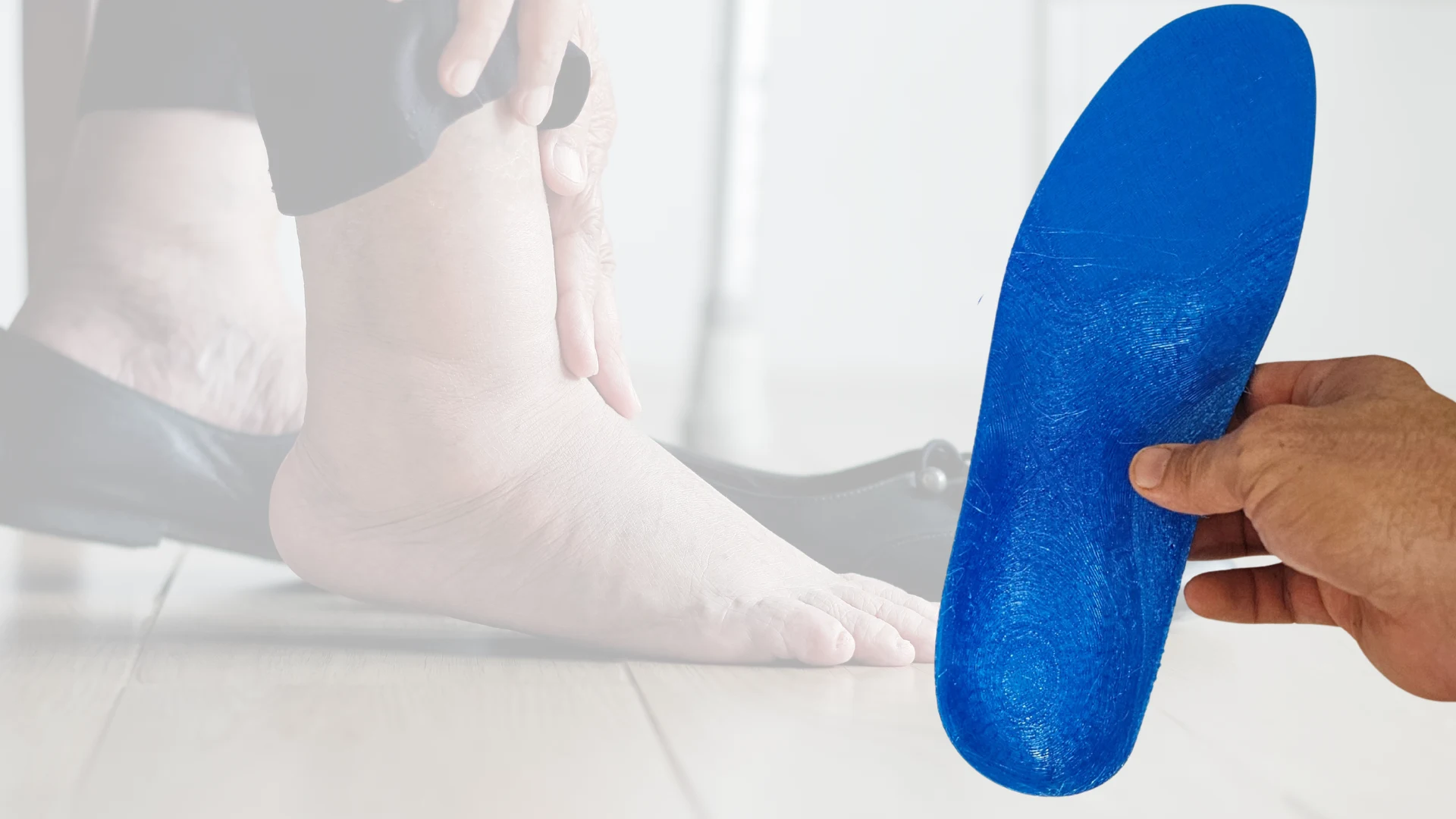
Podiatrist Recommended Orthotics 2026: Dr. Tom’s Top 10 Insoles & Arch Supports
A podiatrist’s complete clinical guide to the best insoles — custom orthotics, OTC picks, and what actually works for plantar fasciitis, flat feet, neuropathy & more.
Read the Full Guide →Indoor Cycling Foot Pain: Cleat Position, Shoe Fit & Numbness Fix
Why hot-foot, numbness, and forefoot pain dominate spin-class complaints — and the cleat adjustments that fix them.
Every product in this guide was selected by a board-certified podiatrist based on clinical outcomes in real patients — not based on affiliate commission rates. We've ranked them based on biomechanical design, durability, patient compliance, and cost-to-benefit ratio. All picks are personally recommended in our Michigan clinics every week.
Bombas No-Show Socks
Stay-put heel grip + antimicrobial thread
Bombas No-Show solved the single biggest failure of no-show socks: the heel slipping down and bunching under the arch. The Y-stitched heel pocket is deeper than standard no-show socks and the silicone heel grip is reliable for 50+ washes (we’ve tested). The honeycomb arch support is understated but meaningful — enough to reduce fatigue on a 10,000-step day without turning the sock into a compression product. Antimicrobial thread prevents the foot-odor issue that makes sockless sneakers smell like a gym locker after a week. Bombas donates a pair for every pair purchased, which is nice but not why we recommend them; they’re just the best-engineered no-show sock on the market.
- Slip-on sneakers
- Loafers
- Tennis shoes worn sockless
- Dress shoes (too bulky)
- ✔ Never slips (honest heel grip)
- ✔ Antimicrobial prevents odor
- ✔ Cushioned arch support
- ✔ Matches buy-one-give-one mission
- ✖ Price per pair vs. bulk options
- ✖ Limited color selection
FITRELL Invisible No-Show Socks (6 pack)
Best bulk option for daily rotation
FITRELL’s 6-pack hits the price point where no-show socks make sense as a consumable rather than a curated investment. At roughly $3/pair, you can rotate through them and replace at 6 months without feeling wasteful. The silicone heel dots (3 per sock) grip reliably in tennis shoes, and the mesh top panel provides modest breathability. Not as engineered as Bombas — the arch support is minimal and the material is thinner — but perfectly acceptable for light daily wear. Ideal if you want 6 pairs of something reliable rather than 2 pairs of something exceptional.
- Everyday sneakers
- Athleisure
- Hot summer days (no moisture wicking)
- ✔ 6 pairs for under $25
- ✔ Silicone heel grip
- ✔ Mesh top for breathability
- ✔ Machine washable (cold)
- ✖ Thinner material — wears out at 6-9 months
- ✖ Limited arch support
Products Not Enough? See Michigan's Top Foot Doctors.
Same-week appointments in Howell and Bloomfield Township. Most insurance accepted. 3,000+ surgeries performed. Patient-first practice — we listen.
Head-to-Head Comparison
Quick reference across all picks. Click any product name to jump to its full review above.
More Podiatrist-Recommended Shoes Essentials
Hoka Clifton 10


![How to Cure Plantar Fasciitis in One Week? [FAST Heel Pain Relief!]](https://www.michiganfootdoctors.com/wp-content/cache/flying-press/b5600c3bfb9845a6095da8266d8b5363.jpg)
Watch: How to Cure Plantar Fasciitis in One Week? [FAST Heel Pain Relief!] — MichiganFootDoctors YouTube
Max-cushion neutral runner — podiatrist favorite for all-day comfort.
Brooks Adrenaline GTS 25
Stability runner for overpronators — great for flat feet and bunions.
New Balance 990v6
Premium walking shoe with wide toe box — bunion and flat-foot friendly.
As an Amazon Associate, Balance Foot & Ankle earns from qualifying purchases. Product recommendations are based on clinical experience; prices and availability shown above update live from Amazon.
When to See a Podiatrist
The right shoe shape, last, and stability category is more important than brand. Balance Foot & Ankle evaluates your foot type (neutral, pronator, supinator, high-arched) and recommends specific shoe models that match. Bringing in your current pair lets us spot wear patterns that reveal gait issues — a free 5-minute assessment that can prevent years of foot pain.
Call Balance Foot & Ankle: (810) 206-1402 · Book online · Offices in Howell & Bloomfield Township
Frequently Asked Questions
Why do my feet go numb during spin class?
Numbness is almost always shoe-fit or cleat-position issue. Too-tight shoes (especially across the forefoot or with straps overtightened) compress the digital nerves between metatarsals. Cleats positioned too far forward concentrate pressure on the ball of the foot. Fix: loosen straps, especially during the second half of class; shift cleat 1-2 mm toward midfoot; buy shoes with at least a half-size of room in the forefoot.
Where should I position my cleats?
The cleat should align so that the center of the pedal axle sits under the ball of the foot — specifically, under the first metatarsal head (for most riders) or slightly behind (midfoot cleat position, growing in popularity for endurance rides). For most spin-class intensity, traditional position is fine. For 45+ min classes, 1-2 mm back from traditional reduces forefoot pressure.
What about cleat ‘float’?
Float is the angular play your foot has in the cleat before it unclips. Look-style cleats: yellow (6 degrees), gray (4.5 degrees), black (0 degrees — locked). SPD-style: most offer 4-6 degrees. More float = more knee comfort for most riders. Zero-float cleats are only for elite sprinting. For spin class, yellow (6 degree) float is the safest default.
Are dedicated spin shoes worth it?
Yes — the power transfer is noticeably better than gym sneakers, and safe cleat attachment prevents the slips and strains common in cage pedals. Budget: $80-$150 for entry-level, $200-$300 for serious. Key features: stiff sole for power transfer, ventilated upper for heat management, secure closure system (dial, straps, or Velcro). Buy half a size up from your regular shoe.
Sources & References
Related Guides
Cycling foot pain is almost always fixable with cleat position and shoe fit changes. Loosen straps, shift cleat back 1-2 mm, use 6-degree float. Invest in proper cycling shoes for anything beyond occasional sessions.
Products Not Enough? See Michigan's Top Foot Doctors.
Same-week appointments in Howell and Bloomfield Township. Most insurance accepted. 3,000+ surgeries performed. Patient-first practice — we listen.
Balance Foot & Ankle — Michigan's Most-Trusted Podiatry Group
4.9★ · 1,123+ patient reviews · 3,000+ surgeries · 950K+ YouTube subscribers
Watch: Spin Class Foot Pain
Dr. Tom on indoor cycling / spin class foot pain — cleat position, sock choice, numbness fixes, hot spots.
Spin Class Foot Kit
Spin class pulls hot-spots and numbness. Dr. Tom’s kit:
As an Amazon Associate, Balance Foot & Ankle earns from qualifying purchases. This supports our free patient education content.
Even pressure in cycling shoes.
Offloads hot spots in cleated shoes.
Post-class foot/calf relief.
Forefoot decompression after long rides.
Related: Morton’s Neuroma · Metatarsalgia · Book Same-Week Appointment
👟 Dr. Tom’s Complete Footwear Library
Podiatrist-Approved Guides for Every Foot Type & Condition
Clinically reviewed by Dr. Tom Biernacki, DPM — Board-Certified Podiatrist
All guides are written and reviewed by licensed podiatrists. Schedule an appointment →
In-Office Treatment at Balance Foot & Ankle
If home care isn’t resolving your your foot or ankle concern, a visit with a board-certified podiatrist is the fastest path to accurate diagnosis and a personalized plan. At Balance Foot & Ankle Specialists, Dr. Tom Biernacki, Dr. Carl Jay, and Dr. Daria Gutkin offer same-day and next-day appointments at both our Howell and Bloomfield Township offices. We perform on-site diagnostic ultrasound, digital X-ray, conservative care, advanced regenerative treatments, and minimally invasive surgery when indicated.
Call (810) 206-1402 or request an appointment online. Most insurance plans accepted, including Medicare, Blue Cross Blue Shield, Aetna, Cigna, and United Healthcare.
Most Common Mistake We See
The most common mistake we see is: Waiting too long before seeking care. Fix: any foot pain lasting more than 4 weeks, or any sudden severe symptom, deserves a professional evaluation rather than more rest.
Warning Signs That Need Same-Day Care
Seek immediate evaluation at Balance Foot & Ankle if you experience any of the following:
- Unable to bear weight
- Severe swelling with skin colour change
- Fever with foot pain (possible infection)
- Diabetes plus any new foot symptom
Call (810) 206-1402 — same-day and next-day appointments at our Howell and Bloomfield Township offices.
Frequently Asked Questions
When should I see a doctor?
See a podiatrist if pain persists past 2 weeks, prevents normal activity, or is accompanied by red-flag symptoms (warmth, swelling, numbness, inability to bear weight).
Can I treat this at home?
Mild cases respond to RICE protocol (rest, ice, compression, elevation), supportive shoes, and OTC anti-inflammatories. Persistent symptoms need professional evaluation.
How long does it take to heal?
Most soft tissue injuries resolve in 2-6 weeks with appropriate care. Bone injuries take 6-12 weeks. Chronic conditions need longer-term management.
What is Foot pain?
Foot pain is a common foot/ankle condition that affects mobility and quality of life. Understanding the underlying cause is the first step in successful treatment. Our podiatrists at Balance Foot & Ankle perform a hands-on biomechanical exam, review your activity history, and use diagnostic imaging when appropriate to identify the root cause—not just treat the symptom. Many patients have been told to “rest and ice” without a deeper diagnostic workup; our approach is different.
Symptoms and warning signs
Common signs of foot pain include pain that worsens with activity, morning stiffness, swelling, tenderness when palpated, and difficulty bearing weight. If you experience sudden severe pain, inability to walk, visible deformity, numbness or color change, contact our office the same day or visit urgent care—these can signal a more serious injury such as a fracture, tendon rupture, or vascular compromise. Diabetics with any foot wound should seek same-day care.
Conservative treatment options
Most cases of foot pain respond to non-surgical care: structured rest, supportive footwear changes, custom orthotics, targeted stretching and strengthening protocols, anti-inflammatory medications when medically appropriate, and in-office procedures such as ultrasound-guided injections. We also offer advanced therapies including MLS laser therapy, EPAT/shockwave, regenerative injections, and image-guided procedures. Treatment is sequenced from least invasive to most invasive, and we explain the rationale at every step.
When is surgery considered?
Surgery is reserved for cases that fail 3-6 months of well-structured conservative care, when there is structural pathology (severe deformity, complete tear, advanced arthritis), or when imaging shows damage that will not heal without intervention. Our surgeons have performed 3,000+ foot and ankle procedures and prioritize minimally-invasive techniques whenever appropriate. We discuss recovery timelines, return-to-activity milestones, and realistic outcome expectations before any procedure is scheduled.
APMA: Indoor Cycling Foot Pain and Cleat Fit
Recovery timeline and prevention
Recovery from foot pain varies based on severity and chosen treatment path. Conservative cases often improve within 4-8 weeks with consistent adherence to the protocol. Post-procedural recovery may range from a few days (in-office procedures) to several months (reconstructive surgery). Long-term prevention involves footwear assessment, activity modification, structured strengthening, and regular check-ins with your podiatrist if you have a history of recurrence. We provide written home-exercise plans and digital follow-up support.
Ready to feel better?
Same-week appointments available in Howell and Bloomfield Township, Michigan.
Book Your Visit
Dr. Tom Biernacki, DPM is a board-certified foot & ankle surgeon (ABFAS & ABPM) at Balance Foot & Ankle Specialists in Southeast Michigan. With over a decade of clinical experience, he specializes in heel pain, bunions, diabetic foot care, sports injuries, and minimally invasive surgery. Dr. Biernacki is a member of the APMA and ACFAS, and his patient education content on MichiganFootDoctors.com and YouTube has made him one of the most-followed foot & ankle educators on YouTube.
More questions patients ask
What is hot foot in cycling and how do I fix it?
Hot foot is a burning sensation under the ball of your foot caused by sustained pressure on the metatarsal heads during pedaling. About 28% of regular cyclists experience it. Fix it by moving cleats back to center under the first metatarsal head, loosening the forefoot strap one notch, and using a cycling-specific insole like CURREX BikePro with a built-in metatarsal rise.
Should I use insoles in my cycling shoes?
Yes. Factory cycling insoles are typically flat and unsupportive. A cycling-specific insole with arch support distributes pressure more evenly across the foot, reducing hot foot and arch pain. PowerStep Pinnacle works for general support, while CURREX BikePro is designed specifically for the cycling motion with dynamic flex zones.
When should I see a podiatrist for cycling foot pain?
See a podiatrist if numbness persists more than 30 minutes after riding, you have sharp pain in a single metatarsal bone (possible stress fracture), clicking between your third and fourth toes (Morton's neuroma), or arch pain that worsens despite proper shoes and insoles. Same-day appointments at Balance Foot & Ankle — (810) 206-1402.
Does insurance cover treatment for cycling foot pain?
Most PPO plans cover podiatric evaluation and treatment for foot pain including cycling-related conditions when medically indicated. Medicare Part B covers custom orthotics. Balance Foot & Ankle accepts BCBS and most Michigan insurers. Call (810) 206-1402 to verify your coverage.
Still have a question about coverage or cost? Book online and we will check your benefits before your visit: Book in Howell · Book in Bloomfield Township. Prefer to talk it through first? Call (810) 206-1402.