Expert Foot & Ankle Treatment from Michigan’s #1 Podiatrist - Balance Foot & Ankle Specialist
As Seen on YouTube
Trusted by 1M+ Social Media Followers
Expert Foot & Ankle Treatment from Michigan’s #1 Podiatrist - Balance Foot & Ankle Specialist
Trusted by 1M+ Social Media Followers
Clear Your Nails Fast, Pain-free Laser Sessions.
In 2025, laser treatment for toenail fungus became one of the most trusted solutions, with success rates between 65% and 85% depending on severity. Unlike creams or pills, laser therapy is safe, non-invasive, and requires no downtime. If you’re tired of hiding your feet or dealing with stubborn infections, now is the perfect time to take action.
Book your consultation today and take the first powerful step toward fungus-free nails!
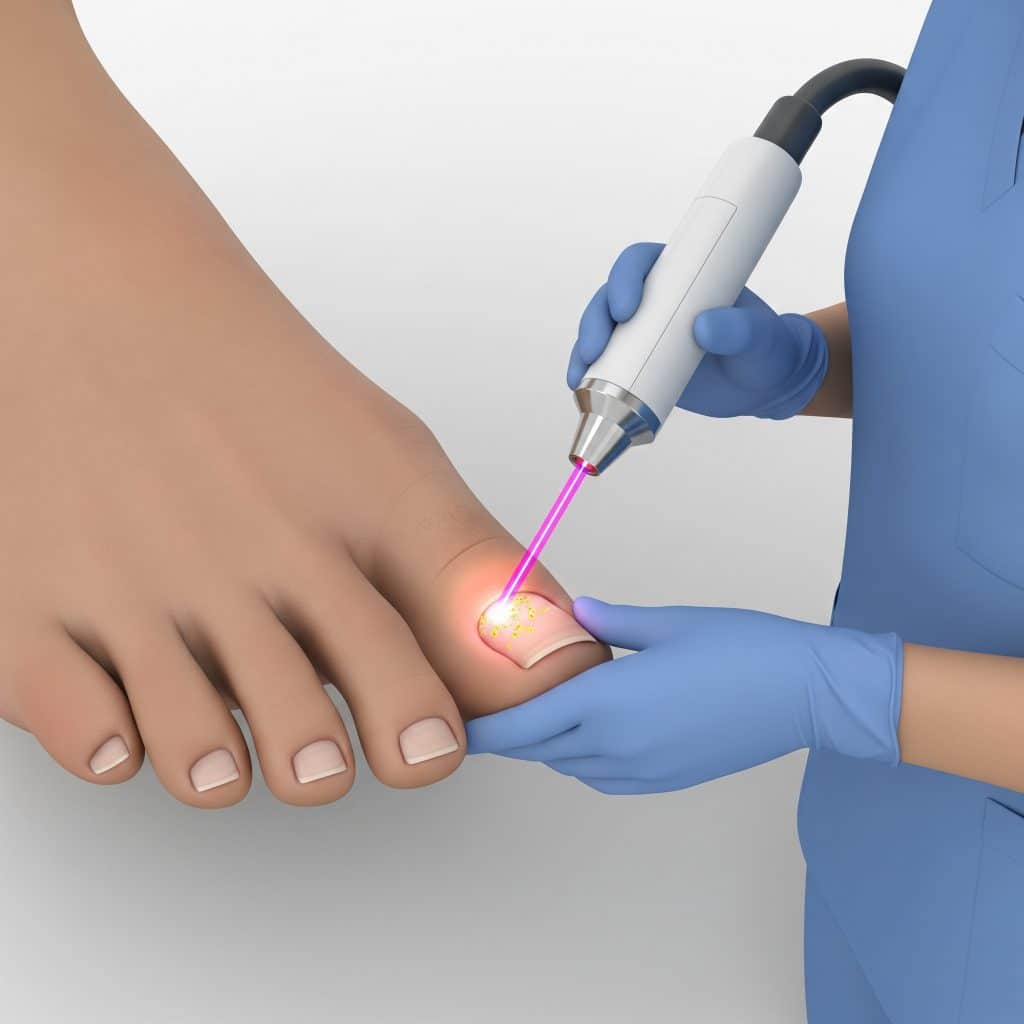
At Balance Foot & Ankle Specialists we are proud to offer laser toenail fungus treatment.
Laser treatment for toenail fungus uses high-intensity light energy to penetrate deep into the nail, attacking the fungus directly at its root. It’s a clinically proven, FDA-cleared solution with a high success rate and zero recovery time.
Here are 7 powerful reasons why laser therapy is your best choice:
Toenail Pain (Toenail Fungus, Ingrown Toenails, Discolored Toenails)
Unsure if you’re taking your vitamins correctly? Schedule a consultation or visit our latest guide to ensure you’re using the right forms, timing, and dosages of Vitamin K2, D3, Magnesium, and Calcium. Your health is worth doing it right.
Call us now or schedule online for your first at-home session!

Finding the best products for managing peripheral neuropathy and diabetic foot pain can make a world of difference in your daily comfort and mobility.

When it comes to managing foot pain from conditions like plantar fasciitis, flat feet, or diabetic neuropathy, the best orthotics can offer crucial support and relief.

Choosing the best shoes for foot conditions like neuropathy, plantar fasciitis, or flat feet is essential for pain relief and long-term foot health.
Toenail fungus, also called onychomycosis, is a common infection under the nail caused by various fungi. The most common cause is a type of fungus called dermatophyte, a group of fungi that require keratin (present in nails) for their growth. Certain Yeasts and molds also cause nail infections.
As the toes are often warm and damp, which provides an optimal environment for fungal growth.
Initially, a white dot shows up on the nail, which increases in size with time. When fungus builds up under the nail, it can cause:
Eventually, toenail fungus can lead to:
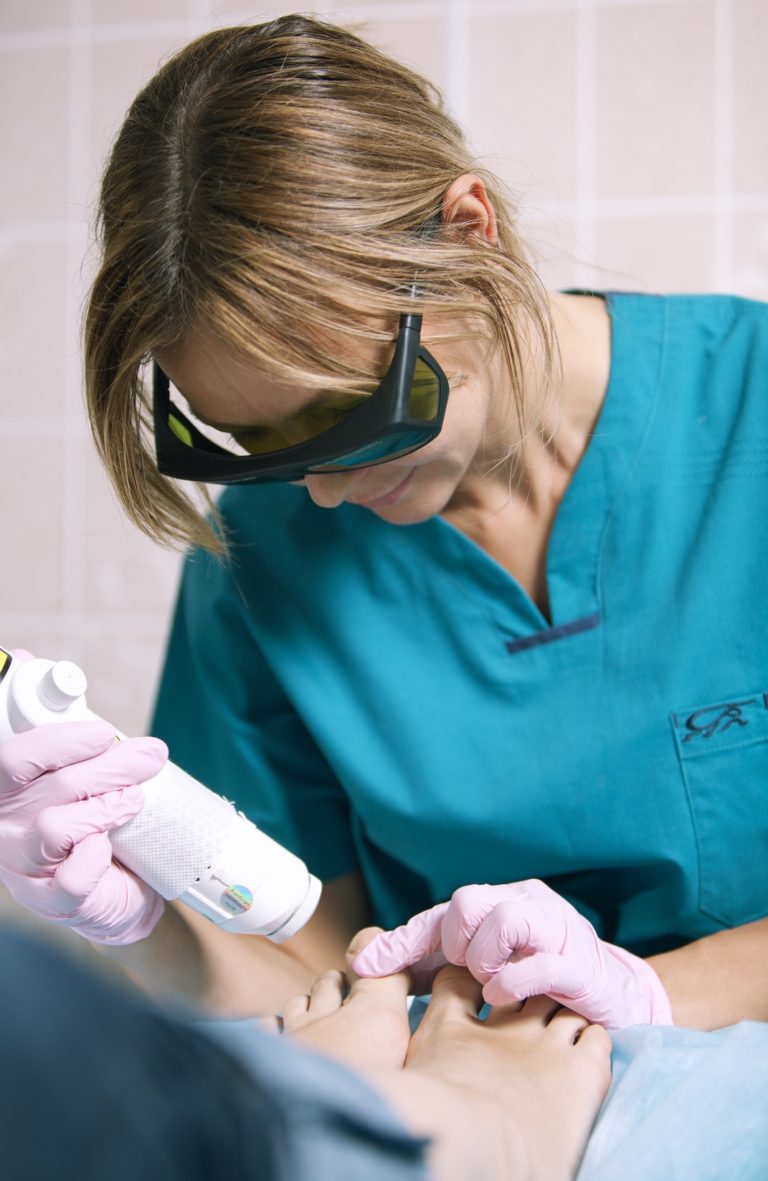
How Do Fungal Nail Infections Spread?
What Are The Risk Factors?
Factors that can lead to an increased risk of developing nail fungus include:
This gallery shows different types of toenail fungus.
Look:
So click on the photos for gallery mode & description!
Click On Pictures For Full Size & Descriptions
Treatment depends on the type of fungus and the severity of the infection. Your doctor may try one thing or a combination:
Oral antifungals, such as terbinafine, itraconazole, or fluconazole ( for 6-12 weeks).
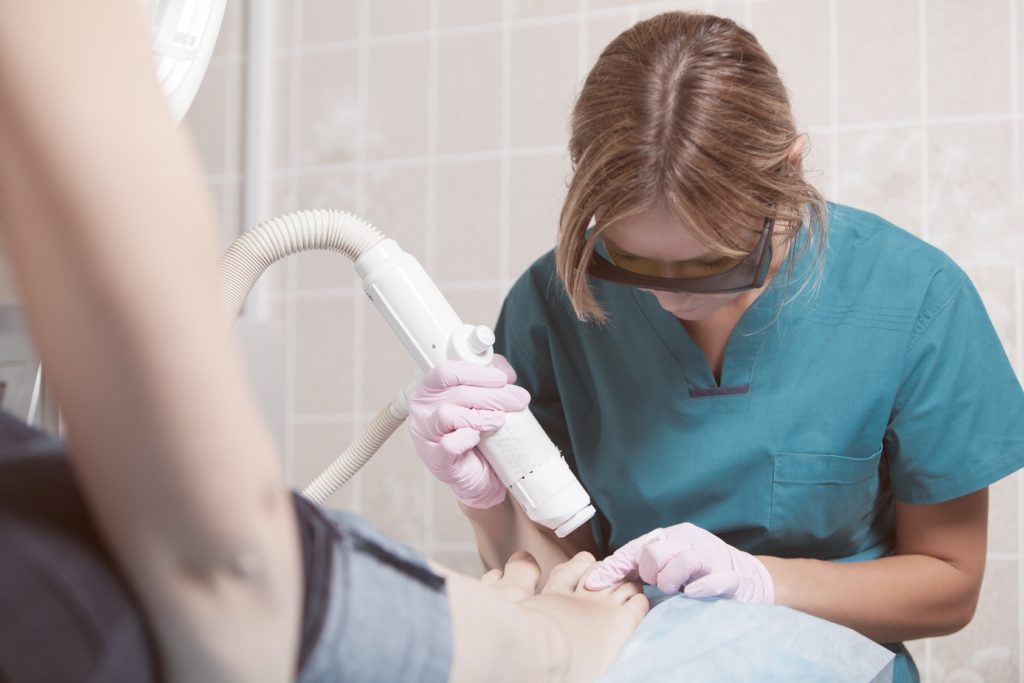
Laser: Unlike other remedies that provide limited relief or require multiple doses and applications over a period of weeks and months, toenail fungus laser treatment can take as little as one treatment session, with a very high efficacy rate.
Depending upon the severity, the doctor can suggest surgery which may be:
Surgery may temporarily remove the nail to apply the antifungal drug directly to the infectious site under the nail. We generally use this approach with an infected ingrown toenail or a damaged bleeding toenail. It is an excellent treatment option with excellent overall results.
Some fungal toenail infections do not respond to topical or oral medicines, so that doctors may suggest permanent nail removal depending upon the severity of the fungal infection. Click here to learn more about permanent ingrown toenail removal procedures.
What is the best treatment for fungal toenail infections?
Laser treatment for toenail fungus has the highest efficacy and clearance rates, as published in clinical studies.
Both hot and cold laser therapy are found to be more effective and safe than topical anti-fungal creams and ointments, as well as oral medications.
Two types of lasers using different types of laser energy are used for the treatment:-
Thermal (hot) laser treatment:
Cold laser fungal nail treatment:
The cons are the rapidly changing technology.
This means that studies do not reflect the current technology updates.
This also means that even though it is FDA approved, insurance does not yet cover laser toenail fungus removal.
Laser treatment for toe-nail fungus works by targeting the site of infection, producing heat, and directly attacking the offending organism without any damage to skin and tissues.
It penetrates well, inhibiting the fungal growth, and some of the fungal microorganisms are destroyed.
The infection resolves after a single session in some people, but some require additional sessions depending upon the results. To see complete results, it is important to wait till the complete growth of the new nail.
Signs of improvement include:
Care is taken after laser therapy to prevent new fungal growth, which includes:
Cost:
Following habits can help in preventing nail fungus :
References:
Yes! It’s clinically proven to eliminate fungal infections with long-lasting results.
Not at all—patients usually feel only a mild warming sensation.
Most people need just 1–3 powerful sessions, depending on severity.
Fast and convenient—typically 20 to 30 minutes.
Nail improvement becomes visible as the healthy nail grows out over several months.
Yes, reinfection is possible. We’ll provide powerful prevention tips post-treatment.
Absolutely—it’s drug-free and safe for most health conditions.
Side effects are extremely rare and mild—like slight redness or warmth.
Typically not, but many clinics offer flexible payment plans.
It’s faster, safer, and more powerful—without the risk of liver damage or messy applications.
