Expert Foot & Ankle Treatment from Michigan’s #1 Podiatrist - Balance Foot & Ankle Specialist
Board Certified Podiatrists
Expert Foot & Ankle Care
Expert Foot & Ankle Treatment from Michigan’s #1 Podiatrist - Balance Foot & Ankle Specialist
Expert Foot & Ankle Care
One Leg Longer Than the Other?
Unequal leg length, also known as leg length discrepancy (LLD), is a common condition that can affect posture, walking, and even cause chronic pain. Whether you’re noticing hip discomfort, back pain, or wearing down one shoe faster than the other, you might be dealing with a difference in leg length. Fortunately, this condition is both measurable and manageable—with the right diagnosis and treatment. Read on to explore what causes unequal leg length, how to identify symptoms, and what treatments can help restore your balance.
Leg length discrepancies may be structural (due to bone differences from birth or injury) or functional (caused by posture, muscle tightness, or spinal alignment). Even a small difference can cause misalignment of the hips, knees, or back—leading to pain and mobility issues. In many cases, patients are unaware of their leg length difference until they develop symptoms like uneven gait, lower back discomfort, or foot pain. Early evaluation by a podiatrist can prevent long-term complications and improve your daily comfort.
Do you have an unequal leg length discrepancy? We review unequal leg length symptoms, causes & treatment for back pain, hip pain & knee pain!
Best Shoes & Best Insoles
At Balance Foot & Ankle, Dr. Tom Biernacki specializes in diagnosing and treating leg length discrepancies in Michigan. With clinics in Howell and Bloomfield Hills, we use advanced diagnostic tools and custom orthotic solutions to help you walk pain-free. Call now to schedule an evaluation and find out if unequal leg length is affecting your health.
Call now or book an appointment online—your peace of mind starts here.
Do you have one leg longer than the other? Uneven hips? Hip misalignment? Or unequal leg length? We review leg length discrepancy and the BEST treatment!
0:00 Leg length discrepancy LLD diagnosis & treatment
0:41 Uneven hips, hip imbalance & hip misalignment symptoms
1:03 knee pain caused by hip alignment
1:28 One leg longer than the other
2:09 One leg shorter than the other
2:38 One leg bigger than the other
3:25 How to measure leg length,
4:14 Scoliosis hip pain and uneven hips
4:30 What causes one leg to get bigger than the other
5:47 how top fix uneven hips
6:13 Hip misalignment & one hip higher than the other
6:34 leg shortening surgery, can you get surgery to get shorter
7:47 leg length discrepancy exercises
9:19 unequal leg length treatment & uneven legs treatment
10:07 one leg shorter than the other shoes
11:20 Best insoles for short leg syndrome
11:58 Best custom orthotics for the leg length difference
12:45 Best ankle braces for hip misalignment symptoms
13:01 Best shoes for hip imbalance & one leg in one leg out
13:29 Misaligned pelvis & hip misalignment treatment
14:08 uneven hips exercises & uneven knees exercises

Finding the best products for managing peripheral neuropathy and diabetic foot pain can make a world of difference in your daily comfort and mobility.

When it comes to managing foot pain from conditions like plantar fasciitis, flat feet, or diabetic neuropathy, the best orthotics can offer crucial support and relief.

Choosing the best shoes for foot conditions like neuropathy, plantar fasciitis, or flat feet is essential for pain relief and long-term foot health.
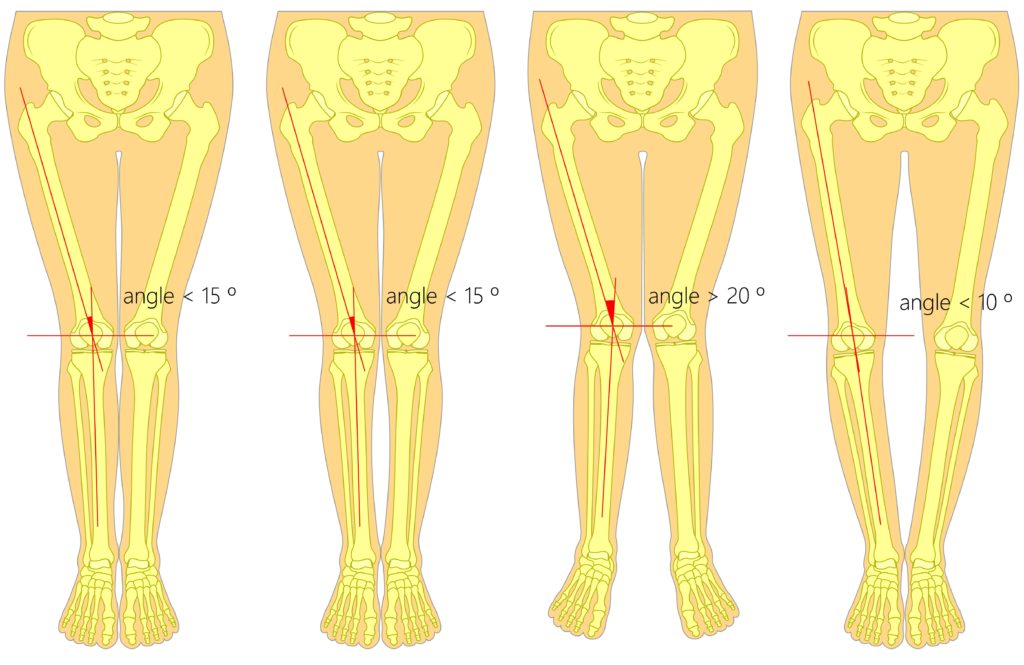
Unequal leg length, also known as LLD (Leg length Discrepancy), is defined as a condition in which there is a difference between the length of legs because thigh bone (femur), shinbone (tibia or fibula), or both are shorter in one leg.
The difference can range from 1cm to 6cm or more. A difference of 1cm and less is prevalent and insignificant. Variation as small as 2cm causing postural abnormality can be compensated by hip/pelvis. Greater variation may require surgical treatment.
Growth plates are areas of cartilage located near the end of the bone and determine the length and shape of mature bones. In long bones, the growth of bone doesn’t occur from the center outwards. Instead, it occurs around the growth plate. Damage to the growth plate may result in leg-lengthening or shortening due to a faster or slower growth rate than the opposite leg.
LLD can affect walking and posture, leading to functional scoliosis (abnormal lateral curvature of the spine), hip, knee, and ankle problems.
LLD can be divided into 2 broad categories:
It is due to the shortening of either thigh bone or shin bone in one leg. It may be due to:
Leg bones are equal in length without any significant difference. It is caused by the abnormal posture of hip, knee, ankle, or foot due to altered:
Suppose a child is born with Unequal leg length. In that case, it may be noticeable at birth but becomes obvious as the child grows, begins to crawl, or walk depending upon the cause. In contrast, other illnesses or injuries that cause a discrepancy in leg length take time to develop. The slight discrepancy in leg length may go unnoticed, but a significant difference becomes obvious and may develop complications.
Signs and symptoms depend on:
A person may develop:
There are many causes for a leg length discrepancy and can be divided into 3 broad categories:
Another classification of unequal leg length causes is:
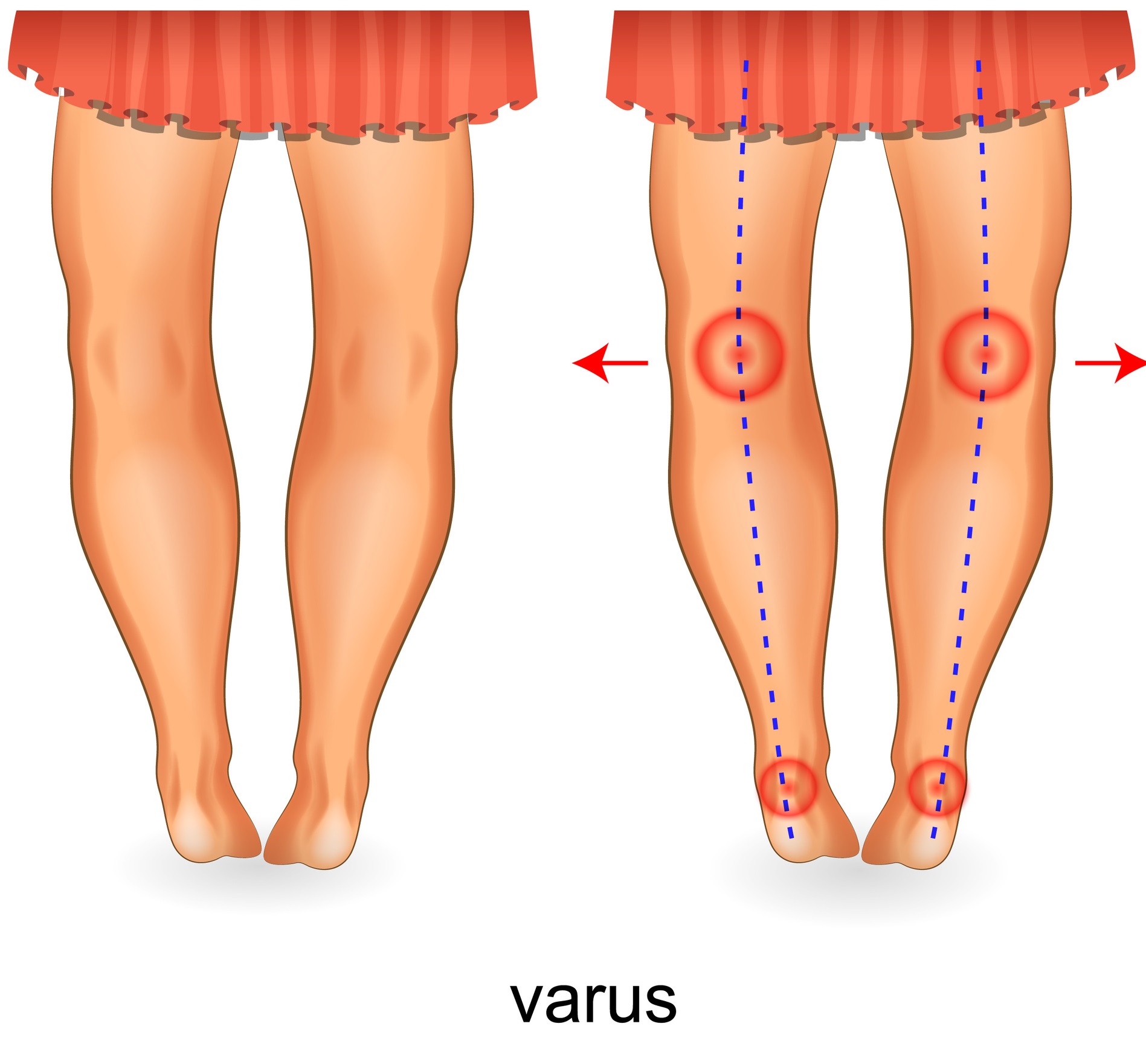
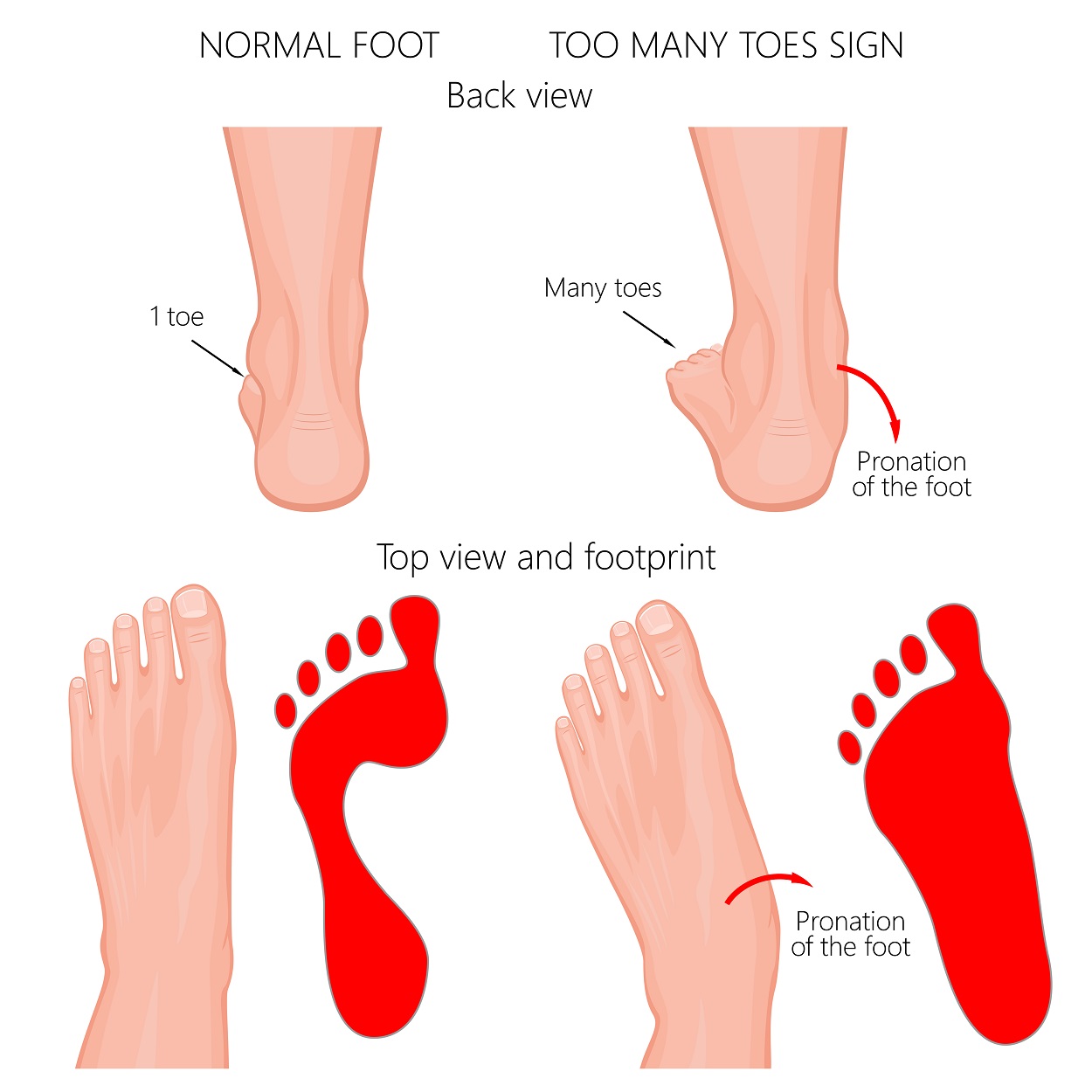
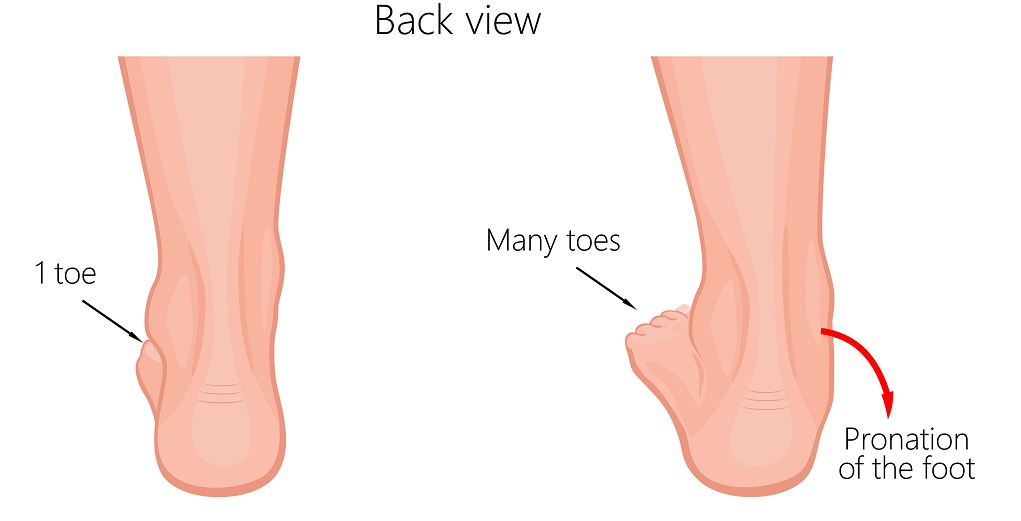
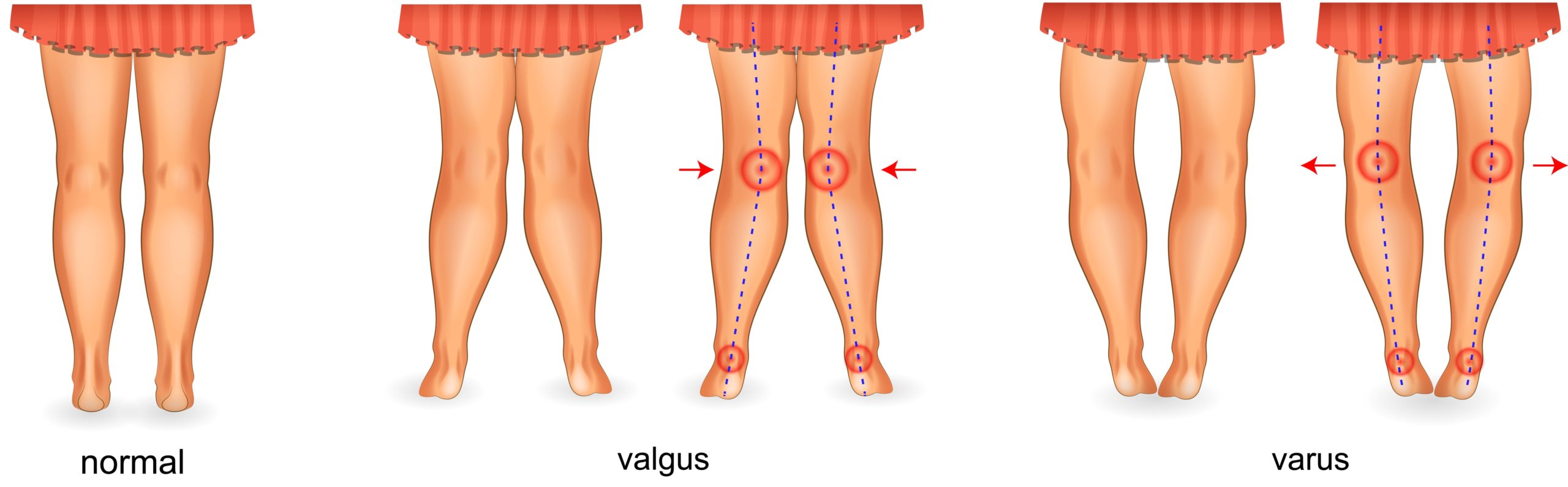
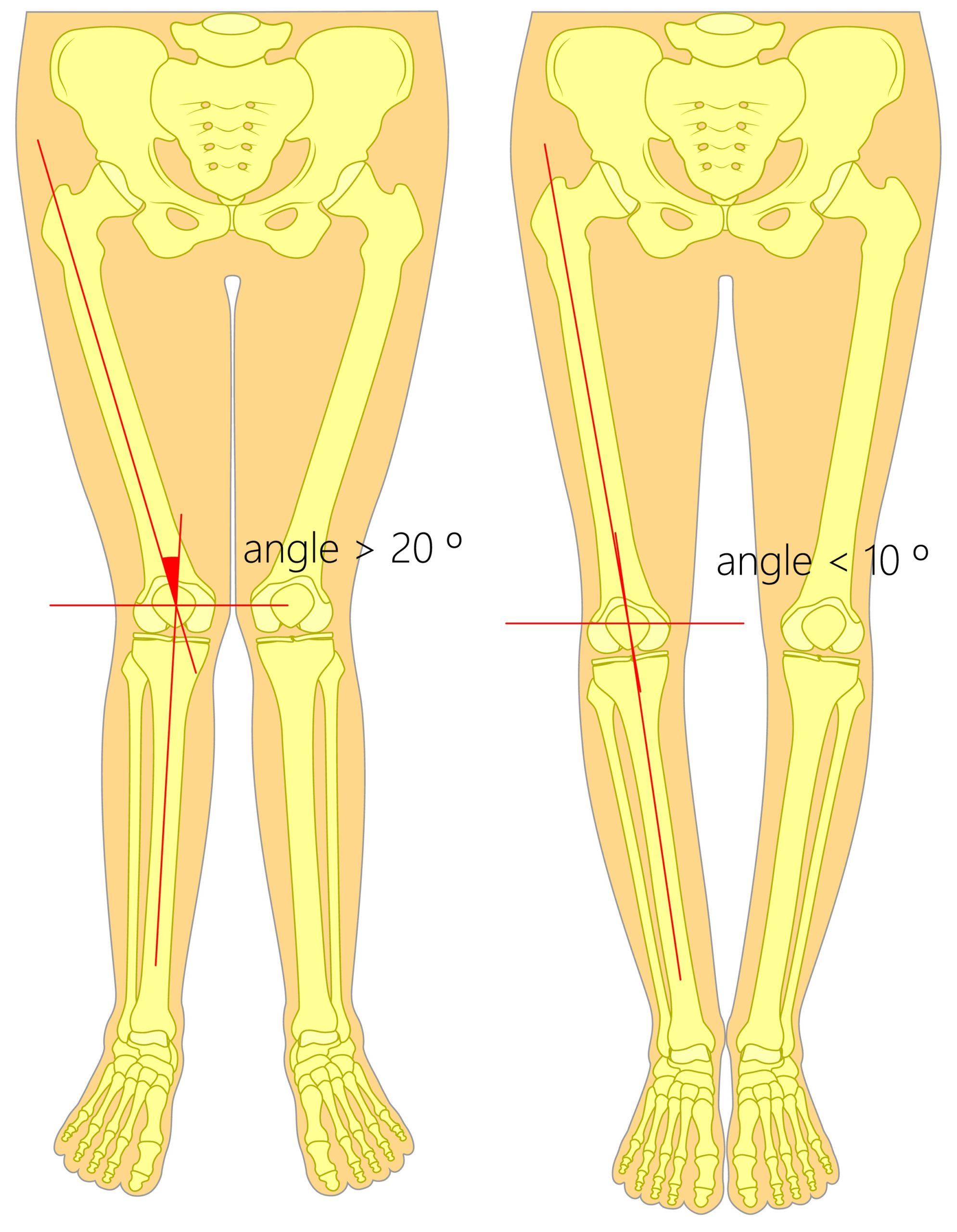
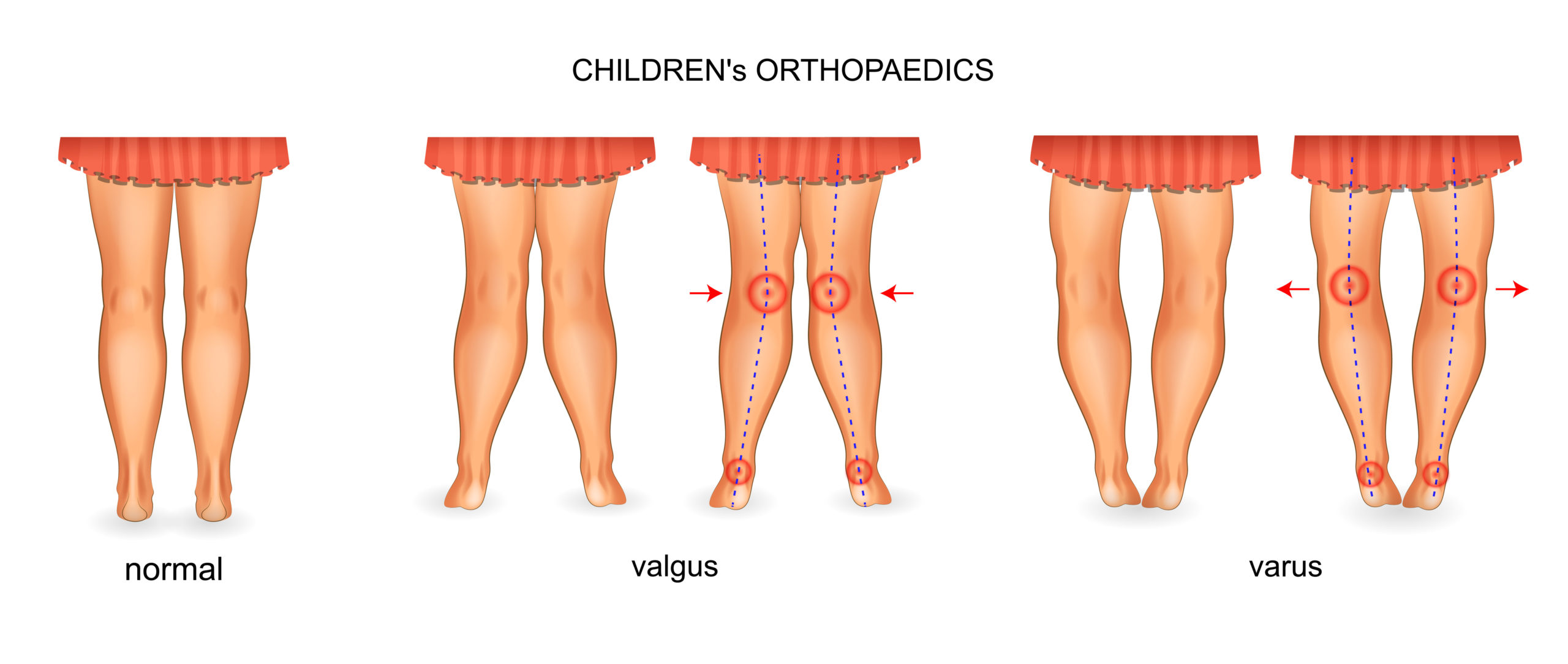
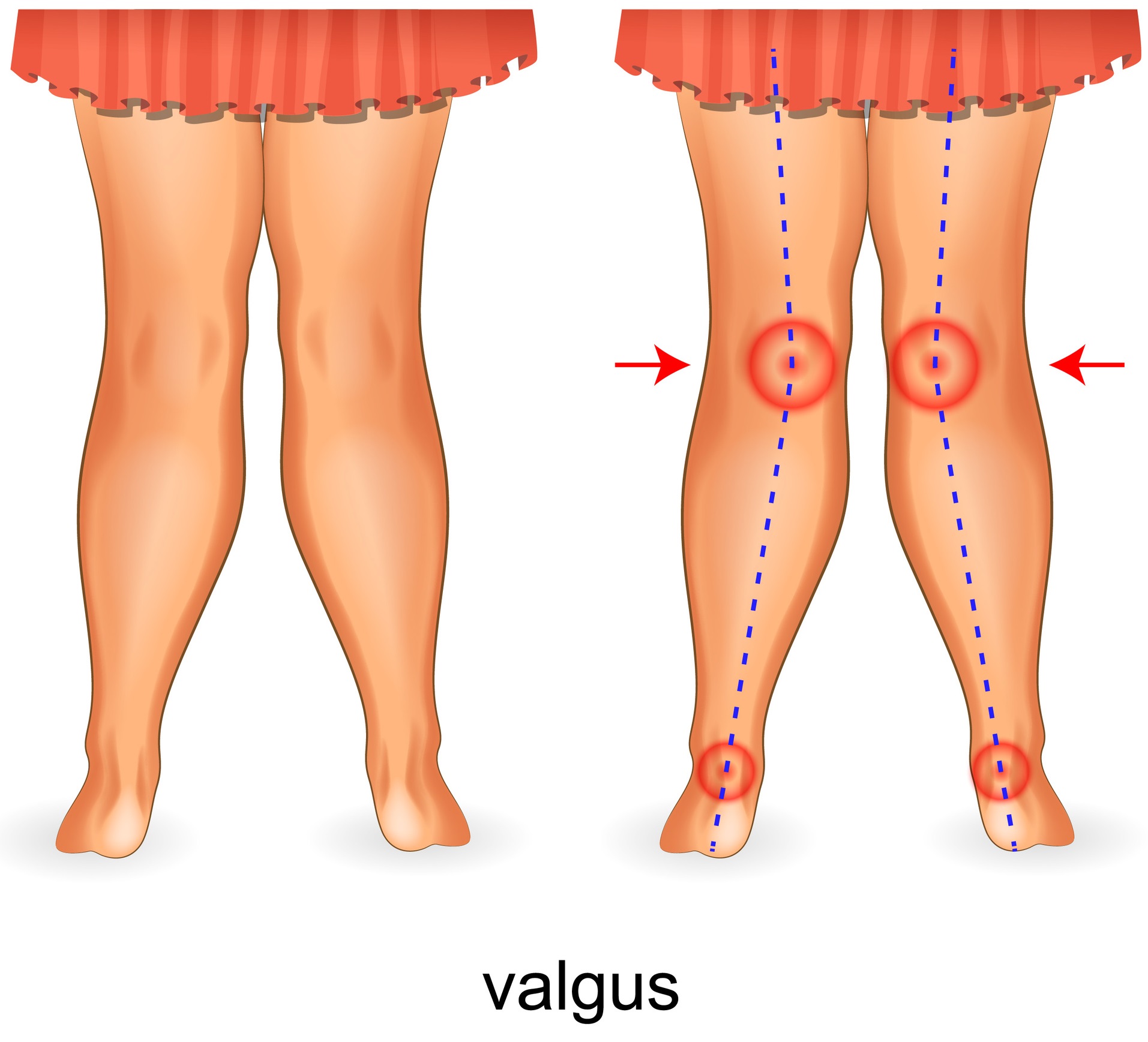
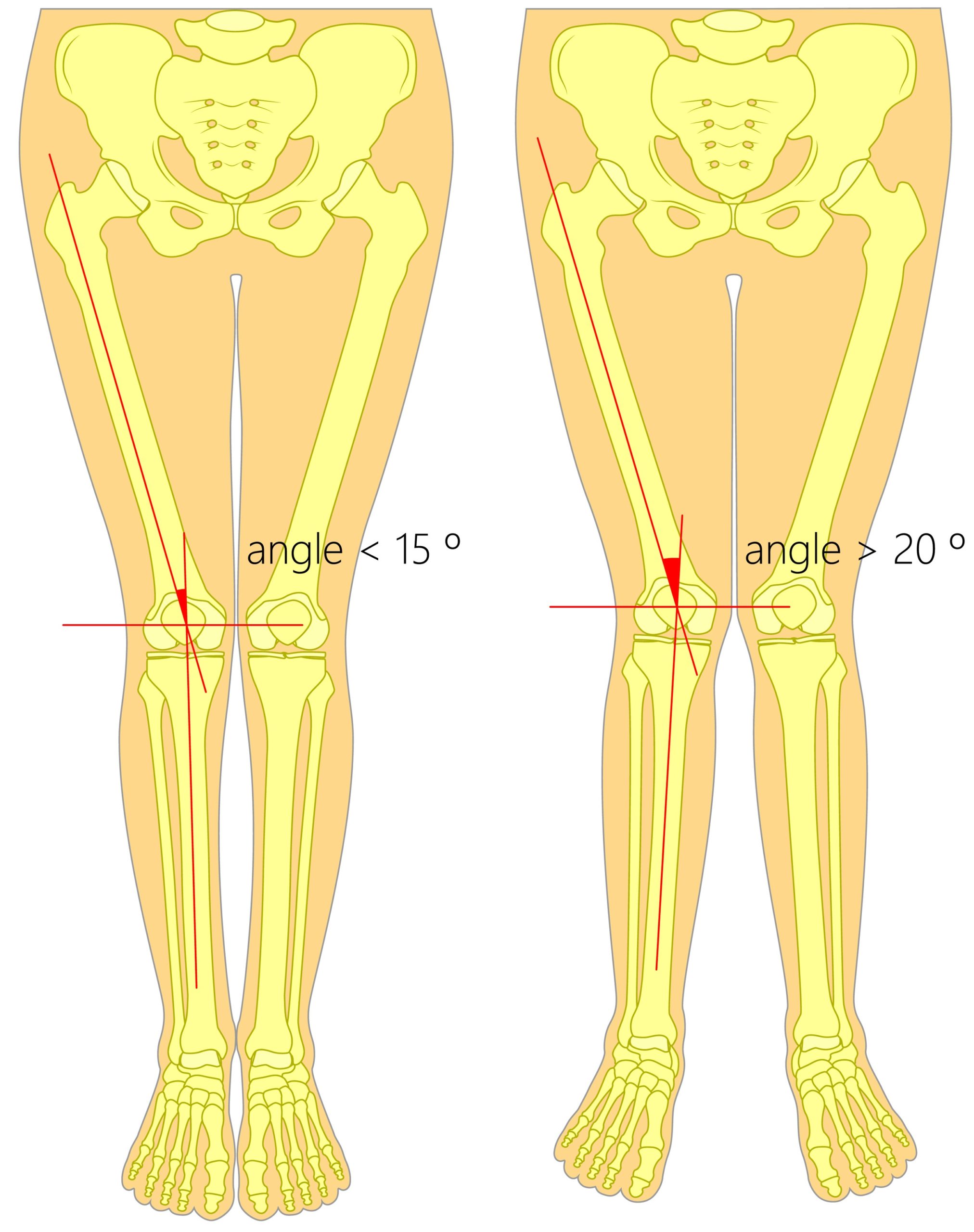
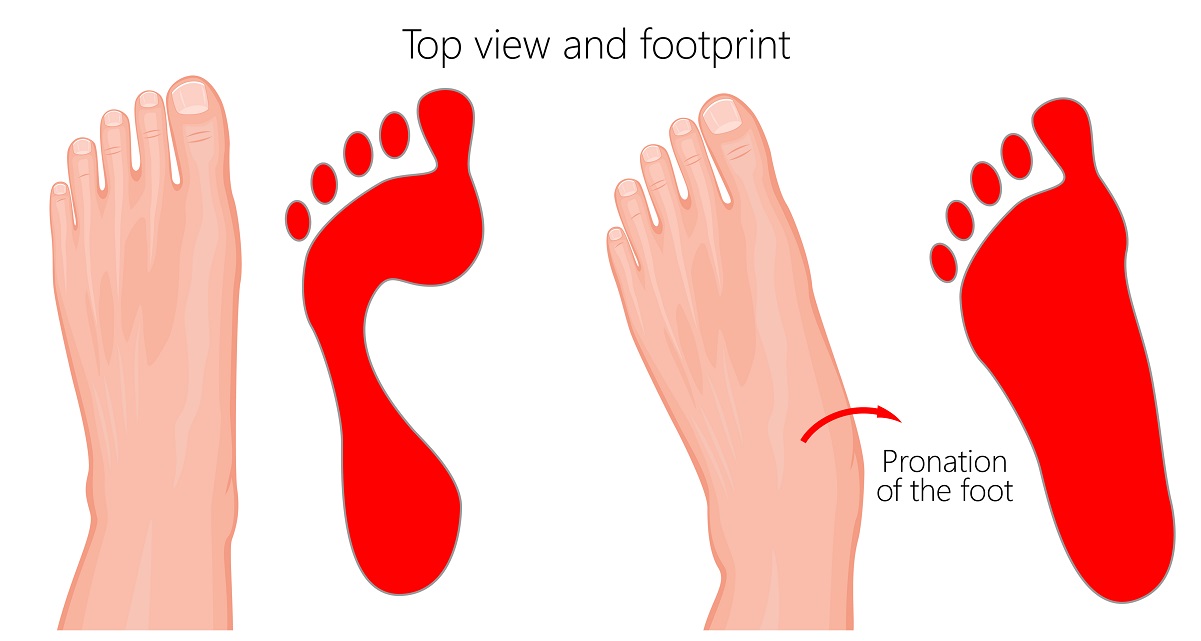
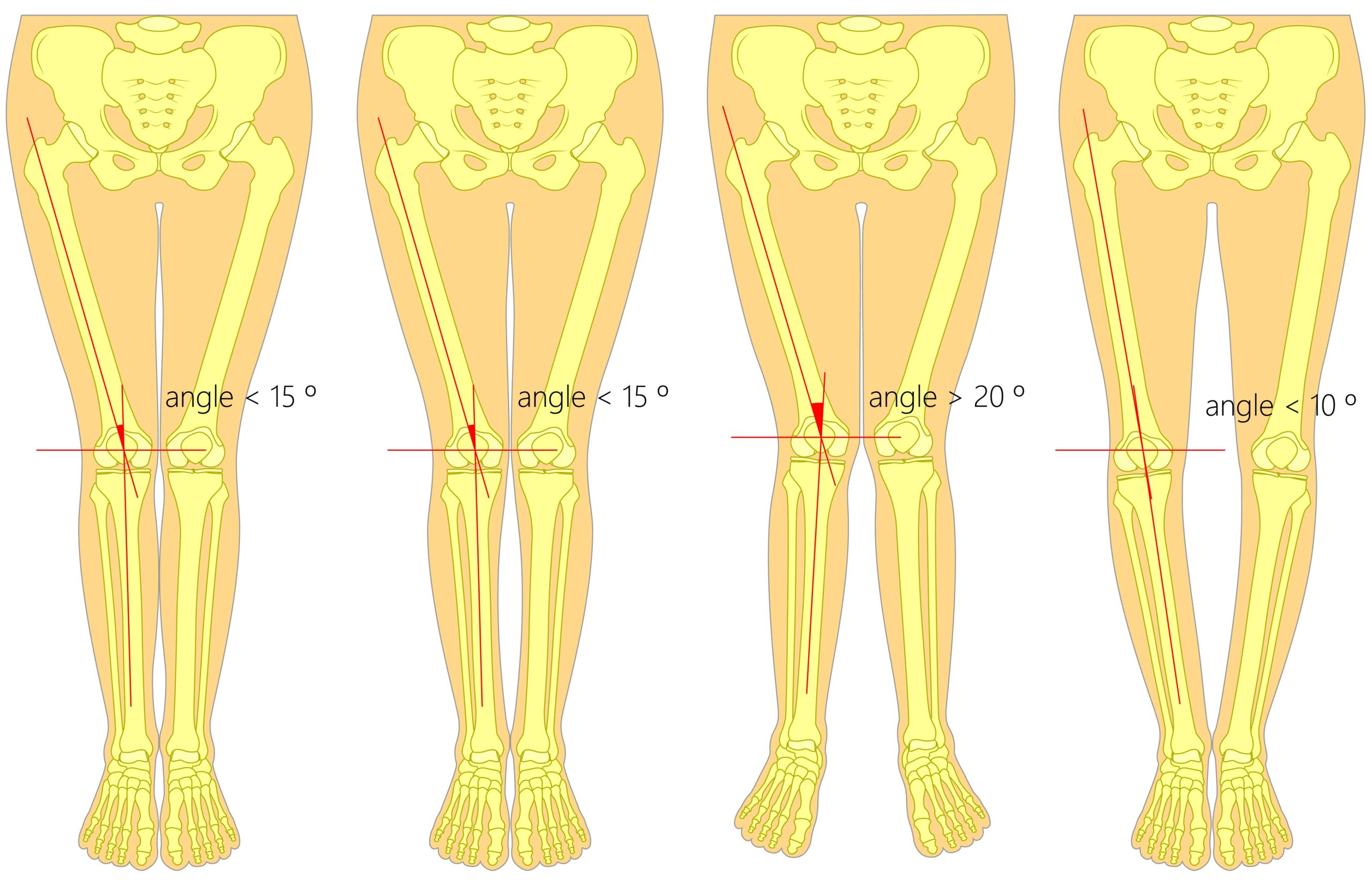
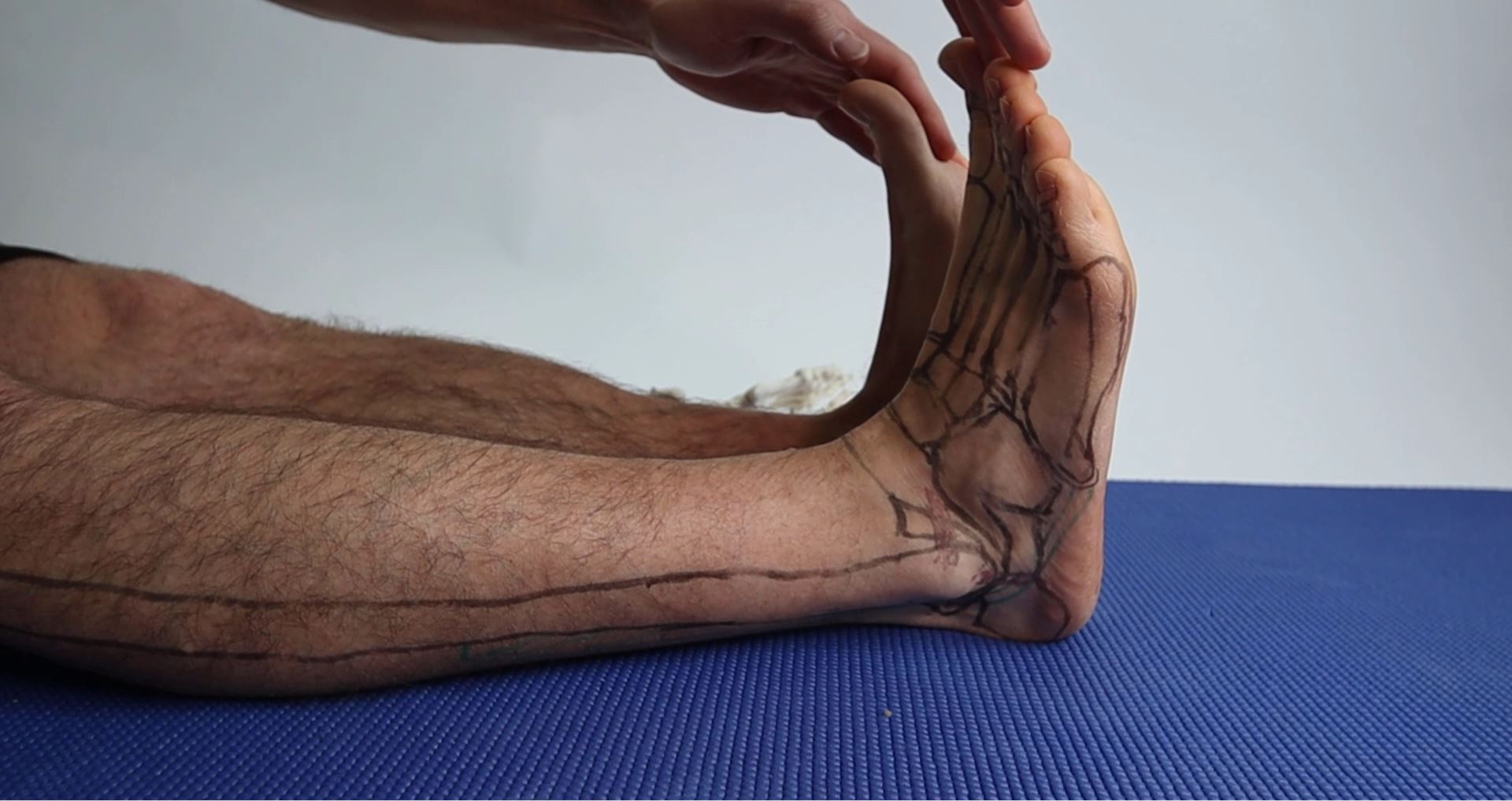
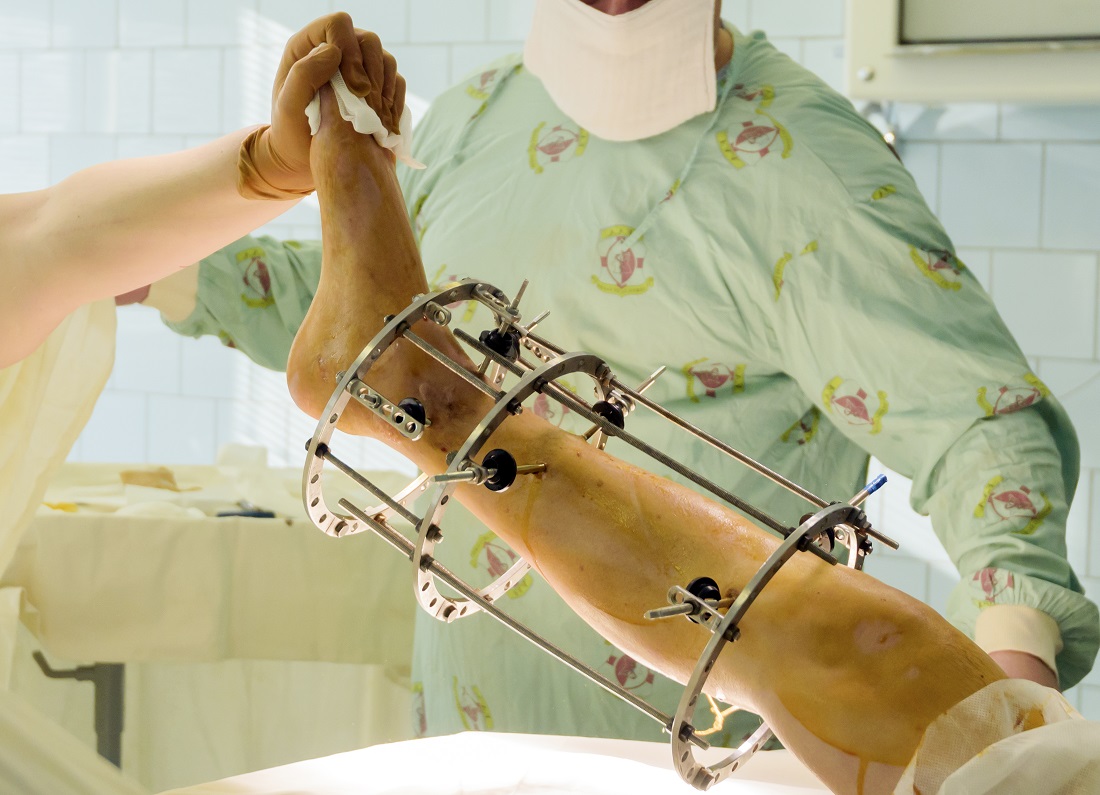
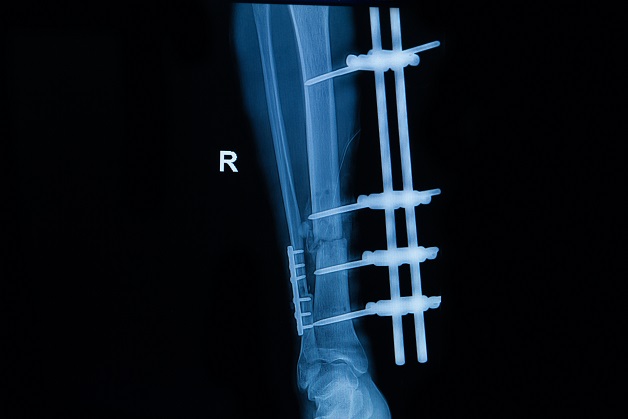
In children, LLD is suspected by parents, school teachers, or a pediatrician.
A simple test can be done at home to demonstrate any discrepancy in the leg length, which later can be confirmed by a medical professional.
Leg length discrepancy can be demonstrated at home by:
If a child experiences pain, toe-walking, difficulty crawling, walking, running, or playing, or has abnormal posture. Medical aid is necessary.
If a person has pain, poor posture, unequal leg length, or difficulty carrying daily life activities, seek the help of a doctor.
Whom to See?
A physician, orthopedic pediatrician, or podiatrist can treat LLD. But podiatrists are of choice as they are uniquely qualified and specifically trained in treating all such conditions.
At Hospital:
History:
The medical professional takes detailed information of the patient, including the history of:
A complete understanding of all these factors is a must to advise a treatment plan and prognosis of the condition and to identify potential complications before, during, and after the surgery.
Examination:
The discrepancy in leg length is first evaluated clinically, and imaging studies confirm the diagnosis.
Physical Examination:
Imaging studies:
While the child grows, these studies might be repeated by a doctor twice a year to determine the effect of growth on leg length discrepancy( whether the variation is increasing or remains the same)
Treatment of Leg Length Discrepancy Depends Upon:
Assessment of severity:
0-2cm: No treatment
2-6cm: Shoe lift, Epiphysiodesis, Shortening
5-20cm:Lengthening
>20cm: Amputation and Prosthesis
Bone maturity:
Generally, female bone maturity is complete by the age of 14, and in males, it closes by the age of 16. But imaging studies can be done to find out the years of growth left.
Treatment can either be non-surgical or surgical, depending upon the age and severity of the discrepancy.
1-Non-Surgical:
2-Surgical:
Surgery aims to:
1-Shortening of longer leg:
2-Slow or Stop the growth of longer limb: to allow catch up of shorter leg/ Epiphysiodesis
3-Lengthening of shorter leg/Osteotomy:
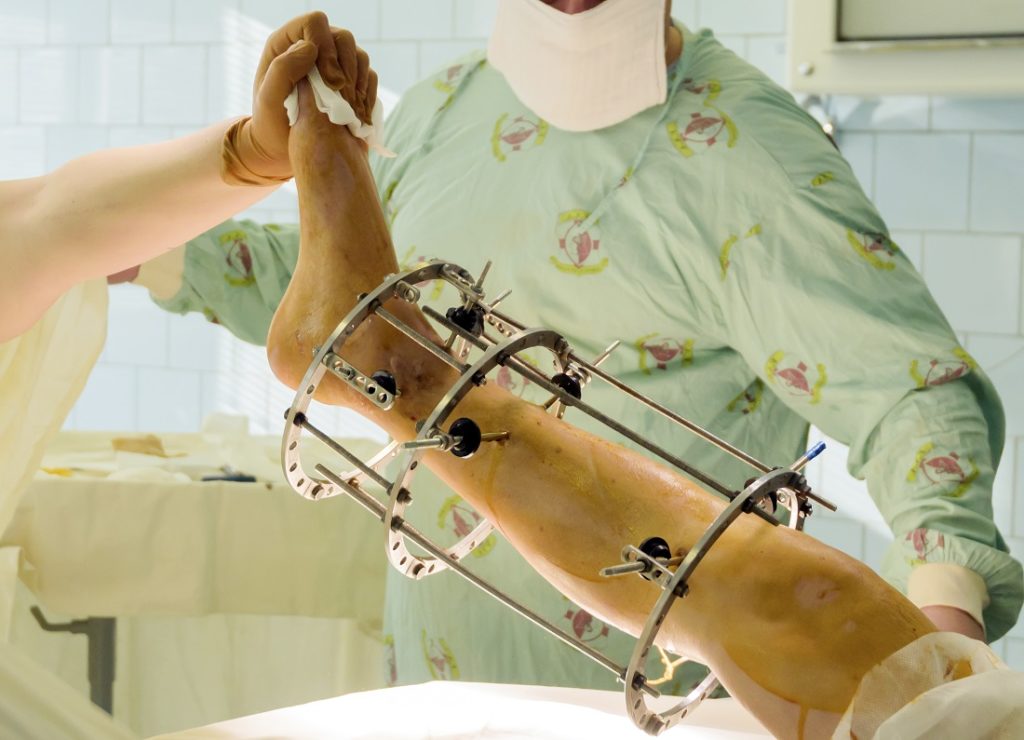
External fixation :
Internal Fixation:
Both the methods of lengthening the leg, whether internal or external, can take several months to complete.
4-Physeal bar excision:
5-Amputation and prosthetic fitting:
What are Post-Surgery Protocols to be followed?
After the surgery:
What are the Complications of surgery?
What are the Complications of Leg Length Discrepancy?
Stop letting discomfort disrupt your daily routine. At Balance Foot & Ankle, Dr. Tom Biernacki provides personalized care plans for patients struggling with unequal leg length. Whether you need a simple orthotic insert or a full gait evaluation, our Howell and Bloomfield Hills clinics are ready to help. Schedule your consultation today and take the first step toward balanced, pain-free movement.
Non-surgical interventions manage functional leg length discrepancies. It involves physical therapy. These include;
This can be done as shoe inserts (up to 20mm correction) or by building up the sole of your shoe (up to 30 – 60mm correction) in the shorter leg.
Shoe lifts must be done in small increments and should be gradually implemented.
Custom shoe lifts can be designed with a prosthetist or a podiatrist to help address the functional change.
Click here for our favorite motion control shoes for limb length discrepancy changes.D
Big Toe Joint, Hammer Toe & Bunionette Problems
It refers to one leg being shorter than the other, either due to structural or functional causes.
Causes include genetics, bone injury, joint problems, scoliosis, and muscle imbalances.
Symptoms may include hip pain, back pain, limping, uneven shoe wear, and posture issues.
Through physical exams, X-rays, and digital gait analysis by a podiatrist or orthopedic specialist.
Structural is a bone-length issue; functional results from posture or muscle alignment.
Through physical exams, X-rays, and digital gait analysis by a podiatrist or orthopedic specialist.
Yes, custom orthotic lifts or insoles can compensate for mild-to-moderate discrepancies.
Only in severe cases. Most can be managed with conservative treatments like orthotics.
Yes, and early intervention can help prevent complications as they grow.
Absolutely. A podiatrist can assess your gait, recommend solutions, and help prevent long-term issues.
Choose Your Location
✅ Same-day appointments available · No referral needed
🔒 Your information is private and HIPAA-protected
