Expert Foot & Ankle Treatment from Michigan’s #1 Podiatrist - Balance Foot & Ankle Specialist
Board Certified Podiatrists
Expert Foot & Ankle Care
Expert Foot & Ankle Treatment from Michigan’s #1 Podiatrist - Balance Foot & Ankle Specialist
Expert Foot & Ankle Care
Painful Bump on Top of Your Foot?
A bruised toenail that starts to turn black or purple and eventually falls off is often a sign of trauma or pressure under the nail. Whether caused by stubbing your toe, wearing tight shoes, or running long distances, this condition — known as a subungual hematoma — can look alarming. While most cases heal on their own, there are times when professional treatment is necessary to prevent infection, pain, or permanent nail damage.
Let’s explore the causes, what to expect, and how to manage the recovery process.
If you’ve noticed a hard bump or painful swelling on the top of your foot, you may be dealing with a bone spur, also known as an osteophyte. Bone spurs are extra pieces of bone that develop due to pressure, friction, or inflammation over time — and when they form on the top of the foot, they can interfere with daily activities, walking, or even wearing shoes comfortably. While some bone spurs cause no symptoms, others can be painful and require professional attention. Understanding the signs and treatment options is essential for long-term foot health.
The #1 cause of bone spurs on top of the foot is almost always due to bone arthritis, foot flattening and ligament stretching. We go over the 100% best FIX!
Top of the Foot Pain:
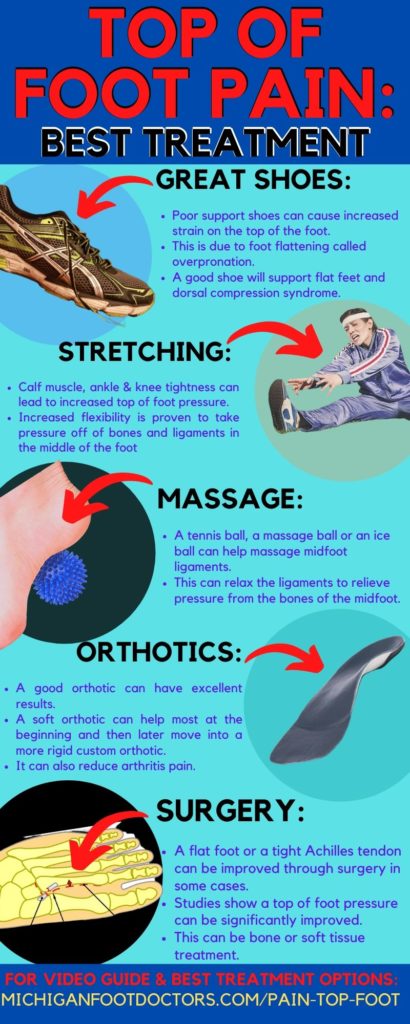
If you have a painful bump on the top of your foot, it’s likely a bone spur — most often caused by arthritis, foot flattening, and stretched ligaments. These issues put pressure on midfoot joints, leading to excess bone growth. The best fix starts with supportive footwear, custom orthotics, and early podiatric care to reduce pain and prevent the spur from worsening.
Call now or book an appointment online—your peace of mind starts here.
The most common causes of top of the foot pain:
Picture gallery of sharp pain on top of foot .
Bone Spur On Top Of Foot Overview:

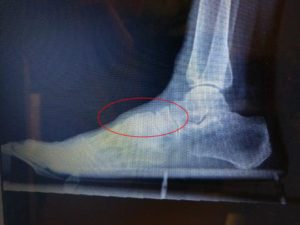
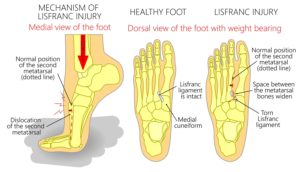
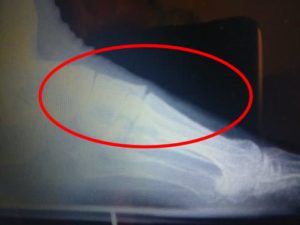
This is a big bump on the top of the middle of the foot. This is known as lisfranc joint arthritis. Look at good orthotics and shoes to relieve the compression. We then recommend skipping the laces in that part of the shoe to take pressure off the lump!
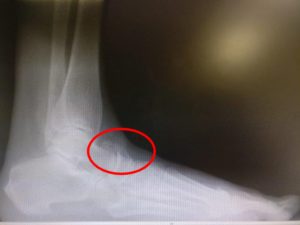
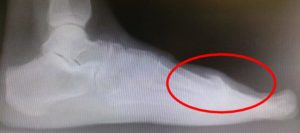
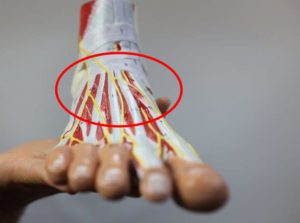
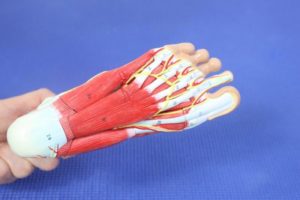
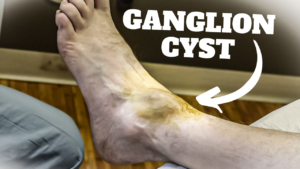
It is also possible to have a muscle knot on top of the foot.
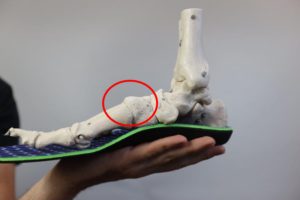
Knot on Top Of Foot Symptoms:
This is a fancy name for bone growth on top of your foot.
The initial goal of treatment is to decrease the inflammation:
Inflammation Control:
Treatment will focus on control of inflammation:
For more:
To permanently remove the bone spur, surgery will be necessary.
A bone spur on top of the foot will never go away without surgery, but the pain can be removed!
A top of the foot bone spur usually occurs at the 1st metatarsal cuneiform joint. This is called a dorsal foot exostosis.
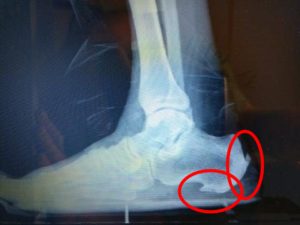
This patient has both a large plantar heel spur and posterior heel spur. This is definitely a large lump felt through the skin. The same thing can happen with a top-of-the-foot bone spur!
Bone Spurs are not limited to feet, although they are mostly found on the feet. Check out the links below to find more information about bone spurs in various locations.
For More Help:


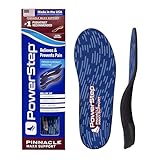
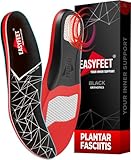
Best Full-Length Orthotics:


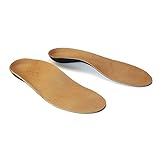
Best Dress Shoe Orthotics:


Best 3/4 Length Orthotics:


A bone spur is an overgrowth of bone, often caused by pressure or arthritis, that appears as a hard bump on the foot.
Common causes include joint wear and tear, repetitive stress, arthritis, poor footwear, or previous injuries.
Not always. Some bone spurs are painless, but others cause pain, especially with movement or shoe pressure.
No, bone spurs don’t disappear naturally, but symptoms can often be managed without surgery.
Options include orthotic inserts, roomy footwear, ice packs, physical therapy, and anti-inflammatory medications.
If you experience persistent pain, visible swelling, or difficulty walking, it’s time to consult a specialist.
Diagnosis typically involves a physical exam and imaging such as an X-ray or MRI.
Yes, surgical removal is an option for severe cases when conservative treatments fail.
It’s rare, but they can return if the underlying cause (e.g., pressure or arthritis) isn’t addressed.
Wear properly fitting shoes, avoid repetitive stress, maintain a healthy weight, and address foot issues early.
Dr. Tom Biernacki, DPM is a board-qualified podiatrist and foot & ankle surgeon serving Southeast Michigan at Balance Foot & Ankle Specialists. A Michigan native, Dr. Biernacki earned his undergraduate degree from Michigan State University and his Doctor of Podiatric Medicine (DPM) from Kent State University College of Podiatric Medicine. He completed a three-year comprehensive surgical residency in foot and ankle surgery in the Detroit metro area.
Dr. Biernacki specializes in the treatment of heel pain, bunions, hammertoes, diabetic foot care, sports injuries, flatfoot correction, and minimally invasive foot surgery. He is dedicated to providing evidence-based, patient-centered care that helps people of all ages stay active and pain-free.
He sees patients at multiple convenient Metro Detroit locations and is committed to community education through the MichiganFootDoctors.com resource library. Dr. Biernacki is a member of the American Podiatric Medical Association (APMA) and the Michigan Podiatric Medical Association (MPMA).
Choose Your Location
✅ Same-day appointments available · No referral needed
🔒 Your information is private and HIPAA-protected