Expert Foot & Ankle Treatment from Michigan’s #1 Podiatrist - Balance Foot & Ankle Specialist
As Seen on YouTube
Trusted by 1M+ Social Media Followers
Expert Foot & Ankle Treatment from Michigan’s #1 Podiatrist - Balance Foot & Ankle Specialist
Trusted by 1M+ Social Media Followers
Top of the Foot Pain:
This video goes over the causes & how to treat top of the foot pain.
The most common causes of top of the foot pain:
Picture gallery of sharp pain on top of foot .
There are many causes of pain across the top of the foot. The most common cause of pain across the top of the foot is a prominent metatarsal exostosis. This can lead to arthritis & nerve pain over the years.
Pain across the top of the foot is almost always caused by one of two factors:
Pain across the top of the foot is usually caused by nerve impingement against bone in the top of your shoe. But this can also be arthritis pain, even walking barefoot. These are the most common symptoms:
This is a fancy name for bone growth on top of your foot.
Also, consider:


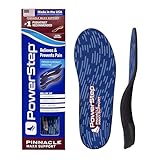
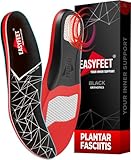
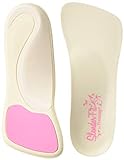
Best Full-Length Orthotics:


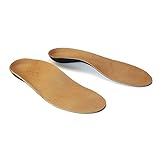
Best Dress Shoe Orthotics:


Best 3/4 Length Orthotics:


Our experienced podiatric surgeons combine precision, care, and innovation to deliver successful outcomes in flatfoot reconstruction. With modern facilities, patient education, and compassionate care, we’ve become the trusted choice for foot and ankle surgery in Southeast Michigan. We’re committed to restoring your stride—comfortably and confidently.
Top of the Foot Pain:
Pain on the top of the foot can be caused by overuse, tight footwear, tendonitis (especially extensor tendonitis), stress fractures, nerve compression, or arthritis.
A stress fracture usually causes pinpoint pain that worsens with activity and improves with rest, while tendonitis often presents as aching or burning along the tendons, especially when moving the toes.
Yes, tight or poorly fitted shoes can compress nerves and tendons on the top of the foot, leading to irritation, inflammation, and discomfort.
Treatment may include rest, ice, anti-inflammatory medications, better-fitting footwear, orthotics, and in some cases, physical therapy or imaging to rule out fractures or arthritis.
If the pain persists for more than a few days, worsens with activity, or is accompanied by swelling or bruising, it’s best to see a podiatrist for an accurate diagnosis and treatment plan.
It’s recommended to rest the foot and avoid activities that aggravate the pain. Continuing to exercise can worsen the condition or lead to more serious injury.