Arthritis in the ball of the foot can cause significant discomfort, making walking and standing difficult. This condition often leads to stiffness, swelling, and sharp pain that worsens with activity. At Balance Foot & Ankle, we specialize in diagnosing and treating arthritis to help you regain mobility and live pain-free.
Arthritis in the ball of the foot, medically known as metatarsophalangeal joint arthritis, occurs when the cartilage cushioning the joints deteriorates. This leads to inflammation, pain, and limited movement. It can result from aging, injury, repetitive stress, or underlying conditions like rheumatoid arthritis. Early diagnosis and treatment are crucial to managing symptoms and improving quality of life.
Ball of the Foot Pain
Don’t Let Foot Arthritis Hold You Back
Ready to find relief from arthritis pain in the ball of your foot? Schedule a consultation with Dr. Tom Biernacki at Balance Foot & Ankle today. Our personalized treatments focus on reducing inflammation, restoring function, and helping you walk comfortably again.
Arthritis In The Ball Of My Foot Causes, Symptoms & Best Treatment
Arthritis In The Ball Of My Foot: Arthritis is common in #1) The big toe joint, #2) the 2nd metatarsal phalangeal joint & #3) The ball of the foot.
Ball of the Foot Pain Pictures & Photo Gallery
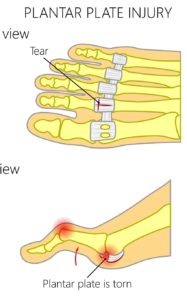
Plantar Plate Tear: A plantar plate tear is ripping of the ligaments holding the toe together.
Fat pad atrophy of the ball of the foot: this is the loss of cushioning in the ball the foot.
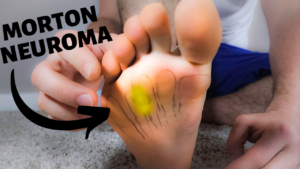
Morton's neuroma: this is the damage and inflammation to the nerves between and underneath the metatarsal joints.
Capsulitis is related to hammertoe formation, and can lead to a plantar plate tear. There is some overlap between these three disorders. As they get worse tearing and ligament damage can occur.
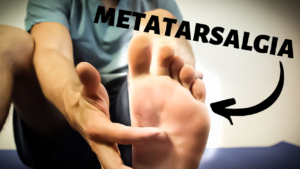
Arthritis in the ball the foot may occur secondary to a condition called metatarsalgia.
This is a very common problem that occurs in people with too much pressure to the bottom of the foot.
Arthritis gradually happens as the cartilage of the ball the foot wears away.
Click on the above link to see if this is something that may be going on with you.
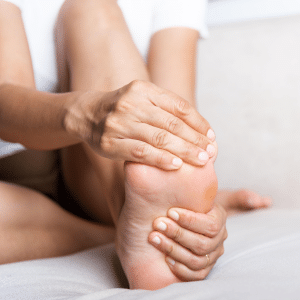
Metatarsalgia or ball of the foot pain is the pain the front of the foot. This is most common in people who have very tight hamstrings calf muscles are putting much more pressure on the ball the foot. This can lead to neuroma, metatarsal or even stress fracture pain.
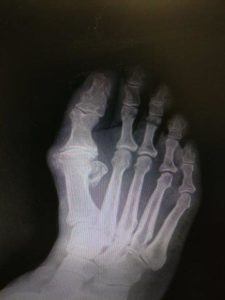
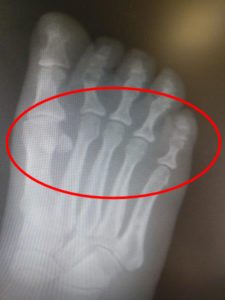
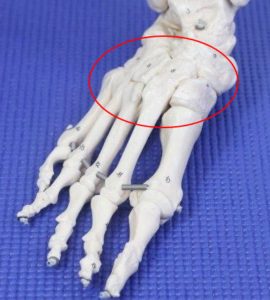
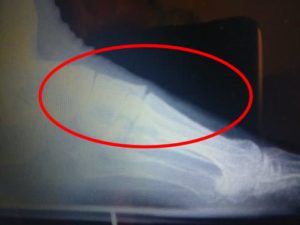
Midfoot arthritis is very common, these types of problems occur when there is too much stress through the middle of the foot.
This happens in people who are on their feet throughout their life, and are carrying a increased amount of weight.
It is also more likely to occur on hard surfaces, and labor jobs.
This is most likely to start occurring in people who are 30 to 50 years old.
The midfoot joint that can get sprained is called a lisfranc joint. This joint can take a very long time to feel better. Our preferred treatment is a really good pair of orthotics. This will really improve your healing time and prevent mid-foot arthritis.
This is a joint that does not get a lot of attention!
Yet we see many many people with this is the main source of their pain.
If you have pain along the outside and bottom of your ankle, this may be the subtalar joint.
There are also many tendons and ligaments around this area that could be causing pain.
Outside of the ankle pain usually occurs at the head of the fibula. But it can also be the subtalar joint or the peroneal tendons. The subtalar joint is a very commonly injured site.
The ankle joint is probably the most attention grabbing joint of the foot and ankle.
It is very common to get a sprained ankle or a more severe ankle injury.
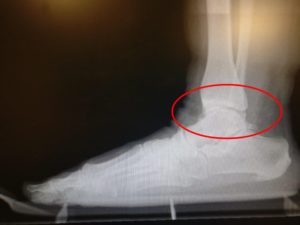
If not rehabbed properly, it is possible for the ankle joint to develop arthritis, spur formation or increased pain.
We do see many patients whose ankles have gotten worse, and continue to get worse as time goes on.
Make sure you don’t let this happen to you, see a podiatristas soon as you can and seek treatment.
Ankle joint arthritis is most common after with poor support or after an ankle injury. If you have had an ankle sprain or a broken ankle, this may occur long term.
What Is Arthritis?
Arthritis refers to any irritation of the joint. It does not specify what type of arthritis you are dealing with, as there are many different types of arthritis possible.
The most common causes in the ball of the foot are: Osteoarthritis, Rheumatoid Arthritis, Traumatic Arthritis & Gout.
Rheumatoid arthritis effects both feet equally & many of the joints feel slow and aching. Rheumatoid arthritis is a systemic disease.
Osteoarthritis is common in hammertoes, especially if the hammer toe becomes rigid.
Traumatic arthritis can occur if there has been a previous stress fracture.
Gout appears almost exclusively in the big toe joint only; if it does not look like this, consider something else.
If these sound like you, follow the treatment link, otherwise consider the 4 major non-arthritis causes of ball of the foot pain.
Arthritis in the ball of the foot is possible, but if you are experiencing slow and aching pain, you are most likely experiencing a condition known as metatarsalgia or 2nd metatarsal overload syndrome.
The planter plate is a structure that holds the bottom of the metatarsal phalangeal joints together.
It is possible that this become stretched out in tears over time.
This can eventually lead to crossover toes, especially the second toe crossing over the big toe.
This causes pain at the bottom of the second metatarsal phalangeal joint, the third metatarsal phalangeal joint and the fourth metatarsal phalangeal joint most commonly.
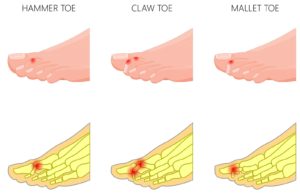
A hammertoe is the curvature or contractor of the toes.
This happens due to an imbalance of the tendons anchoring into the toe.
There are three types of hammer toes.
These are called hammertoe, the claw toe, and the mallet toe.
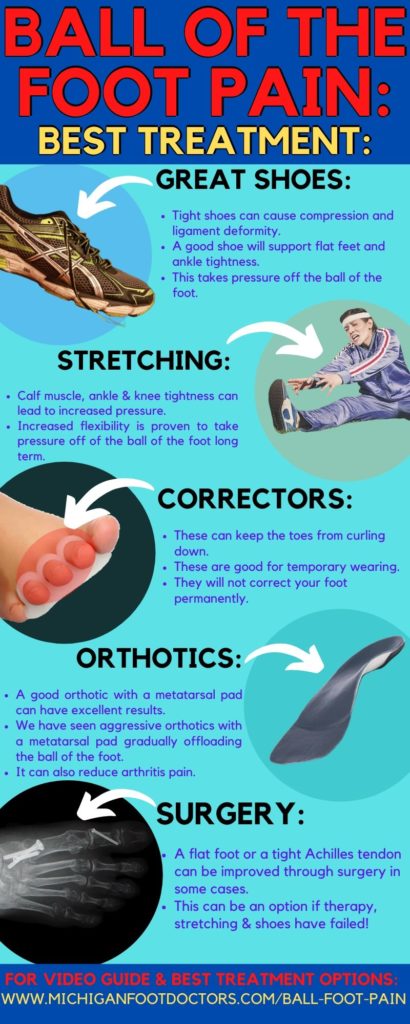
Ball of the Foot Pain Treatment Infographic
Top 5 Signs of Arthritis in the Ball of My Foot
If you’re experiencing persistent pain or stiffness in the front of your foot, you might be wondering, “Is this arthritis in the ball of my foot?” Arthritis in this area—often affecting the metatarsophalangeal (MTP) joints—can significantly impact mobility and quality of life if left untreated. Knowing the warning signs early is key to managing the condition effectively.
Here are the top 5 signs to watch out for:
1. Persistent Pain Under the Toes
Pain in the ball of your foot, especially near the base of the big toe or second toe, is often the most noticeable symptom. It may start mildly and worsen with prolonged standing, walking, or running. The discomfort might feel dull, aching, or even sharp and stabbing.
2. Stiffness and Limited Range of Motion
If you notice your toes are harder to move, or if your foot feels stiff after periods of inactivity (like waking up in the morning), this could be a sign of joint inflammation or cartilage wear. Stiffness often worsens in colder weather or after prolonged use.
3. Swelling or Redness
Inflamed joints in the forefoot can become visibly swollen or tender to the touch. You might see puffiness around the base of your toes or feel warmth in the area. This is your body’s natural inflammatory response to joint damage.
4. A Grinding or “Catching” Sensation
As arthritis progresses, the joint cartilage can wear down, leading to bone-on-bone friction. This may result in a grinding feeling (crepitus) or even a “catching” sensation when you try to move your toes.
5. Difficulty Walking or Wearing Shoes
People with arthritis in the ball of the foot often change the way they walk to avoid pain. Over time, this can cause additional strain on the foot and other joints. You might also find it uncomfortable to wear regular shoes due to pressure on the inflamed joints.
When to Seek Help
If any of these symptoms sound familiar, it’s time to consult a foot and ankle specialist. Early diagnosis and treatment can prevent further joint damage and help you maintain an active lifestyle. At Balance Foot & Ankle, we offer advanced diagnostics and personalized care plans to get you back on your feet—pain-free.
Ready for Relief?
Call (810) 206-1402 today or book your appointment online. Let us help you take the first step toward a more comfortable future.
Trusted Advice for Arthritis in the Ball of My Foot
When it comes to managing foot pain from conditions like plantar fasciitis, flat feet, or diabetic neuropathy, the best orthotics can offer crucial support and relief.
Choosing the best shoes for foot conditions like neuropathy, plantar fasciitis, or flat feet is essential for pain relief and long-term foot health.
Consult Balance Foot & Ankle Specialist in Howell and Bloomfield for Expert Gout Pain Relief.
Our experienced podiatric surgeons combine precision, care, and innovation to deliver successful outcomes in flatfoot reconstruction. With modern facilities, patient education, and compassionate care, we’ve become the trusted choice for foot and ankle surgery in Southeast Michigan. We’re committed to restoring your stride—comfortably and confidently.
It’s inflammation and joint damage in the metatarsal area, often caused by wear-and-tear, injury, or certain medical conditions like rheumatoid arthritis.