Expert Foot & Ankle Treatment from Michigan’s #1 Podiatrist - Balance Foot & Ankle Specialist
Board Certified Podiatrists
Expert Foot & Ankle Care
Expert Foot & Ankle Treatment from Michigan’s #1 Podiatrist - Balance Foot & Ankle Specialist
Expert Foot & Ankle Care
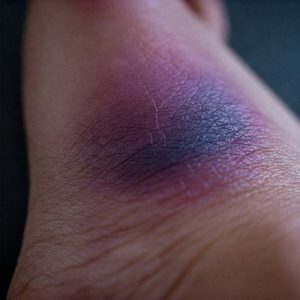
A bruised heel—also known as a fat pad contusion—occurs when the protective layer of fat under your heel bone gets damaged from impact or overuse. It’s common in sports, running, hiking, or simply from walking barefoot on hard surfaces. The result is a deep, aching pain under the heel that worsens with pressure or activity. While not usually a serious injury, ignoring a bruised heel can lead to long-term discomfort or even chronic conditions like plantar fasciitis.
Medial ankle pain shouldn’t interfere with your daily life. At Balance Foot & Ankle Specialist, our podiatrists use advanced diagnostic tools and personalized treatments to get to the root of your pain and provide lasting relief. Whether you’re dealing with tendon issues, arthritis, or injury-related pain, we’re here to help. Schedule your consultation today and take the first step toward healing.
95% of the time a bruised heel bone is a contusion or damage to the tissues under the heel causing pain. There may also be a heel spur or plantar fasciitis!
Look:
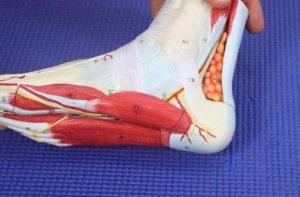
Please click on the gallery for a guided tour through heel pain conditions!
Bruised Heel Bone Overview:

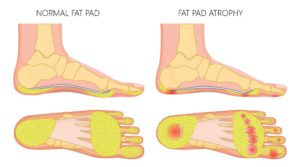
The heel is the most common location of a bruised heel because when a person runs or falls, the large majority of the body’s weight rests on the heels. bruised heels occur more often in older people or in people who have a thin fat pad under the heel bone.
You may be at risk of developing Bruised Heel if:
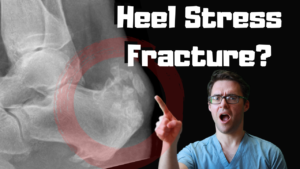
Sometimes the bruised heel pain is not caused only by inflammation in the foot pad. This pain can be caused by a Bruised Heel Bone. Visit this page for more information about the symptoms and the treatments of a Bruised Heel Bone.
The pain that you feel after stepping on a stone or hard surface can also be caused by another condition called metatarsalgia. For more information visit this page. Metatarsalgia.
The bruised heel may take a couple to a few days to get better. The recovery time depends of the severity of the bruise.
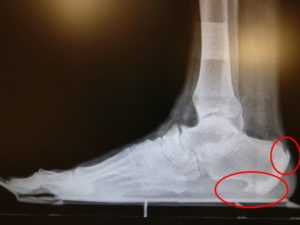
A bruised heel causes a lot of pain. This is mainly because if the activated inflammatory response. In order to decrease the recovery time, it is important to try to reduce the inflammation in the area.
Here are some treatment options:
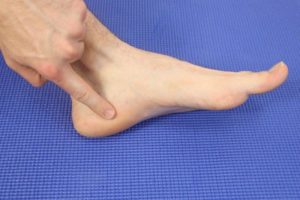
A bruised heel, also known and Policeman’s Heel is a contusion or damage to the tissues under the heel causing pain.
Treatment of a Bruised Heel: What can the athlete do about heel pain?
What can a professional do?
How long will it take to recover?






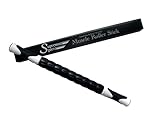


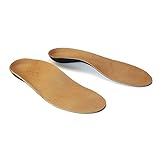
Best Full Length Orthotics:


Best Dress Shoe Orthotics:


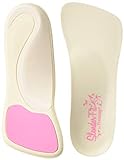
Best 3/4 Length Orthotics:


Radiculopathy (Back Pain):
Our specialized bruised heel treatments combine advanced techniques, precision, and compassionate care to relieve pain and restore nail health. Using modern podiatric methods, we reduce discomfort, prevent further damage, and promote proper healing so your toenail recovers naturally. Trusted by patients throughout Southeast Michigan, we emphasize personalized treatment plans and patient education to ensure the best results. With expert bruised toenail care, you can get back on your feet—comfortably and confidently.l
It feels like a deep, dull pain under the heel, often worse when walking or standing for long periods.
Most cases heal within 1–3 weeks, but severe bruises may take longer depending on activity level and care.
Yes, but it’s recommended to minimize pressure and wear cushioned shoes to avoid worsening the injury.
Repetitive impact, poor footwear, sports injuries, or stepping on a hard object can all cause heel bruising.
A podiatrist will examine your symptoms, physical activity history, and possibly use imaging to rule out fractures.
Yes, if the pain is severe, persistent, or not improving after rest and self-care.
No, but they share similar symptoms. A professional evaluation can differentiate the two.
Rest, ice, elevation, cushioned footwear, and avoiding high-impact activity until the pain subsides.
Yes, repeated trauma without proper healing can lead to long-term heel pain or fat pad degeneration.
Choose Your Location
✅ Same-day appointments available · No referral needed
🔒 Your information is private and HIPAA-protected