
Causes:
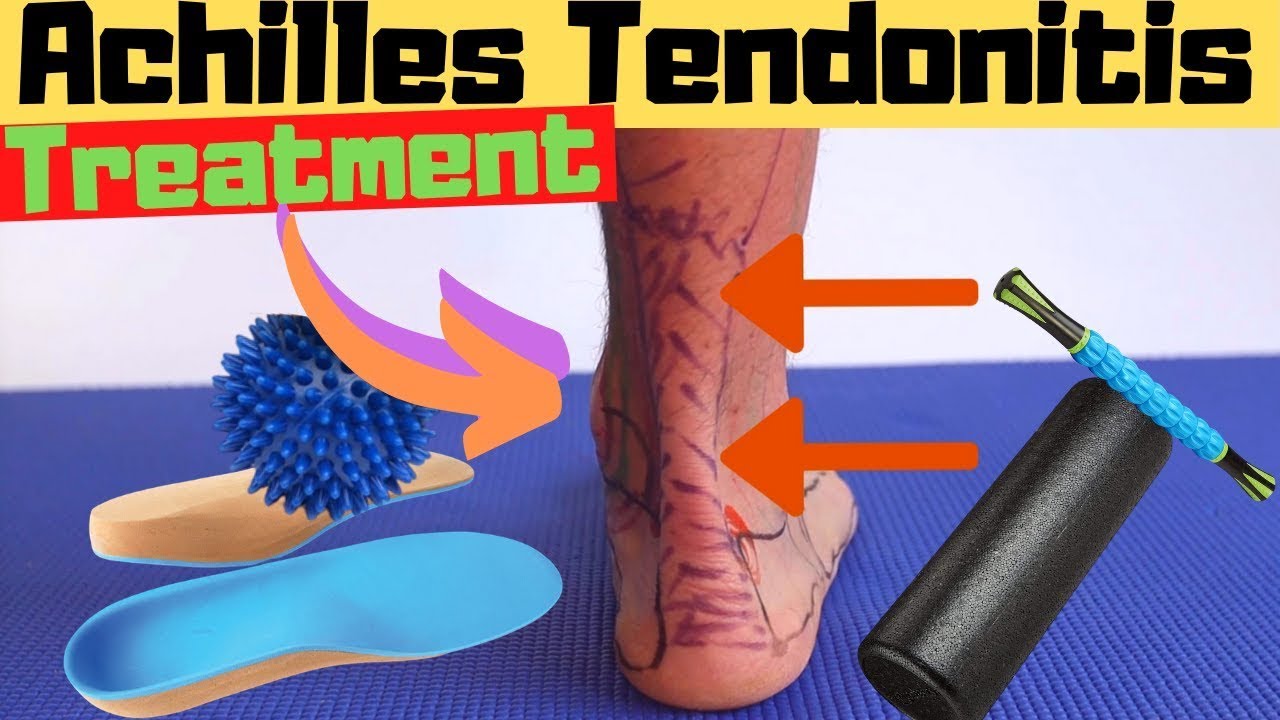
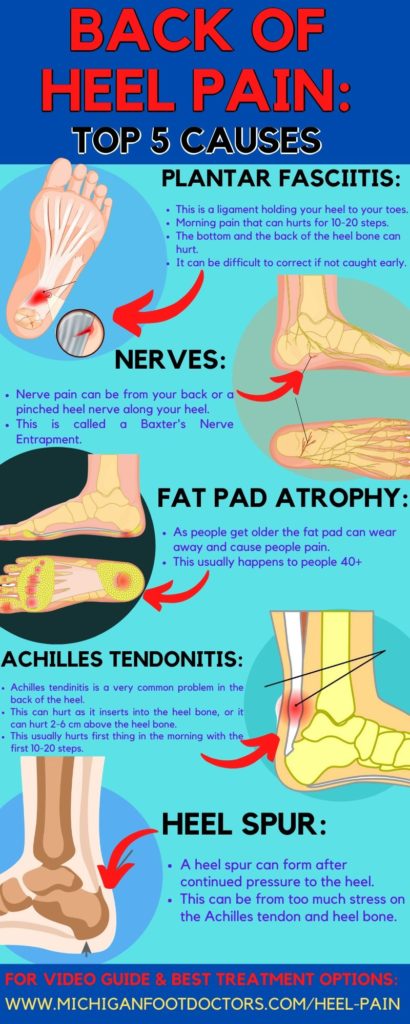
- Achilles tendon pain is most commonly caused by two types of Achilles tendon injury.
- These are Achilles Tendonitis: Insertional Achilles tendonitis (heel pain) and non-insertional Achilles tendonitis (2-6cm above the heel):
Achilles Tendinopathy (Tendonitis):
- The most common cause of Achilles tendon pain is a Achilles tendinopathy or Achilles tendinitis: This is when you have inflammation and even partial split tears throughout the tendon.
- This occurs when the tendon is extremely tight, painful and swollen.
- This is most likely to occur in people who have put on weight, and have decreased flexibility through the Achilles tendon.
- It can also occur with significant overload.
- We would probably estimate that this is over 80% of all Achilles tendon injuries that we see in the office.
Insertional Achilles Tendonitis:
- Insertional Achilles tendinitis is where the tendon actually inserts into the back of the calcaneus.
- The calcaneus is also known as your heel bone.
- If your pain is at the bottom of the hill bone, this is most likely called plantar fasciitis.
- If the pain is at the back of your calcaneus, this is known as insertional Achilles tendinitis.
- If this goes on for numerous years, it is possible to develop back of the heel spur.
- This is called an insertional Achilles tendon spur.
- The spur is a sign of chronic Achilles tendinitis.
Non-insertional Achilles Tendonitis:
- Non-insertional Achilles tendinitis is when it is about 2 to 6 cm above the heel bone.
- This is the more common type of Achilles tendinitis people who are jumping and running regularly.
- This means that you have a short were tight Achilles tendon.
- The key is to protect this and take pressure off of it, as continued pressure can cause a possible rupture in the future.
- Basketball players are especially at risk for this.
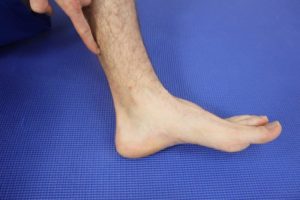
Other causes of Achilles tendon pain:
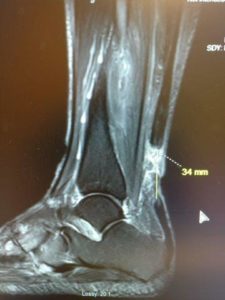
Ruptured or torn Achilles tendon:
- This most likely occurs when you land really hard on your Achilles tendon and you actually hear a pop and it ruptures.
- This is a very severe injury that sometimes does require surgery. This is most common during falls, coming up or down the stairs, or playing basketball.
- This is a very severe injury that requires you to see your podiatrist as quickly as possible.
Partially torn Achilles tendon:
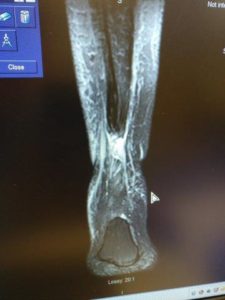
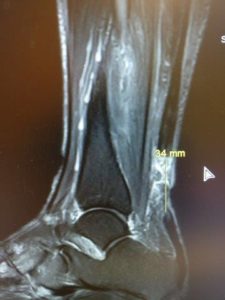
- It is possible to have a partially torn Achilles tendon, this can also be very severe, you should go in for evaluation most immediately.
- This occurs when only some of the fibers in the tendon are torn.
Achilles tendon strain:
- In Achilles tendon strain is also extremely common.
- This usually happens towards people who, for example are playing tennis and pushoff very fast.
- You can feel a pull, it is not quite torn, but is very sore and bruised.
- This can be very sore for 2 to 4 weeks.
Symptoms:
Symptoms of Achilles tendon pain can include:
Achilles tendinitis(insertional or non insertional):
- Sore achilles tendon in the morning:
- Swollen achilles tendon.
- Bruised achilles tendon.
- Inflamed achilles tendon.
- Chronic achilles tendon.
Achilles tendon tear or injury:
- It can feel like a pop or a snack when it happens.
- It is usually a traumatic injury.
- This strain can be pushing off and is more of the leg in the muscle.
- Care, or a partial tear, or important tendon will usually be a traumatic injury about to 6 cm above the heel.
- A tear usually does not happen in the muscle just below the knee.
Risk factors for Achilles tendinitis:
- Flat or unsupportive shoes.
- Recent increases in weight, or being overweight for a repetitive activity such as running or long-distance walking.
- Exercising on uneven surfaces.
- A recent increase in heavy-duty activity.
- Excessive activity after a long period of inactivity.
- Weakness in the muscles to support your upper body.
- Foot issues such as being flat-footed or having a short were tight Achilles tendon.
- A recent ankle sprain or injury.
Achilles & Calcaneal Tendon Anatomy:
What is the Achilles tendon?
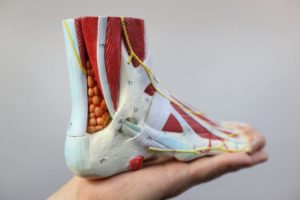
- The Achilles tendon and gastrocnemius is the strongest and most durable muscle in your body.
- Achilles tendon is a very strong bundle of fibers that attach the calcaneus(heel bone) to the calf muscle which is called the gastrocnemius.
How does one get a short Achilles tendon?
- As we get older and exercise and stretch less, it is possible for the muscle to get we current contract.
- If many years go by without stretching or high-intensity activity, the tendon can become shorter and weak.
What does the Achilles tendon do?
- The Achilles tendon is the most powerful and essential muscle for running, jumping, and even long-distance walking.
Why does the Achilles tendon get injured?
- It is a very durable muscle, but even it has its limits!
- It can be prone to wear and tear.
- It is very good at up-and-down bending of the foot, but when the foot starts bending up and down and twisting out at the same time, it can become at risk for injury and rupture.
- This is a very strong and durable muscle, but in the center. It does have less blood flow than other parts of the body.
- The most likely area for developing Achilles tendinitis and worker rupture is 2 to 6 cm above the calcaneus insertion site.
Achilles Tendinosis:
- Achilles tendinosis is when the tendon is so damaged that the center starts to die.
- The center can actually read and develop Mucinous fluid at the center.
- This means that the center of the tendon is dying and is at risk for rupture.
Achilles Peritendinitis:
- This means that the sheath surrounding the tendon is inflamed.
- This is another way of saying Achilles tendinitis.
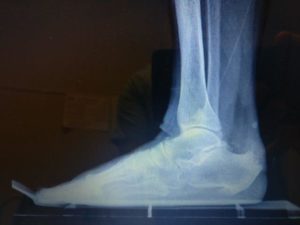
Achilles Heel Spur:
- An Achilles heel spur develops when the Achilles tendon rips of the calcaneus for very long period of time.
- This is a very dangerous situation to develop, as the spur can allow the Achilles tendon to rupture and create further damage.
Achilles Tendon Pain & Running:
Achilles tendon pain running:
- Runners and people who are running are some of the most at risk people for Achilles tendon pain.
- We see thousands of patients come in, with pain in their Achilles tendon when they start a new exercise routine like walking or running.
- This is most common in patients who have not been running or jogging for very long time, and start into very high levels of activity.
- This can put you at risk for significant injury.
- It is very difficult to start high level of activity without having an elastic and well stretched Achilles tendon or other muscles. It is very important to start crosstraining in doing other types of activities that can strengthen your muscles and strengthen your Achilles tendon without injuring it first.
What can I do about my sore Achilles after running:
- The best thing you can do is work on decreasing inflammation: start by taking pressure off your Achilles tendon.
- What we recommend for patients is usually to start riding a bike, swimming and weightlifting during this time.
- It can take a month or two for your Achilles tendinitis to calm down.
- It is very important to do this before the problem gets worse. It definitely sucks that you have Achilles tendinitis, but don’t make the problem worse and damage or tendon or put yourself out for even more months!
Achilles Tendonitis and Running Treatment Options:
- Read the treatment guide below to find out exactly what you can do.
- The key is to decrease inflammation, get your Achilles tendon more flexible, and start other exercise programs like swimming, bike riding or weightlifting.
- Focus on good shoes, good orthotics, good flexibility, and strengthening your other muscles while reducing your weight.
The best shoes for Achilles tendon pain:
- There’s no way around it, if you are wearing flimsy and flexible minimalist shoes, you will have significant Achilles tendon and foot pain.
- Especially for ankle and Achilles tendon pain, you need is shoe that does not been in the back or the bottom.
- In the associated video, Dr. Tom Biernacki goes over specifically what you want to look for an issue.
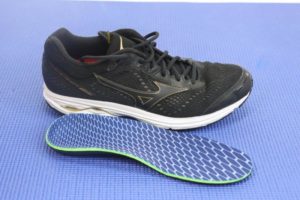
- But in summary here: you want to get a shoe that does not bend across the bottom except for the big toe, does not bend in the back, and it has enough room to fit in orthotic.
- Other than that, you don’t have to get too fancy and blow hundreds of dollars.
How to buy and fit shoes:
- We love brands like ASICs,New Balance, Hoka, Saucony, and Brooks are excellent. If you get one of the issues you basically can’t go wrong.
- If you need help trying to fit the shoes, watch this video about how to fit your shoes online!
The best orthotics for Achilles pain:
- Great shoes are essential for getting your Achilles tendinitis pain better, but really good orthotics are crucial as well to get that pain, feeling much better.
- Custom orthotics are amazing, but you’ll have to make your first car for Ferrari! Start with something that will get you from point A to point B.
- Over-the-counter inserts can work really well and for a lot of time you can get them immediately for pretty low price.
- Yes your foot type, does matter, yes it does matter how much you pronated, but getting some of these inserts is 100 times better than the cheap, flimsy gel pads you will get at the convenience store.
- It doesn’t matter if you step on a machine that checks your foot, this is just a marketing gimmick!
- The bottom line is, these are one dollar made in China gel pads, it doesn’t matter if a machine tells you which one of them is the best.
Best Back of Heel Pain Treatment
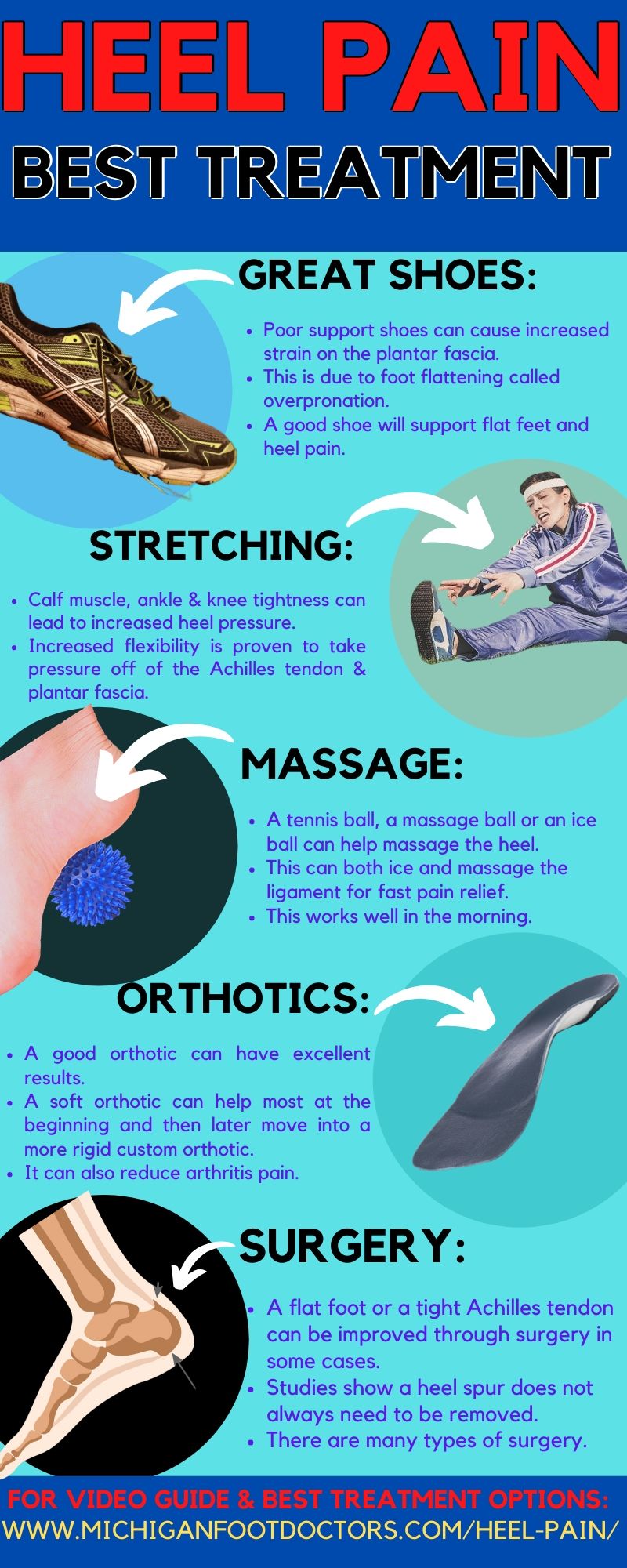
- There are usually two phases to treating back of the heel pain.
- The two phases of treatment include controlling the acute inflammation and correcting the biomechanics, which led to the problem in the first place.
- If the tendons and ligaments are inflamed, they are almost frozen in place and cannot function properly.
- Once the inflammation is decreased, we need to correct the biomechanical causes to ensure that the Achilles tendon can never become overworked and inflamed again!
- This doesn’t matter whether it’s The back of the heel spur, fat pad atrophy, insertional Achilles tendinitis, Achilles tendinitis, or even Achilles tendinosis.
- If you do have an Achilles tendon rupture or tear, seeing podiatrist care immediately.
Achilles Tendon Natural Treatment
Massage & Ice Products:
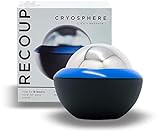
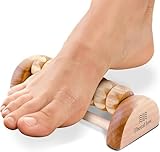
- Ice is an excellent option that can be safe for almost everyone.
- There is some debate about whether icing is worth doing, but this can help limit the need for medications and keep your options open for chronic pain.
- This works great for your arch, less for the ball of the foot.
- Manual massage on the Achilles tendon & calf muscle is a natural treatment that can also be considered physical therapy for your back of the heel pain.
- This works well for calf muscle pain and Achilles tendon pain.
- The more muscle and ligament tissue there is, the better ice will work there.

Menthol Based Gels:
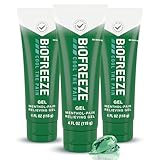
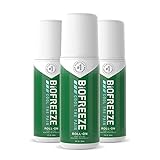
- Biofreeze is one of our favorites.
- These gels have been studied to work 2x as long as ice.
- This works great for the ball of the foot.
- This can be very effective for pain relief, but this can decrease inflammation in the calf muscle and Achilles tendon.


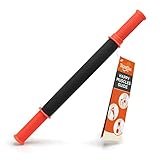
Massage Sticks:
- These can work great for loosening your muscles.
- This allows less tightness and pressure onto the plantar fascia and heel.
- This is very effective for the arch, the gastrocnemius, calf muscle, and the hamstring and thigh muscles.
- This also works very well for the gluteus muscles if you are having butt cheek or hip pain.
- The massage stick can break up lumps in your Achilles tendon and heel pain.
Remove the Achilles tendon tightness.
- The key is to prevent future pain stress and trauma to the Achilles tendon muscle.
- This means keeping you active while keeping stress off of your Achilles tendon. This will prevent future re-injury and the development of plantar fasciitis.
- If you can get rid of the pain and swelling, this will let you start walking normally.
- If you can walk normally, the vast majority of your pain should gradually start to go away.
- The best way to ensure that your plantar fascia, foot, and ankle ligaments are not overworked is to support them.
- The best way to support them is to use great orthotics and great shoes.
- Some people may also need to rely on supportive ankle braces and other supportive modalities.
Best Shoes for Back of Heel Pain:
- Getting a great supportive pair of Achilles tendonitis shoes will ensure that there is pressure removed from the heel and plantar fascia region.
- This is especially important if you have plantar fasciitis, heel spur pain, or Achilles tendonitis as well.
- Consider Achilles tendonitis shoes combined with a good supportive orthotic for best pain relief!
- The following link will show you what our favorites are.
Best Achilles Tendonitis Insoles:
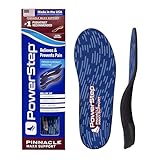
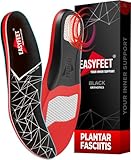
- These are our recommended orthotics for Achilles tendonitis.
- Custom orthotics can work very well, but they should not be the first line of treatment due to the cost.
- There are different types of different shoes.
- Women’s shoes usually need a less bulky orthotic but allow for less correction.
- A full-length orthotic requires a running shoe, boot, or comfortable walking/dress shoe.
- We recommend doing everything you can to get a good supportive shoe that can fit a full-length orthotic.
- A further home remedy tip for Achilles tendonitis pain is cutting out a hole where the nodule uses scissors or a knife. Be careful and start with a very low-cost orthotic.
Click this link for the best podiatrist recommended orthotics!
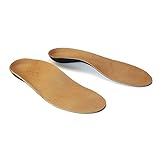
Best Full Length Achilles tendonitis Orthotics:
- These will only work in wider shoes or a good supportive running shoe.
- This will not work in sandals, flats, or most women’s dress shoes.


Best Dress Shoe Achilles tendonitisOrthotics:
- These are a great choice for dress orthotics.


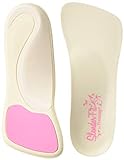
Best 3/4 Length Achilles tendonitis Orthotics:
- These are great options for women’s dress shoes and thinner shoes.
- These are not the most supportive pair of orthotics.
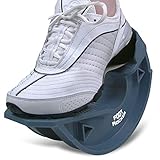
Get A Great Dynamic Stretch:
- It is possible to stretch on your own, but these products can also really help!
- This will take pressure off of the ball of your foot.
- This form of the back of the heel pain physical therapy breaks up the scar tissue.
- We personally prefer this method of stretching.


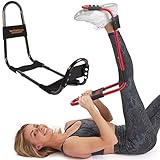
Get A Great Static Stretch:
- These devices are great for stretching while you are resting.
- This is an excellent Achilles tendonitis physical therapy that you can do at home.
- This will also help take pressure off of the ball of your foot.
- This works great for plantar fasciitis.
- The static night splint can use it while watching TV or at night time.


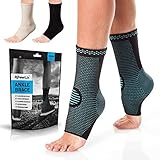
Best Heel Compression Brace:
- A good compression brace can stabilize your foot from turning outward.
- This prevents your foot from pronation.
- The pronated foot will turn your foot outward, in your foot will rub on the outside of the shoe.
- This has solved their pain for many of her patients and is very comfortable to wear inside your shoe.
- This solves both pain and outward pronation for a relatively low cost.

Best Heel Stability Brace:
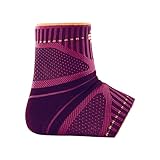
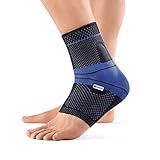
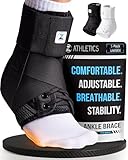
- The stability brace goes a little bit further than the compression brace to stop your foot from turning out.
- This takes the pressure off of your heel and plantar fascia.
- At the same time, this is a little bit bulkier and does not affect every shoe.
- We find people are a little bit happier trying the compression brace before the stability brace.
Severe Achilles tendonitis Pain:
- If you think you might have a broken heel, a calcaneal stress fracture, or something of similar severity, these products might help!
- Always remember to see a foot and ankle specialist like a podiatrist if you have plantar fasciitis or more severe pain!
Plantar Fascia Tear, Broken Heel Bone, Achilles Tendon Tear:
- If you have a traumatic injury such as a torn plantar fascia ligament, calcaneus stress fracture, heel fracture, or insertional Achilles tendon injury: consider protecting your foot!
- The best way to do this is, of course, to see your podiatrist and get evaluated with an x-ray, ultrasound, and potentially even an MRI or CT scan.
- If you cannot do so, it may benefit you to be in a cast, fractured boot, or even keep the weight off of it with a rolling knee scooter or other protective devices.
- We as podiatrists frequently take patients off work for very long periods of time when they suffer a traumatic injury. Unfortunately, there is no other way around us in labor jobs.
- If you have a sit-down job, there are ways to get people back to work quicker, but this can be not easy otherwise.
Heel Injury Boot Treatment:
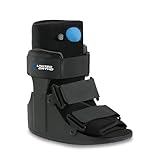
- There are pros and cons to using a boot to treat your heel injury. The Pros are that your injured heel will hopefully have a chance to heal gradually! If you are immobilized too long, the cons are that you will gradually become stiff and overworked to your other leg.
- Our favorite fracture boots and their supplies:


Offloading and Scooter treatment:
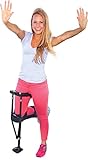
- These are favorite knee scooters and walking devices.
- If your Achilles tendonitis pain is severe, offloading can be very effective until the pain calms down.




Dr. Tom Biernacki, DPM is a board-qualified podiatrist and foot & ankle surgeon serving Southeast Michigan at Balance Foot & Ankle Specialists. A Michigan native, Dr. Biernacki earned his undergraduate degree from Michigan State University and his Doctor of Podiatric Medicine (DPM) from Kent State University College of Podiatric Medicine. He completed a three-year comprehensive surgical residency in foot and ankle surgery in the Detroit metro area.
Dr. Biernacki specializes in the treatment of heel pain, bunions, hammertoes, diabetic foot care, sports injuries, flatfoot correction, and minimally invasive foot surgery. He is dedicated to providing evidence-based, patient-centered care that helps people of all ages stay active and pain-free.
He sees patients at multiple convenient Metro Detroit locations and is committed to community education through the MichiganFootDoctors.com resource library. Dr. Biernacki is a member of the American Podiatric Medical Association (APMA) and the Michigan Podiatric Medical Association (MPMA).