Expert Foot & Ankle Treatment from Michigan’s #1 Podiatrist - Balance Foot & Ankle Specialist
Board Certified Podiatrists
Expert Foot & Ankle Care
Expert Foot & Ankle Treatment from Michigan’s #1 Podiatrist - Balance Foot & Ankle Specialist
Expert Foot & Ankle Care

Professional Nail Care From Trusted Foot & Ankle Specialists
Ridges on your toenails or fingernails can be harmless—or a sign of an underlying condition. At Balance Foot & Ankle Specialist, our podiatrists provide thorough nail evaluations to identify the cause of nail ridges and recommend the right treatment to restore nail health.


Horizontal ridges on toenails are called Beau’s lines — they form when nail growth is temporarily disrupted by injury, illness, or nutritional deficiency. A single ridge on one nail is usually from stubbing or dropping something on the toe. Ridges on multiple nails at the same level suggest a systemic cause (high fever, surgery, severe stress). No treatment is usually needed — the ridge grows out in 6–12 months. See a podiatrist if the nail is also thickening or discoloring (possible fungus).
The biggest mistake is confusing horizontal ridges with toenail fungus and using antifungal treatments unnecessarily. Beau’s lines are smooth, uniform indentations — fungal nails are thickened, yellow/brown, and crumbly. The second mistake is buffing or filing the ridges aggressively, which thins the nail plate and makes it weaker. Let the ridge grow out naturally — it doesn’t need cosmetic treatment.
Do you have horizontal ridges on toenail that appear as dents or lines across the nail surface? These ridges can be caused by injury, nutritional changes, or underlying health conditions. At Michigan Foot Doctors, with offices in Howell and Bloomfield Hills, we specialize in diagnosing and treating nail problems like horizontal ridges on toenail concerns. Our podiatrists can determine the cause and provide effective treatment to restore healthy, smooth nails.
Nail ridges can appear vertically or horizontally and may result from:
Because some causes require medical treatment, professional evaluation is important.
Treatment depends on the underlying cause and nail condition.
Treatment options may include:
We focus on safe, targeted treatment, not cosmetic masking.
Nails grow slowly, so improvement takes time.
What to expect:
Consistency is key for long-term nail health.
While medical care may be needed, these steps can support nail health:
Home care supports treatment but does not replace medical evaluation
Noticing horizontal lines or ridges across your toenails? These indentations—also known as Beau’s lines—can signal a variety of health issues. From temporary stress on the body to chronic conditions like diabetes or nutritional deficiencies, these nail changes are often a symptom of something deeper. At Balance Foot & Ankle Specialist, we help patients in Michigan decode these signs and offer solutions for healthy, clear nails.
Horizontal ridges can appear as indented lines or grooves running across the nail and may affect one or multiple toes. These ridges form when nail growth is temporarily interrupted. Common causes include:
Illness or high fever (flu, COVID-19, infections)
Physical trauma to the nail bed
Severe stress or shock to the body
Nutritional deficiencies (zinc, protein, B vitamins)
Chemotherapy
Skin conditions like eczema or psoriasis
Uncontrolled diabetes or circulation issues
Fungal infections
Systemic diseases or autoimmune disorders
Side effects of certain medications
If you notice horizontal ridges, it’s important to monitor for additional symptoms like discoloration, brittleness, or pain—these signs may help pinpoint the underlying cause.
Horizontal toenail ridges may be more than a cosmetic concern—they could signal an underlying health issue. At Balance Foot & Ankle Specialist, our podiatrists take the time to uncover the root cause and create a customized care plan. Don’t ignore nail changes—early diagnosis means faster treatment and peace of mind.
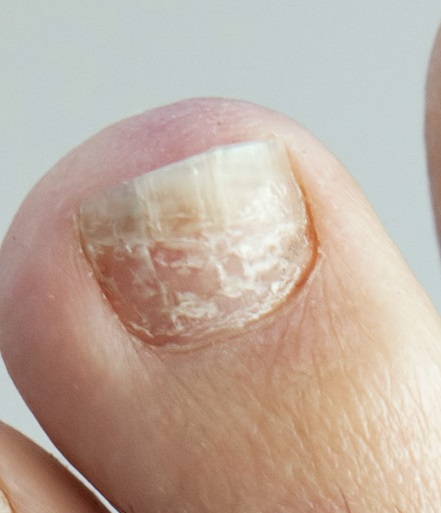
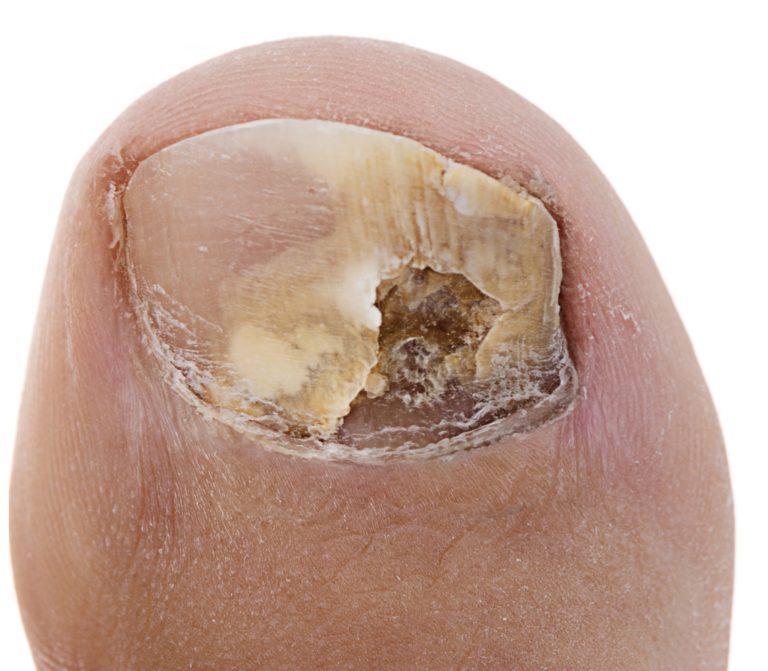
The more serious causes include:
These pictures also include dent on the toenail pictures.
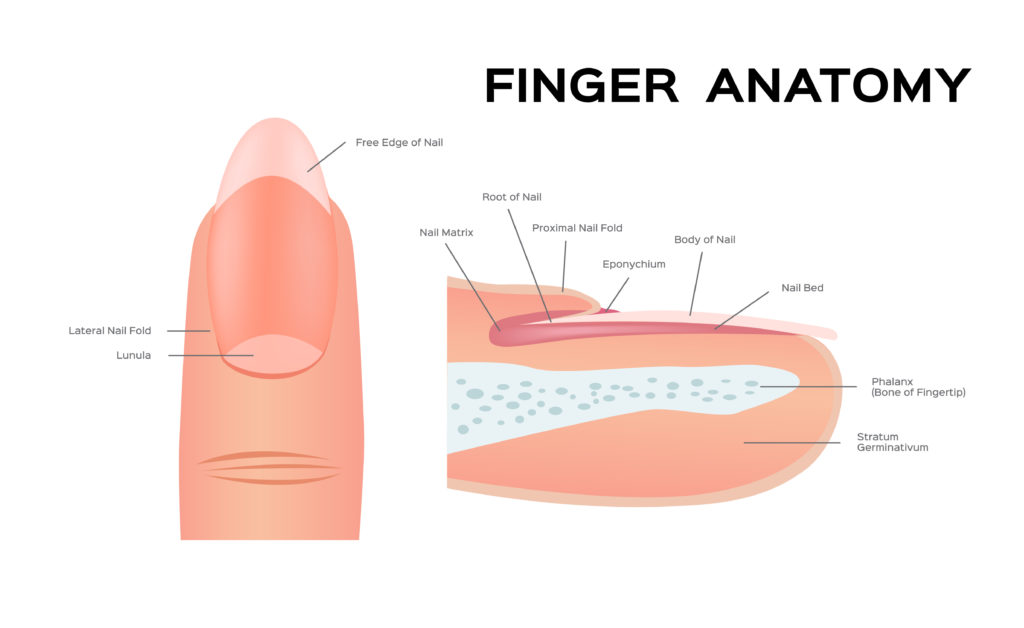
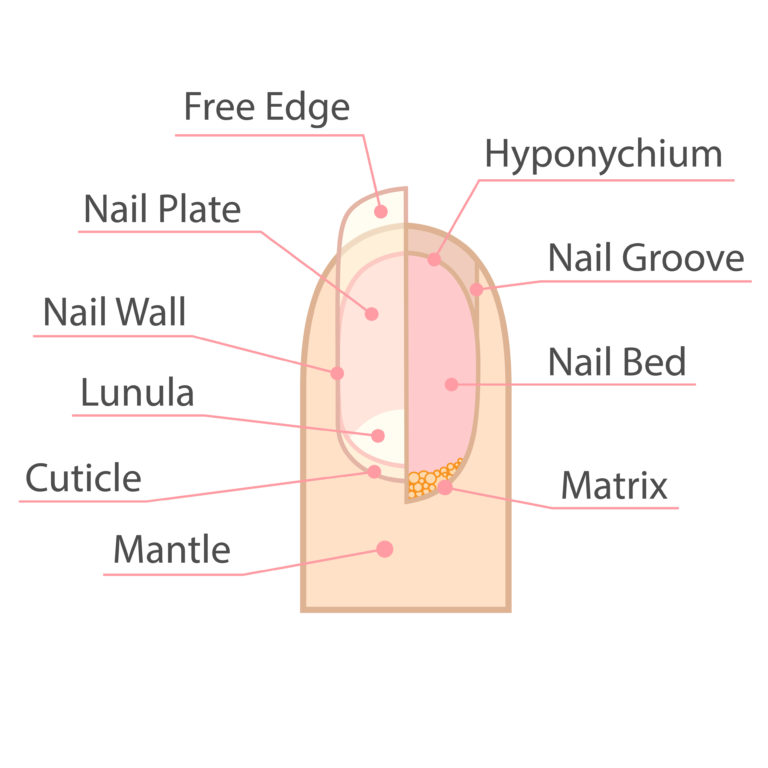
How long does it take for a toenail to grow back after falling off?
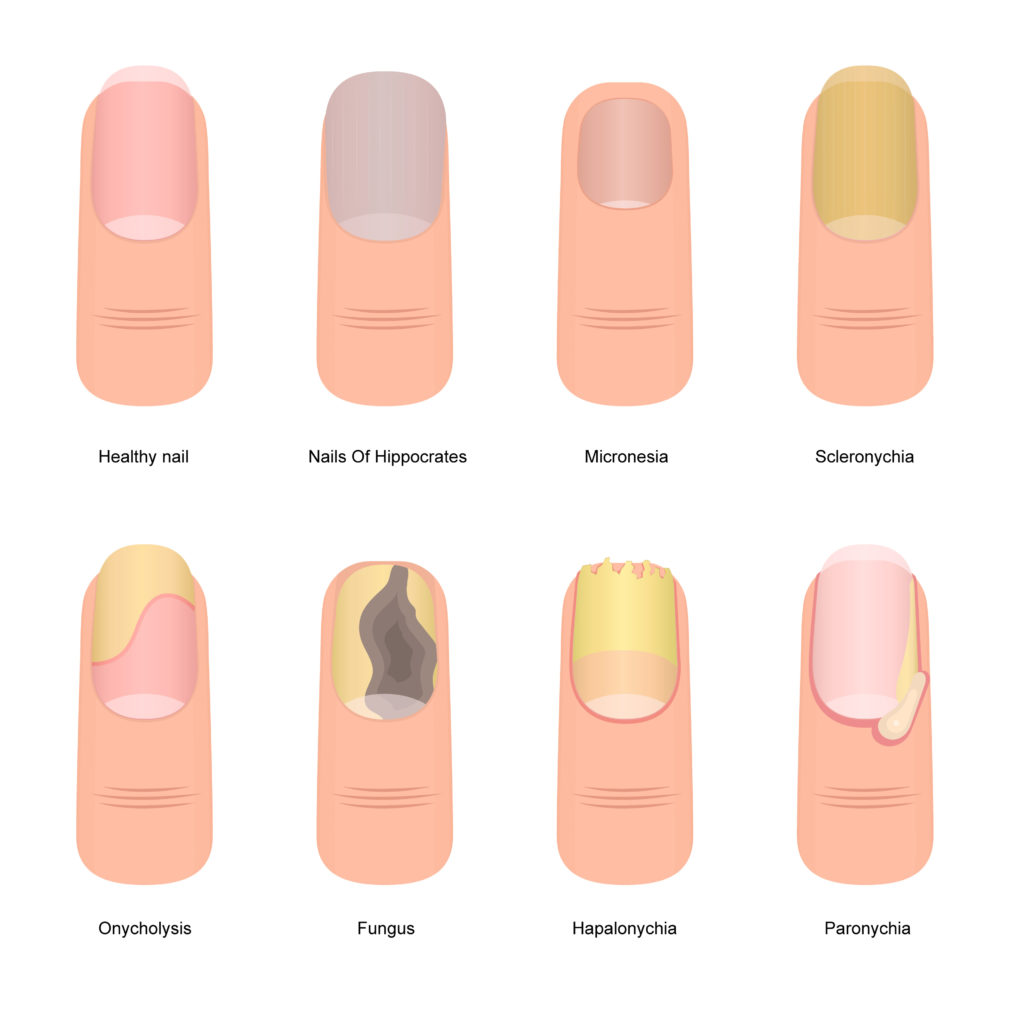
Noticing horizontal ridges on your toenails? These ridges, also known as Beau’s lines, are more than just a cosmetic concern—they can be a sign of an underlying health issue or trauma affecting your nail growth.
Injury or Trauma – A stubbed toe or repeated pressure from tight shoes can interrupt nail growth, forming a ridge.
Severe Illness or High Fever – Conditions like COVID-19, pneumonia, or other serious illnesses can temporarily halt nail production.
Nutritional Deficiencies – Low levels of zinc, biotin, or iron may contribute to poor nail health and horizontal ridges.
Chemotherapy or Radiation Therapy – These treatments often slow or pause nail matrix activity, leading to visible lines.
Uncontrolled Diabetes – Fluctuations in blood sugar levels may impact the nail bed and growth cycle.
Peripheral Vascular Disease – Poor blood flow in the lower limbs can result in brittle or ridged nails.
Autoimmune Conditions – Diseases like lupus or psoriasis can disrupt nail formation and cause ridging.
See a podiatrist or dermatologist: Early evaluation can rule out serious health problems.
Moisturize regularly: Use creams with urea or lactic acid to keep nails hydrated.
Wear properly fitting shoes: Prevent trauma by ensuring your footwear doesn’t compress the toes.
Improve your diet: Incorporate foods rich in biotin, iron, and zinc.
Address the underlying condition: Treating systemic issues like diabetes or vascular problems is key to preventing recurrence.
Toenail Pain (Toenail Fungus, Ingrown Toenails, Discolored Toenails)
Real Relief, Real Results

“I noticed ridges forming on my toenails and wasn’t sure why. The doctor explained everything clearly and helped me improve my nail health.”
– Jhun N., Howell, MI
“Professional, thorough, and reassuring. I appreciated the honest explanation and treatment plan.”
– Jonas M., Bloomfield Hills, MI
“They took the time to identify the cause instead of just treating the appearance.”
– Greg R., Bloomfield HIlls, MI
“Excellent care and very knowledgeable staff. Highly recommend for nail concerns.”
– Mitch H., Bloomfield Hills, MI
Experienced Specialists in Custom Orthotic Care

Dr. Biernacki provides comprehensive foot and ankle care for patients in Howell and Bloomfield Hills, focusing on accurate diagnosis, effective treatment, and long-term mobility.

Dr. Jay delivers trusted general podiatric care, helping patients manage foot and ankle pain, injuries, and chronic conditions with personalized treatment plans.

Dr. Gutkin offers attentive foot and ankle care for a wide range of conditions, emphasizing preventive care and patient education to support healthy, active lifestyles.

They are often referred to as Beau’s lines and indicate interrupted nail growth.
Yes, they may reflect past illness, malnutrition, or systemic issues.
Yes, both physical and emotional stress can interrupt nail growth and form ridges.
The most common cause of white horizontal ridges on the toenails is a small amount of trauma.
If you have a horizontal white dent in the toenail or a horizontal white ridge on the toenail, this is likely due to damage.
The white mark is due to toenail damage, which could be associated with a ridge due to a slow down or deformity in the nail.
If horizontal ridges are associated with redness or a black line, dry blood is most likely associated with your horizontal ridge. For other toenail discoloration, see white patches on toenails or white chalky toenails from nail polish.
The deep horizontal ridges on the big toenails only are very common.
This is because your big toenails are your longest toes, and they are most likely to rub or bump against the front of your shoe.
For example, if you are training for a marathon or standing on your feet all day at a job, this can cause your big toenails to absorb the majority of the pressure.
The best treatment for this is to keep your toenails trimmed, get a good shoe, get a good orthotic, and take good care of your feet.
Fungal infections usually cause discoloration and thickening, but sometimes also lead to ridges.
Uncontrolled diabetes can cause circulation issues that impact nail growth, potentially resulting in ridges.
Toenails grow slowly; ridges may take 6–12 months to fully grow out.
Yes, especially if they are sudden, severe, or accompanied by other nail or health symptoms.
Deficiencies in zinc, iron, biotin, and protein may lead to nail changes.
Maintain a healthy diet, manage stress, avoid trauma, and treat any infections or illnesses early.
Balance Foot & Ankle Specialist in Howell & Bloomfield Hills, Michigan provides expert care for toenail and foot health issues.
Early diagnosis helps prevent complications and supports healthier nail growth.

Dr. Tom Biernacki, DPM is a board-qualified podiatrist and foot & ankle surgeon serving Southeast Michigan at Balance Foot & Ankle Specialists. A Michigan native, Dr. Biernacki earned his undergraduate degree from Michigan State University and his Doctor of Podiatric Medicine (DPM) from Kent State University College of Podiatric Medicine. He completed a three-year comprehensive surgical residency in foot and ankle surgery in the Detroit metro area.
Dr. Biernacki specializes in the treatment of heel pain, bunions, hammertoes, diabetic foot care, sports injuries, flatfoot correction, and minimally invasive foot surgery. He is dedicated to providing evidence-based, patient-centered care that helps people of all ages stay active and pain-free.
He sees patients at multiple convenient Metro Detroit locations and is committed to community education through the MichiganFootDoctors.com resource library. Dr. Biernacki is a member of the American Podiatric Medical Association (APMA) and the Michigan Podiatric Medical Association (MPMA).
Choose Your Location
✅ Same-day appointments available · No referral needed
🔒 Your information is private and HIPAA-protected